Chalazion Healing Stages: Pictures and Recovery Signs

A chalazion is a blocked oil gland in the eyelid and is usually not an infection. Most chalazia improve gradually with warm compresses and gentle eyelid care.
Key Takeaways
- A chalazion is a blocked oil gland in the eyelid and is usually not an infection.
- Most chalazia improve gradually with warm compresses and gentle eyelid care.
- Photographs can help track change, but cannot reliably confirm a diagnosis.
- Painful redness, vision changes or swelling around the eye require prompt medical assessment.
- Persistent or recurrent eyelid lumps may need evaluation by an eye specialist.
Chalazion healing stages pictures often show a firm eyelid lump that gradually becomes smaller, less red and less noticeable over several weeks. Healing is not always linear, and a clinician should assess a lump that grows, persists or causes significant eye symptoms.
What Chalazion Healing Stages Pictures Can Show
Chalazion healing stages pictures can be useful for understanding the usual pattern of recovery: a small eyelid bump may first feel firm or mildly tender, then soften and slowly reduce in size. The skin often returns to its usual color as inflammation settles. However, images cannot confirm that an eyelid lump is a chalazion, because several other conditions can look similar.
A chalazion develops when an oil-producing meibomian gland in the eyelid becomes blocked. Oil and inflammatory material collect behind the blockage, creating a localized lump. It may occur in the upper or lower lid and is commonly painless after the initial phase.
Recovery varies. Some small chalazia resolve within a few weeks, while larger or long-standing lumps can take months to disappear or may need treatment from an ophthalmologist. Looking at serial photographs taken in similar lighting and from the same angle can be more informative than comparing an individual eye with a photo found online.
A Visual Guide to Typical Healing Changes
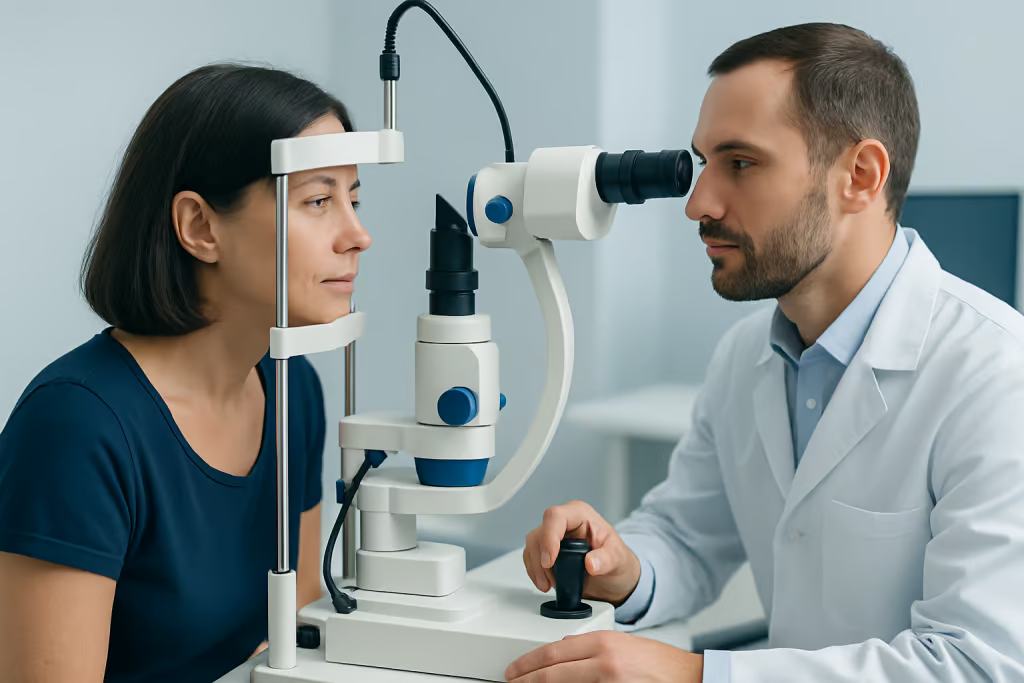
In the early stage, the eyelid may appear swollen in one focused area. The lump can be red or tender, particularly if there is active inflammation. A chalazion may begin after a stye, but unlike a stye, it generally becomes a deeper, firmer and less painful bump rather than a pus-filled spot at the eyelash line.
During the settling stage, redness and tenderness usually lessen. The bump may remain visible and feel round, firm or rubbery beneath the skin. This can be frustrating, but a painless, stable lump that is gradually shrinking is often consistent with normal resolution.
As healing continues, the lump may soften, flatten or become harder to locate by touch. Occasionally, it drains through the inner surface of the eyelid; this may be noticed as temporary discharge or crusting. It is important not to squeeze, puncture or try to drain it at home, as this can injure the eyelid or introduce infection.
In the final stage, there may be little more than mild fullness or a small residual bump. If a lump remains unchanged for several weeks, repeatedly returns in the same location, or looks unusual, an eye specialist should examine it rather than relying on photographs alone.
Chalazion Symptoms and Look-Alike Conditions

A typical chalazion causes a localized eyelid bump, sometimes with a sensation of pressure or heaviness. A larger lump can press on the surface of the eye and cause blurred vision or altered vision from temporary astigmatism. Itching, tearing and mild irritation may occur, although severe pain is not typical.
A stye, also called a hordeolum, is usually more painful, red and tender at the beginning. It is often related to an acute infection around an eyelash follicle or gland. In contrast, a chalazion is primarily an inflammatory blockage within an eyelid oil gland. The two can overlap, and a stye can sometimes evolve into a chalazion.
Other eyelid problems may resemble a chalazion, including cysts, skin lesions, allergic swelling and, rarely, tumors. An examination is especially important for a new lump in an older adult, loss of eyelashes around the lesion, bleeding, ulceration, distortion of the lid edge, or repeated lumps in exactly the same area.
Why Chalazia Form and Who May Be More Prone
Meibomian glands normally release oil that helps stabilize the tear film and prevents tears from evaporating too quickly. When the opening of a gland becomes blocked, retained oil can trigger inflammation and form a chalazion. This is not usually caused by poor hygiene and is not generally contagious.
People may be more likely to develop chalazia if they have chronic eyelid-margin inflammation, known as blepharitis, or meibomian gland dysfunction. Skin conditions such as rosacea and seborrheic dermatitis can also affect the eyelids. Contact lens users and people who wear eye makeup may benefit from careful lid hygiene, particularly if they have recurrent symptoms.
Repeated eyelid lumps warrant a clinical review because treating contributing conditions may lower the chance of recurrence. An eye clinician can assess the eyelid margins, tear film and gland function, as well as exclude other causes of a persistent lump.
Diagnosis and Safe Treatment Options
Clinicians can often diagnose a chalazion through an eye and eyelid examination. They will ask how long the lump has been present, whether it is painful or changing, and whether there are visual symptoms. In some cases, a persistent or atypical lesion may require further evaluation, including a small tissue sample, to establish the diagnosis.
For most uncomplicated chalazia, warm compresses are the main first step. A clean, comfortably warm compress can be placed over the closed eyelid for several minutes at a time, followed by gentle eyelid massage if advised by a clinician. Warmth may help soften thickened gland secretions and encourage natural drainage.
Antibiotic treatment is not routinely needed for a simple chalazion, because it is not usually a bacterial infection. A clinician may prescribe medicines when there are signs of associated infection, significant eyelid inflammation or another condition requiring treatment. Steroid injections or a minor drainage procedure may be considered for a large, persistent or bothersome chalazion.
A qualified ophthalmologist can explain whether observation, medication, injection or a procedure is appropriate. Management should be individualized, particularly for children, people with recurrent lesions, and anyone with eye disease or reduced immunity.
Home Care, Prevention and Tracking Progress
Warm compresses and gentle lid care are often enough for a small chalazion. Hands should be washed before touching the eyes, and reusable cloths should be clean. Makeup and contact lenses may be best avoided if the eye is irritated or if a clinician recommends a short break.
Do not squeeze, pop or cut an eyelid lump. Avoid applying irritating substances, sharing eye cosmetics, or using leftover prescription eye drops. If eye makeup is used after symptoms settle, replacing old products and removing makeup carefully before sleep can support eyelid hygiene.
To monitor recovery, a person can take a weekly photograph in similar light, without pulling or pressing on the eyelid. Useful signs of improvement include reduced redness, reduced tenderness and a steadily smaller bump. A temporary fluctuation in size can occur, but clear enlargement or new symptoms should prompt medical advice.
- Use a clean warm compress as advised by a healthcare professional.
- Keep the eyelid area clean and avoid rubbing the eyes.
- Follow treatment plans for blepharitis, rosacea or dry-eye symptoms when present.
- Arrange review if the bump does not gradually improve or keeps returning.
When to Seek Medical Care
Medical assessment is recommended if an eyelid lump lasts longer than several weeks without clear improvement, becomes larger, or interferes with vision. An ophthalmologist should also assess recurrent chalazia, particularly when they develop in the same place.
Urgent care is appropriate for severe eye pain, rapidly worsening redness or swelling, fever, pain when moving the eye, reduced vision, double vision, or difficulty opening the eye. These symptoms are not typical of an uncomplicated chalazion and may indicate another condition that needs prompt treatment.
Acibadem International’s multidisciplinary specialists and JCI-accredited hospitals can assess and treat eyelid conditions for international patients. A timely eye examination can clarify the cause of a persistent lump and help determine the safest next step.
Frequently asked questions
How long do chalazion healing stages usually take?
A small chalazion may begin improving within days to a few weeks with warm compresses and eyelid care. Larger or more established lumps can take several months to resolve. A clinician should review a lump that is not clearly improving or is recurring.
Why does my chalazion look bigger before it gets better?
A chalazion can fluctuate in size as inflammation changes and trapped oil shifts within the gland. Mild variation can occur during healing, but persistent enlargement or increasing pain is not a reason to wait indefinitely. An eye professional can assess whether the lump remains a typical chalazion.
Can a chalazion go away without draining?
Yes. Many chalazia gradually shrink as the body reabsorbs the trapped material, without visible drainage. Others may drain through the inner eyelid naturally. It should not be squeezed or punctured at home.
What is the difference between a chalazion and a stye?
A stye is usually an acutely painful, red and tender bump, often near the eyelash line. A chalazion is usually deeper in the eyelid, firmer and less painful after the first stage. Both should be assessed if symptoms are severe, persistent or affecting vision.
Can warm compresses make a chalazion worse?
A comfortably warm, clean compress is commonly recommended for uncomplicated chalazia and may help soften blocked gland contents. It should not be hot enough to burn the delicate eyelid skin. If redness, pain or swelling is worsening, the person should seek clinical advice rather than continuing self-treatment alone.
When should a chalazion be removed?
Removal or another procedure may be considered when a chalazion is large, persists despite conservative care, affects vision, or repeatedly returns. The decision is made after an eye examination. Some persistent lumps may also need evaluation to rule out another diagnosis.
References
- American Academy of Ophthalmology
- National Eye Institute
- Mayo Clinic
- NHS
This article is for general information only and is not a substitute for professional medical advice. Please consult a qualified doctor about your individual situation.
Chalazion in Turkey — costs, top hospitals & a free quote
JCI-accredited · board-certified surgeons · reply within 24h
Add us as a Preferred Source to see more of our trusted health content across Google Search, AI Overviews and Discover.

Ophthalmology
Comprehensive eye care from laser vision correction to retina, cornea and cataract surgery.
75 specialists in this unit