

UFE Procedure: An Evidence-Based Patient Guide

UFE is performed by an interventional radiologist using a small catheter placed through an artery. The procedure works by blocking blood vessels that feed fibroids, causing them to shrink over time.
Key Takeaways
- UFE is performed by an interventional radiologist using a small catheter placed through an artery.
- The procedure works by blocking blood vessels that feed fibroids, causing them to shrink over time.
- Recovery is usually shorter than after open surgery, although cramping and fatigue are common in the first days.
- Not every person with fibroids is a suitable candidate; fertility plans, fibroid features and other pelvic conditions require individual assessment.
- Patients should discuss expected benefits, risks and follow-up with a gynecologist and interventional radiologist.
A UFE procedure, also called uterine fibroid embolization, is a minimally invasive treatment that reduces blood flow to uterine fibroids so they gradually shrink. It can relieve heavy bleeding, pelvic pressure and other fibroid-related symptoms while preserving the uterus.
Overview: What Is a UFE Procedure?
A UFE procedure, short for uterine fibroid embolization, is a minimally invasive treatment for symptomatic uterine fibroids. It works by blocking the arteries that supply blood to fibroids. Without their usual blood supply, the fibroids shrink gradually and symptoms such as heavy menstrual bleeding, pelvic pressure and frequent urination may improve.
UFE is also called uterine artery embolization or fibroid embolization. It does not remove the uterus and is different from myomectomy, which surgically removes fibroids, and hysterectomy, which removes the uterus. It is commonly performed by an interventional radiologist in collaboration with a gynecologist after a careful review of symptoms, imaging and reproductive goals.
Fibroids are noncancerous growths of uterine muscle. Their size, number and location can affect symptoms and treatment choices. A person considering embolization may also benefit from learning about uterine fibroids and the full range of available management options.
How Fibroid Embolization Works and Who May Be a Candidate
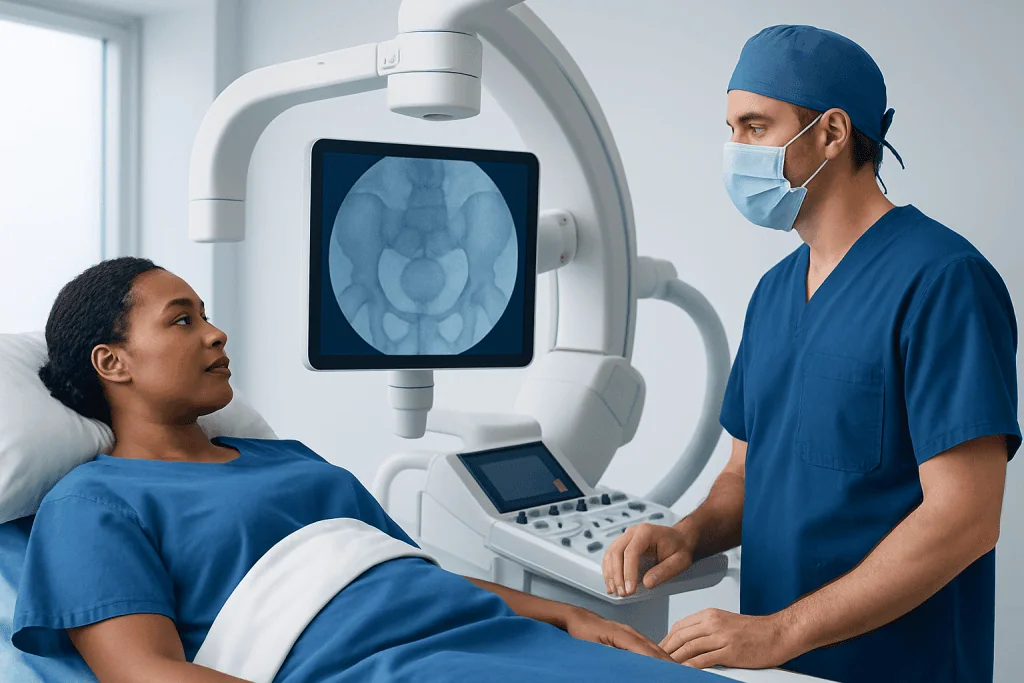
During fibroid embolization, a clinician guides a thin tube called a catheter through an artery, most often from the wrist or upper thigh, toward the uterine arteries. Tiny medical particles are released through the catheter to reduce blood flow to the fibroids. The uterus has blood flow from more than one source, while fibroids are especially dependent on the targeted arteries.
A UFE evaluation, sometimes called a UFE assessment, typically includes a discussion of symptoms, medical history, menstrual pattern, medications and future pregnancy wishes. Pelvic ultrasound or magnetic resonance imaging may be used to map the fibroids and identify other possible causes of symptoms, such as adenomyosis, ovarian masses or endometriosis. Blood tests may also be requested when heavy bleeding could have caused anemia.
UFE may be considered for people with bothersome fibroid symptoms who prefer to avoid major surgery or are not suitable for surgery. It can be helpful for heavy bleeding, pelvic pain or pressure, a feeling of abdominal fullness, urinary frequency and constipation caused by fibroid pressure. The best UFE approach is individualized, balancing symptom severity, fibroid features, general health and personal priorities.
For many patients, a joint review by gynecology and interventional radiology provides a useful UFE framework: confirm the diagnosis, define treatment goals, assess procedural suitability and compare alternatives. Uterine fibroid embolization is one option within this broader treatment discussion.
When Is UFE Not Recommended?

UFE is not recommended during pregnancy. It is generally postponed when there is an active pelvic infection, because treatment should first focus on resolving the infection. A suspected uterine or pelvic cancer also requires specialist investigation and a different treatment plan rather than embolization alone.
Some fibroid patterns may be less suitable for UFE or may require additional planning. For example, a fibroid that projects significantly into the uterine cavity may be more likely to pass through the vagina after treatment. Very large fibroids, fibroids with an unusual appearance on imaging, or conditions affecting the blood vessels may also warrant careful multidisciplinary review.
Future fertility is an important consideration. Pregnancy is possible after UFE, but evidence about reproductive outcomes is less established than for some surgical options, particularly myomectomy in selected patients. People who strongly wish to become pregnant should discuss all fertility-preserving approaches with a gynecologist, fertility specialist and interventional radiologist before deciding.
UFE may also be inappropriate for individuals with a serious allergy to contrast material that cannot be managed safely, significant kidney impairment, certain bleeding disorders or arterial anatomy that makes catheter access unsuitable. These factors do not automatically rule out treatment, but they may change the recommended plan.
Step by Step: What Happens During the Procedure
Before treatment, the care team explains preparation instructions, including whether medicines affecting bleeding need to be adjusted. The procedure is usually done with local anesthetic at the access site plus pain relief and sedation. Some patients receive anesthesia support depending on their health needs and local clinical practice.
The interventional radiologist makes a small puncture in an artery, commonly at the wrist or groin. Using real-time X-ray guidance and contrast dye, the clinician advances the catheter to the uterine arteries. This imaging helps identify the vessels feeding the fibroids while protecting surrounding tissues.
Small embolic particles are delivered into the selected arteries until blood flow to the fibroids is substantially reduced. The process is usually repeated on both sides of the uterus. The catheter is then removed, and pressure or a closure device is used to control bleeding at the access site.
Most patients are observed for pain control, nausea prevention and monitoring after the procedure. Depending on the individual situation and local practice, they may return home the same day or stay overnight. Administrative terms such as a UFE procedure CPT code are used for billing and coding; they do not determine whether UFE is medically appropriate for an individual.
Benefits, Risks and Why Pain Can Occur
The main potential benefit of UFE is symptom relief without removing the uterus or requiring an abdominal incision. Many patients experience lighter periods and less pressure-related discomfort as treated fibroids shrink. Recovery is often faster than after major abdominal surgery, although response varies according to fibroid characteristics and the symptoms being treated.
Why is fibroid embolization so painful? Pain after UFE is usually caused by reduced blood supply to the fibroids, which triggers inflammation and cramping as the tissue begins to break down. Cramping can be intense during the first several hours and first few days, but the care team uses a planned combination of pain-control medicines, anti-nausea treatment, hydration and follow-up instructions to help manage it.
Common short-term effects include pelvic cramping, tiredness, low-grade fever, nausea, reduced appetite and vaginal spotting or discharge. This group of symptoms is sometimes called post-embolization syndrome and generally improves with supportive care. The team should explain which symptoms are expected and how to contact them if symptoms are difficult to control.
Less common but important risks include infection, blood vessel injury, allergic reaction to contrast material, blood clots, unintended effects on ovarian function and the need for further treatment. Rarely, a fibroid may partly detach and pass through the cervix, or surgery may be needed for a complication. A thorough discussion of benefits and risks helps patients make an informed decision.
Recovery Timeline and What Can You Not Do After Fibroid Embolization?
Recovery varies, but many people need approximately one to two weeks before returning to usual daily routines. The first several days are commonly the most uncomfortable, with cramping, fatigue and flu-like symptoms possible. Rest, prescribed medicines, fluids and light movement around the home can support recovery.
What can you not do after fibroid embolization? During early recovery, patients are usually advised to avoid strenuous exercise, heavy lifting and activities that strain the wrist or groin access site. They should follow their clinician’s instructions about driving, bathing, swimming, tampon use, sexual activity and returning to work, as guidance differs according to the access site, symptoms and medicines used.
Menstrual changes are common in the months after UFE. Periods may be irregular initially, and improvement in heavy bleeding may take several cycles. Follow-up appointments and imaging, when recommended, allow the team to assess symptom response and fibroid shrinkage.
What happens to dead fibroids after UFE? The treated fibroid tissue does not remain unchanged. It gradually shrinks and is reabsorbed by the body over months to years. In some cases, especially with fibroids close to the uterine cavity, tissue may soften and pass through the vagina; new or severe pain, fever, foul-smelling discharge or heavy bleeding should be reported promptly.
When to Seek Medical Care
Before considering UFE, medical evaluation is important for heavy menstrual bleeding, pelvic pain, a rapidly enlarging abdomen, urinary pressure or symptoms of anemia such as unusual fatigue, dizziness or shortness of breath. These symptoms can have different causes, and accurate diagnosis is essential before selecting treatment.
After fibroid embolization, patients should contact their care team promptly if pain is worsening or not controlled by the agreed treatment plan, if fever persists or becomes high, or if they develop heavy vaginal bleeding. They should seek urgent medical care for chest pain, trouble breathing, fainting, significant swelling or bleeding at the catheter site, or signs of a severe allergic reaction.
Acibadem International’s multidisciplinary specialists and JCI-accredited hospitals evaluate and treat uterine fibroids for international patients, coordinating gynecology, interventional radiology, imaging and follow-up care when appropriate.
Frequently asked questions
Is UFE the same as uterine artery embolization?
Yes. UFE, uterine fibroid embolization and uterine artery embolization are terms commonly used for the same catheter-based treatment of uterine fibroids. The procedure blocks blood flow to fibroids so they can shrink over time.
How long does a UFE procedure take?
The procedure commonly takes about one to two hours, although timing varies with the anatomy of the uterine arteries and the number of fibroids. Preparation, recovery monitoring and pain management mean that the total time at the hospital is longer.
Will UFE remove fibroids immediately?
No. UFE does not surgically remove fibroids during the procedure. Instead, it reduces their blood supply, and they gradually shrink over the following months.
Can fibroids grow back after UFE?
Treated fibroids generally do not regrow because their blood supply has been blocked. However, fibroids that were too small to identify at the time of treatment may grow later, and some people may develop new symptoms that need reassessment.
Can someone become pregnant after UFE?
Pregnancy can occur after UFE, but its effects on fertility and pregnancy outcomes need individualized discussion. People planning future pregnancy should review UFE, myomectomy and other options with relevant specialists before treatment.
Is UFE covered by a standard evaluation process?
A proper evaluation usually includes symptom review, pelvic imaging, medical history and discussion of treatment goals. Coverage and coding processes, including CPT coding, vary by health system and insurer and should be confirmed directly with the relevant provider or insurer.
References
- American College of Obstetricians and Gynecologists
- Society of Interventional Radiology
- National Institute for Health and Care Excellence
- Mayo Clinic
This article is for general information only and is not a substitute for professional medical advice. Please consult a qualified doctor about your individual situation.
Explore treatments in Turkey — costs, top hospitals & a free quote
JCI-accredited · board-certified surgeons · reply within 24h
Add us as a Preferred Source to see more of our trusted health content across Google Search, AI Overviews and Discover.

More from the Health Library



Related Specialists

Assoc. Prof. Dr. Alper Karakuş
Cardiology
Dr. Hakan Özbay
Orthopedic Surgery & Traumatology
Prof. Dr. Erkin Aribal
Breast Clinic Clinical Service
Dr. Türker Kundak
Internal Medicine