1St Chemo Treatment Side Effects: What to Expect and How to Manage
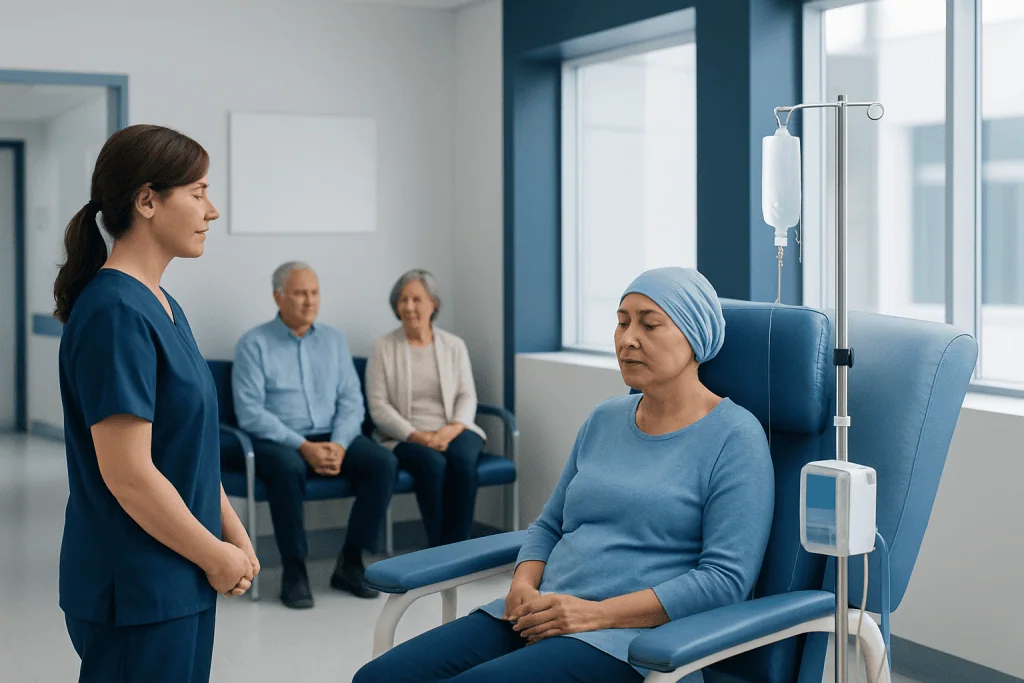
Side effects may begin during treatment, within hours, or several days after the first chemotherapy session. Fatigue, nausea, appetite changes, constipation or diarrhea, and temporary changes in taste are common but vary widely.
Key Takeaways
- Side effects may begin during treatment, within hours, or several days after the first chemotherapy session.
- Fatigue, nausea, appetite changes, constipation or diarrhea, and temporary changes in taste are common but vary widely.
- Preventive medicines, hydration, gentle activity and early communication with the oncology team can make symptoms more manageable.
- A fever or other signs of infection during chemotherapy require prompt medical advice because immune defenses may be reduced.
- The experience of the first and later chemotherapy cycles is not necessarily the same; the oncology team can adjust supportive care when needed.
1st chemo treatment side effects are different for every person and depend on the medicines, dose, cancer type and overall health. Many effects, such as tiredness, nausea, appetite changes or bowel changes, can be anticipated and managed with support from the oncology team.
Overview: What happens during a first chemotherapy treatment?
1st chemo treatment side effects can include tiredness, nausea, changes in appetite, altered taste, bowel changes and emotional stress, but many people have mild or manageable symptoms. The exact experience is difficult to predict because chemotherapy is not one single treatment: each regimen uses particular medicines, schedules and doses chosen for an individual cancer and treatment goal.
Chemotherapy uses medicines that travel through the bloodstream to damage or stop the growth of rapidly dividing cancer cells. Some healthy cells also divide quickly, including cells in the bone marrow, digestive tract, hair follicles and mouth lining. Effects on these cells explain why treatment can sometimes affect energy, blood counts, digestion, hair or the mouth.
Chemotherapy may be given before surgery, after surgery, alongside radiation therapy, or to control cancer that has spread. It can be administered through a vein, an implanted port, an injection, tablets or capsules, depending on the treatment plan. Chemotherapy treatment is carefully planned by a medical oncology team, with monitoring before and throughout each cycle.
The first session is also an opportunity to learn how the body responds. Patients should report symptoms honestly, even if they seem minor. This allows the oncology team to offer anti-sickness medicines, dietary guidance, skin or mouth care, blood tests and other supportive measures early.
Before treatment: candidacy, planning and preparation
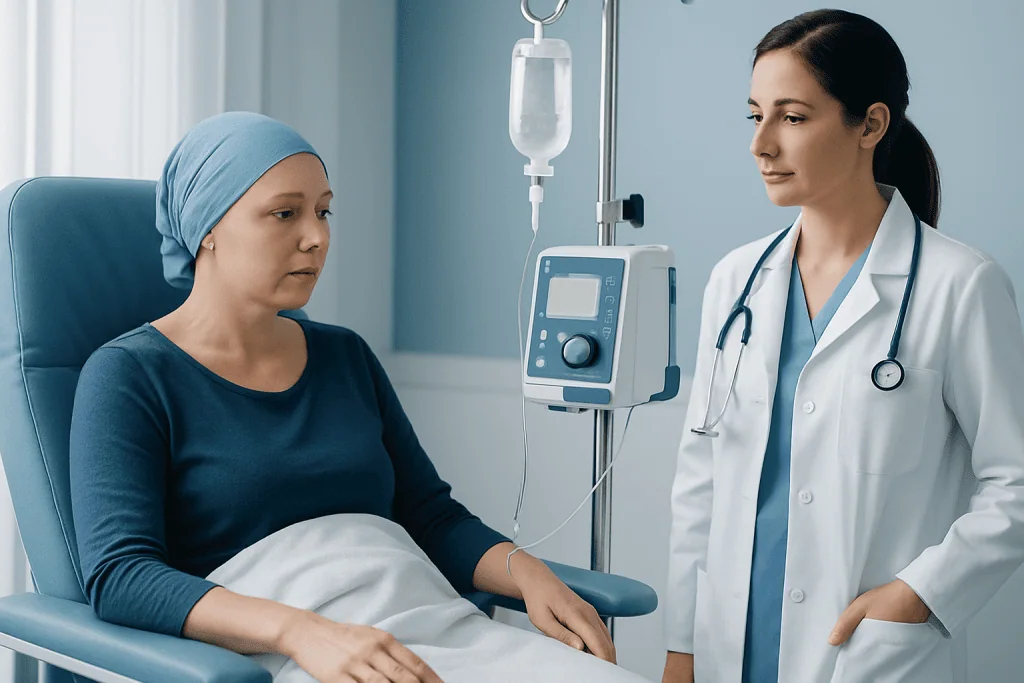
Before chemotherapy begins, the oncology team confirms that it is appropriate for the cancer type, stage and treatment aim. They consider pathology findings, imaging results, previous treatments, general health, kidney and liver function, heart health when relevant, current medicines and personal priorities. Chemotherapy may be used on its own or combined with surgery, radiotherapy, immunotherapy, targeted therapy or hormone treatment.
Blood tests are usually performed before treatment to check blood cell levels and organ function. Some medicines also require additional assessments, such as heart testing, pregnancy testing where relevant, or evaluation of nerve symptoms. The team will explain the expected benefits, possible short- and long-term risks, schedule and contact instructions.
Patients can prepare by arranging transport if they expect to receive sedating anti-nausea medication, planning easy meals, filling prescriptions before the appointment and identifying a family member or friend who can help if needed. It is important not to start vitamins, herbal products, supplements or over-the-counter medicines without discussing them with the oncology team, as some can interfere with treatment.
For people whose treatment may affect fertility, options for fertility preservation are ideally discussed before the first cycle. Anyone with dental problems, a persistent cough, urinary symptoms, wounds or possible infection should mention these before treatment starts.
Step by step: what to expect at the first chemo session
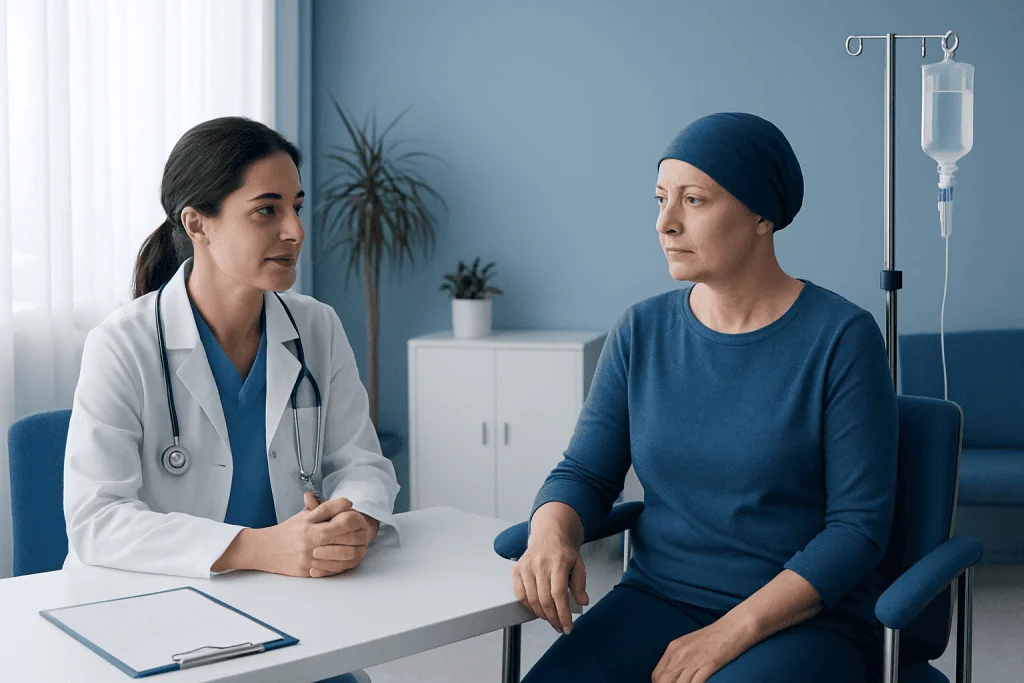
On the day of treatment, a nurse generally checks vital signs, reviews symptoms, confirms medicines and may take blood samples. The team verifies that blood counts and other results are suitable before proceeding. If results are outside the expected range or a person is unwell, treatment may be delayed or modified for safety.
For intravenous chemotherapy, a nurse may use a small cannula in the arm or access an implanted port. Medicines may be given as an infusion, injection or a combination of both. Preventive medicines for nausea, allergic reactions or other side effects are often given before chemotherapy. The first appointment may take longer than later visits because there is time for education, checks and observation.
During the infusion, the nurse monitors for immediate reactions. Patients should promptly report stinging, pain, swelling or leakage around the intravenous site; flushing, rash, itching, chest discomfort, shortness of breath, dizziness or feeling suddenly unwell. These symptoms do not always mean a severe reaction, but they need immediate assessment.
Before leaving, patients should receive written information about the medicines, likely symptoms, how to take prescribed supportive medicines and whom to call out of hours. They should also ask when their next blood test and treatment are scheduled, and whether there are specific food, activity or infection-prevention instructions for their regimen.
Common first-cycle side effects and a practical recovery timeline
Some side effects occur on the day of chemotherapy or within the first 24 hours. These can include sleepiness from pre-treatment medicines, a metallic or unusual taste, mild nausea, headache, flushing or fatigue. Not everyone has these effects, and modern anti-sickness medicines help many people prevent or reduce nausea and vomiting.
Over the next several days, tiredness may become more noticeable. Appetite, taste and bowel habits may change, and some people experience constipation or diarrhea. The timing varies by drug. For certain regimens, lowered white blood cell counts happen later in the cycle, often around one to two weeks after treatment, which can increase infection risk. Hair loss, if it occurs with a particular regimen, usually develops over subsequent weeks rather than immediately after the first infusion.
Recovery is also individual. Some people feel ready for usual light activities within a day or two, while others need more rest for several days. Keeping a simple symptom diary can help reveal patterns across a cycle, including nausea, sleep, temperature, bowel movements, fluid intake, pain and fatigue. This information helps the oncology team tailor supportive care before the next cycle.
- Take prescribed anti-nausea medicines exactly as directed, including preventive doses.
- Drink fluids regularly unless the clinical team has advised fluid restriction.
- Choose small, frequent meals and bland foods if nausea or appetite loss occurs.
- Balance rest with gentle movement, such as short walks, if safe and comfortable.
- Use a soft toothbrush and tell the team about mouth soreness, ulcers or swallowing problems.
Is the first day after chemo the worst?
Not necessarily. For some people, the first day after chemotherapy is the most tiring because of the treatment visit, anxiety, travel and medicines used during the infusion. Others feel relatively well that day and develop fatigue, nausea, bowel changes or other effects several days later.
The pattern depends mainly on the chemotherapy medicines and supportive treatment prescribed. Delayed nausea, for example, can occur after the first day with some regimens, while blood count changes often occur later in the cycle. The oncology team can explain the likely timing for the specific treatment plan.
It is helpful to keep the first few days after treatment as flexible as possible. Rest, hydration, prepared meals and a clear plan for contacting the care team can reduce stress. New or worsening symptoms should be reported rather than endured in silence, as effective symptom support is often available.
What should I bring to my first chemo session?
Comfort and practical preparation can make the first chemotherapy visit easier. Patients may wish to bring identification, insurance or administrative documents if requested, a current list of medicines and allergies, their treatment information, and a notebook or phone for questions and instructions. Bringing a trusted support person can be helpful when allowed by the treatment center.
Comfortable layers are useful because infusion areas may feel cool, and clothing should allow easy access to the arm or chest if a port is used. A water bottle, light snacks approved by the clinical team, entertainment such as headphones, reading material or a tablet, and a phone charger may also be useful for longer appointments.
People should avoid bringing food with strong odors if nausea is a concern or if the center has restrictions. It is wise to ask in advance about visitor policies, parking, expected appointment length, whether eating is permitted, and whether patients should arrange a ride home. If anxiety is significant, discussing it before the appointment can allow the team to offer appropriate support.
Is the first round of chemo the hardest? Is the second round as bad as the first?
The first round is not always the hardest physically, although it can feel emotionally demanding because everything is unfamiliar. It gives the patient and oncology team important information about side effects, practical needs and how well supportive medicines are working. Some people find later cycles easier because they know what to expect and have a routine in place.
However, some effects can build over repeated cycles. Fatigue may accumulate, and particular medicines may gradually cause changes such as numbness or tingling in the hands and feet, mouth soreness, skin or nail changes, or lower blood counts. Other people have a similar pattern after each cycle, with a few more difficult days followed by recovery before the next treatment.
The second round may therefore be milder, similar or more difficult than the first; there is no universal rule. Reporting symptoms before and between treatments is essential. The team may adjust nausea prevention, constipation management, pain support, scheduling or, when clinically appropriate, the treatment plan itself.
Cancer care may involve several specialties, depending on the diagnosis and treatment pathway. For example, people may receive radiotherapy or immunotherapy in addition to or instead of chemotherapy. The most suitable combination is determined by the treating oncology team.
When to seek medical care
Patients should follow the specific emergency instructions provided by their oncology team, as thresholds can differ by treatment regimen. In general, a temperature of 38°C (100.4°F) or higher during chemotherapy should be treated as urgent and reported immediately, unless the team has given different instructions. Fever can be the only early sign of infection when white blood cell levels are low.
Urgent medical advice is also needed for chills or shaking, shortness of breath, chest pain, confusion, severe weakness, fainting, uncontrolled vomiting, inability to keep fluids down, severe diarrhea, unusual bleeding or bruising, severe abdominal pain, or a rapidly worsening rash. Redness, pain, swelling or drainage around a port, catheter or intravenous site also needs prompt assessment.
Patients should contact the team about persistent nausea, constipation, diarrhea, painful mouth sores, new numbness or tingling, worsening pain, reduced urine output, or symptoms that interfere with eating, drinking, sleeping or daily activities. Early support can prevent dehydration, malnutrition and avoidable treatment delays.
Acibadem International’s multidisciplinary specialists and JCI-accredited hospitals support international patients receiving cancer treatment, including symptom monitoring and coordinated care. The treating oncology team remains the best source of individualized advice throughout chemotherapy.
Frequently asked questions
How soon do 1st chemo treatment side effects start?
Some effects can happen during the infusion or later that day, such as tiredness, mild nausea or changes in taste. Others appear after several days, and some, including reduced blood cell counts, may occur later in the treatment cycle. The timing depends on the medicines used.
Will everyone lose their hair after chemotherapy?
No. Hair loss depends on the specific chemotherapy medicines, dose and schedule. Some treatments cause thinning, while others may cause more noticeable hair loss or no hair loss. The oncology team can explain what is expected with the planned regimen.
Can a person work after the first chemotherapy treatment?
Some people can continue working, perhaps with adjustments to hours or duties, while others need time away from work. Energy levels and side effects vary between people and across treatment cycles. Discussing work demands with the oncology team can help create a realistic plan.
What foods are best after a first chemo session?
Small, frequent meals with adequate protein and fluids are often easier than large meals, especially if appetite is reduced or nausea occurs. Bland, cool or lightly seasoned foods may be more comfortable if taste changes develop. A dietitian or oncology team can provide guidance tailored to dietary needs and symptoms.
Is it safe to be around family after chemotherapy?
In most cases, it is safe to spend time with family and friends. However, people receiving chemotherapy may have a greater risk of infection when blood counts are low, so avoiding close contact with anyone who is ill is sensible. Careful hand hygiene and the oncology team’s specific precautions are important.
Why are blood tests needed before each chemotherapy cycle?
Blood tests help the oncology team check white blood cells, red blood cells, platelets, kidney function and liver function. These results help confirm that treatment can be given as safely as possible. They may also identify a need for additional monitoring, supportive treatment or a change in schedule.
References
- American Cancer Society
- National Cancer Institute
- American Society of Clinical Oncology
- Cancer Research UK
- European Society for Medical Oncology
This article is for general information only and is not a substitute for professional medical advice. Please consult a qualified doctor about your individual situation.
Persistent digestive symptoms? Get evaluated in Turkey
JCI-accredited · board-certified surgeons · reply within 24h
Add us as a Preferred Source to see more of our trusted health content across Google Search, AI Overviews and Discover.