Latest Treatment for Dry Eye Syndrome: How It Works, Results and What to Expect

Dry eye is a multifactorial condition, so the most appropriate treatment depends on its underlying cause and severity. Newer options include prescription anti-inflammatory drops, neurostimulation approaches, advanced eyelid-gland heat and expression treatments, and biologic tear substitutes for selected patients.
Key Takeaways
- Dry eye is a multifactorial condition, so the most appropriate treatment depends on its underlying cause and severity.
- Newer options include prescription anti-inflammatory drops, neurostimulation approaches, advanced eyelid-gland heat and expression treatments, and biologic tear substitutes for selected patients.
- Meibomian gland dysfunction is a common contributor to evaporative dry eye and may need targeted eyelid treatment in addition to lubricating drops.
- Most people improve with a tailored treatment plan, but chronic dry eye often requires ongoing management rather than a one-time cure.
- Sudden pain, marked redness, light sensitivity, reduced vision or discharge should be assessed promptly by an eye-care professional.
The latest treatment for dry eye syndrome focuses on identifying whether tears evaporate too quickly, are not produced in sufficient quantity, or both. Modern care can combine prescription anti-inflammatory treatment, therapies for blocked eyelid oil glands, tear conservation and practical changes that support the eye surface over time.
Overview: the latest treatment for dry eye syndrome
The latest treatment for dry eye syndrome is not a single procedure or medicine. It is a cause-based plan that may combine preservative-free lubricating drops, prescription medicines that reduce eye-surface inflammation, treatment for blocked eyelid oil glands, tear-conserving measures and lifestyle adjustments. An ophthalmologist selects options after assessing the tear film, eyelid glands and eye surface.
Dry eye syndrome occurs when the tears do not adequately protect and lubricate the eyes. Tears have watery, oily and mucus-containing components; disruption in any layer can cause burning, grittiness, fluctuating vision, redness, excessive watering or contact-lens discomfort. Symptoms can be persistent, but effective treatment often improves comfort and helps protect the corneal surface.
Many people have evaporative dry eye related to meibomian gland dysfunction, in which oil glands along the eyelid margins do not release enough healthy oil. Others have aqueous-deficient dry eye, where tear production is reduced, sometimes in association with medications, aging, hormonal changes or autoimmune disease. These patterns can overlap, which is why individualized evaluation matters.
How newer dry eye treatments work
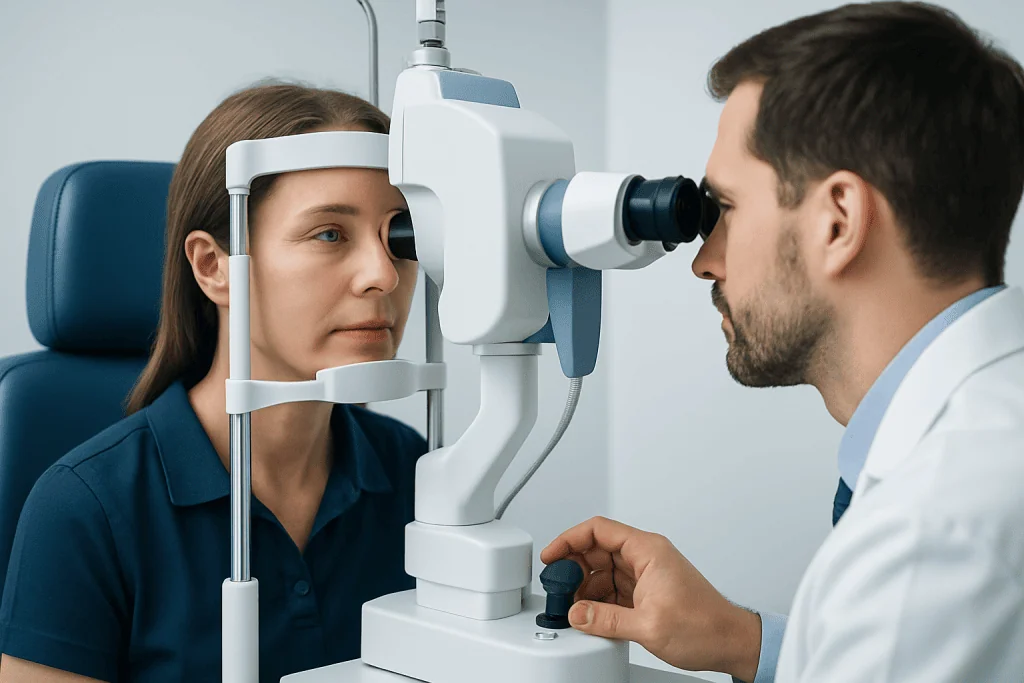
Modern dry eye management aims to restore a healthier tear film and interrupt the cycle of irritation and inflammation. Lubricating drops and gels temporarily supplement tears, while preservative-free products may be preferred when drops are needed frequently. Prescription eye drops can reduce inflammation on the eye surface or support natural tear production, although they may take several weeks or longer to provide their full benefit.
For evaporative dry eye, treatment may focus on the meibomian glands. In-office thermal therapies warm thickened gland secretions and may be followed by gentle expression of the glands. Some devices use controlled heat with pressure, while others use light-based approaches for carefully selected people with eyelid inflammation or facial rosacea. These options are intended to improve oil flow and slow tear evaporation; they are not appropriate for everyone.
Additional approaches may include punctal plugs to reduce tear drainage, moisture-chamber eyewear, short courses of clinician-supervised anti-inflammatory treatment, and autologous serum tears for certain severe cases. Nasal neurostimulation devices may help stimulate natural tearing in selected patients. The best option depends on examination findings, medical history, symptom burden and response to first-line care.
- Tear replacement: adds lubrication and protects the eye surface.
- Inflammation control: addresses inflammatory changes that can perpetuate symptoms.
- Eyelid-gland therapy: improves the oil layer in evaporative dry eye.
- Tear conservation: keeps available tears on the eye for longer.
What are the newest treatment options for dry eyes in 2026?

In 2026, newer dry eye care continues to emphasize precision rather than a universal “latest” therapy. Clinicians increasingly use detailed tear-film and eyelid-gland assessment to match treatment to the dominant problem. This may include prescription anti-inflammatory drops, tear-stimulating medicines, in-office meibomian gland heating and expression, light-based eyelid treatments where appropriate, and biologic tear preparations for difficult disease.
Drug-eluting punctal plugs, which slowly release an anti-inflammatory medicine while reducing tear drainage, may be considered in some settings. Other developing areas include improved imaging of meibomian glands, treatments directed at eyelid inflammation and research into regenerative and nerve-related therapies. Availability and regulatory approval vary by country, so an ophthalmologist can explain which options are established and accessible locally.
Newer does not automatically mean better for every person. A simple regimen of preservative-free artificial tears, warm compresses, lid hygiene and environmental changes can remain highly useful, particularly when symptoms are mild. Treatment is most successful when it addresses both day-to-day comfort and the factors driving tear-film instability.
Candidacy and what happens during an eyelid-gland procedure
People with symptoms of evaporative dry eye may be candidates for in-office meibomian gland treatment when examination shows blocked or poorly functioning glands. Symptoms can include burning, variable blurred vision, discomfort in wind or air conditioning, eyelid irritation and the feeling that drops help only briefly. Contact-lens intolerance and recurrent styes may also suggest eyelid-gland involvement, although they have other possible causes.
Before treatment, an eye specialist reviews symptoms, medications, contact-lens use, skin conditions and systemic illnesses. Testing may assess tear volume, tear breakup time, corneal staining, eyelid-margin health and gland structure. This evaluation also helps rule out infection, allergy, blepharitis and other eye conditions that may need different care.
A heat-and-expression procedure usually begins with cleaning the eyelids and placing a device or warm applicator over them. Controlled heat softens thickened oils inside the glands. Depending on the technique, gentle pressure may then be applied to help release the gland contents. The visit is generally outpatient, and patients can usually return home the same day.
The procedure is intended for gland dysfunction, not every form of dry eye. People with active eye infection, certain eyelid or skin disorders, recent eye surgery or specific medical circumstances may need treatment deferred or modified. A clinician can provide individualized guidance.
Benefits, risks and recovery timeline
Potential benefits of targeted dry eye treatment include less burning and grittiness, more stable vision, improved comfort with screens or contact lenses, and reduced reliance on lubricating drops. After eyelid-gland treatment, improvement may occur gradually as gland secretions become healthier and the tear film stabilizes. Some people need repeated treatment or continued home care because meibomian gland dysfunction is often chronic.
Following an in-office eyelid procedure, temporary warmth, redness, tenderness, blurred vision from lubricants or mild irritation can occur. Many people resume normal activities the same day, although they may be advised to avoid eye makeup, contact lenses or rubbing the eyes for a short period. The treating clinician provides the most appropriate aftercare instructions.
Risks depend on the treatment used. Prescription drops may cause temporary stinging, altered taste, eye redness or irritation. Punctal plugs can occasionally cause irritation, tearing, plug displacement or infection. Thermal, pressure-based or light-based treatments can cause temporary eyelid discomfort and, rarely, skin or eye-surface complications when not appropriately selected or performed.
Patients should not expect an immediate permanent cure. Follow-up is important to measure symptom changes, check the corneal surface and adjust the plan. A clinician may recommend maintaining regular lubricants, eyelid hygiene and environmental strategies even after an in-office treatment.
Does dry eye syndrome ever get better?
Yes. Dry eye syndrome often gets better when its causes are identified and treated consistently. Symptoms may improve substantially with a combination of tear support, inflammation control, eyelid-gland care and changes to triggers such as prolonged screen use, dry air, smoke or poorly fitting contact lenses.
For some people, dry eye is temporary, such as after a period of intensive visual work, exposure to dry environments or use of a medication that can be changed under medical supervision. For others, especially those with long-term meibomian gland dysfunction, autoimmune disease or age-related tear changes, it behaves more like a chronic condition that can be controlled rather than permanently eliminated.
Regular review helps ensure that persistent symptoms are not being caused by another issue. It is especially important to seek professional assessment before using redness-relieving drops frequently, as these do not treat the underlying tear-film problem and may worsen redness with repeated use.
What is the most successful treatment for dry eyes?
There is no single most successful treatment for dry eyes because dry eye syndrome has different causes. The most successful approach is the one matched to the individual pattern of disease: for example, treating eyelid-gland blockage in evaporative dry eye, reducing inflammation when inflammation is present, or supporting tear production and retention when tears are insufficient.
For mild symptoms, preservative-free artificial tears and practical self-care may be enough. For moderate or persistent symptoms, an ophthalmologist may add prescription therapy, punctal occlusion or in-office eyelid-gland treatment. Severe disease may require more specialized measures, such as serum tears or protective devices, alongside assessment for associated systemic conditions.
Success is usually measured by everyday function as well as eye findings: improved comfort, clearer and steadier vision, better tolerance of reading or screen work, and fewer flare-ups. Treatment may need adjustment over time rather than following a fixed sequence for everyone.
How to make dry eye syndrome go away and when to seek medical care
It may not always be possible to make chronic dry eye syndrome go away completely, but many people can reduce symptoms and protect eye health with a sustained plan. Helpful measures include using recommended lubricating drops, taking regular visual breaks, blinking fully during screen work, avoiding direct air from fans or car vents, using a humidifier in dry rooms and maintaining gentle eyelid hygiene when advised. Contact-lens wearers may need changes to their lens schedule, material or cleaning routine.
Dietary changes and omega-3 supplements are sometimes discussed, but evidence for supplements in dry eye is mixed. Anyone considering supplements should discuss them with a clinician, particularly if they take blood-thinning medicines or have a medical condition. It is also important not to stop prescribed medicines without consulting the clinician who manages them.
Medical care is advisable when symptoms persist despite basic measures, interfere with work or daily life, or occur with recurrent eyelid inflammation. Prompt assessment is needed for eye pain, significant light sensitivity, sudden or persistent vision change, injury, marked redness, discharge, or a sensation of something trapped in the eye. These symptoms can indicate a condition other than routine dry eye.
Acibadem International’s multidisciplinary eye specialists at JCI-accredited hospitals can assess and treat dry eye syndrome for international patients, with care tailored to eye-surface and eyelid-gland findings.
Frequently asked questions
Can artificial tears cure dry eye syndrome?
Artificial tears can relieve symptoms and protect the eye surface, but they do not always address the underlying cause of dry eye. They are often one part of a broader plan that may include eyelid care, prescription treatment or changes to environmental triggers. An eye specialist can advise which type is most appropriate.
How long do prescription dry eye drops take to work?
The timing varies by medicine and by the cause and severity of dry eye. Some people notice early symptom changes within weeks, while the full anti-inflammatory benefit may take several weeks to months. Continued use as prescribed and follow-up with an eye-care professional are important.
Are meibomian gland treatments painful?
Most in-office treatments are designed to be tolerable and may involve warmth, pressure or temporary eyelid discomfort. The exact sensation depends on the device and the health of the eyelids. The treating clinician can explain preparation, comfort measures and expected aftercare.
Can screen time cause dry eyes?
Screen use can contribute to dry eye symptoms because people often blink less completely and less often while concentrating. Taking regular breaks, consciously blinking and positioning screens below eye level may help. Persistent symptoms still deserve an eye examination, especially if vision fluctuates.
Can dry eye cause blurry vision?
Yes. An unstable tear film can make vision fluctuate, particularly during reading, driving or screen work, and blinking may briefly improve it. However, new, sudden or ongoing blurred vision should be assessed promptly because it can have causes beyond dry eye.
Should contact lens wearers with dry eye see an ophthalmologist?
Yes, especially if lenses become uncomfortable, vision changes, redness develops or symptoms persist despite lubricating drops. An ophthalmologist or optometrist can evaluate the eye surface and advise on lens material, wearing time, hygiene and dry eye treatment. Contact lenses should be removed if there is significant pain, redness or reduced vision until professional advice is obtained.
References
- American Academy of Ophthalmology
- Tear Film and Ocular Surface Society
- National Eye Institute
- Mayo Clinic
This article is for general information only and is not a substitute for professional medical advice. Please consult a qualified doctor about your individual situation.
Explore treatments in Turkey — costs, top hospitals & a free quote
JCI-accredited · board-certified surgeons · reply within 24h
Add us as a Preferred Source to see more of our trusted health content across Google Search, AI Overviews and Discover.

More from the Health Library



Related Specialists

Dt. Tubahan Kaya
Oral & Dental Health
Dr. Edip Yılmaz
Orthopedic Surgery & Traumatology
Assoc. Prof. Dr. Fatma Ölmez
Gynecology & Obstetrics
Dr. Faruk Batur
Inpatient Clinic Physicians