Are You Awake During Laser Eye Surgery: Procedure, Recovery and Results
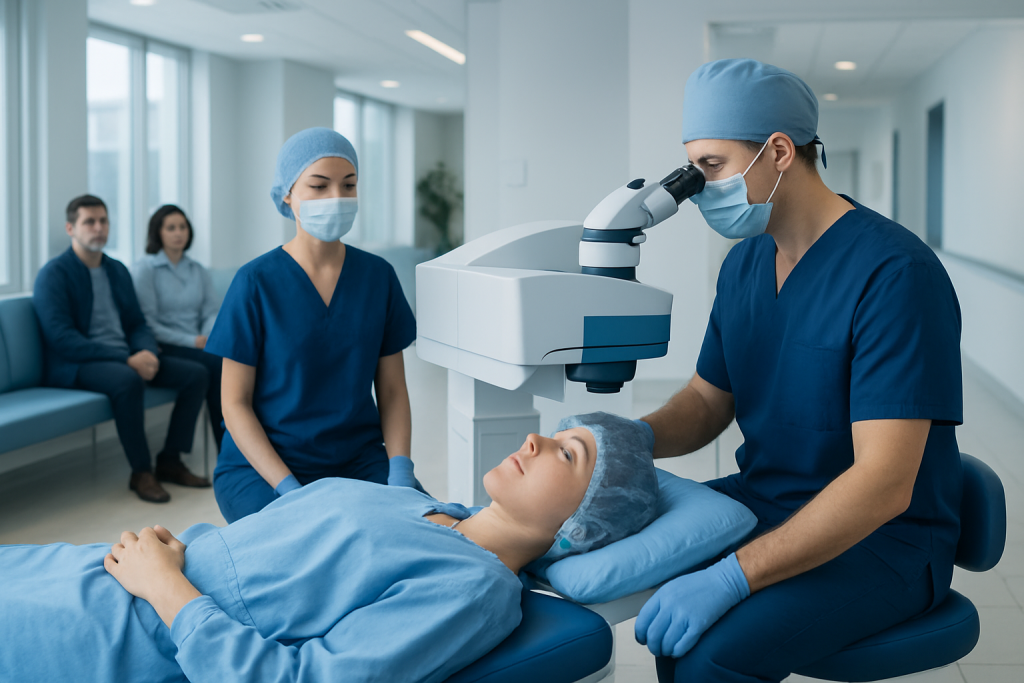
Laser eye surgery is usually performed while the patient is awake, using numbing eye drops rather than general anesthesia. A lid holder and suction device help keep the eye steady; patients do not need to worry about blinking at the wrong moment.
Key Takeaways
- Laser eye surgery is usually performed while the patient is awake, using numbing eye drops rather than general anesthesia.
- A lid holder and suction device help keep the eye steady; patients do not need to worry about blinking at the wrong moment.
- Many people return to routine, non-strenuous activities within one or two days, but healing and vision stabilization take longer.
- Not everyone is a suitable candidate; corneal thickness, prescription stability, dry eye and overall eye health matter.
- Temporary dryness, glare and fluctuating vision can occur during recovery, while serious complications are uncommon but possible.
Most people are awake during laser eye surgery, including LASIK, because anesthetic eye drops numb the surface of the eye. The procedure is typically brief, and the care team explains each step while monitoring comfort, vision and safety.
Are You Awake During Laser Eye Surgery?
Yes. During most laser vision correction procedures, including LASIK, patients are awake. The eye is numbed with anesthetic drops, so the procedure should not be painful, although there may be a feeling of pressure or awareness that the eye is being touched.
General anesthesia is not usually needed because the treatment is short and requires patients to look toward a fixation light for brief periods. A surgeon and trained team provide calm guidance throughout. Some people who are very anxious may be offered medicine to help them relax, but this is decided individually and requires planning for safe travel home afterward.
Laser eye surgery is a group of procedures designed to reduce dependence on glasses or contact lenses by reshaping the cornea, the clear front surface of the eye. The most suitable technique depends on the person’s prescription, corneal measurements, eye health, work and lifestyle needs.
How Laser Eye Surgery Works and Who May Be Suitable
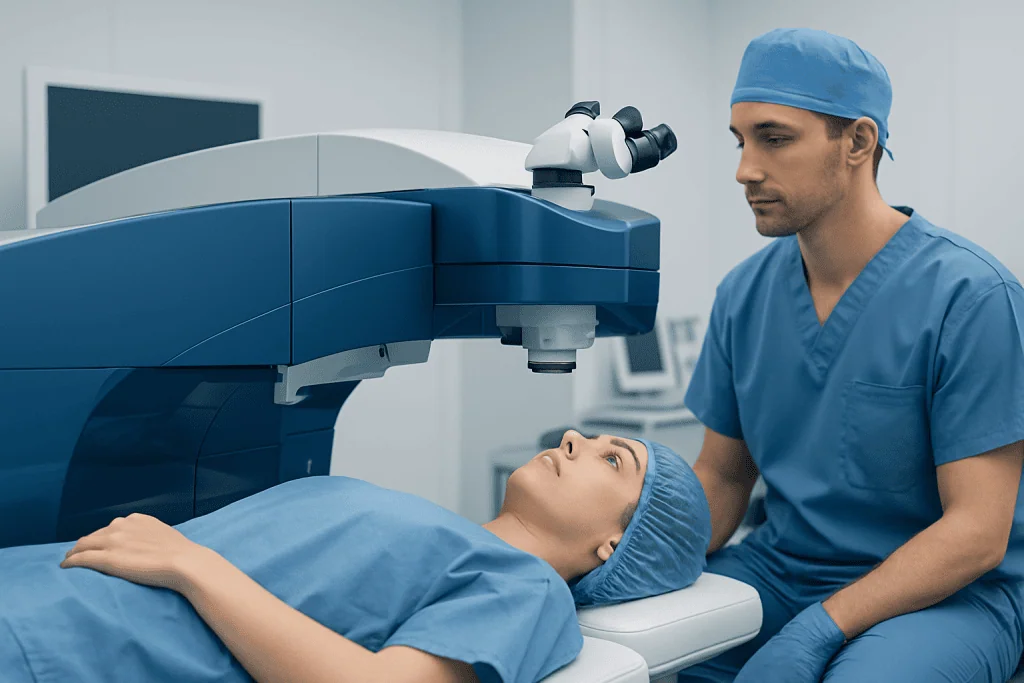
For clear vision, light must focus precisely on the retina at the back of the eye. Nearsightedness, farsightedness and astigmatism occur when the eye’s optical system does not focus light in the ideal position. Excimer lasers can reshape corneal tissue with great precision, changing the way light enters the eye.
LASIK commonly involves creating a thin corneal flap, reshaping tissue beneath it with a laser, and repositioning the flap. Surface laser procedures, such as PRK, reshape the cornea after the surface cell layer is moved or removed; these procedures generally have a longer early recovery. Other options may be considered for people whose eyes are not appropriate for corneal laser treatment.
A preoperative assessment is essential. It generally includes a detailed prescription check, corneal mapping and thickness measurements, tear-film assessment, pupil evaluation and a dilated eye examination. Candidates are usually adults with a stable prescription and healthy corneas. Pregnancy, breastfeeding, significant dry eye, keratoconus, certain corneal disorders, uncontrolled diabetes, autoimmune disease or some eye conditions may affect timing or suitability. A comprehensive laser eye surgery assessment helps an ophthalmologist recommend the safest approach.
What Happens Step by Step During the Procedure

Before treatment, the eye is cleaned and numbing drops are applied. The patient lies comfortably beneath the laser. A small device gently holds the eyelids open, so blinking does not interrupt the procedure. The team explains where to look and what sensations to expect.
For LASIK, a suction ring briefly stabilizes the eye while the surgeon creates the corneal flap. This stage can cause pressure and temporary dimming of vision, but it should not cause sharp pain. The patient then looks at a target light while the laser reshapes the cornea. Modern systems track small eye movements and can pause if needed.
The laser treatment itself often lasts only seconds for each eye, although preparation and positioning take longer. The flap is then returned to place without stitches. Protective shields may be provided for sleeping, and someone else should drive the patient home. The surgeon gives individualized instructions about eye drops, activity and follow-up visits.
Recovery Timeline, Vision Changes and Everyday Care
After LASIK, vision may be hazy or fluctuate on the day of surgery. Many people notice useful improvement by the next day, but the speed of recovery varies with the procedure, prescription and eye surface health. Surface procedures can involve more discomfort during the first few days and may take weeks to deliver clearer functional vision.
Dryness, light sensitivity, glare, halos around lights and variable sharpness are common in the early healing period. These symptoms often improve as the cornea and tear film recover. Follow-up appointments are important because they allow the ophthalmologist to check healing, vision and eye pressure, and to adjust aftercare when necessary.
Patients should use prescribed drops exactly as directed, avoid rubbing the eyes, and protect the eyes from dust, water exposure and accidental contact during early healing. Sunglasses can improve comfort outdoors. Contact the clinic before restarting contact sports, swimming, eye makeup or other activities that might expose the eyes to impact, irritation or infection.
Laser refractive surgery corrects focusing errors but does not prevent age-related changes in vision. In particular, most people eventually develop presbyopia, the gradual need for reading correction that commonly occurs from midlife onward. Regular eye examinations remain important for detecting conditions such as cataract, glaucoma and retinal disease.
How Many Days Rest Is Required After Laser Eye Surgery?
Most patients are advised to rest for the remainder of the procedure day. After LASIK, many can return to desk-based work and gentle daily activities within one or two days, provided their vision is comfortable and their ophthalmologist agrees. People should arrange time away from driving, detailed screen work or safety-sensitive duties if vision remains blurry, dry or light-sensitive.
The required recovery time is often longer after surface laser procedures such as PRK. The first several days may be more uncomfortable, and work return may need to be delayed until the corneal surface has healed and vision is sufficiently functional. The surgeon’s instructions take priority because recovery varies between individuals.
Physical rest does not necessarily mean staying in bed. It means protecting the eyes, getting adequate sleep and avoiding activities that increase the risk of rubbing, injury, sweat, dirt or water entering the eyes. Follow-up assessments help determine when normal exercise, work and driving can safely resume.
Do You Get 20/20 Vision After Laser Eye Surgery?
Laser eye surgery can provide excellent uncorrected distance vision for many suitable patients, and some achieve 20/20 vision or better. However, 20/20 vision cannot be guaranteed. Results depend on the original prescription, corneal shape, healing response, age, eye health and the presence of other vision conditions.
Some people still need glasses for particular tasks, such as night driving, detailed distance work or reading. Reading glasses are common as people age, including in those who previously had successful laser correction for distance vision. In selected cases, an enhancement procedure may be discussed after healing is complete, but it is not appropriate or necessary for everyone.
The aim of treatment is to reduce reliance on corrective lenses while maintaining eye health and quality of vision. A surgeon should discuss realistic expected outcomes, possible residual prescription and alternatives before surgery. Patients with lens-related changes or cataracts may require a different treatment pathway, such as cataract assessment, rather than corneal laser surgery.
What Shouldn't You Do After Laser Eye Surgery?
During the early recovery period, patients should not rub or press on their eyes. This is especially important after LASIK because the corneal flap needs time to settle securely. If itching or irritation occurs, prescribed lubricating drops and advice from the eye team are safer than touching the eye.
Patients should avoid getting untreated water, soap, shampoo, dust or smoke in the eyes. Swimming pools, hot tubs, saunas and natural bodies of water are usually avoided for a period advised by the surgeon because they may increase irritation or infection risk. Eye makeup, creams close to the lash line and contact sports should also be postponed until clearance is given.
Driving should be avoided until vision is clear enough to meet legal requirements and the person feels comfortable, particularly in low light. Patients should not skip follow-up visits or stop prescribed drops early. They should also avoid using non-prescribed eye drops unless an ophthalmologist confirms they are appropriate.
- Do not rub the eyes or remove protective shields early.
- Do not swim or use hot tubs until the surgeon advises it is safe.
- Do not return to impact sports without eye protection and clinical clearance.
- Do not ignore worsening pain, declining vision or increasing redness.
How Painful Is Laser Eye Surgery Recovery?
With numbing drops, LASIK itself is usually painless. Once the drops wear off, people may experience burning, watering, grittiness or a sensation similar to having an eyelash in the eye for several hours. Light sensitivity and tired eyes are also common on the first day.
Recovery discomfort differs by technique. LASIK often causes relatively mild, short-lived discomfort, while surface procedures may cause more noticeable pain, tearing and sensitivity for several days as the corneal surface heals. The care team may recommend prescription or non-prescription comfort measures that are suitable for the individual; patients should not self-treat with eye drops or medicines without guidance.
Severe or increasing pain is not expected and needs prompt clinical advice. Although uncommon, complications can include infection, inflammation, delayed healing, persistent dry eye, glare, halos, undercorrection or overcorrection, and rarely a significant reduction in best-corrected vision. Careful screening, adherence to aftercare and timely review of symptoms support safer recovery.
When to Seek Medical Care
Patients should contact their eye surgeon urgently if they develop worsening or severe pain, a sudden decrease in vision, marked redness, increasing discharge, new flashes of light, a curtain-like shadow in vision, or an injury to the eye. These symptoms do not always indicate a serious complication, but they require timely assessment rather than waiting for the next planned visit.
It is also sensible to contact the clinic if dryness, glare or blurred vision is interfering significantly with daily activities or does not improve as expected. The ophthalmology team can check for treatable causes and advise on eye lubrication, healing and return to normal activities.
Acibadem International’s multidisciplinary specialists and JCI-accredited hospitals evaluate and treat eye conditions for international patients, including people considering laser vision correction. An individualized consultation can clarify candidacy, procedure choices, expected recovery and the need for continuing eye care.
Frequently asked questions
Are you awake during laser eye surgery?
Yes. Most laser eye surgery is performed while the patient is awake, with anesthetic eye drops used to numb the eye. A team member provides instructions throughout, and a device keeps the eyelids open so blinking does not interfere with treatment.
Can you blink during laser eye surgery?
The eyelids are gently held open during the procedure, so patients do not need to worry about blinking. Laser systems also use fixation targets and eye-tracking technology to support accurate treatment.
How long does laser eye surgery take?
The laser portion is often only seconds to minutes per eye, depending on the procedure and prescription. The full visit is longer because it includes preparation, positioning, treatment checks and recovery instructions.
How many days rest is required after laser eye surgery?
After LASIK, many people rest on the day of surgery and resume light routine activities within one or two days. Surface laser procedures often need a longer early recovery, and the surgeon should advise when work, driving and exercise are safe.
Do you get 20/20 vision after laser eye surgery?
Some people achieve 20/20 vision or better, but this outcome cannot be guaranteed. Vision results depend on the prescription, corneal characteristics, healing, age and other aspects of eye health.
What shouldn't you do after laser eye surgery?
Avoid rubbing the eyes, swimming, hot tubs, eye makeup and contact sports until the surgeon says it is safe. Patients should use prescribed drops, attend follow-up visits and avoid driving until their vision is clear and they meet local legal requirements.
How painful is laser eye surgery recovery?
LASIK recovery usually involves mild, temporary burning, grittiness, tearing or light sensitivity after numbing drops wear off. Surface laser procedures may cause more discomfort for several days, while severe or worsening pain should be reviewed promptly by an eye specialist.
References
- American Academy of Ophthalmology
- U.S. Food and Drug Administration
- National Eye Institute
- Royal College of Ophthalmologists
This article is for general information only and is not a substitute for professional medical advice. Please consult a qualified doctor about your individual situation.
Eye Surgery in Turkey — costs, top hospitals & a free quote
JCI-accredited · board-certified surgeons · reply within 24h
Add us as a Preferred Source to see more of our trusted health content across Google Search, AI Overviews and Discover.

Ophthalmology
Comprehensive eye care from laser vision correction to retina, cornea and cataract surgery.
75 specialists in this unit