How Long Does Rabies Injection Last: How It Works, Results and What to Expect
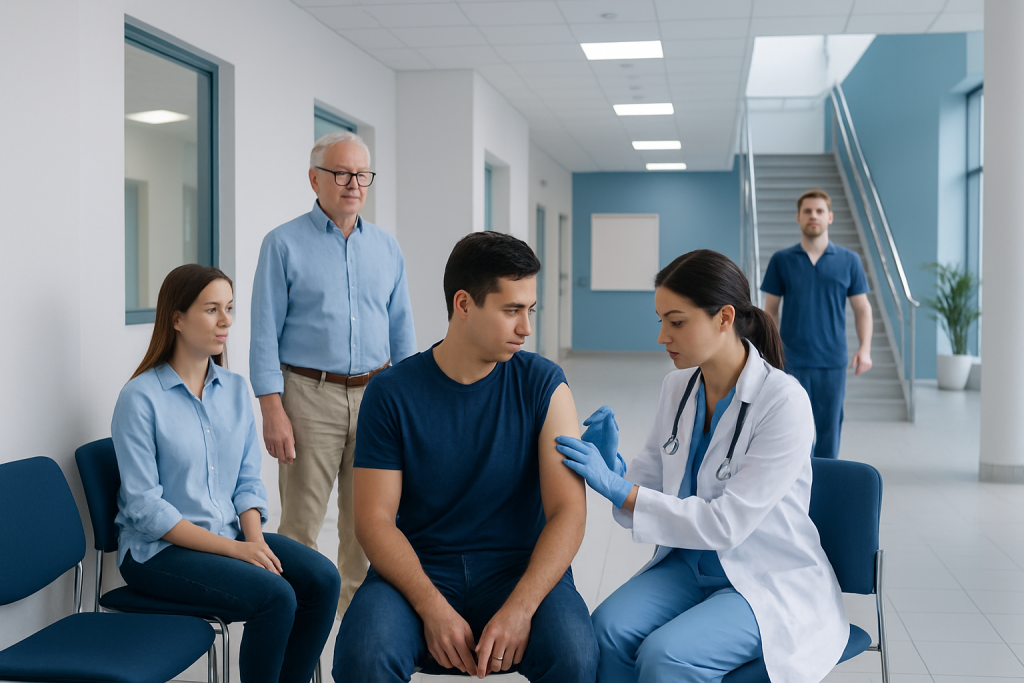
Rabies vaccine is used before exposure for people at ongoing risk and after exposure as an emergency prevention treatment. After a possible exposure, wound cleaning and medical assessment should happen as soon as possible; do not wait for symptoms.
Key Takeaways
- Rabies vaccine is used before exposure for people at ongoing risk and after exposure as an emergency prevention treatment.
- After a possible exposure, wound cleaning and medical assessment should happen as soon as possible; do not wait for symptoms.
- People previously vaccinated usually need fewer post-exposure vaccine doses and do not receive rabies immune globulin.
- Pre-exposure protection may require antibody testing or booster doses for people with continuing occupational or travel-related risk.
- Rabies is almost always preventable after exposure when recommended care is started promptly and completed.
Rabies vaccination provides long-lasting immune memory, but the protection needed after a possible exposure depends on prompt, correctly completed post-exposure treatment rather than a single fixed number of years. Anyone bitten, scratched, or licked on broken skin by a potentially rabid animal should seek urgent medical advice, even if the exposure happened several days ago.
Overview: How Long Does Rabies Injection Last?
How long does rabies injection last? Rabies vaccination creates immune memory that can last for years, but there is no single duration that applies to every person or situation. People who remain at ongoing risk may need periodic antibody checks or booster doses, while people exposed to a potentially rabid animal need prompt post-exposure treatment regardless of how long ago a previous vaccine was given.
Rabies is a viral infection spread mainly through saliva from an infected mammal, usually through a bite. Scratches, or saliva contacting broken skin or the eyes, nose, or mouth, can also be relevant exposures. Once symptoms begin, rabies is very difficult to treat, which is why prevention after a possible exposure is so important.
The term “rabies injection” may refer to rabies vaccine, rabies immune globulin, or both. Vaccine teaches the immune system to recognize the virus. Rabies immune globulin provides immediate temporary antibodies for people who have not previously been vaccinated and have a significant exposure.
How Rabies Vaccination Works
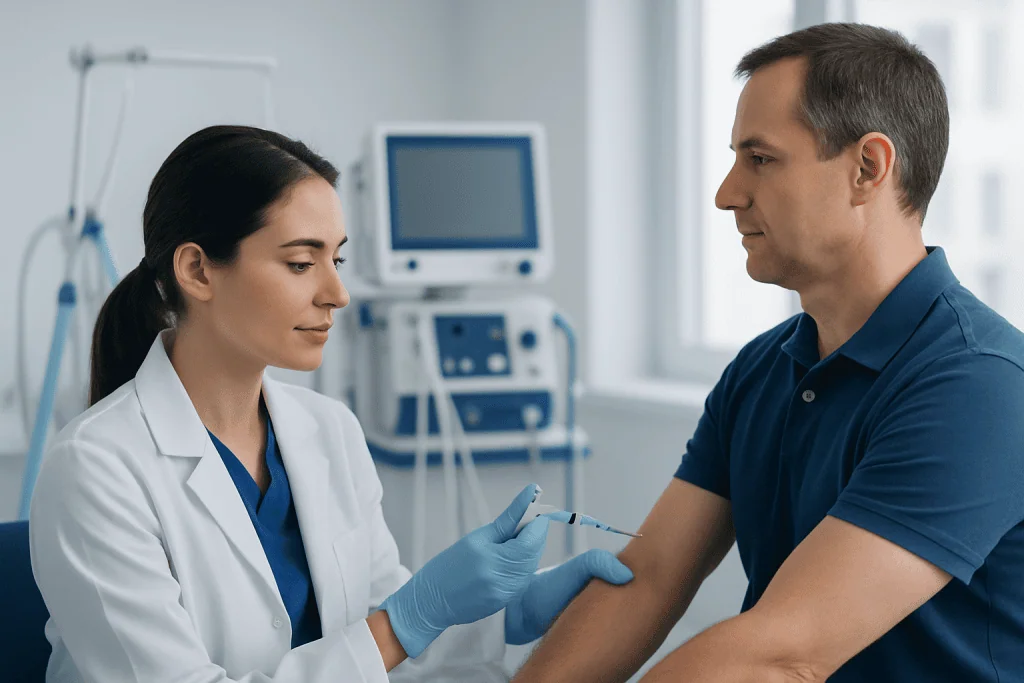
Rabies vaccine does not contain live rabies virus and cannot cause rabies. It stimulates the body to make antibodies and develop immune memory. This response takes time, so vaccine is given in a planned series after an exposure rather than as one injection.
For an unvaccinated person with a possible exposure, clinicians usually provide thorough wound care, rabies immune globulin when indicated, and a series of rabies vaccine doses. Immune globulin is placed into and around the wound where feasible, with any remaining amount injected elsewhere. It offers immediate protection while the vaccine-induced immune response develops.
For someone vaccinated against rabies in the past, post-exposure care usually includes wound care and vaccine doses on a shorter schedule. Rabies immune globulin is not used in this situation because their immune system has already been primed to respond.
Vaccination plans can differ for people with immune suppression, certain complex wounds, or uncertain vaccination records. A clinician or public health authority can assess the animal involved, the type of contact, local rabies risk, and the person’s health history.
Who May Need Rabies Vaccination?

Rabies vaccine may be given before exposure, called pre-exposure prophylaxis, to people whose work or activities create a higher likelihood of contact with rabies. This can include some veterinarians, animal handlers, laboratory workers, wildlife professionals, and travelers who may have difficulty accessing prompt medical care after an animal bite.
Post-exposure prophylaxis is considered after a bite, scratch, or saliva exposure from an animal that may have rabies. Dogs, cats, bats, foxes, raccoons, skunks, monkeys, and other mammals can be involved depending on the region. Birds, reptiles, fish, and insects do not transmit rabies.
Whether treatment is needed is not determined only by the appearance of the animal. A healthy domestic animal may be observed in some settings, while an unobservable stray or wild animal may lead clinicians to recommend treatment. Bat contact deserves particular attention because bites can be small and not always noticed.
Pregnancy, breastfeeding, infancy, and older age are generally not reasons to withhold recommended post-exposure rabies care. The medical team will tailor the plan and may seek specialist or public health guidance when a person has a weakened immune system or a history of a serious vaccine reaction.
What Happens During Rabies Post-Exposure Treatment?
The first step is immediate first aid. The affected area should be washed thoroughly with soap and running water for about 15 minutes if possible. An antiseptic may be used if available, but cleaning should not delay urgent medical assessment. Deep, facial, hand, or heavily contaminated wounds may also need additional wound treatment, antibiotics, tetanus assessment, or repair.
At the clinic or emergency service, a clinician asks about the animal, location, type of contact, previous rabies vaccines, and medical history. They examine the wound and determine whether rabies post-exposure prophylaxis is advised. Public health teams may help guide decisions, especially if the animal can be tested or observed.
People who have not previously received rabies vaccine commonly receive rabies immune globulin on the first treatment day, if indicated, plus a vaccine series given on scheduled days. Those previously vaccinated usually receive vaccine on two scheduled days without immune globulin. It is important to attend each appointment exactly as advised.
Most injections are given in the upper arm in adults and older children. In young children, the thigh may be used. Rabies vaccine should not be injected into the buttock because this can reduce the reliability of the immune response.
How Long Does It Take for a Rabies Vaccine to Be Effective?
After the first dose, the immune system begins building a response, but protective vaccine antibodies do not appear immediately. This is why people who have not previously been vaccinated may also receive rabies immune globulin after a qualifying exposure: it supplies ready-made antibodies during the early period before the vaccine response is fully established.
For post-exposure care, protection relies on receiving the appropriate combination of wound cleaning, immune globulin when needed, and all recommended vaccine doses. The vaccine series is designed to create a reliable immune response before the virus can reach the nervous system, which is usually a slow process but can vary according to the location and severity of the exposure.
People vaccinated before exposure already have immune memory. If they are later exposed, the booster doses given after exposure prompt a faster immune response. Even then, they should not assume they are fully protected without medical assessment after a potential rabies contact.
There is no safe way to judge vaccine effectiveness by how a person feels. Completing the prescribed schedule and discussing any missed doses, immune-suppressing medicines, or concerns with the treating clinician are the most dependable ways to support protection.
Can I Still Get Rabies if IM Vaccinated?
Rabies vaccine given intramuscularly is highly effective when the correct product, dose schedule, and injection site are used. However, no medical intervention should be viewed as a reason to ignore a potential exposure. A person who has previously received intramuscular rabies vaccination should still seek medical advice after any bite, scratch, or possible saliva exposure from a potentially rabid mammal.
For previously vaccinated people, clinicians usually recommend prompt wound washing and a shorter post-exposure vaccine schedule. They do not usually give rabies immune globulin. This approach refreshes immune protection and accounts for differences in the timing of the prior vaccination and the individual response.
Rare problems with protection may occur if doses were not completed, vaccine was stored or administered improperly, the injection was given in an unsuitable location, or the person has significant immune suppression. Healthcare teams can review records and may recommend antibody testing or modified follow-up in selected circumstances.
How Many Years Is a Rabies Shot Good for in Humans?
A completed pre-exposure rabies vaccine series can produce immune memory for years, but it is not treated as permanent, universal protection for every future exposure. The need for a booster or antibody test depends mainly on whether a person has continuing risk of contact with rabies and the type of activities they perform.
People with sustained occupational risk may follow a risk-based plan that includes periodic antibody testing, a one-time booster, or other follow-up recommended by local guidance. In contrast, a traveler who had pre-exposure vaccination years earlier may not need routine boosters if they no longer have an ongoing exposure risk.
Importantly, prior vaccination changes the post-exposure treatment plan but does not eliminate the need for it. After a new possible exposure, a healthcare professional can verify the previous course and advise on the appropriate vaccine doses.
Vaccination records should be kept where possible, especially for people who work with animals or travel frequently. If records are unavailable, clinicians can make a safe decision based on the circumstances and applicable public health recommendations.
Is 7 Days Too Late for Rabies Vaccine After a Bite Exposure?
No. Seven days is not automatically too late to begin rabies post-exposure treatment. A person should seek urgent medical care as soon as they recognize a potential exposure, even if several days have passed. Treatment can still be beneficial before symptoms begin, and clinicians will assess the exposure without delay.
There should be no intentional waiting period after a possible rabies exposure. Early wound washing and prompt treatment are preferred because rabies prevention is most reliable when started quickly. However, delaying care because it is no longer the same day can be more dangerous than seeking assessment late.
If rabies immune globulin is indicated for a person who has not previously been vaccinated, it is generally given at the start of post-exposure treatment. It may still be given within a limited early window after the first vaccine dose; the treating team will determine whether it remains appropriate.
A person should not wait for the animal to become ill, for laboratory results if these are not promptly available, or for symptoms to develop before asking for medical advice. Local public health authorities can also help determine whether rabies treatment is recommended.
Recovery, Side Effects, Benefits and When to Seek Medical Care
Most people can return to usual activities after rabies injections. Common effects include pain, redness, swelling, itching, or firmness at the injection site, as well as headache, fatigue, muscle aches, nausea, or a mild fever. These reactions are usually temporary and should not lead a person to stop the series without first speaking to a clinician.
The main benefit of timely post-exposure treatment is prevention of rabies after a concerning animal contact. Serious allergic reactions are uncommon, but urgent care is needed for breathing difficulty, facial or throat swelling, widespread hives, severe dizziness, or fainting after an injection. The care team should also be contacted for severe or worsening symptoms, or if a scheduled dose is missed.
Medical care should be sought immediately after any bite or scratch from a potentially rabid mammal, a bat encounter where a bite cannot be ruled out, or saliva exposure to the eyes, mouth, or broken skin. Urgent assessment is particularly important for wounds on the head, face, neck, hands, or fingers, and for young children who may not be able to describe an animal encounter clearly.
Acibadem International’s multidisciplinary specialists and JCI-accredited hospitals can assess animal exposures and coordinate appropriate rabies prevention care for international patients. For any possible exposure, the priority is prompt evaluation by a qualified healthcare professional or local public health service.
Frequently asked questions
How long does rabies injection last after a bite?
After a bite or other possible exposure, protection comes from completing the recommended post-exposure regimen, not from relying on a fixed number of years. The vaccine creates immune memory, but future exposures still require medical assessment because the appropriate follow-up depends on whether the person was previously vaccinated.
Do I need rabies vaccine if the wound is small?
Even a small scratch or bite can require assessment if it was caused by a potentially rabid mammal. The animal type, location, ability to observe or test the animal, and whether saliva contacted broken skin or mucous membranes all affect the recommendation.
Can rabies vaccine be given during pregnancy?
Recommended rabies post-exposure treatment is generally given during pregnancy because preventing rabies is the priority. A clinician should review the individual situation, but pregnancy should not delay urgent assessment after a possible exposure.
What if I miss a rabies vaccine appointment?
A missed appointment should be discussed with the treating clinic as soon as possible. In many cases, the schedule can be adjusted rather than restarted, but the appropriate plan depends on the timing and the person’s medical circumstances.
Does washing an animal bite remove the need for rabies vaccine?
Thorough washing is an essential first-aid step and can reduce risk, but it does not replace medical assessment. A clinician will decide whether rabies vaccine and, when appropriate, rabies immune globulin are needed.
Can I get rabies from a dog that looks healthy?
An animal’s appearance alone cannot reliably rule out rabies risk. In some places, healthy dogs or cats can be observed under public health guidance, but a healthcare professional should assess the exposure promptly and advise whether treatment should begin.
References
- World Health Organization
- Centers for Disease Control and Prevention
- European Centre for Disease Prevention and Control
- UK Health Security Agency
- World Organisation for Animal Health
This article is for general information only and is not a substitute for professional medical advice. Please consult a qualified doctor about your individual situation.
Rabies in Turkey — costs, top hospitals & a free quote
JCI-accredited · board-certified surgeons · reply within 24h
Add us as a Preferred Source to see more of our trusted health content across Google Search, AI Overviews and Discover.