New Lung Cancer Treatment: How It Works, Results and What to Expect

Modern lung cancer care often combines surgery, radiation, systemic treatment and supportive care. Targeted therapies and immunotherapies may be options when testing shows that they are appropriate.
Key Takeaways
- Modern lung cancer care often combines surgery, radiation, systemic treatment and supportive care.
- Targeted therapies and immunotherapies may be options when testing shows that they are appropriate.
- There is no single newest or best treatment for every person; treatment is individualized by a multidisciplinary team.
- Treatment can often begin within weeks of diagnosis after staging and biomarker testing are complete.
- Earlier-stage lung cancer may be treated with curative intent, while advanced disease can often be controlled for meaningful periods with modern therapies.
New lung cancer treatment approaches increasingly use molecular testing and immune-based medicines to tailor care to each person’s cancer. The most suitable plan depends on the lung cancer type, stage, genetic changes, overall health and personal treatment goals.
New Lung Cancer Treatment: An Overview
New lung cancer treatment is increasingly based on precision medicine: doctors study the cancer’s type, stage and molecular features, then select treatments that are most likely to help. For many people, this may involve immunotherapy, targeted therapy, surgery, radiation therapy, chemotherapy or a carefully planned combination of these options.
Lung cancer is broadly divided into non-small cell lung cancer (NSCLC), which is the more common group, and small cell lung cancer (SCLC). These types behave differently and are treated differently. Within NSCLC, adenocarcinoma, squamous cell carcinoma and large cell carcinoma may each require a distinct diagnostic and treatment approach.
Newer treatments do not replace established treatments in every situation. Surgery and radiation remain especially important for many earlier-stage cancers, while systemic medicines given through an infusion or as tablets can be central for locally advanced or metastatic disease. A treatment plan should be reviewed with an oncology team that includes medical, radiation and surgical specialists.
How New Lung Cancer Treatments Work
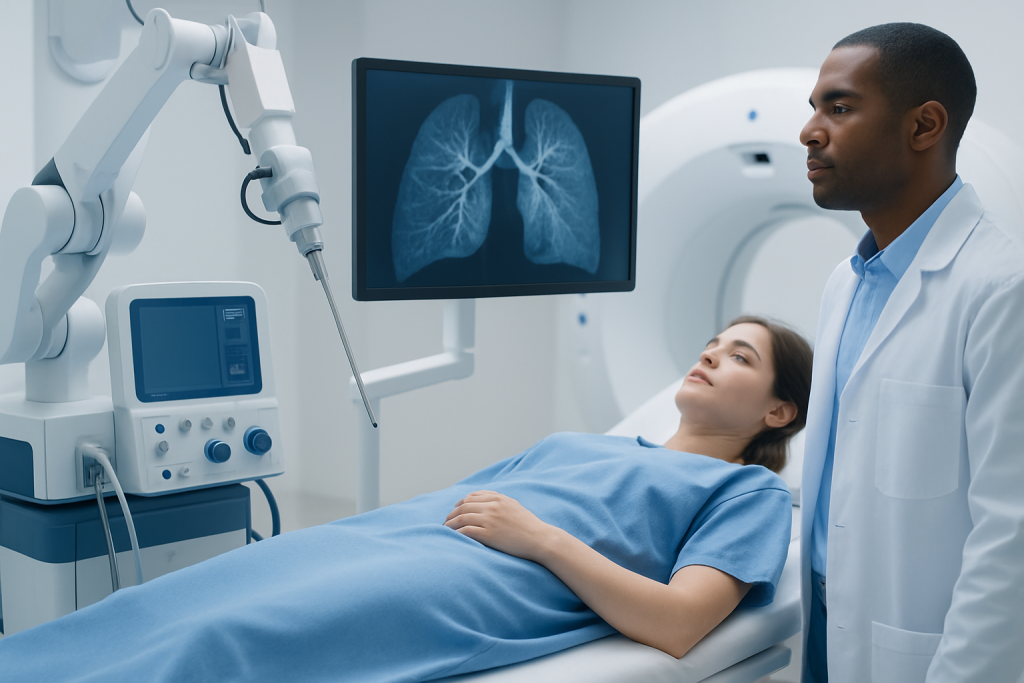
Precision treatment starts with pathology and biomarker testing. A tissue sample from a biopsy, and sometimes a blood-based test known as a liquid biopsy, can identify gene changes and proteins that influence treatment choices. Examples include changes involving EGFR, ALK, ROS1, BRAF, MET, RET, NTRK, KRAS and HER2, as well as PD-L1 protein expression.
Targeted therapies are medicines designed to block specific abnormal signals that help cancer cells grow. When a cancer has a targetable gene alteration, a targeted medicine may shrink or control the cancer effectively. These medicines are usually taken by mouth, although the exact treatment depends on the molecular result and the person’s overall clinical situation.
Immunotherapy helps the immune system recognize and respond to cancer cells. Immune checkpoint inhibitors are commonly used alone or together with chemotherapy in selected people, especially in NSCLC. Some people receive immunotherapy before surgery, after surgery, with chemoradiation or for advanced cancer, depending on stage and tumor testing.
Other advances include more precise radiation planning, minimally invasive surgical techniques, antibody-drug conjugates and clinical trials evaluating new drug combinations. These approaches are selected according to evidence, availability and whether they fit the individual cancer profile.
What Is the Newest Breakthrough in Lung Cancer Treatment?
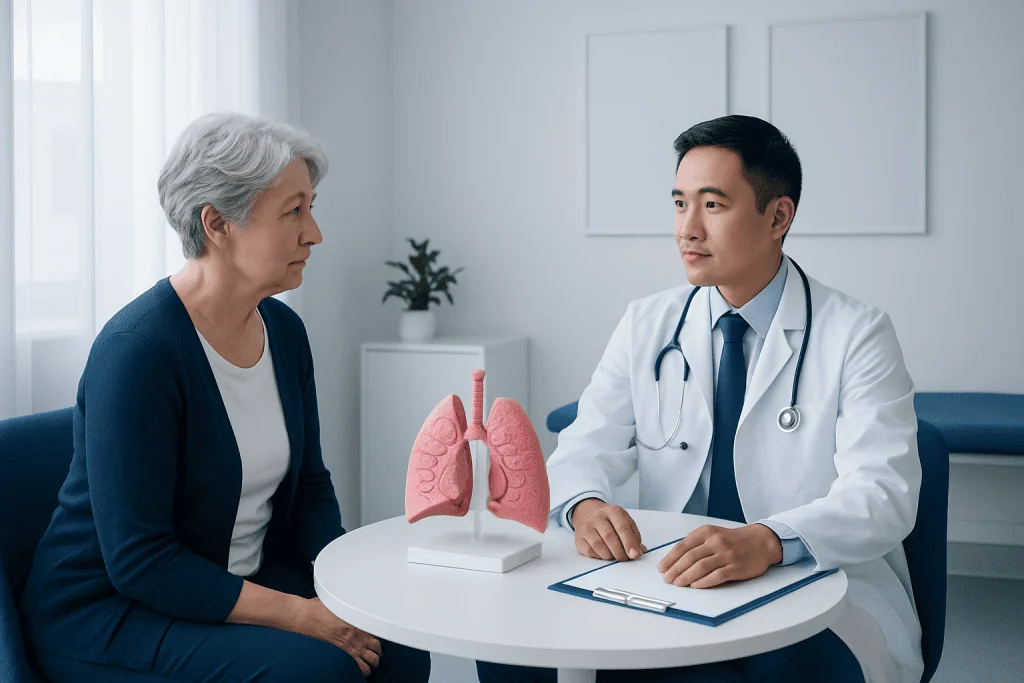
There is not one single breakthrough that applies to every lung cancer. A major recent advance is the use of comprehensive biomarker testing to guide treatment, allowing doctors to match some tumors with targeted medicines or immunotherapy rather than relying on a one-size-fits-all approach.
Another important development is the use of immunotherapy and targeted therapy at earlier stages of some non-small cell lung cancers. In carefully selected patients, these treatments may be used before or after surgery, or after chemoradiation, to reduce the chance of the cancer returning.
New drugs and combinations continue to be studied in clinical trials. A trial may be appropriate for some patients, particularly when standard options have not worked, a rare molecular change is present, or a promising new therapy is being evaluated. Participation is voluntary, and the care team can explain potential benefits, uncertainties and practical requirements.
Candidacy and the Steps Before Treatment
Before recommending a new lung cancer treatment, doctors determine the cancer’s exact type and stage. This commonly involves imaging such as CT, PET-CT and brain imaging when clinically indicated, along with biopsy results. Lung function tests, blood tests and an assessment of other health conditions help determine whether surgery, radiation or systemic treatment can be given safely.
For most people with non-small cell lung cancer that is advanced, recurrent or being considered for systemic therapy, broad molecular profiling is especially important. Testing may take time because enough tissue must be available and specialized laboratory analysis is needed. When tissue is limited, another biopsy or a liquid biopsy may be considered.
The treatment pathway commonly follows these steps:
- Confirmation of the diagnosis through pathology.
- Staging to determine where the cancer is located and whether it has spread.
- Biomarker and PD-L1 testing when appropriate.
- Review by a multidisciplinary cancer team.
- Discussion of treatment aims, expected effects, possible side effects and personal preferences.
- Planned monitoring with appointments, blood tests and imaging.
Care may also address symptoms such as breathlessness, cough, pain, fatigue, appetite changes or emotional stress from the beginning. Supportive and palliative care can be provided alongside cancer-directed treatment at any stage and is focused on comfort, function and quality of life.
What Is the Average Time From Lung Cancer Diagnosis to Treatment?
The time from diagnosis to treatment varies because doctors need to complete staging, review pathology and obtain molecular test results before choosing the safest and most effective option. For many people, treatment begins within several weeks of a confirmed diagnosis, but the timeline can be shorter or longer depending on symptoms, cancer stage, test availability and the treatment being planned.
Starting quickly is important, but starting with complete information is also important. For example, beginning treatment before biomarker results are available may not be ideal for a person whose cancer could respond better to a specific targeted therapy. The oncology team balances urgency with the need for accurate diagnosis and thoughtful planning.
If symptoms are severe, such as significant airway blockage, fluid around the lung, bleeding or rapidly worsening breathlessness, doctors may provide urgent supportive procedures or radiation while the full treatment plan is being finalized. Patients should ask their team what tests are still needed and when they can expect a treatment recommendation.
Treatment Options, Benefits and Possible Risks
Surgery may remove an early-stage tumor and nearby lymph nodes when a person’s lung function and general health allow it. Depending on the location and size of the tumor, surgery may involve removing a segment, lobe or, less commonly, an entire lung. Minimally invasive approaches may be possible for selected tumors, but the best surgical method is individualized.
Radiation therapy uses focused energy to damage cancer cells. It may be used instead of surgery in certain early-stage cases, with chemotherapy for locally advanced disease, or to relieve symptoms from cancer that has spread. Modern planning aims to limit exposure to healthy tissues, but side effects can include tiredness, skin irritation, cough, swallowing discomfort or inflammation of lung tissue.
Chemotherapy attacks rapidly dividing cells and may be combined with immunotherapy, radiation or surgery. Targeted therapy and immunotherapy may offer substantial benefit in the right setting, but they also have possible side effects. Targeted therapies can cause skin changes, diarrhea, liver test abnormalities or other treatment-specific effects; immunotherapy can cause inflammation in organs such as the lungs, bowel, liver, skin or thyroid.
Patients should report new or worsening symptoms promptly, particularly fever, chest pain, increasing shortness of breath, persistent diarrhea, severe rash or unusual weakness. Many side effects can be managed with early review, treatment adjustments and supportive medication. The aim is to preserve safety and quality of life while treating the cancer.
What Is the Most Promising Treatment for Lung Cancer?
The most promising treatment is the one matched to the individual cancer. For an early-stage tumor, surgery or focused radiation may offer the best chance of long-term control. For tumors with specific molecular changes, targeted therapy can be particularly valuable. For other cancers, immunotherapy alone or with chemotherapy may be an important option.
In locally advanced disease, combined treatment such as chemotherapy with radiation followed by immunotherapy may be recommended for eligible patients. In extensive-stage small cell lung cancer, chemotherapy combined with immunotherapy is commonly used in appropriate cases, while radiation may be used for selected sites or symptoms.
No treatment can be described as best without knowing the pathology, stage, biomarker findings and person’s health status. Asking whether molecular testing has been completed, whether a clinical trial is suitable and what the treatment goal is can help people participate actively in shared decision-making. Related information about lung cancer may help patients understand the diagnosis and care pathway.
Recovery, Follow-Up and When to Seek Medical Care
Recovery depends on the treatment received. After lung surgery, hospital recovery may include pain control, breathing exercises, walking and monitoring for complications. Energy levels can improve gradually over weeks to months. After radiation, tiredness and chest or swallowing symptoms may develop during treatment or shortly afterward, while systemic therapy often follows a schedule of visits, tests and scans to monitor response and side effects.
Follow-up appointments are an essential part of care. Doctors use symptom reviews, physical examinations, blood tests and imaging to assess treatment response, look for recurrence when relevant and manage late effects. Stopping smoking, avoiding secondhand smoke, maintaining nourishing meals, staying as active as safely possible and accepting emotional support can all support overall well-being.
Medical care should be sought promptly for new or worsening shortness of breath, coughing up blood, chest pain, a high fever, confusion, severe weakness, sudden swelling of the face or neck, or symptoms that feel urgent. During cancer treatment, patients should also contact their oncology team promptly for possible treatment side effects rather than waiting for the next appointment.
Acibadem International’s multidisciplinary specialists and JCI-accredited hospitals diagnose and treat lung cancer for international patients, with treatment plans developed from pathology, staging and biomarker findings. Patients considering advanced systemic options can discuss medical oncology treatment and supportive care with a qualified cancer team.
Frequently asked questions
What is the newest breakthrough in lung cancer treatment?
The most important recent advance is precision treatment guided by comprehensive biomarker testing. This can identify tumors that may respond to a targeted therapy or help determine whether immunotherapy is appropriate. New medicines and combinations are also being evaluated through clinical trials.
What is the average time from lung cancer diagnosis to treatment?
Many people begin treatment within several weeks after diagnosis, once staging and necessary laboratory testing are complete. The exact timing varies with the cancer type, symptoms, need for biomarker testing and chosen treatment. The oncology team should explain the expected timeline and any reasons for delay.
What is the most promising treatment for lung cancer?
There is no single most promising treatment for every lung cancer. Surgery or radiation may be most appropriate for early disease, while targeted therapy, immunotherapy, chemotherapy or combinations may be recommended for more advanced disease. The best option depends on stage, pathology, biomarkers and overall health.
What is the success rate of treating lung cancer?
Outcomes vary widely, so one overall success rate cannot accurately describe lung cancer treatment. Earlier-stage cancers generally have a greater chance of long-term control or cure than cancers that have spread. Advances in surgery, radiation, targeted treatment and immunotherapy have improved options for many people, including those with advanced disease.
Does every person with lung cancer need biomarker testing?
Biomarker testing is particularly important for many people with non-small cell lung cancer, especially when the cancer is advanced, recurrent or being considered for systemic treatment. It can identify gene alterations and PD-L1 expression that guide therapy choices. The treating oncologist can advise which tests are appropriate for the specific cancer type and stage.
Can immunotherapy cure lung cancer?
Immunotherapy can produce long-lasting responses for some people, but it does not cure every lung cancer. In certain earlier-stage settings, it may be used as part of treatment intended to reduce recurrence risk. In advanced disease, it may help control cancer and prolong life for selected patients.
References
- National Cancer Institute
- American Cancer Society
- European Society for Medical Oncology
- National Comprehensive Cancer Network
- World Health Organization
This article is for general information only and is not a substitute for professional medical advice. Please consult a qualified doctor about your individual situation.
Lung Cancer in Turkey — costs, top hospitals & a free quote
JCI-accredited · board-certified surgeons · reply within 24h
Add us as a Preferred Source to see more of our trusted health content across Google Search, AI Overviews and Discover.
Check your numbers in seconds
BMI, calories, due date, blood pressure and 30+ more clinical calculators — free, instant, doctor-reviewed ranges.

Medical Oncology Department
Medical treatment of cancer with chemotherapy, immunotherapy and targeted therapies under a multidisciplinary tumor board.
60 specialists in this unit