Cancer Womb Treatment: How It Works, Results and What to Expect

Cancer of the womb most often starts in the lining of the uterus and is also called endometrial cancer. Treatment commonly involves surgery, with radiation and systemic therapies used when indicated.
Key Takeaways
- Cancer of the womb most often starts in the lining of the uterus and is also called endometrial cancer.
- Treatment commonly involves surgery, with radiation and systemic therapies used when indicated.
- Pathology and molecular testing help the team estimate risk and select suitable treatment options.
- Advanced or recurrent uterine cancer can often still be treated to control disease and symptoms.
- New or unusual vaginal bleeding after menopause should be assessed promptly.
Cancer womb treatment is individualized according to the cancer’s type, stage, grade, molecular features, overall health and personal priorities. Surgery is often the main treatment for disease confined to the uterus, while radiation, medicines and supportive care may be used before or after surgery or for advanced cancer.
Cancer womb treatment: how it works
Cancer womb treatment refers to care for cancer that begins in the uterus, commonly called uterine or endometrial cancer. The treatment plan aims to remove or destroy cancer, reduce the chance of recurrence and maintain quality of life. In many people with early-stage disease, surgery is the main treatment and may be the only treatment needed.
The plan is based on more than stage alone. Specialists consider the cancer subtype, grade, depth of invasion into the uterine muscle, lymph node findings, imaging results and molecular features of the tumor. Age, other health conditions, fertility wishes and personal treatment goals are also important.
Care is usually coordinated by a gynecologic oncologist alongside radiation oncologists, medical oncologists, pathologists, radiologists, specialist nurses and supportive-care professionals. This multidisciplinary approach helps ensure that treatment addresses both the cancer and the person’s day-to-day needs.
Who may be a candidate for each treatment?
Most people who are medically fit for an operation are considered for surgery when uterine cancer appears limited to the uterus or nearby tissues. The operation typically removes the uterus and cervix, and often the fallopian tubes and ovaries. Lymph node assessment, commonly with sentinel lymph node mapping, may be performed to help determine whether cancer has spread.
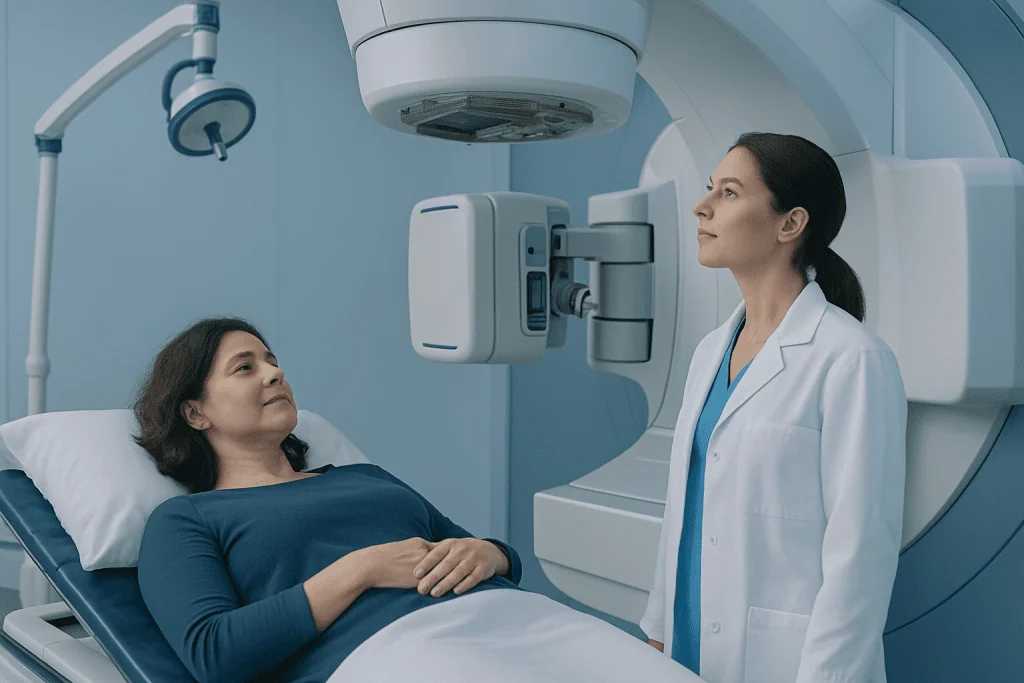
Radiation therapy may be recommended after surgery when pathology suggests a higher chance of cancer returning in the pelvis or vagina. It can also be used as the main local treatment for people who cannot safely undergo surgery. External-beam radiation treats a broader pelvic area, while vaginal brachytherapy delivers radiation close to the top of the vagina.
Chemotherapy, hormone therapy, targeted medicines and immunotherapy are more often considered for high-risk, advanced, recurrent or certain aggressive uterine cancer subtypes. Some tumors are tested for mismatch repair deficiency, microsatellite instability and other molecular changes, as these results may influence medicine choices.
For people hoping to preserve fertility, carefully selected early, low-grade endometrial cancers may sometimes be managed temporarily with progestin-based treatment and close monitoring. This is a specialist decision, and hysterectomy is generally recommended after childbearing is complete because cancer can persist or recur.
What happens during treatment?

Before treatment begins, the team usually confirms the diagnosis with an endometrial biopsy or curettage and assesses the extent of disease using imaging when needed. Blood tests, anesthesia assessment and discussion of medical history help prepare for surgery or other therapies. The team explains the expected benefits, alternatives and possible side effects before consent is obtained.
Surgery may be performed through minimally invasive keyhole techniques or an open abdominal incision, depending on the cancer and individual circumstances. During the procedure, the surgeon removes the planned tissues and may identify and sample sentinel lymph nodes. Final pathology from the operation provides the most accurate information about stage and risk.
When radiation is part of care, planning scans are used to shape treatment precisely and protect nearby organs as much as possible. Chemotherapy, immunotherapy or targeted treatment is delivered in cycles or at scheduled intervals, with regular reviews to monitor blood counts, symptoms and response.
After surgery, pathology results are reviewed at a multidisciplinary meeting. The team then discusses whether observation, vaginal brachytherapy, pelvic radiation, systemic treatment or a combination is most appropriate. Uterine cancer treatment is planned individually rather than following a single pathway for every patient.
Benefits, risks and recovery timeline
The potential benefit of treatment is cancer control or cure when the disease is localized. Surgery also gives detailed staging information that guides further care. Adjuvant radiation or medicine treatment may lower recurrence risk for some higher-risk cancers, while treatment for advanced disease may shrink or slow cancer and relieve symptoms.
Recovery after minimally invasive hysterectomy is often faster than after open surgery, but the timeline varies. Many people need several weeks to regain comfortable energy and resume normal activities; open surgery may require a longer recovery. The surgical team gives individualized guidance about activity, driving, sexual activity, wound care and returning to work.
Possible surgical risks include bleeding, infection, blood clots, injury to nearby organs, wound problems and changes in bladder or bowel function. Removing the ovaries before natural menopause causes immediate menopause. Radiation can cause tiredness, diarrhea, bladder irritation, vaginal dryness or narrowing, while systemic treatments can cause fatigue, nausea, low blood counts, nerve symptoms or immune-related side effects depending on the medicine used.
Follow-up appointments are important for recovery, management of long-term effects and surveillance for recurrence. New symptoms should be reported rather than waiting for the next scheduled visit. Rehabilitation, sexual health support, menopause care, nutrition advice and psychological support can be valuable parts of recovery.
Where does womb cancer spread to?
Womb cancer can spread locally through the uterine muscle and into the cervix, ovaries, fallopian tubes, vagina or tissues around the uterus. Cancer cells may also travel through lymphatic channels to pelvic or para-aortic lymph nodes. This is why lymph node assessment and imaging can be important in staging.
In more advanced disease, uterine cancer may spread to the lining of the abdomen (peritoneum), lungs, liver or bones. The pattern depends on the cancer subtype and its biology; for example, some high-grade types are more likely to spread beyond the uterus than low-grade endometrioid cancers.
Symptoms such as persistent pelvic or abdominal pain, unexplained weight loss, ongoing cough, increasing abdominal swelling or new bone pain should be discussed with the treating team. These symptoms can have many causes, but prompt assessment allows appropriate tests and symptom support when needed.
What to expect with stage 4 uterine cancer?
Stage 4 uterine cancer means the cancer has spread to the bladder or bowel lining, distant lymph nodes, the abdomen outside the pelvis, or organs such as the lungs or liver. Treatment is still individualized, and the aims may include controlling cancer growth, extending life, easing symptoms and preserving everyday function.
Systemic treatment is commonly central to care and may include chemotherapy, immunotherapy, targeted therapy or hormone therapy, depending on tumor features and previous treatment. Surgery or radiation may also have a role for selected people, such as treating a limited area of disease, preventing or relieving bleeding, pain or blockage, or removing disease when this can be done safely.
Response and outlook vary widely. Regular scans, clinical reviews and laboratory testing help the team understand whether treatment is working and whether it should be adjusted. Early palliative care is supportive care alongside cancer treatment; it can help manage symptoms, emotional concerns and practical needs at any stage.
Acibadem International’s multidisciplinary specialists and JCI-accredited hospitals provide diagnosis and treatment planning for international patients with uterine cancer, including advanced disease.
What foods should I avoid if I have uterine cancer?
There is no proven diet that can cure uterine cancer, and most people do not need to eliminate specific foods solely because of the diagnosis. A practical goal is to maintain strength, hydration and enough protein and calories during treatment. Individual needs may change with surgery, radiation, chemotherapy, appetite changes, diabetes or bowel symptoms.
It is sensible to limit alcohol and highly processed foods, and to avoid unpasteurized products, raw or undercooked eggs, meat or seafood when the immune system is weakened during treatment. Food safety is especially important if blood counts are low. A doctor or dietitian can advise on precautions appropriate to the treatment plan.
During pelvic radiation or diarrhea, some people temporarily tolerate lower-fiber foods, less greasy food and fewer spicy foods more comfortably. Conversely, constipation may improve with fluids, fiber and gentle activity when medically appropriate. Supplements and herbal products should be discussed with the oncology team because some can interact with treatment.
A dietitian with oncology experience can tailor advice around symptoms, cultural food preferences and weight changes. The priority is a sustainable eating pattern rather than restrictive rules that make adequate nutrition harder.
What is the life expectancy for clear cell endometrial cancer?
Clear cell endometrial cancer is an uncommon, high-grade subtype that can behave more aggressively than many low-grade endometrioid cancers. It is not possible to give a reliable life-expectancy figure for one person from the subtype alone. Prognosis is affected by stage at diagnosis, how completely visible cancer can be removed, lymph node or distant spread, molecular findings, response to treatment and general health.
When clear cell cancer is found early and treated promptly, long-term control may be possible. Because it is considered higher risk, clinicians often recommend careful staging and may discuss additional treatment after surgery even when the cancer appears confined to the uterus. Advanced or recurrent disease may require systemic treatment and close follow-up.
The treating oncologist is the best source of personalized outlook information because they can interpret the full pathology report and treatment response. Asking about the cancer stage, treatment goals, molecular test results and what follow-up will involve can help patients and families understand the plan.
When to seek medical care
Any vaginal bleeding after menopause should be evaluated by a clinician, even if it is light or happens only once. Before menopause, unusually heavy periods, bleeding between periods, bleeding after sex or a persistent watery or blood-stained vaginal discharge also deserve medical assessment.
People already diagnosed with uterine cancer should contact their care team about heavy bleeding, fever, worsening abdominal or pelvic pain, shortness of breath, chest pain, a swollen painful leg, inability to keep fluids down or severe treatment side effects. Urgent symptoms may require emergency care.
Regular follow-up is also important after treatment, as recurrence can sometimes be detected through symptoms, examination and selected tests. Patients should feel comfortable raising concerns about fatigue, mood, intimacy, bladder or bowel changes, pain or menopause symptoms during follow-up visits.
Frequently asked questions
Is surgery always needed for cancer of the womb?
Surgery is the main treatment for many people with uterine cancer, particularly when it is limited to the uterus. However, it may not be suitable for everyone because of medical conditions, extent of disease or personal circumstances. Radiation or systemic treatments may be used instead of, before or after surgery.
Can uterine cancer be cured?
Many uterine cancers diagnosed at an early stage can be treated successfully, often with surgery. The chance of cure depends on the cancer type, stage, grade and other pathology findings. Even when cancer is advanced, treatment can help control it and manage symptoms.
How long does recovery take after a hysterectomy for uterine cancer?
Recovery differs based on the type of operation, overall health and whether complications occur. Recovery after minimally invasive surgery is often shorter than after an open abdominal procedure, but fatigue can last several weeks. The surgical team should provide specific activity and wound-care guidance.
Will treatment for uterine cancer cause menopause?
Removal of both ovaries causes immediate menopause in people who have not already reached menopause. Some cancer treatments can also affect ovarian function. Menopause symptoms can be managed with individualized advice, but hormone treatments should only be considered with the oncology team.
What follow-up is needed after uterine cancer treatment?
Follow-up commonly includes a review of symptoms and physical examination at intervals recommended by the oncology team. Tests or imaging are usually arranged when symptoms, examination findings or cancer risk indicate they are needed. Patients should report new bleeding, pelvic pain, persistent cough or unexplained weight loss promptly.
Can diet or supplements prevent uterine cancer from returning?
No specific food, supplement or alternative therapy has been proven to prevent recurrence. A balanced eating pattern, physical activity as tolerated, healthy weight support and avoiding tobacco are beneficial for general health. Supplements should be checked with the cancer team because they may interact with treatment.
References
- National Cancer Institute
- American Cancer Society
- National Comprehensive Cancer Network
- European Society for Medical Oncology
- World Health Organization
This article is for general information only and is not a substitute for professional medical advice. Please consult a qualified doctor about your individual situation.
Oncology care in Turkey — second opinion and treatment plan
JCI-accredited · board-certified surgeons · reply within 24h
Add us as a Preferred Source to see more of our trusted health content across Google Search, AI Overviews and Discover.