Sleep Apnea: Symptoms, Health Risks, and Treatment Options

Loud snoring, witnessed pauses in breathing, morning headaches, and daytime sleepiness can be signs of sleep apnea. Obstructive sleep apnea is the most common type and occurs when the upper airway repeatedly narrows or collapses during sleep.
Key Takeaways
- Loud snoring, witnessed pauses in breathing, morning headaches, and daytime sleepiness can be signs of sleep apnea.
- Obstructive sleep apnea is the most common type and occurs when the upper airway repeatedly narrows or collapses during sleep.
- Untreated sleep apnea may contribute to high blood pressure, heart rhythm problems, cardiovascular disease, and impaired concentration.
- Diagnosis usually involves a sleep study performed at home or in a sleep laboratory, depending on symptoms and medical history.
- Treatment may include lifestyle changes, CPAP therapy, oral appliances, positional therapy, or selected surgical procedures.
Sleep apnea is a common sleep-related breathing disorder in which breathing repeatedly slows or stops during sleep. Recognizing symptoms and choosing the right treatment can improve sleep quality, daytime energy, and long-term health.
Overview
Sleep apnea is a condition in which breathing is repeatedly interrupted during sleep. These breathing pauses may last only seconds, but they can happen many times overnight. Each episode may briefly reduce oxygen levels and cause the brain to partially wake the person so breathing can restart. Because these awakenings are often very short, many people do not remember them in the morning.
The most common form is obstructive sleep apnea, often called OSA. It happens when the muscles and soft tissues at the back of the throat relax too much during sleep, narrowing or blocking the upper airway. Less commonly, central sleep apnea occurs when the brain does not send regular signals to the breathing muscles. Some people have a combination of obstructive and central features.
Sleep apnea can affect adults and children. It is not simply heavy snoring or poor sleep. When untreated, it may influence daytime alertness, mood, work performance, driving safety, and cardiovascular health. The good news is that effective diagnostic tools and treatment options are available, and many people feel better once their breathing during sleep is properly managed.
Common Symptoms
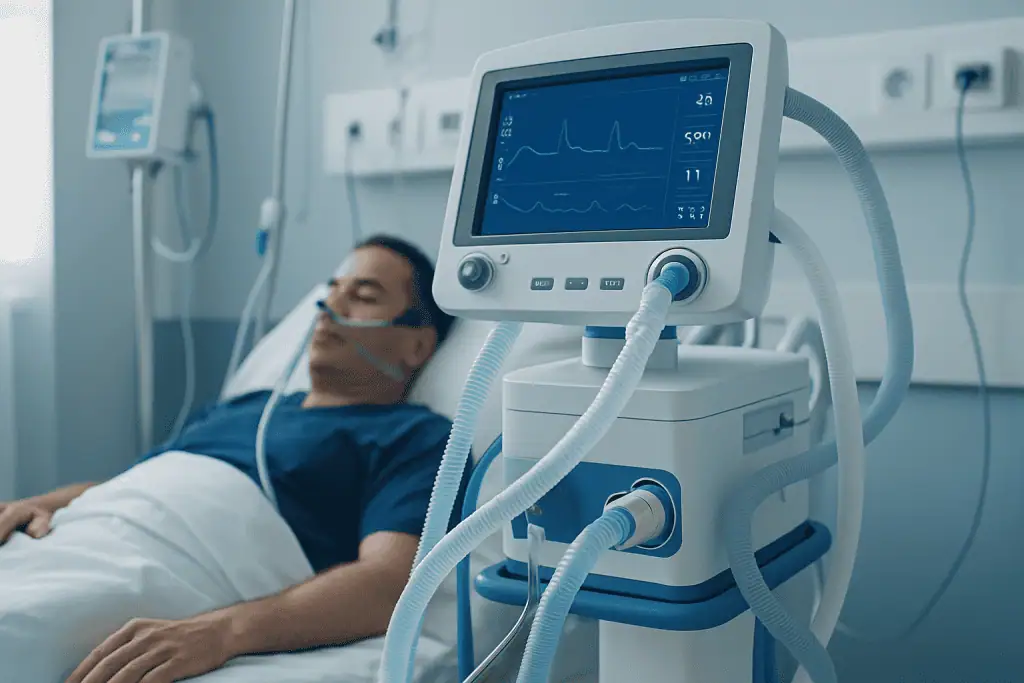
Sleep apnea symptoms may be noticed first by a bed partner or family member. Loud, frequent snoring is common in obstructive sleep apnea, especially when it is interrupted by choking, gasping, or silent pauses. However, not everyone who snores has sleep apnea, and not everyone with sleep apnea reports snoring.
Daytime symptoms can be just as important. People may wake feeling unrefreshed even after a full night in bed. They may experience morning headaches, dry mouth, difficulty concentrating, irritability, low mood, or a strong tendency to fall asleep during quiet activities. Some people wake up often to urinate at night or have reduced interest in sex.
Possible symptoms include:
- Loud snoring or breathing pauses witnessed during sleep
- Gasping, choking, or sudden awakenings
- Excessive daytime sleepiness or fatigue
- Morning headache, sore throat, or dry mouth
- Reduced concentration, memory problems, or mood changes
- Restless sleep or frequent nighttime awakenings
In children, sleep apnea can look different. Symptoms may include snoring, restless sleep, mouth breathing, bed-wetting, daytime hyperactivity, learning difficulties, or behavioral changes. A child who snores regularly should be assessed by a qualified doctor, especially if there are pauses in breathing or poor growth.
Causes and Risk Factors
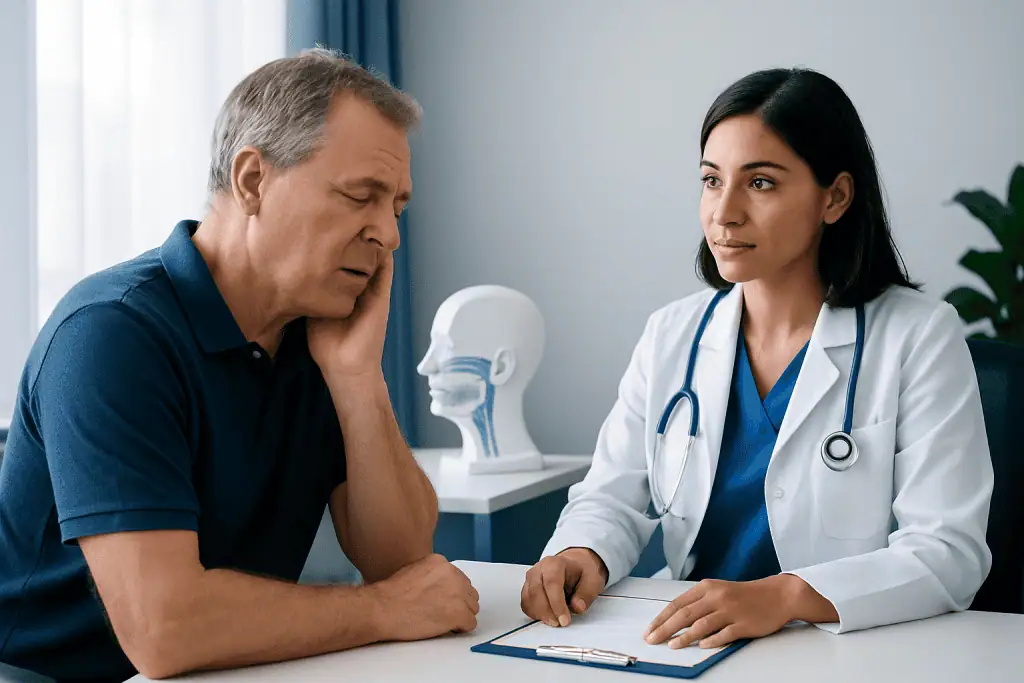
Obstructive sleep apnea develops when the upper airway becomes too narrow during sleep. Several factors can contribute, including anatomy, muscle tone, body weight, nasal obstruction, and sleep position. A small jaw, enlarged tonsils, a large tongue, a crowded throat, or a deviated nasal septum may make airway narrowing more likely.
Excess body weight is an important risk factor because fatty tissue around the neck and airway can increase pressure on the upper airway. However, sleep apnea can also occur in people with a healthy body weight, particularly when anatomical factors are present. The risk tends to increase with age, and it is more common in men, although women are also affected, especially after menopause.
Other risk factors include a family history of sleep apnea, smoking, alcohol use in the evening, sedative medications, chronic nasal congestion, and certain endocrine or neuromuscular conditions. Sleeping on the back can worsen obstruction in some people because gravity allows the tongue and soft tissues to move backward.
Central sleep apnea has different causes. It may be associated with heart failure, stroke, certain neurological conditions, high altitude, or opioid medications. Because the types of sleep apnea can overlap and require different management, an accurate diagnosis is important before treatment is started.
Health Risks and Possible Complications
Sleep apnea affects more than sleep quality. Repeated breathing pauses can activate stress responses in the body, disturb normal sleep stages, and cause oxygen levels to rise and fall during the night. Over time, these changes may contribute to several health problems, especially when sleep apnea is moderate or severe and remains untreated.
One of the best-recognized links is with high blood pressure. Sleep apnea may also be associated with coronary artery disease, heart rhythm problems such as atrial fibrillation, heart failure, stroke risk, insulin resistance, and type 2 diabetes. People with untreated sleep apnea may also have more difficulty controlling existing cardiovascular or metabolic conditions.
Daytime effects are also important. Excessive sleepiness can impair attention, reaction time, memory, and decision-making. This may increase the risk of motor vehicle or workplace accidents. Fatigue, poor concentration, and mood changes can affect relationships, school or work performance, and overall quality of life.
These risks do not mean that every person with sleep apnea will develop complications. They do mean that symptoms should be taken seriously. Early assessment and appropriate treatment can reduce breathing interruptions, improve sleep continuity, and support better overall health.
Diagnosis
Diagnosis begins with a medical history and physical examination. A doctor may ask about snoring, witnessed apneas, daytime sleepiness, sleep schedule, medications, alcohol use, weight changes, and existing medical conditions. Input from a bed partner can be helpful because the person with sleep apnea may not be aware of nighttime breathing pauses.
A sleep study is usually needed to confirm the diagnosis and assess severity. In a sleep laboratory, polysomnography records breathing, oxygen levels, heart rhythm, brain waves, body movements, and sleep stages. This detailed test is often recommended when symptoms are complex, when central sleep apnea is suspected, or when a person has significant heart, lung, or neurological conditions.
For some adults with a high likelihood of uncomplicated obstructive sleep apnea, a home sleep apnea test may be appropriate. Home tests typically measure breathing effort, airflow, oxygen saturation, and heart rate. They are more convenient, but they collect less information than a laboratory sleep study and may not be suitable for every patient.
Results are interpreted by trained sleep medicine professionals. The apnea-hypopnea index, or AHI, estimates how many breathing interruptions occur per hour of sleep or recording time. Severity is considered along with symptoms, oxygen levels, medical conditions, and daily functioning, because treatment decisions should be individualized.
Treatment Options
Treatment depends on the type and severity of sleep apnea, the person’s anatomy, symptoms, medical history, and preferences. For obstructive sleep apnea, the goal is to keep the airway open during sleep. For central sleep apnea, treatment may focus on the underlying condition and may require specialized sleep or cardiology input.
Continuous positive airway pressure, or CPAP, is a common and effective treatment for obstructive sleep apnea. A CPAP device delivers gently pressurized air through a mask to prevent airway collapse. Some people use related devices such as auto-adjusting positive airway pressure or bilevel positive airway pressure. Mask fit, humidification, pressure adjustment, and follow-up support are important because comfort affects long-term use.
Other options may be appropriate for selected patients:
- Oral appliances: Custom dental devices can move the lower jaw or tongue forward to widen the airway, often for mild to moderate obstructive sleep apnea or for people who cannot tolerate CPAP.
- Positional therapy: Some people have apnea mainly when sleeping on the back and may benefit from strategies that encourage side sleeping.
- Weight management: For people with excess weight, gradual weight loss may reduce severity, although it may not fully cure sleep apnea.
- Nasal or upper airway treatment: Managing allergies, nasal blockage, enlarged tonsils, or other anatomical issues may improve airflow.
- Surgery: Procedures may be considered when there is a clear anatomical obstruction or when other treatments are not effective or tolerated.
- Hypoglossal nerve stimulation: In carefully selected adults, an implanted device may help the tongue move in a way that keeps the airway open during sleep.
For central sleep apnea, doctors may adjust contributing medications, treat heart or neurological conditions, recommend oxygen or positive airway pressure in selected cases, or use other specialized therapies. Some devices are not suitable for certain patients with reduced heart function, so specialist evaluation is essential.
Prevention and Self-Care
Not all cases of sleep apnea can be prevented, especially when anatomy or neurological factors play a major role. Still, daily habits can reduce severity and support treatment. Maintaining a healthy weight, being physically active, and following a consistent sleep schedule may improve sleep quality and breathing patterns.
Avoiding alcohol close to bedtime can help because alcohol relaxes the throat muscles and may worsen airway collapse. Sedative medications and sleeping pills can also affect breathing during sleep, so they should be used only as advised by a doctor. Stopping smoking may reduce airway inflammation and improve nasal and throat health.
People using CPAP or another device should not stop treatment without medical advice, even if symptoms improve. Practical steps such as cleaning equipment as instructed, addressing mask leaks, using humidification for dryness, and attending follow-up appointments can improve comfort and effectiveness. If a device feels uncomfortable, adjustments are often possible.
Sleep apnea care may involve sleep medicine specialists, ENT doctors, pulmonologists, cardiologists, dentists trained in sleep appliances, dietitians, and sometimes surgeons. Acibadem International’s multidisciplinary specialists and JCI-accredited hospitals diagnose and treat sleep apnea for international patients, using individualized assessment and evidence-based treatment planning.
When to See a Doctor
A person should seek medical advice if they snore loudly and regularly, wake up gasping or choking, or have breathing pauses noticed by someone else. Consultation is also recommended for unexplained daytime sleepiness, morning headaches, poor concentration, or persistent fatigue despite enough time in bed.
People with high blood pressure, heart rhythm problems, heart disease, stroke history, diabetes, or obesity should mention sleep symptoms to their doctor because sleep apnea can complicate these conditions. Pregnant people who develop loud snoring, breathing pauses, or significant daytime sleepiness should also be assessed, as sleep and breathing changes can occur during pregnancy.
Urgent medical attention is needed for severe shortness of breath while awake, chest pain, fainting, new weakness on one side of the body, or sudden confusion, as these symptoms may indicate other serious conditions. For typical sleep apnea symptoms, a scheduled appointment with a qualified healthcare professional is the right first step.
Diagnosis and treatment can take time to optimize, and follow-up is part of good care. If CPAP, an oral appliance, or another therapy is not comfortable or symptoms continue, the treatment plan should be reviewed rather than abandoned. Many patients benefit from small adjustments that make therapy easier and more effective.
Frequently asked questions
Is snoring always a sign of sleep apnea?
No. Many people snore without having sleep apnea, especially during nasal congestion or after alcohol use. However, loud snoring with pauses in breathing, gasping, or daytime sleepiness should be evaluated by a doctor.
Can sleep apnea go away on its own?
Sleep apnea may improve if a contributing factor changes, such as weight, nasal blockage, alcohol use, or sleep position. However, many cases persist without treatment. A sleep study and medical assessment help determine whether ongoing therapy is needed.
Is CPAP the only treatment for sleep apnea?
No. CPAP is a common and effective treatment, but it is not the only option. Depending on the person’s condition, oral appliances, positional therapy, weight management, surgery, or other specialized treatments may be considered.
What happens during a sleep study?
A sleep study records breathing, oxygen levels, heart rate, and other signals while a person sleeps. It may be done at home or in a sleep laboratory. The results help confirm the diagnosis, identify the type of sleep apnea, and guide treatment.
Can children have sleep apnea?
Yes. Children can develop sleep apnea, often related to enlarged tonsils or adenoids, nasal obstruction, weight, or craniofacial anatomy. Symptoms may include snoring, restless sleep, mouth breathing, bed-wetting, learning issues, or daytime hyperactivity.
Is untreated sleep apnea dangerous?
Untreated sleep apnea can increase the risk of health problems such as high blood pressure, heart rhythm disturbances, and daytime accidents due to sleepiness. The level of risk varies by severity and overall health. Timely diagnosis and treatment can reduce breathing interruptions and improve daily functioning.
This article is for general information only and is not a substitute for professional medical advice. Please consult a qualified doctor about your individual situation.
Sleep Apnea in Turkey — costs, top hospitals & a free quote
JCI-accredited · board-certified surgeons · reply within 24h
Add us as a Preferred Source to see more of our trusted health content across Google Search, AI Overviews and Discover.
Check your numbers in seconds
BMI, calories, due date, blood pressure and 30+ more clinical calculators — free, instant, doctor-reviewed ranges.

Otorhinolaryngology (ENT)
Care for ear, nose, throat and head-and-neck conditions, including hearing and balance disorders.
126 specialists in this unitOtorhinolaryngology Specialists at Acibadem





More from the Health Library

Amyloidosis: Warning Signs, Organ Effects, and Diagnosis

Aplastic Anemia: Low Blood Counts, Causes, and Treatment Options

Amyloidosis: Unexplained Fatigue, Organ Symptoms, and Getting the Right Diagnosis
Appendicitis in Children vs Adults: How Symptoms Can Differ
Endometriosis vs IBS: Why Pelvic Pain and Bloating Can Be Hard to Diagnose