Endometriosis vs IBS: Why Pelvic Pain and Bloating Can Be Hard to Diagnose
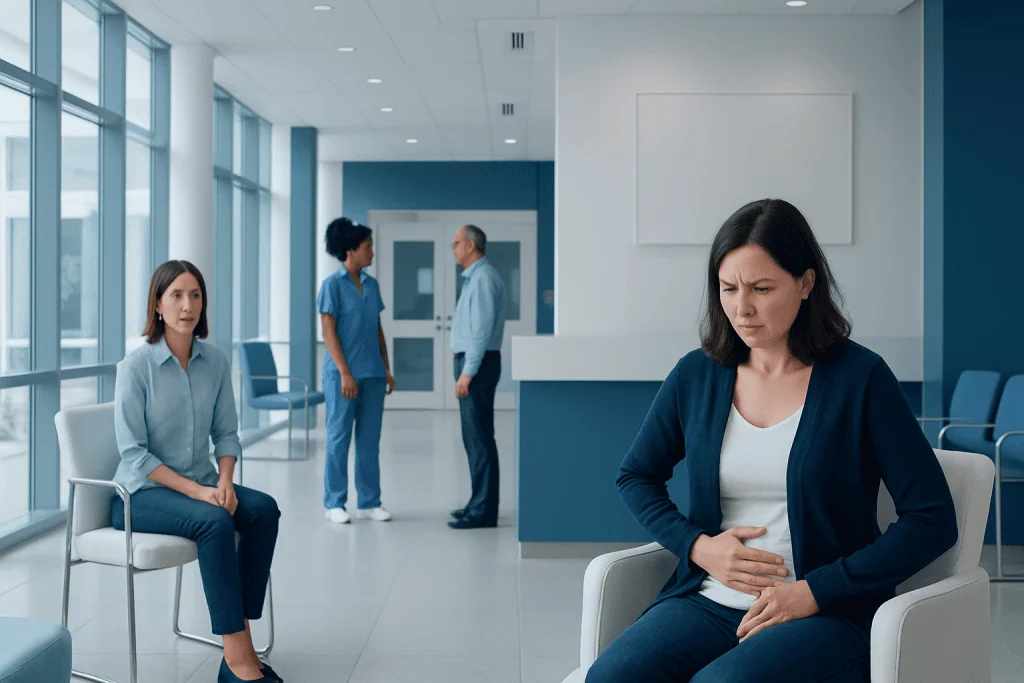
Endometriosis and IBS can both cause bloating, abdominal pain, and bowel changes. Pain that worsens around periods may suggest endometriosis, while IBS symptoms often relate more to bowel movements and food triggers.
Key Takeaways
- Endometriosis and IBS can both cause bloating, abdominal pain, and bowel changes.
- Pain that worsens around periods may suggest endometriosis, while IBS symptoms often relate more to bowel movements and food triggers.
- Some people have both conditions, which can make diagnosis more complex.
- Diagnosis may involve pelvic examination, imaging, lab tests, and sometimes laparoscopy for endometriosis.
- Treatment depends on the cause and may include dietary changes, pain management, hormone therapy, and specialist care.
Endometriosis and irritable bowel syndrome (IBS) can share symptoms such as bloating, abdominal discomfort, and changes in bowel habits, which may delay a clear diagnosis. Looking at symptom patterns, menstrual timing, and the results of medical evaluation can help doctors tell these conditions apart and identify whether both are present.
Overview: Why Endometriosis and IBS Are Often Confused
Endometriosis and irritable bowel syndrome, commonly called IBS, are different conditions that can feel surprisingly similar. Both may cause pelvic or lower abdominal pain, bloating, cramping, and changes in bowel habits. Because the symptoms overlap, people may spend months or even years trying to understand the cause of their discomfort.
Endometriosis happens when tissue similar to the lining of the uterus grows outside the uterus, often affecting the ovaries, fallopian tubes, pelvic lining, or nearby structures. IBS is a functional gastrointestinal disorder, meaning the digestive system looks structurally normal but does not always work as expected. IBS can lead to abdominal pain, diarrhea, constipation, or a mix of both.
The challenge is that endometriosis can also irritate the bowel or pelvic nerves, which may create digestive symptoms that seem like IBS. At the same time, IBS can cause cramping and pain in the lower abdomen that may feel gynecologic rather than digestive. For some people, both conditions occur together, making careful medical assessment especially important.
Symptoms That Overlap — and Symptoms That May Differ
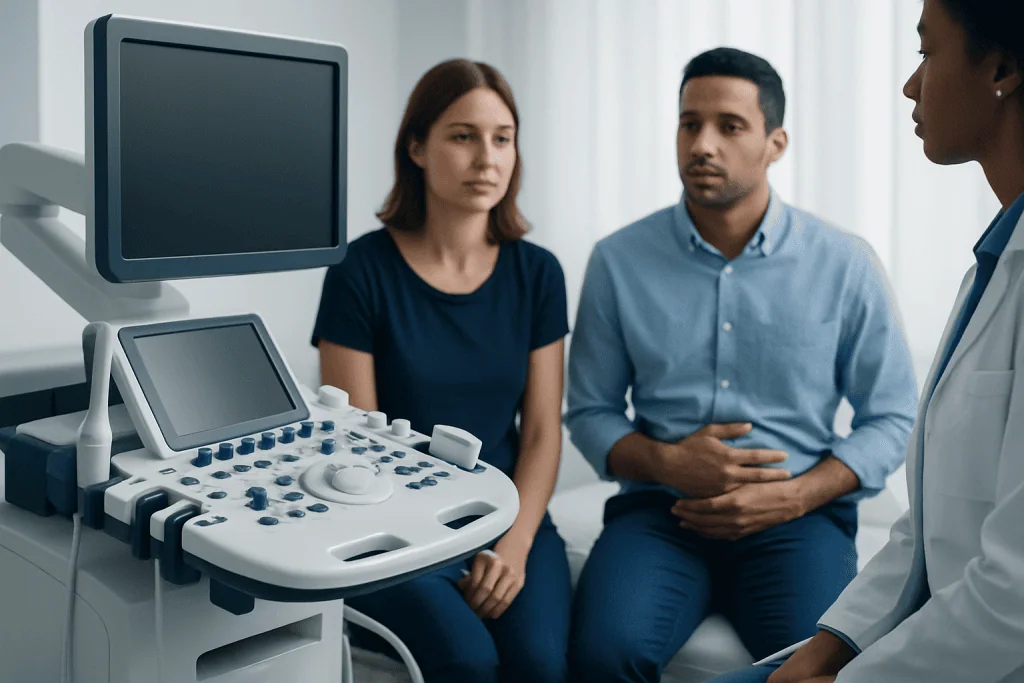
The most common shared symptoms are bloating, abdominal or pelvic pain, cramping, constipation, diarrhea, and a feeling that the abdomen is swollen or uncomfortable. Fatigue may also occur in both conditions, especially when pain is frequent or sleep is disrupted.
There are some clues that may point more strongly toward endometriosis. Pain linked to menstruation is one of the most important. Symptoms that worsen before or during periods, painful intercourse, pain with urination or bowel movements during menstruation, and difficulty becoming pregnant can suggest endometriosis rather than IBS alone.
IBS often has a different pattern. Symptoms may be triggered or worsened by certain foods, stress, irregular eating habits, or bowel movements. People with IBS may notice that pain improves after passing stool, and bowel habit changes are usually a central feature. In contrast, endometriosis pain may continue even when bowel function seems otherwise normal.
- More suggestive of endometriosis: period-related pain, pain during sex, infertility, pain with bowel movements during menstruation
- More suggestive of IBS: pain related to bowel movements, frequent diarrhea or constipation, food-related flare-ups, symptom relief after stool passage
- Possible in both: bloating, cramping, lower abdominal discomfort, fatigue
How Pain Timing Can Help Distinguish the Two
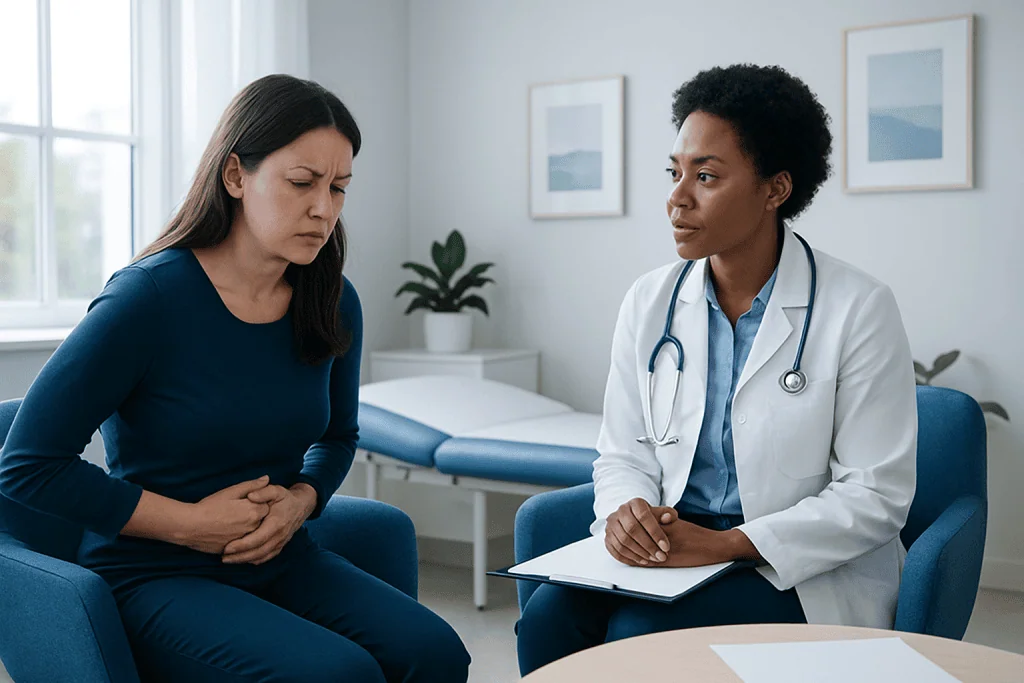
One of the most helpful details in diagnosis is timing. Endometriosis symptoms often follow the menstrual cycle, even if they later become more constant. Many people notice worsening pain in the days leading up to a period or during menstruation. This cyclical pattern can be a strong sign that hormones are influencing the symptoms.
IBS symptoms, on the other hand, usually follow digestive patterns more than menstrual ones. Pain may appear after meals, during stress, or alongside constipation or diarrhea. Although hormonal changes can affect the bowel and make IBS feel worse around a period, the symptoms are still generally centered on gut function.
Keeping a symptom diary can be useful. Recording pain levels, menstrual dates, bowel habits, foods, and any triggers over several weeks may reveal patterns that are not obvious day to day. This simple step can give both the patient and doctor clearer information and may reduce delays in reaching the right diagnosis.
Causes, Risk Factors, and Why Both Conditions May Coexist
Endometriosis is a chronic inflammatory condition, but its exact cause is not fully understood. Researchers believe several factors may contribute, including retrograde menstruation, immune system changes, genetics, and hormonal influences. A family history of endometriosis or severe period pain can increase suspicion.
IBS is also complex and does not have a single cause. It may involve altered communication between the brain and the gut, changes in bowel motility, heightened sensitivity in the intestines, stress, and shifts in the gut microbiome. IBS can begin after a gastrointestinal infection or become more noticeable during periods of emotional stress.
It is possible to have both conditions at the same time. Chronic pelvic inflammation from endometriosis may affect bowel sensitivity, while IBS can increase awareness of abdominal discomfort. This overlap does not mean symptoms are imagined or exaggerated. It simply means that more than one condition may be contributing to pain and bloating, which is why coordinated care can be helpful.
How Doctors Diagnose Endometriosis vs IBS
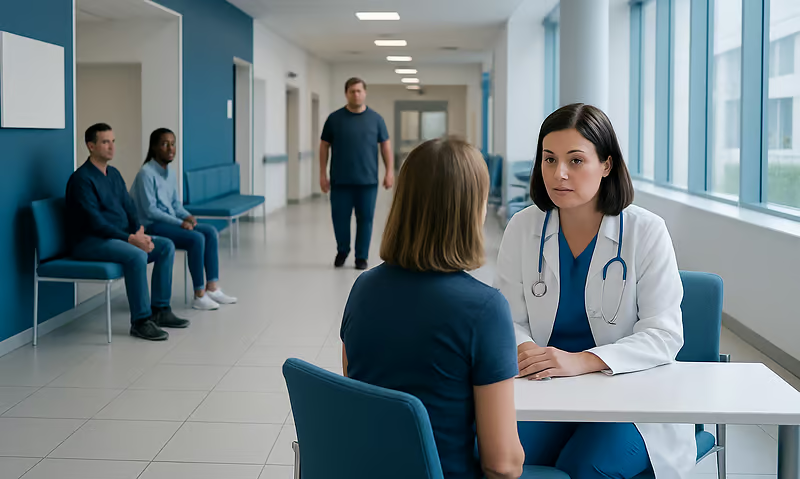
Diagnosis starts with a detailed medical history. A doctor will usually ask about the type of pain, when it happens, how it relates to periods, bowel habits, diet, urination, sexual activity, and fertility goals. This conversation is important because endometriosis and IBS are diagnosed differently, and the history often provides the first strong clues.
For suspected endometriosis, evaluation may include a pelvic exam and imaging such as ultrasound. Imaging can help identify ovarian endometriomas and other pelvic findings, but it cannot rule out all endometriosis. In some cases, the diagnosis is confirmed through laparoscopy, a minimally invasive procedure that allows direct visualization and sometimes treatment of endometriosis. Readers looking for a broader overview may also explore endometriosis.
For suspected IBS, doctors usually diagnose based on symptoms and by excluding other causes when needed. Blood tests, stool tests, or a colon evaluation may be considered if there are warning signs such as bleeding, unexplained weight loss, anemia, fever, or symptoms that begin later in life. People with persistent digestive complaints may also benefit from specialist assessment in gastroenterology services, especially when symptoms are complex or overlapping.
In some cases, both gynecologic and digestive evaluations are necessary. This does not mean the diagnosis is unclear forever; rather, it reflects the fact that pelvic organs and the bowel are close together and can influence each other. A careful, step-by-step approach often leads to the most accurate answer.
Treatment Options for Endometriosis and IBS
Treatment depends on which condition is present and how severe the symptoms are. For endometriosis, options may include pain-relieving medicines, hormonal treatments to suppress the cycle, and surgery when symptoms are significant, fertility is affected, or imaging suggests advanced disease. For some patients, endometriosis treatment is tailored to pain control, preservation of fertility, and the location of the disease.
IBS treatment focuses on symptom relief and trigger management. This may include dietary changes, stress reduction, regular meals, hydration, and medicines aimed at constipation, diarrhea, cramping, or bloating. Some people benefit from a guided low-FODMAP diet under the supervision of a qualified dietitian, as overly restrictive eating without support can be difficult and may not be necessary.
When both conditions are present, combined care may be needed. A gynecologist, gastroenterologist, pain specialist, pelvic floor therapist, and dietitian may all play a role. If bowel symptoms are severe or there is concern about another digestive disorder, evaluation for colonoscopy or other tests may be appropriate based on the doctor’s assessment.
Treatment usually works best when it is individualized. The goal is not only to reduce pain and bloating, but also to improve daily function, sleep, work, relationships, and overall quality of life.
Self-care, Symptom Tracking, and Everyday Management
Self-care cannot replace medical diagnosis, but it can support symptom control and make medical appointments more productive. Many people find it helpful to track periods, bowel habits, foods, pain location, stress levels, and sleep quality. Over time, this record can highlight whether symptoms are more hormonal, digestive, or mixed.
General measures that may help include gentle physical activity, regular sleep, staying hydrated, and avoiding personal food triggers if they are clear and consistent. Heat packs may ease pelvic cramping. Relaxation techniques, mindfulness, and pelvic floor therapy can also be useful for some people, especially when chronic pain has led to muscle tension.
It is important to avoid self-diagnosing too quickly. Assuming all bloating is IBS may delay the recognition of endometriosis, and assuming all pelvic pain is gynecologic may overlook a digestive condition. Thoughtful self-observation combined with medical advice is the safest approach.
When to See a Doctor
A doctor should be consulted if pelvic pain, bloating, or bowel changes are persistent, severe, or interfering with normal life. Medical advice is especially important when symptoms cluster around menstruation, pain with sex is present, or fertility concerns arise. These features may suggest endometriosis, even when digestive symptoms are also present.
Urgent assessment is needed for red-flag symptoms such as rectal bleeding, black stools, fainting, fever, unexplained weight loss, severe vomiting, sudden intense pain, or signs of anemia such as unusual weakness or shortness of breath. These symptoms are not typical of simple IBS and should not be ignored.
Specialist care can be valuable when diagnosis remains uncertain or symptoms do not improve with initial treatment. Near the end of the diagnostic journey, some people benefit from multidisciplinary evaluation. Acibadem International’s multidisciplinary specialists and JCI-accredited hospitals diagnose and treat complex pelvic and digestive conditions for international patients.
Frequently asked questions
Can endometriosis be mistaken for IBS?
Yes. Both conditions can cause bloating, cramping, abdominal pain, and changes in bowel habits. The overlap is one reason some people experience delays before receiving the correct diagnosis.
How can someone tell whether pain is more likely endometriosis or IBS?
Timing offers an important clue. Pain that consistently worsens before or during periods may point more toward endometriosis, while pain linked to bowel movements, certain foods, or stress may be more typical of IBS. A doctor will usually look at the full pattern rather than a single symptom.
Can a person have both endometriosis and IBS at the same time?
Yes, this can happen. Having both conditions may make symptoms feel more intense or more difficult to sort out. In these cases, care from both gynecology and gastroenterology may be helpful.
Does endometriosis always show up on ultrasound?
No. Ultrasound can identify some findings, such as ovarian endometriomas, but it may miss smaller or more superficial endometriosis lesions. A normal ultrasound does not always rule out the condition.
Is laparoscopy always needed to diagnose endometriosis?
Not always. Doctors may suspect or begin treating endometriosis based on symptoms, examination, and imaging findings. However, laparoscopy may be used when confirmation is needed or when surgery may also help treat symptoms.
What symptoms should prompt urgent medical attention?
Urgent evaluation is important for rectal bleeding, black stools, fainting, fever, severe vomiting, sudden intense pain, unexplained weight loss, or signs of anemia. These features may suggest a condition other than IBS or uncomplicated endometriosis and should be assessed promptly.
References
- World Health Organization
- American College of Obstetricians and Gynecologists
- National Institute for Health and Care Excellence
- National Institute of Diabetes and Digestive and Kidney Diseases
- American Gastroenterological Association
This article is for general information only and is not a substitute for professional medical advice. Please consult a qualified doctor about your individual situation.
Endometriosis in Turkey — costs, top hospitals & a free quote
JCI-accredited · board-certified surgeons · reply within 24h
Add us as a Preferred Source to see more of our trusted health content across Google Search, AI Overviews and Discover.

Gynecology & Obstetrics
Women’s health across pregnancy, gynecologic surgery and high-risk pregnancy care.
186 specialists in this unit