Side Effects of Hormone Replacement Patches: What to Expect and How to Manage

Hormone replacement patches deliver estrogen through the skin and are commonly used to manage menopausal symptoms. Early side effects can include patch-site reactions, breast tenderness, headache, nausea, bloating and changes in bleeding patterns.
Key Takeaways
- Hormone replacement patches deliver estrogen through the skin and are commonly used to manage menopausal symptoms.
- Early side effects can include patch-site reactions, breast tenderness, headache, nausea, bloating and changes in bleeding patterns.
- Many mild effects improve over the first few weeks to months, but persistent or troublesome symptoms should be reviewed by a clinician.
- Systemic estrogen therapy has important risks for some people, including blood clots and stroke, so individual assessment is essential.
- New chest pain, shortness of breath, one-sided leg swelling, sudden neurological symptoms or unusual heavy bleeding need prompt medical care.
Side effects of hormone replacement patches are often mild and may include temporary skin irritation, breast tenderness, headache, bloating or nausea. A clinician can help determine whether symptoms are part of the adjustment period, related to the patch dose or type, or need medical assessment.
Overview: what side effects can hormone replacement patches cause?
Side effects of hormone replacement patches can include redness or itching where the patch is placed, breast tenderness, headache, nausea, bloating, mood changes and light vaginal bleeding or spotting. These effects are often mild, particularly when treatment is started or the dose is changed, and may settle as the body adapts.
Hormone replacement therapy (HRT) patches most often contain estradiol, a form of estrogen. They are prescribed to relieve menopausal symptoms such as hot flushes, night sweats, sleep disruption and vaginal dryness. For people who still have a uterus, estrogen is usually paired with a progestogen to protect the lining of the uterus from becoming too thick.
A patch is not suitable for everyone, and the balance of benefits and risks depends on a person’s health history, age, symptoms and treatment goals. Follow-up appointments help ensure the lowest effective dose and the most appropriate treatment plan are being used.
How hormone replacement patches work and who may be suitable
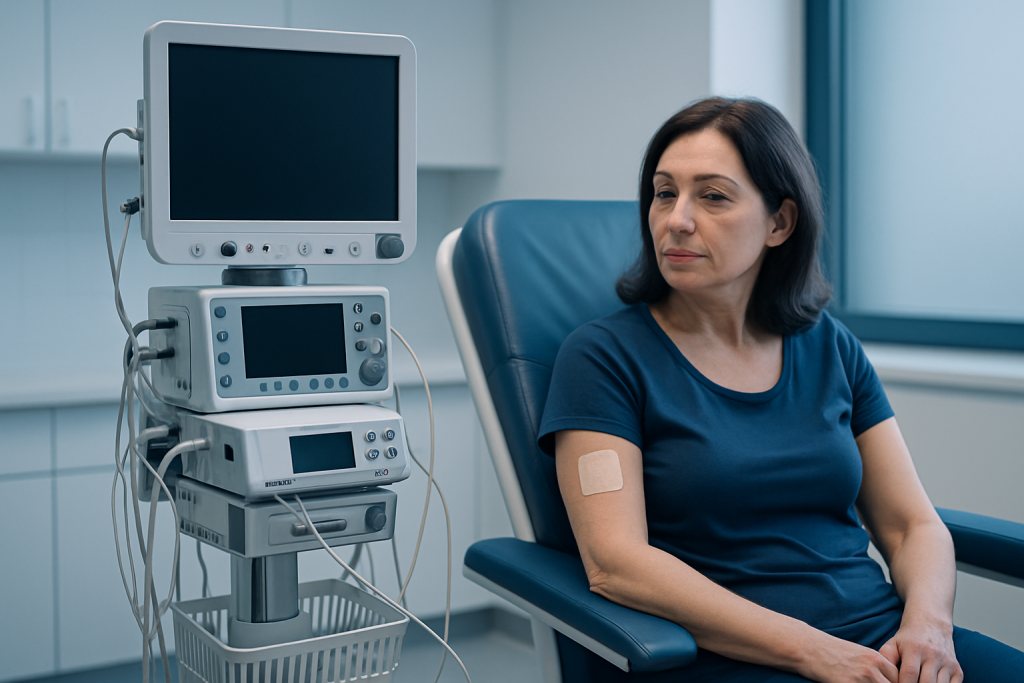
An estrogen patch releases medication steadily through the skin into the bloodstream. This avoids first-pass processing in the liver that occurs with tablets, although it does not remove all of the possible risks of systemic hormone therapy. Patches are available in different doses and schedules, depending on the product and the reason for treatment.
They may be considered for people with moderate to severe menopausal symptoms, early menopause or reduced estrogen levels after certain medical treatments. Transdermal estrogen may be particularly useful for some people who cannot tolerate oral estrogen, but the choice should always be individualized.
Before prescribing HRT, a clinician will ask about personal and family history of blood clots, stroke, heart disease, breast or uterine cancer, liver disease, unexplained vaginal bleeding and migraine. Pregnancy is also an important consideration. People with certain conditions may need a different approach or specialist advice rather than systemic estrogen treatment.
HRT is not a contraceptive. Anyone who could become pregnant and needs contraception should discuss suitable options with a qualified clinician.
Using an estrogen patch: application, routine and early adjustment

The patch should be applied exactly as directed on the medicine leaflet and by the prescribing clinician. It is usually placed on clean, dry, intact skin on the lower abdomen or buttock, away from the breasts. Lotions, oils, powders and creams can reduce adhesion, so the area should be free of these products before application.
Press the patch firmly in place, then wash the hands. The application site should be rotated to reduce skin irritation. Patches should not be cut unless the manufacturer and prescriber specifically advise this. If a patch falls off, the appropriate next step depends on the product, so the medicine instructions or pharmacist should be consulted.
Some people notice side effects soon after beginning treatment. Keeping a brief record of symptoms, bleeding, patch changes and application-site reactions can make follow-up discussions more useful. A clinician may adjust the dose, change the patch brand, alter the progestogen regimen or consider another form of menopausal hormone therapy if side effects continue.
Benefits such as fewer hot flushes may begin within days or weeks, but the full response can take longer. Treatment should not be stopped abruptly or changed without discussing the reason with the prescribing clinician, unless urgent symptoms require immediate medical advice.
Common effects, less common risks and possible benefits
Common patch-related effects include local itching, rash or redness; breast discomfort; headache; nausea; abdominal bloating; fluid retention; and changes in mood or sleep. Some people also have spotting or bleeding, especially during the first months of treatment or when changing a hormone regimen. Persistent bleeding should always be assessed.
For many menopausal patients, the benefits of appropriately prescribed HRT include relief from vasomotor symptoms, improved sleep when night sweats are reduced, and improvement in vaginal and urinary symptoms associated with low estrogen. Estrogen also helps prevent bone loss while it is being used, although it is not the best treatment choice for every person at fracture risk.
Systemic estrogen therapy may increase the risk of serious problems in some people, including blood clots, stroke, gallbladder disease and, depending on the regimen and duration, certain hormone-sensitive cancers. Risks differ between individuals and between estrogen-only and combined estrogen-progestogen therapy. Transdermal estrogen may have a lower blood-clot risk than oral estrogen for some patients, but it is not risk-free.
Regular review is important. The clinician should revisit symptoms, side effects, new medical conditions and screening needs, including breast and gynecological care where relevant.
How long does it take the body to adjust to an estrogen patch?
The body often needs several weeks to adjust to an estrogen patch. Mild symptoms such as breast tenderness, nausea, headache, bloating or spotting may improve during the first 6 to 12 weeks, although the timeline varies from person to person and depends on the dose, patch type and whether a progestogen is also being used.
Hot flushes and night sweats may start to improve earlier, sometimes within a few weeks. If symptoms remain troublesome after an appropriate trial, or if they become more severe, the prescriber can review whether the dose, patch schedule or type of hormone therapy needs changing.
New or persistent vaginal bleeding after the initial adjustment period should not be assumed to be normal. A clinician may recommend an examination, ultrasound or other tests to identify the cause.
What to avoid while on an estradiol patch?
People using an estradiol patch should avoid placing it on broken, irritated or recently moisturized skin, on or near the breasts, or in the same location repeatedly. Strong heat sources, such as heating pads, hot tubs, saunas and prolonged direct heat over the patch, may increase absorption and should be avoided unless the product information confirms safety.
It is important to avoid sharing prescription hormones and to tell every healthcare professional about the patch, including before surgery or new medication is started. Some medicines and herbal products can affect hormone treatment or add to health risks. A pharmacist or clinician can check for relevant interactions.
Smoking increases cardiovascular and clotting risks and is particularly important to discuss when considering systemic estrogen. A balanced diet, regular physical activity, sleep, limiting alcohol and attending recommended health checks can support overall wellbeing during menopause.
Estradiol patches should be kept away from children and pets. Used patches still contain medicine; fold them in half with the adhesive sides together and dispose of them according to local instructions and the product leaflet.
Do you gain or lose weight on HRT patches?
HRT patches are not weight-loss medicines, and they do not reliably cause weight gain. Weight changes around menopause are common and can be influenced by aging, reduced muscle mass, sleep changes, stress, physical activity, diet and shifting body-fat distribution rather than HRT alone.
Some people notice temporary bloating or fluid retention after starting estrogen, which can feel like weight gain. This may improve as the body adjusts. If swelling is persistent, rapid or accompanied by shortness of breath, chest discomfort or pain and swelling in one leg, urgent medical assessment is needed.
Maintaining muscle through resistance exercise, staying physically active, eating regularly with adequate protein and fiber, and addressing sleep and stress may help with long-term weight management. A clinician can also assess other possible contributors, such as thyroid disease, medications or metabolic conditions.
What are the signs that your estrogen patch is too strong?
There is no single symptom that proves an estrogen patch dose is too strong, but persistent breast tenderness, nausea, headaches, bloating, fluid retention, mood changes or unexpected bleeding can suggest that the regimen needs review. Symptoms may also arise from the accompanying progestogen, an unrelated health condition or the normal adjustment period.
A person should not lower the dose, cut a patch or stop treatment without guidance unless they are advised to do so in an urgent situation. The prescriber can consider symptoms alongside medical history, bleeding pattern and the specific product being used before deciding whether a dose change is appropriate.
Urgent warning signs are different from routine dose-related symptoms. Sudden severe headache, vision or speech changes, chest pain, shortness of breath, coughing blood, fainting, or one-sided leg pain and swelling require immediate medical attention.
When to seek medical care
A clinician should be contacted promptly for persistent or worsening side effects, a spreading skin reaction, new migraine or severe headaches, significant mood symptoms, or vaginal bleeding that is heavy, recurrent or continues beyond the expected adjustment period. Any new breast lump, nipple change or pelvic pain also deserves timely assessment.
Emergency care is needed for symptoms that may indicate a blood clot, stroke or serious allergic reaction. These include chest pain, sudden breathlessness, coughing blood, pain or swelling in one leg, weakness or numbness on one side of the body, sudden confusion, trouble speaking, facial drooping, loss of vision, or swelling of the lips, tongue or throat.
Acibadem International’s multidisciplinary specialists and JCI-accredited hospitals support international patients who need assessment and treatment for menopausal concerns, hormone-related symptoms and gynecological conditions. Individual medical advice is especially important for anyone with a history of cancer, clotting disorders, cardiovascular disease or unexplained bleeding.
Frequently asked questions
Are skin reactions common with hormone replacement patches?
Mild redness, itching or irritation at the application site can occur and is one of the more common patch-specific side effects. Rotating sites and applying the patch to clean, dry, intact skin may help. A persistent, severe or blistering rash should be reviewed by a clinician.
Can hormone replacement patches cause vaginal bleeding?
Spotting or bleeding can occur when HRT is started, changed or used in a cyclical regimen. However, heavy bleeding, bleeding after an initial settling period, or any bleeding after menopause that has not been explained should be assessed by a healthcare professional.
Are estrogen patches safer than estrogen tablets?
Patches and tablets both have benefits and risks. Because patches deliver estrogen through the skin, they may be associated with a lower risk of blood clots than oral estrogen for some patients, but they are not appropriate for everyone and still require an individualized risk assessment.
Can an estradiol patch cause headaches?
Yes. Headache can occur when starting or changing estrogen therapy, although headaches also have many other possible causes. New severe headaches, migraine with neurological symptoms, or headaches accompanied by vision, speech or weakness changes need urgent assessment.
Can I shower or exercise while wearing an estrogen patch?
Many patches are designed to remain in place during normal bathing and exercise, but instructions differ by brand. The product leaflet provides the most reliable guidance about water exposure, activities and what to do if a patch becomes loose or falls off.
Should I stop my hormone patch before surgery?
This depends on the type of surgery, the expected period of reduced mobility and an individual’s clotting risk. The surgical team and prescribing clinician should be told about hormone therapy well before the procedure so they can provide specific instructions.
References
- The North American Menopause Society
- American College of Obstetricians and Gynecologists
- National Institute for Health and Care Excellence
- U.S. Food and Drug Administration
- National Health Service
This article is for general information only and is not a substitute for professional medical advice. Please consult a qualified doctor about your individual situation.
Persistent digestive symptoms? Get evaluated in Turkey
JCI-accredited · board-certified surgeons · reply within 24h
Add us as a Preferred Source to see more of our trusted health content across Google Search, AI Overviews and Discover.

More from the Health Library



Related Specialists

Prof. Dr. Muhsin Eraslan
Ophthalmology
Fzt. Ezgi Nur Çiçek
Physical Medicine & Rehabilitation
Dt. Bilge Baş
Oral & Dental Health
Dr. Gökay Karaça
Radiology