Traumatic Cataract: An Evidence-Based Patient Guide
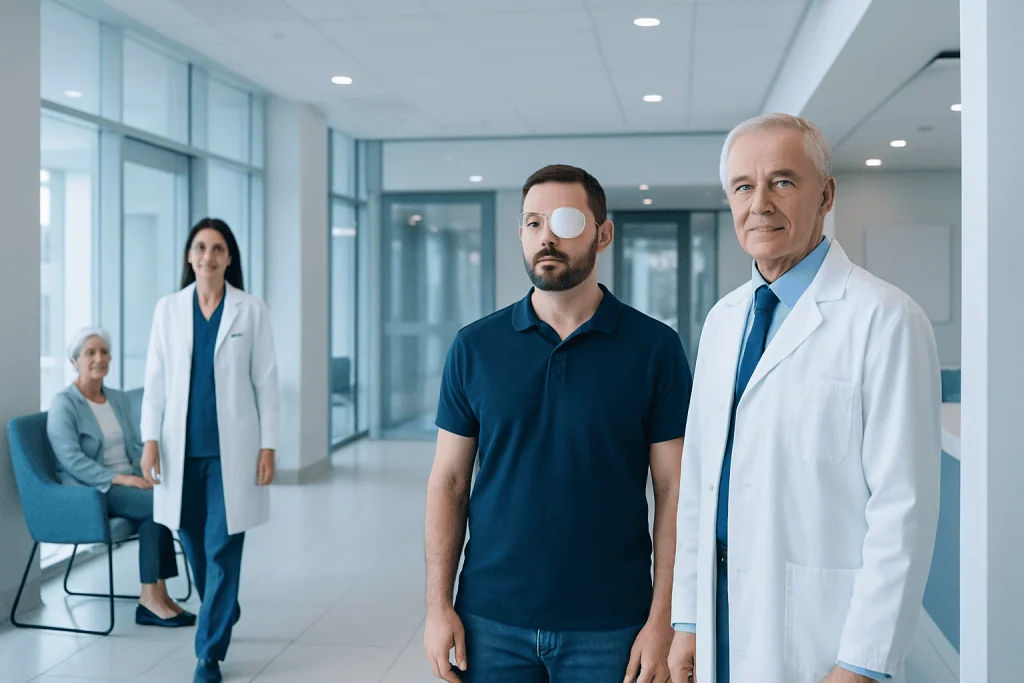
Traumatic cataracts can occur soon after an injury or develop months to years later. Blurred vision, glare, double vision in one eye, or a visible white area in the pupil warrant an eye examination.
Key Takeaways
- Traumatic cataracts can occur soon after an injury or develop months to years later.
- Blurred vision, glare, double vision in one eye, or a visible white area in the pupil warrant an eye examination.
- Treatment depends on visual symptoms, cataract progression, and whether there is damage to the cornea, iris, retina, or optic nerve.
- Cataract surgery can often restore clearer vision, but outcomes also depend on associated eye injuries.
- Eye protection and prompt care after eye trauma are important ways to reduce preventable vision loss.
A traumatic cataract is a clouding of the eye’s natural lens caused by blunt, penetrating, electrical, radiation-related, or chemical injury. It may develop immediately or gradually after trauma, and early ophthalmic assessment is important because injuries can also affect other structures of the eye.
Traumatic Cataract Overview
A traumatic cataract is a loss of transparency in the natural lens after an eye injury. The lens sits behind the colored part of the eye (iris) and helps focus light onto the retina. When its proteins or capsule are disrupted by trauma, vision may become cloudy, blurry, dim, or affected by glare.
Unlike the more common age-related cataract, traumatic cataract development can happen in people of any age, including children and working-age adults. The clouding may be obvious soon after injury, or it may appear gradually. This variable traumatic cataract timeline is one reason follow-up with an ophthalmologist is important even when vision initially seems acceptable.
A cataract itself is not usually painful. However, eye trauma can cause serious accompanying problems, such as bleeding inside the eye, increased eye pressure, retinal injury, or a rupture of the eye wall. Evaluation focuses on the cataract and on identifying these associated injuries promptly.
Symptoms and Traumatic Cataract Progression
Symptoms depend on the location and density of lens clouding, as well as on other damage caused by the injury. Some people notice only mild blur at first, while others have a sudden and marked reduction in vision. A traumatic cataract can also remain stable for a period before becoming more visually significant.
Possible symptoms include:
- Blurred, hazy, or reduced vision in one eye
- Glare or halos around lights, especially at night
- Reduced contrast or colors appearing less vivid
- Double vision from the affected eye alone
- Frequent changes in glasses prescription
- A gray, white, or irregular-looking area behind the pupil
Traumatic cataract progression is not the same for everyone. A small peripheral cataract may be monitored if it does not interfere with sight, while central clouding can quickly affect reading, driving, school, or work. In children, a visually significant cataract needs particularly timely assessment because persistent visual obstruction can interfere with normal visual development.
Causes, Risk Factors and the Importance of the Injury History

Blunt trauma, such as being struck by a ball, fist, or airbag, can damage lens fibers or its surrounding capsule. Penetrating injuries from sharp objects or fragments can directly disrupt the lens. Other possible causes include electrical injury, exposure to intense radiation, and chemical injuries, although these are less common.
The likelihood of a traumatic cataract and its expected course depend on the type, force, and location of the injury. Previous eye surgery, certain occupations, contact sports, and use of tools or machinery without protective eyewear can raise the chance of eye trauma. A detailed account of when and how the injury happened helps the clinical team assess risks.
A traumatic cataract case study may describe a single injury mechanism and outcome, but individual cases vary greatly. For example, a lens cataract after a minor blunt injury may be the main issue, whereas a high-speed injury can affect several structures at once. A person should not use another patient’s experience to predict their own recovery without a comprehensive examination.
Diagnosis and Outlook
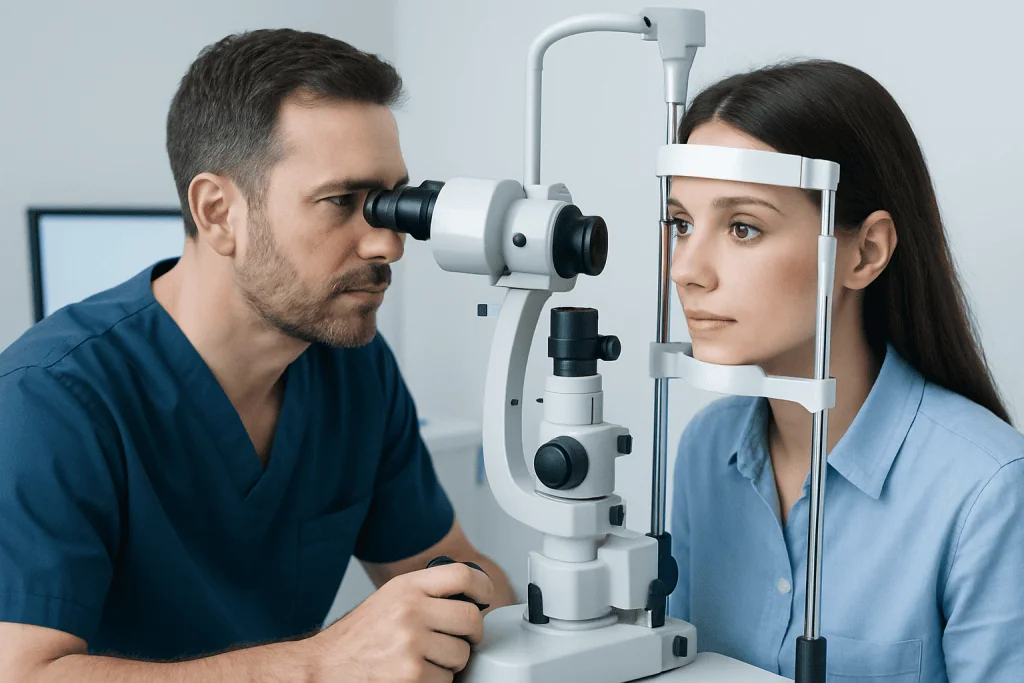
An ophthalmologist diagnoses traumatic cataract through an eye examination. This usually includes a visual acuity test, a slit-lamp examination to view the lens closely, measurement of eye pressure, and dilation of the pupil to examine the retina and optic nerve when it is safe to do so.
If the view into the back of the eye is blocked by the cataract or bleeding, ultrasound imaging may help assess the retina and vitreous. Other scans may be used when a foreign body, orbital injury, or damage to the eye wall is suspected. The doctor will also look for inflammation, lens instability, iris injury, glaucoma, corneal damage, and retinal detachment.
Traumatic cataract prognosis is often favorable when the injury is limited to the lens and surgery is performed at an appropriate time. However, vision after treatment may be limited when trauma has also injured the retina, optic nerve, cornea, or other parts of the eye. Regular follow-up helps detect delayed complications, including elevated eye pressure or retinal problems.
Can Traumatic Cataracts Be Treated?
Yes. Traumatic cataracts can be treated, and the approach is tailored to symptoms and the full extent of eye injury. A small cataract that does not impair vision may be monitored with regular examinations. Surgery is generally considered when lens clouding significantly affects vision, prevents assessment or treatment of the back of the eye, causes lens-related inflammation or pressure problems, or is likely to impair visual development in a child.
The usual treatment is cataract removal with placement of an artificial intraocular lens when appropriate. In complex injuries, the timing and technique may differ from routine age-related cataract surgery. The eye may first need treatment for inflammation, wounds, pressure changes, or retinal injury. For a broader explanation of the procedure, patients can review cataract surgery.
During surgery, the surgeon makes small incisions, carefully removes the cloudy lens material, and may implant an intraocular lens to help focus vision. If the lens capsule is damaged or other structures are unstable, additional techniques or a staged procedure may be needed. The surgeon discusses whether an intraocular lens is suitable based on the injury and the person’s eye health.
The benefits of surgery can include clearer vision, reduced glare, and improved ability to perform daily activities. Important risks include infection, bleeding, inflammation, pressure changes, retinal detachment, swelling at the retina, residual refractive error, and the need for further surgery. These risks may be higher after significant trauma, so individualized planning is essential.
Recovery Timeline, Prevention and Self-Care
Recovery after traumatic cataract surgery varies according to the injury and any additional procedures. Many people notice vision beginning to clear in the first days or weeks, but vision can continue to improve over several weeks. Where the cornea, retina, optic nerve, or eye pressure has been affected, recovery may take longer and the final level of vision may be less predictable.
After surgery, the care team commonly prescribes eye drops and schedules follow-up visits to check healing, eye pressure, and vision. Patients should use medicines exactly as directed, avoid rubbing or pressing on the eye, protect the eye from accidental impact, and ask the surgeon when it is safe to resume exercise, swimming, driving, and work. New flashes, floaters, worsening pain, or a sudden change in vision should be reported urgently.
Protective polycarbonate eyewear is the most reliable prevention strategy for many sports, construction tasks, yard work, laboratory activities, and jobs involving tools or flying particles. Can wearing sunglasses help prevent cataracts? Sunglasses that block ultraviolet radiation may help reduce cumulative UV exposure associated with age-related cataracts, but ordinary sunglasses do not prevent traumatic cataracts from impact. Safety goggles or sport-specific protective eyewear are needed when there is a risk of injury.
What Are the Newest Treatments for Cataracts?
Modern cataract care continues to refine established surgical methods rather than replacing surgery with medication. Phacoemulsification, which uses ultrasound energy to break up and remove the cataract through a small incision, remains the most widely used approach. In selected cases, femtosecond laser assistance may support certain surgical steps, although it is not necessary or appropriate for every cataract, particularly after complex trauma.
Intraocular lens technology has also advanced. Depending on eye anatomy and visual needs, lens options may help correct nearsightedness, farsightedness, astigmatism, or provide a wider range of focus. After trauma, however, the priority is a safe and stable reconstruction of the eye. The best lens option may be more limited when the lens capsule or supporting structures have been damaged.
There are currently no proven eye drops or medicines that reliably dissolve or reverse an established cataract. Research into pharmacologic approaches and improved lens technologies is ongoing, but decisions should be based on treatments supported by appropriate clinical evidence. An ophthalmologist can explain which techniques are suitable for an individual injury.
What Is the Average Out-of-Pocket Cost for Cataract Surgery With Medicare?
For people in the United States, out-of-pocket cost for medically necessary cataract surgery with Medicare depends on the type of Medicare coverage, whether the surgeon and facility accept Medicare assignment, deductibles, coinsurance, supplemental insurance, and whether care is provided in a hospital outpatient setting or ambulatory surgery center. Because these variables differ, there is no single reliable average that applies to every patient.
Original Medicare generally covers medically necessary cataract surgery and a standard intraocular lens, subject to the plan’s deductible and coinsurance rules. Medicare Advantage plans can have different networks, referrals, copayments, and authorization requirements. Charges related to elective premium lens upgrades or certain refractive services may not be fully covered.
Before scheduling surgery, patients can request a written estimate from the surgeon’s office and facility and confirm benefits directly with Medicare or their insurance plan. For traumatic cataract, coverage and timing may also be influenced by whether treatment is urgent and whether other injury-related procedures are needed.
When to Seek Medical Care
Any direct eye injury should be assessed promptly by a qualified eye professional, especially if there is blurred vision, pain, light sensitivity, redness, bleeding, a change in pupil shape, double vision, or a sensation that something is in the eye. Do not rub or press on an injured eye, and do not attempt to remove an object that is embedded in it.
Emergency care is needed after a penetrating injury, chemical splash, sudden substantial vision loss, severe pain, a visible cut or deformity of the eye, or new flashes and a curtain-like shadow in vision. If chemical exposure occurs, begin rinsing the eye with clean water immediately while arranging urgent medical help.
People with a suspected traumatic cataract benefit from coordinated ophthalmic care because the injury may involve more than the lens. Acibadem International’s multidisciplinary specialists and JCI-accredited hospitals diagnose and treat eye conditions for international patients, with care plans based on the person’s injury, examination findings, and visual needs.
Frequently asked questions
Can a traumatic cataract appear years after an eye injury?
Yes. Some traumatic cataracts appear immediately, while others develop gradually over months or years after an injury. Anyone with a past eye injury who develops new blurring, glare, or changes in vision should arrange an eye examination.
Is a traumatic cataract an emergency?
The cataract itself may not always require emergency surgery, but the injury that caused it can be urgent. Prompt assessment is important to rule out conditions such as globe rupture, bleeding, high eye pressure, retinal detachment, or a retained foreign body.
Can traumatic cataract surgery restore normal vision?
Surgery can often improve vision by removing the cloudy lens. The final result depends not only on the cataract but also on whether the cornea, retina, optic nerve, or other eye structures were injured.
How long does recovery take after traumatic cataract surgery?
Initial healing commonly occurs over days to weeks, but the timeline varies with the severity of the injury and whether additional treatment is needed. Follow-up visits are important because inflammation, pressure changes, or retinal issues can occur during recovery.
Can wearing sunglasses help prevent cataracts?
UV-blocking sunglasses may help reduce long-term ultraviolet exposure linked with age-related cataracts. They do not provide adequate protection against impact-related eye injuries, so safety eyewear is needed for sports and hazardous work or hobbies.
What are the newest treatments for cataracts?
Small-incision cataract surgery and newer intraocular lens designs are key advances in cataract care. There is no proven medication or eye drop that reverses an established cataract, and trauma-related cases need individualized surgical planning.
References
- American Academy of Ophthalmology
- National Eye Institute
- Mayo Clinic
- Medicare.gov
- Merck Manual Consumer Version
This article is for general information only and is not a substitute for professional medical advice. Please consult a qualified doctor about your individual situation.
Explore treatments in Turkey — costs, top hospitals & a free quote
JCI-accredited · board-certified surgeons · reply within 24h
Add us as a Preferred Source to see more of our trusted health content across Google Search, AI Overviews and Discover.

More from the Health Library



Related Specialists

Dt. Nehir Erdal
Oral & Dental Health
Dr. Hüseyin Ercan
Radiology
Dr. Nadire Sevda İdil
Gynecology & Obstetrics
Prof. Dr. Bünyamin Kaplan
Radiation Oncology