Hip Physical Therapy Exercises: How It Works, Results and What to Expect

Hip rehabilitation is tailored to the diagnosis, symptoms, activity level and treatment goals. Exercise programs commonly combine mobility work, strengthening, balance training and activity-specific practice.
Key Takeaways
- Hip rehabilitation is tailored to the diagnosis, symptoms, activity level and treatment goals.
- Exercise programs commonly combine mobility work, strengthening, balance training and activity-specific practice.
- Mild muscle effort or temporary soreness can be expected, but sharp, worsening or persistent pain should be discussed with a clinician.
- Meaningful improvements may begin within several weeks, while full rehabilitation often takes longer depending on the condition or surgery.
- A professional assessment is important after injury, surgery, severe pain or loss of function.
Hip physical therapy exercises are individualized movements that help restore hip strength, mobility, balance and confidence with daily activities. A physiotherapist selects and progresses exercises according to the cause of symptoms, current function, medical history and recovery goals.
How hip physical therapy exercises work
Hip physical therapy exercises are designed to improve how the hip joint and surrounding muscles work together. They may help reduce pain, improve range of motion, build strength in the hips and legs, and make activities such as walking, climbing stairs, getting out of a chair or returning to sport feel more manageable. The program is not one fixed list of exercises: it is adjusted to the person’s diagnosis, symptoms, movement patterns and goals.
The hip is supported by several muscle groups, including the gluteal muscles, hip flexors, thigh muscles and core muscles. Weakness, stiffness, altered walking patterns or poor balance can place extra stress on the joint and nearby tendons. Physical therapy uses carefully selected movements to address these contributing factors while respecting healing tissues and avoiding unnecessary aggravation.
Exercises may be recommended for <a href="https://acibademinternational.com/diseases/hip-osteoarthritis/”>hip osteoarthritis, muscle or tendon injuries, bursitis, recovery after a fracture, rehabilitation after hip surgery, or pain that develops with work, sport or everyday movement. Some symptoms can also come from the lower back or pelvis, which is why an assessment rather than self-diagnosis is helpful. Hip problems may overlap with conditions such as hip osteoarthritis, but treatment plans should always reflect the individual cause.
Who may benefit and what happens before treatment
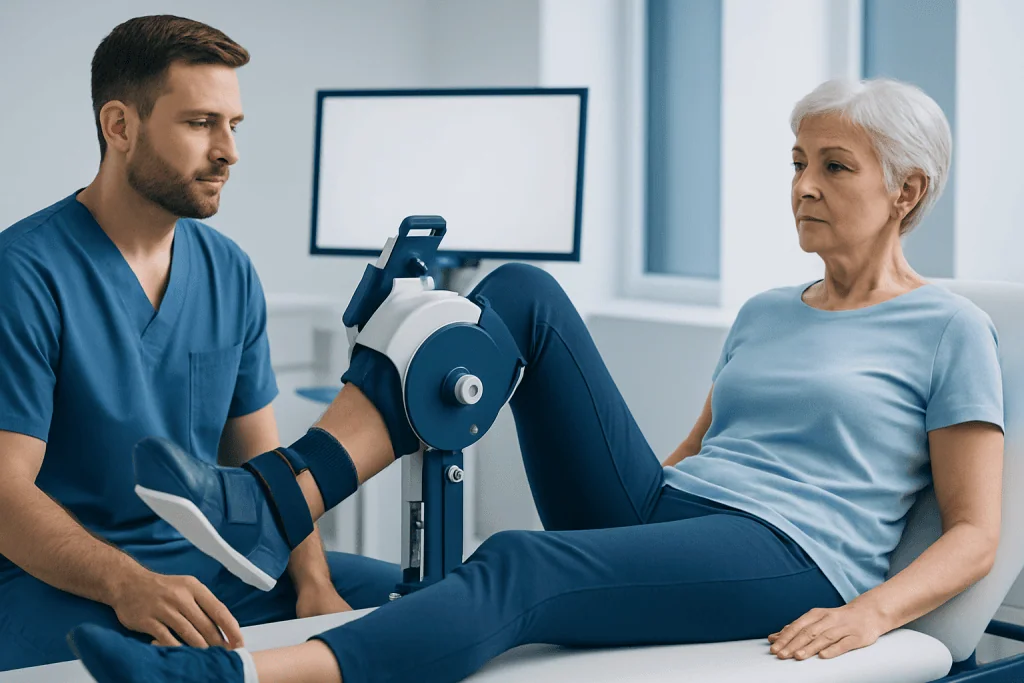
People may be referred for physical therapy when hip pain, stiffness, weakness or instability interferes with daily life. It can be appropriate for people who are managing a non-surgical condition, preparing for surgery, or recovering after a procedure such as hip replacement. The best candidates are those who can participate regularly, communicate changes in symptoms and follow a plan that is adapted as recovery progresses.
Before exercises begin, a physiotherapist usually asks about the onset of symptoms, pain location, previous injuries, medical conditions, medications, work demands and activity goals. The assessment may include observing walking, checking hip and lower-back movement, testing muscle strength and balance, and identifying which tasks are difficult. Imaging such as X-ray or MRI is not always needed for therapy, but existing results may help guide care.
A clinician may modify the plan for people with osteoporosis, inflammatory arthritis, recent surgery, neurological conditions, cardiovascular disease or other health concerns. After a serious injury or operation, the surgeon’s instructions take priority, including any temporary limits on weight-bearing, bending, twisting or certain ranges of movement.
What do you do at physical therapy for your hip?

A hip physical therapy visit commonly combines assessment, guided exercise, education and a home program. Early sessions may focus on easing pain, restoring comfortable movement and learning safe ways to sit, stand, walk and use stairs. As symptoms improve, the program usually shifts toward progressive strengthening, balance work and functional tasks that match a person’s home, job, hobbies or sport.
A typical session may start with gentle warm-up movement, followed by mobility exercises for the hip and nearby joints. Strength work may include controlled hip extension, abduction and rotation movements, as well as exercises for the thighs, trunk and calves. A therapist may use body weight, resistance bands, light weights, exercise machines or a pool when appropriate. Manual therapy or other symptom-relief techniques may sometimes be used, but active rehabilitation is usually central to longer-term progress.
Functional practice can include sit-to-stand movements, step-ups, single-leg balance, walking retraining, lifting technique or sport-specific drills. The therapist monitors form, pain response and fatigue, then changes the exercise difficulty gradually. Home exercises are often prescribed because regular, correctly performed practice between appointments is a major part of rehabilitation.
- Mobility work aims to improve comfortable movement without forcing painful ranges.
- Strengthening improves the ability of muscles to support the hip during activity.
- Balance and coordination work can reduce instability and improve confidence.
- Functional practice connects exercise gains to real-life tasks.
Step-by-step progression, benefits and possible risks
Most hip programs progress through stages rather than following a strict calendar. In an early phase, the priority is often symptom control, gentle movement and activation of muscles that may be inhibited by pain or swelling. The middle phase builds strength, endurance and control. In the later phase, exercises become more demanding and more specific to activities such as longer walks, stair climbing, work tasks, running or recreational sport.
Potential benefits include less pain, improved joint motion, stronger hip and leg muscles, better balance and greater independence in daily activities. For some people, rehabilitation can help delay or avoid unnecessary procedures; for others, it is an essential part of recovery before and after surgery. Results depend on the underlying condition, the severity of tissue damage, consistency with the program, general health and whether exercises are progressed appropriately.
Exercise can cause temporary muscle fatigue or mild soreness, especially when a program is new or advanced. However, sharp pain, marked swelling, a limp that is worsening, pain that persists well after exercise, or a significant decline in function should be reported to the therapist or doctor. Pushing through severe pain is not a reliable way to strengthen the hip and may delay recovery.
How long does it take to strengthen a weak hip?
Many people notice early improvements in muscle control, comfort or daily function within a few weeks of consistent training. More measurable strength gains commonly take several weeks to a few months because muscles and movement patterns need time to adapt. The exact timeframe varies considerably with the starting level of weakness, pain, diagnosis, age, overall health and how regularly the plan is completed.
Strengthening a weak hip is not only about adding resistance. A person may first need to regain comfortable motion, improve walking mechanics or address weakness in the trunk and thigh muscles. Progress is often gradual: an exercise may begin in a supported position and later advance to standing, single-leg or weighted versions as control improves.
Regular practice matters more than trying to do too much in one session. A physiotherapist can set realistic milestones and adjust the program if progress stalls, symptoms flare or a particular movement is not tolerated.
What is the number one exercise for hips?
There is no single number one exercise for every hip problem. The most useful exercise depends on whether the main concern is arthritis, tendon pain, postoperative recovery, a muscle strain, limited mobility, instability or a return-to-sport goal. An exercise that is helpful for one person may be unsuitable for another, particularly soon after surgery or injury.
For many people, exercises that strengthen the gluteal muscles are important because these muscles help control the pelvis and support the hip during walking and standing on one leg. Depending on the person’s ability, a therapist may use a bridge, side-lying hip abduction, a supported standing hip movement, sit-to-stand practice or step-up variations. Correct technique and suitable resistance are usually more important than choosing a popular exercise.
It is best to avoid copying advanced online routines when pain is unexplained, severe or linked to a recent injury. A qualified professional can identify the safest starting point and ensure that mobility, strength and functional training are appropriately balanced.
How long does physical therapy take for a hip?
The length of physical therapy for a hip varies widely. A mild overuse problem may improve over several weeks, while rehabilitation after a fracture, major tendon injury or joint replacement can take several months or longer. Appointments may become less frequent as a person gains confidence with an independent home program, but ongoing exercise is often needed to maintain improvements.
Recovery should be measured by meaningful function as well as time. Helpful signs include walking more comfortably, tolerating stairs, sleeping better, needing fewer activity modifications, improving balance and returning safely to desired activities. A therapist may repeat movement and strength tests to document changes and decide when it is appropriate to progress or complete formal therapy.
People undergoing surgery may benefit from coordinated prehabilitation and recovery planning. Hip replacement surgery is followed by a structured rehabilitation plan that accounts for the surgical approach, healing progress and the individual’s functional goals. The surgeon and physiotherapy team should provide specific advice on activity restrictions and return to driving, work or sport.
Self-care and when to seek medical care
Between therapy sessions, following the prescribed home program, pacing activities and avoiding sudden large increases in exercise can support recovery. Comfortable footwear, suitable walking aids when recommended, regular movement breaks and sleep positions that reduce discomfort may also help. Heat or cold may provide short-term relief for some people, but their use should be discussed with a clinician when there are circulation, skin-sensation or other health concerns.
Medical care should be sought promptly for severe hip pain after a fall or injury, inability to bear weight, a visibly changed hip position, fever with a hot or swollen joint, rapidly increasing swelling, new numbness or weakness, or loss of bladder or bowel control. These symptoms need urgent assessment and should not be managed with home exercises alone.
A routine medical appointment is appropriate for hip pain that lasts, repeatedly returns, disrupts sleep, limits work or daily activities, or does not improve with sensible activity modification. Acibadem International’s multidisciplinary specialists and JCI-accredited hospitals support diagnosis and rehabilitation planning for international patients with hip conditions.
Frequently asked questions
Can hip physical therapy exercises make pain worse?
A new exercise program can cause mild muscle fatigue or short-lived soreness, especially in the first weeks. Sharp pain, worsening pain, increased swelling or symptoms that remain worse after activity should be discussed with a physiotherapist or doctor. The exercise type, range, resistance or frequency may need adjustment.
Should hip exercises be done every day?
The appropriate schedule depends on the exercise and the person’s diagnosis. Gentle mobility work may be suitable more often, while strengthening exercises may require recovery time between sessions. A physiotherapist can provide a plan that balances consistency with safe recovery.
Do I need an X-ray or MRI before physical therapy for hip pain?
Not everyone needs imaging before beginning physical therapy. A clinician may diagnose many common hip problems through a medical history and physical examination. Imaging may be recommended when there has been trauma, symptoms are severe or persistent, or the diagnosis is uncertain.
Can I do hip physical therapy exercises after a hip replacement?
Yes, exercise-based rehabilitation is an important part of recovery after hip replacement, but the program must follow the surgeon’s instructions. Early exercises, movement precautions and weight-bearing guidance differ between individuals and procedures. The rehabilitation team will progress activity as healing and function allow.
Is walking good exercise for a weak hip?
Walking can be a useful low-impact activity for many people because it supports general fitness and functional mobility. However, the distance, pace and terrain should be matched to current symptoms and capacity. A person with significant pain, a new limp or a recent injury should seek professional advice before increasing walking volume.
When should someone stop an exercise and contact a doctor?
Exercise should be stopped and medical advice sought for severe or sharp pain, inability to bear weight, sudden weakness, new numbness, substantial swelling or symptoms following a fall. Fever with hip redness or warmth also needs prompt assessment. These signs may indicate a problem that requires more than routine rehabilitation.
References
- American Physical Therapy Association
- American Academy of Orthopaedic Surgeons
- National Institute of Arthritis and Musculoskeletal and Skin Diseases
- National Health Service
- World Health Organization
This article is for general information only and is not a substitute for professional medical advice. Please consult a qualified doctor about your individual situation.
Joint and spine care in Turkey — expert assessment & treatment
JCI-accredited · board-certified surgeons · reply within 24h
Add us as a Preferred Source to see more of our trusted health content across Google Search, AI Overviews and Discover.