Immunotherapy in Maryland: How It Works, Results and What to Expect

Immunotherapy is not one treatment; it includes several approaches that work with the immune system in different ways. Testing of the tumor and a review by an oncology team help determine whether immunotherapy is appropriate.
Key Takeaways
- Immunotherapy is not one treatment; it includes several approaches that work with the immune system in different ways.
- Testing of the tumor and a review by an oncology team help determine whether immunotherapy is appropriate.
- Some people respond within weeks, while others need several months before scans can show a clear pattern.
- Side effects often result from immune activity and should be reported early, even when they seem mild.
- Response rates vary widely by cancer type and treatment setting, so an individual estimate requires discussion with an oncologist.
Immunotherapy in Maryland refers to cancer care that uses medicines to help the immune system recognize and attack cancer cells. It can be effective for selected cancers and patients, but the likely benefit, treatment schedule and side effects depend on the cancer type, stage, biomarkers and overall health.
Overview: What Is Immunotherapy in Maryland?
Immunotherapy in Maryland is a term commonly used for cancer treatments that support, release or direct the body’s immune response against cancer. Unlike chemotherapy, which directly targets rapidly dividing cells, many immunotherapies help immune cells identify cancer cells more effectively. It may be used alone or alongside surgery, radiation therapy, chemotherapy, targeted therapy or other medicines.
The most widely used cancer immunotherapies are immune checkpoint inhibitors. These medicines block signals that can prevent T cells from attacking cancer. Other approaches include monoclonal antibodies, cancer vaccines, cellular therapies and cytokine-based treatments. The best approach depends on the specific diagnosis and the purpose of treatment, such as reducing recurrence risk after surgery, controlling advanced cancer or shrinking a tumor before another treatment.
Immunotherapy is not suitable for every cancer or every person. Cancer specialists use pathology reports, imaging results, molecular tests and a person’s medical history to determine whether it may provide a meaningful benefit. A treatment plan should be individualized and reviewed regularly as results become available.
How Immunotherapy Works
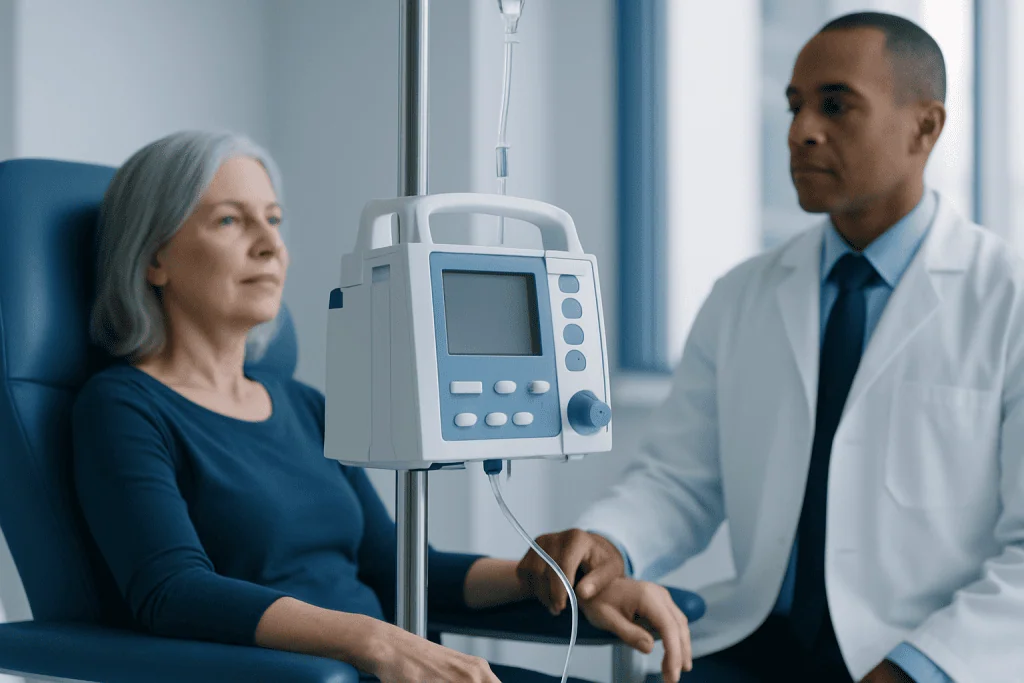
The immune system constantly monitors the body for infections and abnormal cells. Cancer can sometimes avoid this surveillance by using normal “checkpoint” pathways that tell immune cells not to react. Checkpoint inhibitors can block some of these pathways, allowing T cells to become more active against cancer cells.
Different immunotherapy types have different roles. Monoclonal antibodies may attach to a specific protein on cancer cells or immune cells. Cellular therapies may involve collecting and modifying a person’s immune cells before returning them to the body. Some treatments stimulate an immune response within or around a tumor. These options are generally offered for particular cancers and clinical situations rather than as interchangeable treatments.
Because immune responses can continue after a dose is given, treatment effects may develop gradually. In some cases, inflammation around a tumor can initially make it appear larger on a scan before it later decreases. Oncology teams interpret scan findings together with symptoms, laboratory tests and the overall clinical picture.
Who May Be a Candidate for Immunotherapy?

Candidacy depends primarily on the cancer type, its stage, prior treatments and tumor characteristics. Certain biomarkers can help predict whether a checkpoint inhibitor may be useful. Depending on the cancer, these may include PD-L1 expression, microsatellite instability, mismatch repair deficiency, tumor mutational burden or other molecular changes. A biomarker result can inform decisions, but it does not guarantee a response.
Doctors also consider general health, organ function, current medicines and any history of autoimmune disease, organ transplantation or chronic infection. People with autoimmune conditions can sometimes still receive immunotherapy, but they may need a more careful risk-benefit assessment because immune stimulation could worsen inflammatory symptoms. Pregnancy, previous serious immune-related side effects and certain transplant situations require specialized discussion.
A multidisciplinary review can be helpful when treatment choices are complex. This may include medical oncology, surgical oncology, radiation oncology, pathology, radiology, nursing and supportive-care specialists. For some diagnoses, cancer-specific information such as lung cancer or melanoma may help patients understand how treatment selection differs by disease.
What Happens During Immunotherapy Treatment?
Before treatment begins, the oncology team usually reviews the diagnosis, treatment goals, pathology and biomarker findings. Baseline blood tests and, when needed, imaging are obtained. Patients should tell their team about all medicines, supplements, allergies, past autoimmune conditions and new symptoms. The team explains the proposed medicine, schedule, monitoring plan and symptoms that should prompt a call.
Many checkpoint inhibitors are given through an intravenous infusion at an outpatient cancer center, often every few weeks depending on the medicine and regimen. The infusion itself may take from a short visit to several hours, particularly for an initial appointment or combination treatment. Staff monitor for an infusion reaction, although severe immediate reactions are uncommon with many agents.
Some forms of immunotherapy are more intensive. Cellular therapies, for example, may involve cell collection, laboratory processing, preparatory treatment and close observation in a specialized center. The practical steps therefore vary considerably. Patients should ask how long each visit may take, whether someone should accompany them and what follow-up testing is planned.
When appropriate, an oncology team may discuss immunotherapy treatment options as part of an overall cancer plan. The plan may change if scans show progression, side effects become significant or new treatment information becomes available.
Benefits, Risks and Recovery Timeline
The potential benefit of immunotherapy is durable cancer control in some people and cancers. Some patients have substantial tumor shrinkage, while others have stable disease for a period of time. Immunotherapy may also lower the risk of recurrence in selected earlier-stage cancers. However, some cancers do not respond, and a response cannot be predicted from symptoms alone.
Many people return home on the same day after an infusion and can continue usual activities if they feel well. There is no single recovery timeline because immunotherapy is commonly delivered over months, and energy levels may fluctuate. Mild fatigue, temporary aches, itching or rash can occur. Follow-up appointments, blood tests and imaging are used to monitor treatment safety and effect.
Immune-related adverse events happen when activated immune cells affect healthy organs. They can involve the skin, bowel, lungs, liver, kidneys, hormone-producing glands, nerves or other tissues. Symptoms may include persistent diarrhea, abdominal pain, worsening cough, shortness of breath, yellowing of the skin or eyes, severe headache, unusual weakness or changes in vision. Early reporting allows the oncology team to assess symptoms and provide treatment, which may include pausing immunotherapy or using medicines that reduce inflammation.
Patients should not assume that a side effect means treatment is working, or that no side effects means it is not working. Careful monitoring and prompt communication are the safest ways to manage treatment.
How Long Does It Take for Immunotherapy to Kick In?
Immunotherapy may begin activating immune pathways soon after treatment starts, but a measurable cancer response usually takes longer. Some people show changes on scans within several weeks, while others need two to three months or longer before the effect is clear. The timing depends on the cancer, immunotherapy type, whether it is combined with other treatments and the person’s immune response.
Doctors commonly schedule imaging after a planned number of treatment cycles rather than judging success after one infusion. In selected situations, an early scan can be difficult to interpret because immune cells may cause inflammation or temporary enlargement of a tumor. If a person is clinically stable, the team may repeat imaging to clarify whether the cancer is truly progressing.
New or worsening symptoms should always be reported rather than waiting for the next scan. The care team can determine whether symptoms are caused by cancer, treatment side effects, infection or another health issue.
What Are Good Signs Immunotherapy Is Working?
The most reliable signs are objective findings reviewed by the oncology team: tumors becoming smaller on imaging, no new cancer sites, improvement in blood markers when those markers are relevant, or disease remaining stable over time. For people who had cancer-related symptoms before treatment, less pain, improved appetite, easier breathing or better energy may also be encouraging.
Symptoms alone cannot confirm a response. Some people feel better before imaging changes are visible, while others feel much the same even when scans show improvement. Conversely, fatigue, rash or other immune-related side effects do not reliably indicate that the cancer is responding.
Regular assessment is important because cancer treatment decisions require the full context of scans, examinations, laboratory results and quality of life. Patients can ask their oncologist what outcome measures will be used and when results are expected.
What Is the Average Success Rate of Immunotherapy for Cancer Patients?
There is no single average success rate for immunotherapy because results differ widely across cancer types, stages, biomarker groups and treatment settings. In some cancers with favorable biomarkers, a meaningful proportion of patients may have a long-lasting response. In other cancers, response is less common, and immunotherapy may work best when combined with surgery, chemotherapy, radiation or targeted treatment.
“Success” can also mean different things. It may refer to complete tumor disappearance, partial tumor shrinkage, stable disease, longer survival or a reduced chance of recurrence after earlier-stage treatment. A person’s oncologist can discuss published results that are relevant to their exact diagnosis and explain what the treatment goal is in their situation.
It is reasonable to ask whether the cancer has a biomarker linked with immunotherapy response, how response will be assessed and what alternatives are available if the treatment does not work. This supports informed, realistic decision-making without relying on a general percentage that may not apply.
How Do You Feel Immediately After Immunotherapy?
Many people feel no major change immediately after an immunotherapy infusion and can go home the same day. Others may feel tired, have mild body aches, nausea, chills, headache or temporary flu-like symptoms. These effects vary by medicine and can also be influenced by travel, stress, sleep and other treatments received at the same time.
A reaction during or shortly after an infusion is possible, although staff monitor patients and can respond quickly. Patients should notify the treatment team right away about itching, hives, dizziness, fever, chest tightness, trouble breathing or swelling. They should follow the center’s instructions about driving, activity and medications after the appointment.
Some immune-related side effects arise days to weeks later and may occur even after treatment has stopped. Patients should keep the oncology team’s contact information available and report new symptoms promptly, rather than attempting to self-treat persistent or severe symptoms.
When to Seek Medical Care
People receiving immunotherapy should contact their cancer team promptly for new, persistent or worsening symptoms, especially diarrhea, abdominal pain, fever, rash, worsening cough, breathlessness, chest pain, severe fatigue, confusion, severe headache, jaundice, reduced urine output or unusual weakness. These symptoms may have many causes, but early assessment is important because immune-related inflammation can become more serious if left untreated.
Emergency medical care is appropriate for severe trouble breathing, severe chest pain, fainting, sudden confusion, seizures, facial or throat swelling, uncontrolled bleeding or signs of a severe allergic reaction. Patients should tell emergency clinicians that they are receiving or have recently received immunotherapy.
For international patients, Acibadem International’s multidisciplinary specialists and JCI-accredited hospitals provide diagnostic evaluation and cancer treatment planning. Ongoing communication with the treating oncology team remains essential throughout treatment and follow-up.
Frequently asked questions
Is immunotherapy the same as chemotherapy?
No. Chemotherapy directly damages or slows rapidly dividing cells, while immunotherapy helps the immune system recognize or attack cancer cells. They may be used separately or together, depending on the cancer and treatment goal.
Can immunotherapy cure cancer?
For some people and cancers, immunotherapy can produce a complete and durable response. However, it does not cure every cancer, and outcomes vary greatly by diagnosis, stage, biomarkers and individual health factors. An oncologist can explain the goal of treatment in a specific case.
How long is a course of immunotherapy?
Treatment length varies by medicine, cancer type and whether immunotherapy is being used before surgery, after surgery or for advanced cancer. Some courses last a defined number of months, while others continue as long as the cancer is controlled and side effects remain manageable. The care team reviews duration regularly.
Can immunotherapy side effects start late?
Yes. Immune-related side effects can begin during treatment, after several doses or occasionally after treatment has ended. New symptoms should be reported promptly, even if they seem unrelated to cancer treatment.
Will everyone have side effects from immunotherapy?
No. Some people have few or no noticeable side effects, while others develop mild or more significant immune-related effects. The absence of side effects does not mean the medicine is ineffective, and side effects do not prove that it is working.
Can a person work during immunotherapy treatment?
Many people can continue working or maintain parts of their routine, particularly with outpatient infusions. Fatigue, appointments and possible side effects may require schedule changes. Patients should discuss work demands and practical support needs with their oncology team.
References
- National Cancer Institute
- American Cancer Society
- American Society of Clinical Oncology
- U.S. Food and Drug Administration
- National Comprehensive Cancer Network
This article is for general information only and is not a substitute for professional medical advice. Please consult a qualified doctor about your individual situation.
Immunotherapy in Turkey — costs, top hospitals & a free quote
JCI-accredited · board-certified surgeons · reply within 24h
Add us as a Preferred Source to see more of our trusted health content across Google Search, AI Overviews and Discover.

Medical Oncology Department
Medical treatment of cancer with chemotherapy, immunotherapy and targeted therapies under a multidisciplinary tumor board.
60 specialists in this unitMore from the Health Library



Related Specialists

Prof. Dr. Özlem Sönmez
Internal Medicine
Prof. Dr. İsmail Çepni
Gynecology & Obstetrics
Assoc. Prof. Dr. Mustafa Seçkin
Neurology
Dr. Engin Altunkaya
General Surgery