Can You Drive after Radiation Treatment: How It Works, Results and What to Expect

External-beam radiation does not make a person radioactive, so it is generally safe to be around others and to drive when feeling well. A first treatment visit, sedation, brain treatment, severe fatigue, and certain medicines may mean arranging a ride home.
Key Takeaways
- External-beam radiation does not make a person radioactive, so it is generally safe to be around others and to drive when feeling well.
- A first treatment visit, sedation, brain treatment, severe fatigue, and certain medicines may mean arranging a ride home.
- Side effects often build gradually during treatment and may peak in the days or weeks after it ends.
- The number of radiation sessions varies widely according to the cancer type, location, treatment goal, and radiation plan.
- Patients should follow the individualized advice of their radiation oncology team about driving, work, activity, and follow-up.
Most people can drive after radiation treatment when they feel alert, steady, and well enough to drive safely. However, driving may not be appropriate after sedation, treatment affecting vision or coordination, or when fatigue, pain medicines, or new symptoms make driving unsafe.
Can You Drive After Radiation Treatment?
In many cases, a person can drive after radiation treatment, particularly after routine external-beam radiation therapy, if they feel fully alert and physically able to drive safely. The treatment itself is painless, and external radiation does not remain in the body or make the person radioactive.
Driving should be avoided when a person has received sedating medication, feels unusually tired, dizzy, weak, confused, nauseated, or has changes in vision, balance, or concentration. The radiation oncology team can give individual guidance because safety depends on the treatment area, symptoms, other treatments, and medicines being used.
For the first appointment or any session involving a procedure, imaging contrast, medication for anxiety, or treatment to the brain or nervous system, arranging a trusted driver is often sensible. It is also helpful to have flexible transport plans throughout a course of therapy, since side effects can change over time.
How Radiation Therapy Works and Who May Need It
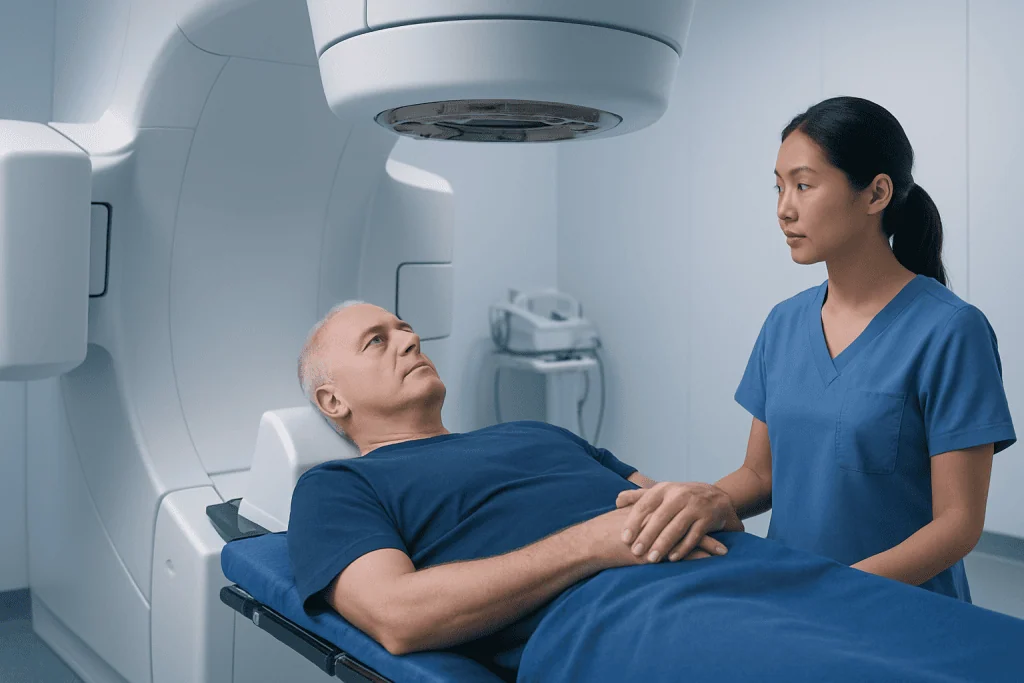
Radiation therapy uses carefully targeted high-energy radiation to damage the DNA of cancer cells. Cancer cells are less able than healthy cells to repair this damage, so they gradually stop growing or die. Healthy tissue near the treatment area can also be affected, which is why treatment planning aims to deliver the needed dose as precisely as possible.
Radiation may be used to cure cancer, reduce the chance that cancer returns after surgery, shrink a tumor before surgery, or relieve symptoms such as pain or bleeding. It may be given alone or combined with surgery, chemotherapy, immunotherapy, hormone therapy, or other treatments.
Candidacy is determined by a multidisciplinary cancer team. They consider the cancer type, stage, location, prior treatments, overall health, goals of care, and whether radiation can be delivered while protecting nearby organs. A discussion with a radiation oncologist helps patients understand the expected benefits, possible side effects, and practical implications for daily life.
What Happens During a Course of Radiation Treatment

Before treatment begins, patients usually have a planning appointment called simulation. The team may perform imaging, such as CT scanning, and may make an immobilization device, mask, or body support to help the patient stay in the same position each day. Small skin marks or tattoos may be used as positioning guides.
Radiation specialists then design a personalized plan that defines the treatment area and protects nearby healthy structures as much as possible. At each external-beam treatment appointment, the patient is positioned on a treatment table while staff monitor from another room. The machine may move around the body, but it does not touch the patient and treatment is not usually felt.
Most individual sessions are short, although setup and positioning can take longer than the radiation delivery itself. Internal radiation, also called brachytherapy, follows a different process and may involve placement of radioactive material inside or near the treatment area. The care team will explain any specific activity or travel restrictions for that treatment type.
Modern planning and delivery methods are part of radiotherapy care. Patients should tell the treatment team about new symptoms, changes in medicines, pregnancy concerns, or difficulty lying still before each session.
Can I Drive Myself Home After Radiation Therapy?
Many people can drive themselves home after standard external-beam radiation therapy because no anesthetic is routinely required and the treatment does not cause immediate impairment. Still, it is important to make the decision based on how the person feels that day rather than on a general rule.
A ride home is recommended if the person has taken a sedative, opioid pain medicine, anti-anxiety medicine, or any drug that can reduce alertness. It is also wise to avoid driving after a procedure involving anesthesia, after a new medication causes drowsiness, or when there is vomiting, severe pain, weakness, faintness, blurred vision, or difficulty thinking clearly.
Some patients receiving treatment for brain tumors, spinal tumors, or cancers affecting mobility may be advised not to drive because of seizures, neurologic symptoms, or legal driving restrictions. A clinician should confirm when driving is appropriate in these circumstances. Patients should also check local regulations and their insurer’s requirements where relevant.
Recovery Timeline, Benefits, and Possible Side Effects
Radiation therapy can provide important benefits, including tumor control, a lower risk of recurrence in selected situations, and symptom relief. Its effects occur over time rather than immediately. The treatment team monitors progress and manages side effects during regular review appointments.
Side effects depend mainly on the body area treated, the total dose, the treatment schedule, and whether other therapies are being given. Common general effects include fatigue and skin changes in the treatment area, such as redness, dryness, tenderness, itching, or peeling. Depending on the treatment site, people may also experience mouth soreness, swallowing difficulties, bowel or bladder changes, hair loss within the treated area, or temporary changes in appetite.
Many effects begin gradually after treatment starts and improve within several weeks after treatment ends. Some symptoms can last longer or develop later, so follow-up is important. The care team can recommend skin care, nutrition support, symptom medicines, activity adjustments, and rehabilitation when needed.
People who need cancer treatment planning across specialties may also benefit from information about cancer care and coordinated supportive services. Individual recovery varies, and patients should not compare their pace of recovery with someone else’s.
What Are the Hardest Days After Radiation Treatment?
For many patients, the hardest days are not necessarily the day of the last radiation session. Side effects can continue to build for one to two weeks after a course of external-beam therapy ends because radiation-related changes in tissues take time to develop. The exact pattern depends on the treated body area and the treatment plan.
Fatigue may be more noticeable toward the end of treatment and in the first few weeks afterward. Skin reactions can also peak after treatment is completed before they begin to heal. For treatment involving the head and neck, chest, abdomen, pelvis, or prostate area, local symptoms may temporarily feel more intense before improving.
Rest, regular fluids, nourishing food, gentle activity as tolerated, and following the team’s skin and symptom-care instructions can support recovery. Patients should contact their radiation team rather than trying to manage severe or worsening symptoms alone.
What Can You Not Do During Radiation Treatment?
Most people can continue many usual activities during radiation treatment, including walking, social contact, and some work, as energy allows. Restrictions are individualized. The care team may recommend avoiding smoking, limiting alcohol, protecting treated skin from sun and friction, and not applying creams, deodorants, supplements, or herbal products to the treatment area unless approved.
Patients should not skip appointments or change prescribed medicines without discussing this with their clinicians. They should also avoid driving or operating machinery when tired, sedated, dizzy, or affected by symptoms that reduce safe reaction time. Contact sports or strenuous activity may need to be limited after certain surgeries, with bone involvement, or when blood counts are low from combined treatments.
People receiving internal radiation may have specific precautions related to the type of implant or radioactive source used. These instructions can include temporary limits on close contact with children or pregnant people in selected circumstances. The treatment team will provide clear written guidance when these precautions apply.
- Keep all planning, treatment, and review appointments.
- Use only team-approved products on treated skin.
- Report new symptoms promptly, especially symptoms affecting driving safety.
- Ask before taking new vitamins, supplements, or non-prescription medicines.
How Many Rounds of Radiation Is Normal?
There is no single normal number of radiation rounds. A course may involve one treatment, several treatments over a few days, or daily weekday sessions over several weeks. The schedule is chosen to balance effectiveness, convenience, and protection of healthy tissues.
Shorter schedules are increasingly used for some cancers and for symptom relief, while other situations require longer courses. Stereotactic techniques may deliver a high dose in a small number of precisely planned sessions, whereas conventional fractionated radiation divides the dose into more sessions. Brachytherapy schedules also vary according to the cancer and treatment approach.
Patients should ask their radiation oncologist why a particular schedule has been recommended and what may happen if a session must be delayed. Acibadem International’s multidisciplinary specialists and JCI-accredited hospitals support international patients receiving individualized radiation treatment and follow-up care.
When to Seek Medical Care
Patients should contact their radiation oncology team promptly for side effects that are severe, sudden, worsening, or difficult to manage. The team is best placed to assess whether symptoms are expected treatment effects, whether medication or supportive care is needed, and whether driving should be paused.
Urgent medical assessment is needed for chest pain, severe shortness of breath, fainting, new confusion, a seizure, sudden weakness or numbness, uncontrolled vomiting, heavy bleeding, a high fever, or signs of a serious allergic reaction. Emergency services should be used for symptoms that may be life-threatening.
Less urgent but important reasons to call include painful or blistering skin changes, inability to drink enough fluids, persistent diarrhea, severe constipation, painful urination, uncontrolled pain, or fatigue that makes normal self-care difficult. Bringing a family member or friend to appointments can help with transport and remembering instructions when symptoms are burdensome.
Frequently asked questions
Can you drive after radiation treatment?
Most people can drive after routine external-beam radiation treatment if they feel alert, steady, and able to concentrate. They should not drive if they have taken sedating medicine or have fatigue, dizziness, nausea, vision changes, weakness, or other symptoms that could affect safety. Their radiation team can provide advice tailored to the treatment area and medical situation.
Can I drive myself home after radiation therapy?
Often, yes, after a standard external-beam session. However, a person should arrange a ride if sedation, anesthesia, a procedure, new medicines, or troubling symptoms are involved. A ride is also sensible for the first session if the person is unsure how they will feel.
What are the hardest days after radiation treatment?
Side effects commonly become more noticeable toward the end of treatment and may peak in the first one to two weeks after the final session. Fatigue and skin reactions are common examples, though the timing differs by treatment site. Symptoms should gradually improve, but persistent or worsening symptoms should be discussed with the care team.
What can you not do during radiation treatment?
Most daily activities are possible, but patients should avoid activities that are unsafe when they are tired or unwell, including driving while drowsy or dizzy. They should not use unapproved skin products, supplements, or medicines without asking their team. Specific restrictions may apply after internal radiation or when other cancer treatments are being given.
How many rounds of radiation is normal?
The number of sessions varies greatly and there is no universal normal course. Some treatment plans use one to five sessions, while others involve weekday treatment over several weeks. The schedule is based on the cancer type, location, treatment goal, and the safest way to protect nearby healthy tissue.
Does radiation therapy make a person radioactive?
External-beam radiation therapy does not make a person radioactive. They can usually be around family members, children, and pregnant people without exposing them to radiation. Some forms of internal radiation have temporary precautions, and the treatment team will explain these clearly if they apply.
References
- National Cancer Institute
- American Cancer Society
- American Society for Radiation Oncology
- Cancer Research UK
- National Health Service
This article is for general information only and is not a substitute for professional medical advice. Please consult a qualified doctor about your individual situation.
Persistent digestive symptoms? Get evaluated in Turkey
JCI-accredited · board-certified surgeons · reply within 24h
Add us as a Preferred Source to see more of our trusted health content across Google Search, AI Overviews and Discover.

More from the Health Library



Related Specialists

Dr. Evrim Ergin
Anesthesiology
Prof. Dr. Volkan Noyan
Gynecology & Obstetrics
Dr. Türker Ertürk
General Surgery
Prof. Dr. Bülent Karabulut
Medical Oncology