

Flying After Gallbladder Surgery: Timing and Precautions

Flying after gallbladder surgery is often possible after 1–2 weeks for keyhole surgery, with surgeon clearance; longer may be needed after open surgery.
Flying after gallbladder surgery is usually considered only once you are medically stable, mobile, eating and drinking adequately, and your surgeon agrees that travel is appropriate. For many people after uncomplicated laparoscopic surgery, this may be around 1–2 weeks; open surgery, complications, long flights, or individual health factors can mean waiting longer.
At a glance
- Typical keyhole-surgery timing: Often 1–2 weeks, with surgeon approval
- Open surgery timing: Frequently 4–6 weeks or as advised
- Before you fly: Be mobile, stable, hydrated and comfortable
- Important travel risk: Blood clots increase with surgery and long periods sitting
- Best first step: Ask your operating surgeon for written fitness-to-fly advice
Flying After Gallbladder Surgery: Timing and Precautions
You should not book or take a flight after gallbladder surgery until your own surgeon says you are fit to travel. After an uncomplicated laparoscopic (keyhole) gallbladder removal, some people can fly after about 1–2 weeks, while open surgery commonly requires a longer recovery period, often several weeks. Your exact timeline depends on the type of operation, your pain control, wound healing, bowel function, other medical conditions, and the length of your journey.
Air travel is not only about being able to sit in a seat. You need to be able to walk safely, manage your medication, drink fluids, access help if needed, and recognise signs that require urgent care. If you are returning home from Turkey after treatment, your care team should help you plan a review before departure and provide the clinical documents needed for your local doctor.
Do not rely on a general timeline alone, including advice found in flying after gallbladder surgery Reddit discussions. Personal experiences can be useful for practical ideas, but they cannot account for the details of your surgery or recovery. Follow the discharge instructions from your surgeon and contact the team promptly if recovery is not progressing as expected.
How long after gallbladder surgery can you fly in an airplane?
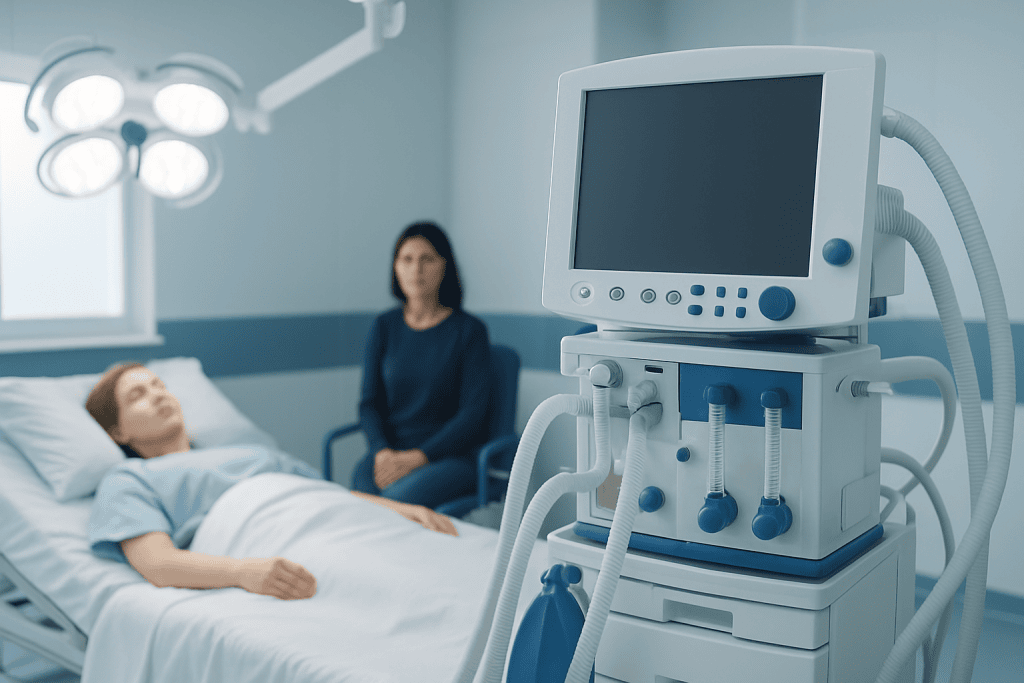
For uncomplicated laparoscopic gallbladder surgery, surgeons may allow a short flight after roughly 1–2 weeks if you are recovering well. A long-haul flight may warrant a more cautious plan because sitting for extended periods can increase the risk of deep vein thrombosis (DVT), particularly soon after an operation. Your surgeon may recommend waiting longer, using compression stockings, taking preventive medication, or arranging other precautions based on your individual risk.
After open gallbladder surgery, travel is often delayed for around 4–6 weeks, sometimes longer. Open surgery involves a larger incision and generally a slower return to normal movement and comfort. If surgery was performed urgently, involved infection or inflammation, or was followed by a complication, the safe timeframe may be different again.
Airline policies vary. Some carriers request a medical certificate after recent surgery, and most can require it if there is any question about your fitness to fly. Ask the airline what documentation it needs before you travel, but remember that airline permission does not replace medical clearance from your surgeon.
- Short flight: may be considered sooner once you have surgeon approval and are mobile.
- Long-haul flight: often needs additional clot-prevention planning and may need a longer wait.
- Open or complicated surgery: commonly requires a more extended recovery before flying.
A practical timeline for travel after gallbladder removal
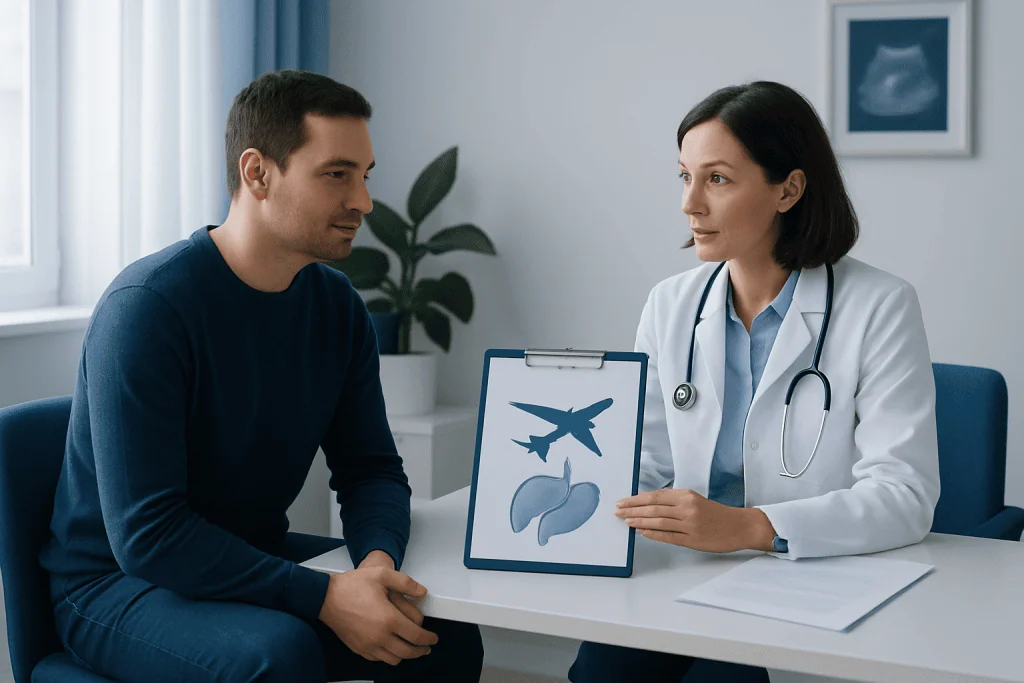
The following is a general guide, not a substitute for the instructions given by your operating surgeon. The day your operation occurred is counted as day 0. If you have fever, worsening pain, vomiting, breathing problems, wound concerns, jaundice, leg swelling, or any unexpected symptom, do not use this timeline to decide that travel is safe—seek medical advice.
| Recovery period | What is usually important | Flying considerations |
|---|---|---|
| Days 0–2 | Early recovery, pain and nausea management, gentle walking, monitoring for complications. | Generally avoid flying unless your surgical team specifically considers it necessary and safe. |
| Days 3–7 | Gradually increasing movement, tolerating food and fluids, checking wounds and bowel function. | Many people are not yet ready for routine air travel; obtain individual advice. |
| Week 1–2 | Some people feel substantially better after uncomplicated keyhole surgery. | A short flight may be possible for selected patients with explicit surgeon clearance. |
| Weeks 2–4 | Ongoing improvement in stamina and comfort; gradual return to daily activities. | Many laparoscopic patients can travel if cleared, but long-haul precautions may still be needed. |
| Weeks 4–6+ | Typical recovery window after open surgery, though individual healing varies. | Travel may be considered once healing, mobility and medical review support it. |
If you are travelling internationally after treatment, build flexibility into your itinerary. A changeable ticket, a companion where possible, travel insurance that covers changes, and a few extra days in the treatment city can reduce pressure to fly before you are ready. Acibadem International patient services can help coordinate follow-up timing, interpreter support and practical travel arrangements around the care plan.
How soon can I travel after gallbladder removal?
You may be able to travel locally before you are ready to fly, but the same recovery principles apply. Avoid a long car, coach, train or ferry journey if pain, nausea, dizziness, fatigue, limited mobility, or frequent need for a toilet would make the trip difficult. For the first few days, a nearby place to rest and easy access to your surgical team are usually more important than reaching a destination quickly.
For road travel, do not drive until you can comfortably wear a seatbelt, perform an emergency stop without pain or hesitation, and are no longer taking sedating pain medicines. Your surgeon and insurer may have additional advice. As a passenger, stop regularly on longer trips to walk gently, stretch your calves, drink water and avoid remaining still for hours.
When returning home from Istanbul or elsewhere in Turkey, allow time for your final assessment and ask for a discharge summary, operative information, medication list, test results where relevant, and contact details for follow-up questions. Keep these documents in your hand luggage, along with enough prescribed medicine for the journey and several days after arrival.
How much bed rest is needed after gallbladder surgery?
Most people do not need prolonged bed rest after gallbladder surgery. Rest is important, especially during the first days, but gentle movement as advised by your care team is usually encouraged because it supports circulation, breathing and bowel function. Short, frequent walks around your room or home are often more helpful than staying in bed for long periods.
Your activity should increase gradually. You may need help with bags, meals, childcare or stairs initially, and you should avoid heavy lifting and strenuous activity until your surgeon says it is safe. The exact restriction period differs between laparoscopic and open surgery, as well as between patients, so use the instructions provided at discharge.
Listen to your body without assuming that severe or worsening discomfort is normal. Contact your surgeon if pain is escalating rather than improving, you cannot keep fluids down, you develop a fever, your abdomen becomes increasingly swollen, or your wound becomes red, hot, swollen or draining. These symptoms should be assessed before any travel is considered.
What is the hardest day after gallbladder surgery?
There is no single hardest day for everyone. Many people find the first 24–72 hours the most uncomfortable because of incision pain, tiredness, nausea after anaesthesia, and—in laparoscopic surgery—shoulder-tip discomfort from the gas used during the operation. Others find days 3–5 challenging as they become more active, manage constipation, or adjust to eating regular meals again.
You should generally see gradual improvement over time, not a sudden deterioration. It is common to have variable energy and some abdominal tenderness during early recovery, but severe pain, persistent vomiting, high fever, chills, shortness of breath, yellowing of the skin or eyes, or new one-sided leg swelling are not symptoms to push through for a flight.
Try to plan your journey for a point in recovery when you can move about comfortably, sleep reasonably, eat and drink enough, and feel confident managing the practical demands of the airport. If you are uncertain, it is safer to ask your surgeon whether delaying travel is advisable than to feel pressured by a fixed booking.
Preparing for a safer flight after gallbladder surgery
Once your surgeon has cleared flying after gallbladder removal surgery, plan the journey around comfort, mobility and blood-clot prevention. Choose an aisle seat if available, arrive with enough time to avoid rushing, request airport assistance if walking long distances is difficult, and keep your most important belongings within easy reach. Do not lift heavy cabin bags into overhead lockers; ask your companion or airline staff for help.
During the flight, drink water regularly unless you have been given a fluid restriction. Move your ankles and calves while seated, and get up for short walks when it is safe to do so. Wear loose clothing that does not rub on your incisions, keep pain medicine prescribed by your doctor in your hand luggage, and avoid alcohol if it conflicts with medication, hydration or recovery advice.
Ask your surgeon whether compression stockings or anticoagulant medication are appropriate for you; they are not necessary or suitable for every patient. Risk is influenced by your age, mobility, flight duration, prior clotting history, weight, smoking, hormone treatment, cancer, pregnancy or recent pregnancy, and other health conditions. A multidisciplinary team can tailor advice when risk factors are present.
Step by step
- Ask for individual fitness-to-fly clearance. Speak with your operating surgeon before confirming travel, especially if your flight is within the first few weeks after surgery. Tell the team the flight duration, connections, planned date, whether you will travel alone, and any history of blood clots or other health conditions.
- Schedule a review before departure. Arrange a postoperative check that leaves time to change your plans if needed. If you are treated at Acibadem International, ask the international patient team how your review, discharge documents and travel timeline can be coordinated.
- Confirm airline requirements. Contact your airline before travel to ask whether a medical certificate or special clearance is required after recent surgery. Request mobility assistance in advance if airport walking, standing in queues or handling luggage may be difficult.
- Plan clot-prevention measures. Follow the preventive plan set by your surgeon for the length of your journey and your personal risk factors. This may include frequent movement, hydration, compression stockings or prescribed medication; do not start medication without medical advice.
- Pack for recovery, not just the flight. Carry your discharge summary, medication list, prescriptions, surgeon contact details and travel insurance information in hand luggage. Pack enough medication for delays and keep a light layer, water bottle where permitted, wound-safe clothing and simple snacks available.
- Make movement manageable. Choose an aisle seat where possible and avoid lifting or rushing. Walk gently before boarding and during the journey when safe, while using ankle circles and calf exercises if you must remain seated.
- Know when not to travel. Postpone travel and seek urgent clinical advice for symptoms such as chest pain, shortness of breath, coughing blood, fainting, new leg swelling, persistent vomiting, high fever, worsening abdominal pain or jaundice. These can indicate problems that need assessment rather than in-flight management.
Your checklist
- Written approval or clear advice from your operating surgeon
- A postoperative review completed before departure
- Airline policy checked, including medical-certificate requirements
- Travel insurance and emergency assistance details available
- Discharge summary, medication list and surgeon contact details in hand luggage
- Enough prescribed medication for travel delays and the first days at home
- Aisle seat or mobility assistance requested if helpful
- A plan for regular walking, calf exercises and hydration during travel
- A companion or local support plan if you need help after arrival
Key takeaways
- After uncomplicated laparoscopic gallbladder surgery, flying may be possible around 1–2 weeks, but only with individual surgeon clearance.
- Open surgery, complications and long-haul travel usually require a longer and more cautious plan.
- Prolonged bed rest is generally not needed; gentle movement and rest in balance are important during recovery.
- Fitness to fly includes more than wound healing: you should be mobile, stable, hydrated and able to manage the journey.
- Arrange follow-up, medical records, medications and airline support before international travel.
Frequently asked questions
Can I fly after laparoscopic gallbladder surgery?
You may be able to fly after laparoscopic gallbladder surgery once your surgeon confirms that your recovery is uncomplicated and you are fit for the journey. For some people this is around 1–2 weeks, but it can be longer depending on pain, mobility, wound healing, other health conditions and the flight length. Do not travel based on timing alone without discussing it with your surgical team.
Is it safe to take a long-haul flight after gallbladder removal?
A long-haul flight needs more planning than a short journey because you will sit for an extended period after recent surgery. Your surgeon may advise delaying travel or using individual clot-prevention measures based on your risk factors. Get up and walk when safe, exercise your calves while seated, stay hydrated and follow the specific plan you are given.
Why might I need to wait before flying after gallstone surgery?
Flying after gallstone surgery can be difficult if you still have pain, nausea, limited mobility or a developing complication. Recent surgery and prolonged sitting can also increase the risk of blood clots in some people. The wait gives your team an opportunity to check that you are healing well and that travel can be managed safely.
Can I travel alone after gallbladder surgery?
Some people can travel alone after a smooth laparoscopic recovery, but it is best decided with your surgeon. Consider whether you can move through the airport, manage luggage, take medication, handle delays and access help if you feel unwell. A companion or pre-booked airport assistance can make the journey more manageable.
When can I drive after gallbladder surgery?
You should not drive until you can safely control the vehicle, wear a seatbelt comfortably, make an emergency stop without pain and are no longer using sedating medicines. This often occurs sooner after laparoscopic surgery than after open surgery, but your own surgeon's instructions and insurance requirements should guide you. If in doubt, arrange a lift instead.
What should I eat before and during a flight after gallbladder removal?
Choose foods that you already know you tolerate and keep meals light, especially early in recovery. Some people have temporary digestive changes after gallbladder removal, and rich or fatty foods may trigger discomfort or diarrhoea. Drink water regularly unless your care team has told you otherwise, and carry suitable snacks for delays.
What symptoms mean I should delay my flight?
Delay travel and seek medical advice for fever, worsening or severe abdominal pain, persistent vomiting, inability to drink fluids, increasing wound redness or drainage, jaundice, chest pain, shortness of breath, fainting, or new swelling and pain in a leg. These symptoms may need urgent assessment. Do not assume they can be managed after you arrive home.
Add us as a Preferred Source to see more of our trusted health content across Google Search, AI Overviews and Discover.

More Patient Guides

How to Sleep After a Hair Transplant: Positions and Timeline
How to sleep after a hair transplant: keep your head elevated, avoid graft pressure, and follow your surgeon’s timeline in Turkey or…
8 min read
Hair Transplant Recovery Timeline: Day by Day and Month by Month
Hair transplant recovery timeline: expect scabs for 7–14 days, shedding in weeks 2–8, early growth by month 3–4 and fuller results over…
9 min read
How to Prepare for Hospital Discharge in Turkey if You Are Recovering Alone
Hospital discharge in Turkey if recovering alone is safer with a written plan, transport, medicines, follow-up and daily support arranged before you…
10 min read