

How Long After Dental Implants Can You Eat Normally?

You can usually eat soft foods on the day of surgery, once the numbness has fully worn off. Returning to normal eating is gradual and commonly takes several weeks, not days. Your timeline depends on how many implants you had, whether extractions or bone grafting were involved, where the implant sits, and your surgeon's healing plan.
Wondering whether you will manage dinner tonight, or when you can finally bite into something you actually enjoy? It is one of the first questions patients ask. Most people can eat soft foods soon after a dental implant, but getting back to normal eating is gradual and commonly takes several weeks.
Your exact timeline is personal. It depends on the number of implants, whether bone grafting or extractions were involved, where the implant sits in your mouth, and the healing plan your surgeon gives you.
At a glance
- Eating after surgery: Start with cool, soft foods once numbness has worn off.
- Regular food: Often reintroduced gradually over several weeks, with your surgeon’s approval.
- Chewing side: Avoid chewing directly on the implant area during early healing.
- Pizza and chips: Usually wait until chewing is comfortable and your clinical team clears you.
- Travel consideration: Plan follow-up arrangements before returning home after treatment in Turkey.
How long after dental implants can you eat normally?
You can usually eat soft, easy-to-chew foods on the day of dental implant surgery once the local anaesthetic has worn off. Eating normally, meaning comfortably chewing a broad range of regular foods without placing harmful pressure on the healing implant site, is a gradual process that often takes several weeks rather than a few days.
The safest answer is to follow your own surgeon’s instructions. Your timeline can differ if you had multiple implants, a tooth extraction, bone grafting, sinus lifting, immediate temporary teeth, full-arch treatment, swelling, infection risk or an underlying health condition that may affect healing.
In the first days, protect the surgical area with soft foods and avoid biting directly over it. As tenderness and swelling settle, your dental team may advise a gradual return to firmer foods. The implant itself needs time to integrate with your jawbone, even if you feel well enough to eat more normally.
A practical eating timeline after a dental implant
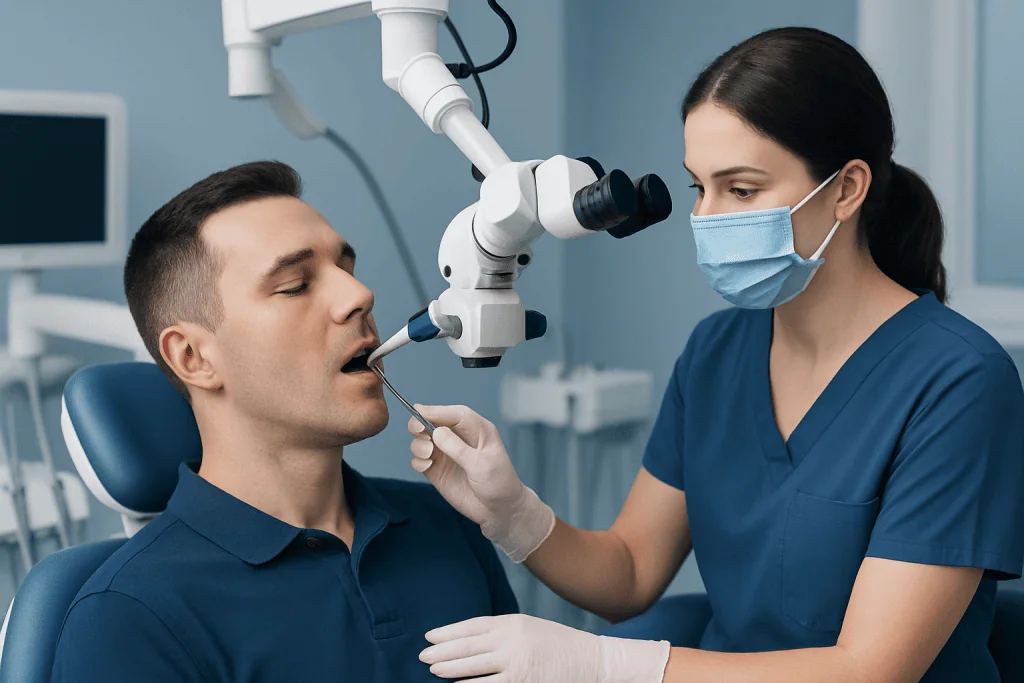
The following is a general guide, not a replacement for your dentist or oral surgeon’s plan. If your clinician gives different instructions, especially after bone grafting, full-mouth implant treatment or complex surgery, their directions should always take priority.
| Time after treatment | What you may eat | What to avoid |
|---|---|---|
| First 24 hours | Cool or lukewarm liquids and very soft foods, such as soup that is not hot, yoghurt if permitted, purée, smoothies eaten with a spoon and mashed foods. | Hot food and drinks, alcohol, straws, vigorous rinsing, crunchy foods and chewing near the site. |
| Days 2-3 | Soft foods such as eggs, oatmeal, soft pasta, fish, mashed vegetables and well-cooked rice. | Hard, sticky, spicy or crumbly foods that can irritate the wound. |
| Days 4-7 | Soft solids, advancing only if comfortable; chew on the opposite side when possible. | Nuts, seeds, crusty bread, chips, tough meat and foods that need forceful biting. |
| Weeks 2-6 | Gradually broader meals as advised, introducing firmer textures carefully. | Direct heavy biting over the implant area unless your surgeon has cleared it. |
| Following months | A normal balanced diet may be possible as restoration and healing milestones are confirmed. | Using the implant area for very hard foods before your clinical team says it is ready. |
If you are asking how many days after dental implants can I eat normally, it is helpful to separate feeling comfortable from being clinically ready for full chewing pressure. You may feel better within days, but deeper healing continues for longer. Keep follow-up appointments so your team can assess the implant and advise when to advance your diet.
How long after dental implants can you eat solid food?
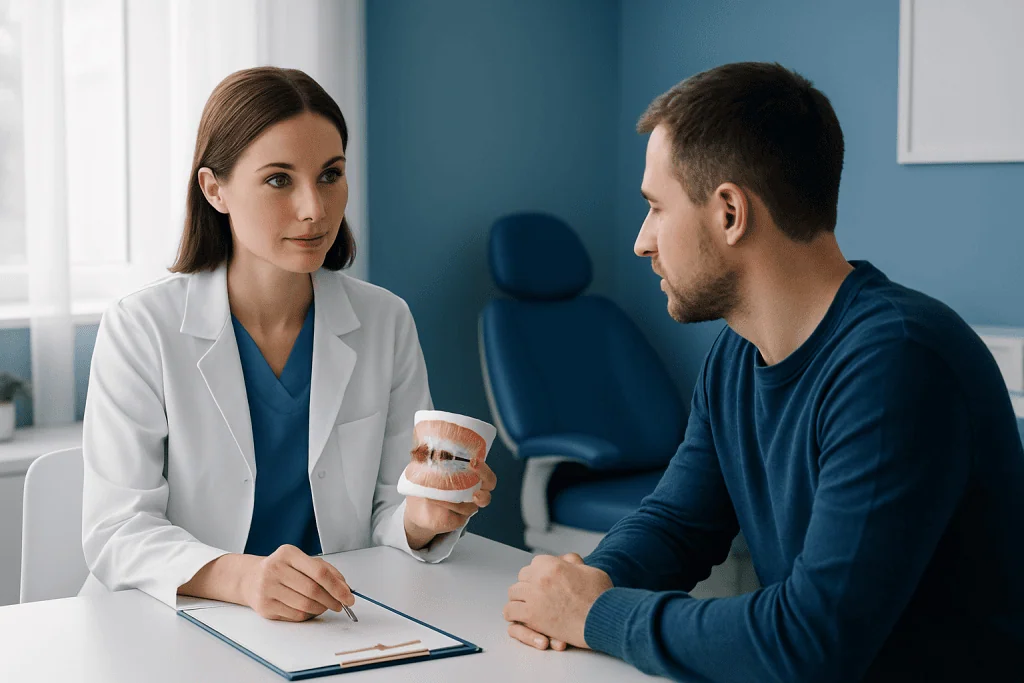
You may be able to eat soft solid foods within one to several days, depending on your comfort and the extent of surgery. Examples include scrambled eggs, soft fish, pasta, mashed potato, ripe banana, well-cooked vegetables and tender foods cut into small pieces.
Harder solid foods should be introduced more slowly. Foods that require a strong bite or produce hard fragments can disturb the surgical site, cause pain, lodge in the wound or place excess force on a healing implant. Chew away from the implant site unless your surgeon tells you otherwise.
For a single tooth implant, you may be able to use the other side of your mouth while the area heals. After several implants or full dental implants, dietary restrictions can be more important and may last longer because pressure across the jaw needs to be managed carefully. Ask your surgeon for a written food progression plan before you travel home.
When can I eat pizza after a dental implant?
Pizza is usually not an ideal early-recovery food because the crust can be chewy, the toppings may be hot and the meal often requires repeated biting. Wait until swelling has settled, your incision is comfortable, and your dental surgeon has confirmed that you can manage more substantial chewing.
If you are cleared to try it, choose a soft, lightly cooked slice, let it cool to lukewarm, cut it into small pieces and chew on the opposite side of your mouth. Avoid a hard crust, very chewy dough, spicy toppings and seeds or small pieces that could become trapped around the healing area.
Do not use comfort alone as the only test. It may be possible to eat pizza without immediate pain while the implant still requires protection. This is particularly important if you have an implant-supported bridge, temporary restoration, bone graft or full-arch dental implant treatment.
Why no dairy after dental implants?
Not every patient is told to avoid dairy after dental implants, and advice varies between surgeons and clinics. Some teams recommend limiting dairy briefly, particularly during the first day or when antibiotics are prescribed, because dairy may cause nausea for some people, may be difficult to clean away from the mouth, or may not fit a particular post-operative medication plan.
There is no universal rule that dairy always harms implant healing. However, you should follow the instructions given to you, including any guidance about yoghurt, milk, cheese or probiotic products. If you are taking antibiotics, ask your pharmacist or dental team whether they should be taken with food and whether any specific foods or supplements should be separated from the dose.
If dairy is not advised for you, there are many soft alternatives: blended soups, mashed vegetables, oatmeal, eggs, soft tofu, puréed legumes and non-dairy smooth foods. Choose foods that are cool or lukewarm initially and that do not require forceful chewing.
How many days should you rest after a dental implant?
Many people take it easy for 24 to 48 hours after a straightforward implant procedure, then return to gentle routine activities as they feel able. More extensive procedures, including multiple implants, extractions, bone grafting or full-arch treatment, may require a longer recovery period and more careful planning.
For the first few days, avoid strenuous exercise, heavy lifting, bending repeatedly, smoking and alcohol, as these may worsen bleeding, swelling or healing conditions. Rest with your head elevated where practical, use cold packs only as instructed, take prescribed medicine exactly as directed and keep hydrated.
International patients should allow enough time in Turkey for the follow-up schedule recommended by their surgeon. Acibadem International can help coordinate practical aspects such as appointments, interpreter support and travel planning, but your treating team should decide when you are fit to travel and what care you need after returning home.
When can I eat chips after a dental implant?
Chips, crisps and similar crunchy snacks are best avoided during early healing. Their sharp fragments can irritate the surgical site, get trapped near stitches or temporary restorations, and require significant chewing force.
Wait until your surgeon confirms that the area is healing well and you can safely return to crunchy foods. This may be weeks rather than days, especially if the implant is in a chewing area, you have had bone grafting, or you are recovering from multiple or full dental implants.
When you eventually reintroduce crunchy foods, start cautiously and do not bite directly over a recently treated area. If you notice pain, pressure, bleeding, a loose temporary tooth, swelling or food repeatedly lodging around the site, stop and contact your dental team for advice.
Step by step
- Confirm your personal food plan before leaving. Ask your surgeon which foods are appropriate for the first day, first week and the weeks that follow. Request guidance tailored to any extraction, graft, temporary crown or full-arch restoration you have received.
- Wait until numbness has fully worn off. Do not eat while your mouth is numb, as you may bite your cheek, lip or tongue without noticing. Start with a small amount of cool or lukewarm, soft food when you can safely feel your mouth.
- Choose soft, nourishing foods. Prioritise foods that are easy to swallow and provide protein, energy and fluids. Cut food into small pieces and avoid chewing on the treated side unless your surgeon has advised otherwise.
- Protect the blood clot and surgical area. Avoid straws, forceful spitting and vigorous mouth rinsing during the period your clinician specifies. These actions can disturb the healing area and may increase bleeding or discomfort.
- Advance textures gradually. Move from liquids to soft foods and then to firmer meals only when you are comfortable and your care team has not advised restrictions. Do not test hard foods simply because you feel better that day.
- Maintain gentle oral hygiene. Follow the cleaning instructions provided by your dental team, including any prescribed rinse or special brushing approach. Keeping the surrounding mouth clean is important, but avoid traumatizing the incision site.
- Plan your follow-up and return journey. If you are visiting Turkey for care, ensure you understand your review schedule and who to contact after you return home. Acibadem International patient services can assist with practical coordination, while clinical questions should go to your treating dental team.
Your checklist
- Soft, cool or lukewarm foods prepared for the first 24 to 72 hours
- A written medication schedule and any food-related instructions
- Your surgeon’s advice on dairy, alcohol, smoking and exercise
- Small spoon, soft toothbrush and any recommended oral-care products
- Contact details for your treating clinic and after-hours support
- A plan for follow-up before leaving Turkey and after returning home
- Travel insurance and a copy of your treatment summary, if applicable
- An easy-to-carry supply of suitable snacks for your journey home
Key takeaways
- You can usually begin soft foods after numbness wears off, but a normal diet returns gradually.
- Soft solid foods may be possible within days; hard, chewy and crunchy foods often need to wait longer.
- Pizza and chips should not be rushed because they require chewing force and may irritate the healing area.
- Dairy restrictions are not universal; follow your surgeon’s and medication-specific instructions.
- The recovery timeline may be longer after bone grafting, multiple implants or full dental implants.
- Your surgeon’s individual instructions are more important than any general online timeline.
Frequently asked questions
How long after dental implants can I eat regular food?
Many people gradually return to a wider range of regular foods over several weeks, but the timeline varies. You should avoid placing strong chewing force directly on the implant area until your surgeon confirms healing is progressing appropriately. Complex treatment, such as grafting or multiple implants, can mean a longer soft-food period.
When can I eat after a dental implant?
You can usually eat once the local anaesthetic has worn off and you can safely feel your mouth. Start with cool or lukewarm, soft foods and avoid chewing around the surgical site. Your dental team may give different directions based on your individual procedure.
How long after full dental implants can I eat normally?
After full dental implant treatment, you may need a more cautious and longer food progression than after a single implant. Temporary teeth can make it possible to eat soft foods, but they are not always designed for forceful chewing. Follow your implant surgeon’s guidance carefully, particularly before introducing hard or crunchy foods.
Can I drink coffee after dental implant surgery?
Hot drinks are commonly avoided immediately after surgery because heat may increase bleeding or discomfort. Your clinician may advise waiting until the initial bleeding has settled and then choosing a lukewarm drink. Avoid using a straw unless your dental team specifically says it is acceptable.
Can I chew on the other side after a dental implant?
Often, yes, if you have a stable bite and your surgeon has not given a restriction. Chewing on the opposite side can help protect the treated area while you eat soft foods. If you had treatment on both sides or full-arch implants, ask for a specific dietary plan.
What happens if I eat hard food too soon after an implant?
Hard food can cause pain, irritate the wound, disturb stitches or temporary restorations, and place unnecessary pressure on the healing area. One accidental bite does not always mean a problem, but stop if you feel pain or pressure and contact your dental team if symptoms persist. Do not try to adjust or test a loose restoration yourself.
How long should I stay in Turkey after dental implant treatment?
The appropriate stay depends on your treatment plan, the number of implants, any grafting, your health and your surgeon’s review schedule. Ask this before booking return travel, as you may need a post-operative check before flying. International patient teams at Acibadem International can support travel logistics, while your treating surgeon determines clinical fitness to travel.
Add us as a Preferred Source to see more of our trusted health content across Google Search, AI Overviews and Discover.

Update history
- PublishedAugust 20, 2026
- Medical review approvedAugust 25, 2026
- Last content updateAugust 24, 2026
References2
- Dental Implants — MedlinePlus — medlineplus.gov
- Dental implants — Cleveland Clinic — my.clevelandclinic.org
More Patient Guides

Aftercare Abroad: How to Prepare for Recovery Once You Return Home
Aftercare abroad planning helps you return home safely with clear follow-up, medication, travel and support arrangements after treatment in Turkey.
8 min read
How to Prepare Your Home for Recovery Before Leaving Turkey
Prepare your home for recovery before leaving Turkey with practical planning for mobility, medicines, support and follow-up after treatment.
8 min read
When Recovery Does Not Go as Planned in Turkey: Signs You Should Contact Your Care Team
Recovery problems in Turkey can include new pain, fever, bleeding, or breathing changes. Contact your care team promptly for safe aftercare advice.
9 min read
When Is It Safe to Resume Exercise After Treatment in Turkey?
Resume exercise after treatment in Turkey only when your surgeon or care team clears you. Start gently, watch for warning signs, and…
8 min read