Spinal Muscular Atrophy Surgery: Procedure, Recovery and Results
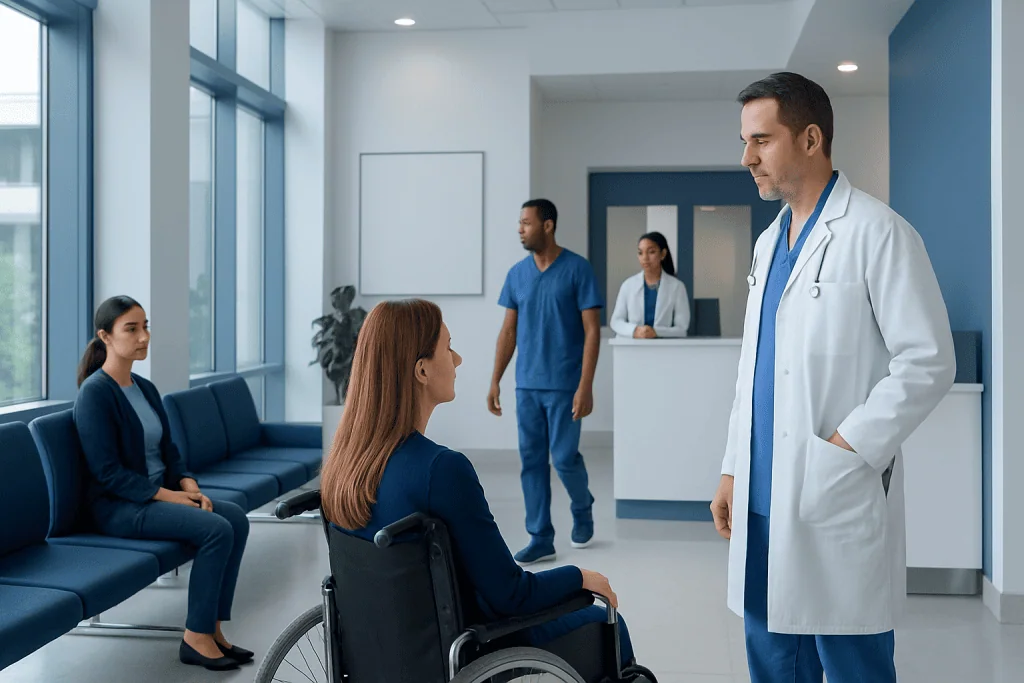
Surgery for SMA usually treats complications of muscle weakness, most often scoliosis, rather than the genetic condition itself. A multidisciplinary assessment is essential because breathing strength, nutrition, mobility, bone health, and anesthesia needs influence surgical planning.
Key Takeaways
- Surgery for SMA usually treats complications of muscle weakness, most often scoliosis, rather than the genetic condition itself.
- A multidisciplinary assessment is essential because breathing strength, nutrition, mobility, bone health, and anesthesia needs influence surgical planning.
- Spinal fusion may help selected people with severe, progressive scoliosis sit more comfortably and maintain balanced posture.
- Recovery commonly requires pain management, respiratory support, physiotherapy, and adjustments to seating or mobility equipment.
- Modern disease-modifying medicines, rehabilitation, and ongoing respiratory care remain central to SMA management before and after surgery.
Spinal muscular atrophy surgery is not a cure for SMA itself. It may be recommended to manage complications such as progressive spinal curvature, hip problems, or joint contractures, with the aim of improving comfort, posture, breathing mechanics, seating, and daily care.
Overview: What is spinal muscular atrophy surgery?
Spinal muscular atrophy surgery refers to operations used to treat physical complications of spinal muscular atrophy (SMA), rather than an operation that removes the underlying genetic cause. The most common procedure is surgery for scoliosis, a sideways and rotational curve of the spine that can develop when trunk muscles are weak. Depending on the individual, surgery may also address joint contractures, hip positioning problems, or other musculoskeletal concerns.
For carefully selected patients, surgery can improve sitting balance, comfort, positioning in a wheelchair, ease of personal care, and sometimes chest space for breathing. The decision is highly individual. It depends on the person’s SMA type, age, curve progression, functional goals, respiratory status, bone quality, and the likely balance of benefit and risk.
SMA care has changed substantially with disease-modifying treatments and improved supportive care. These approaches may preserve motor function or slow progression, but they do not eliminate the need to monitor the spine, hips, breathing, nutrition, and mobility. Surgery is considered as one component of a long-term, coordinated care plan.
How surgery works and who may be a candidate
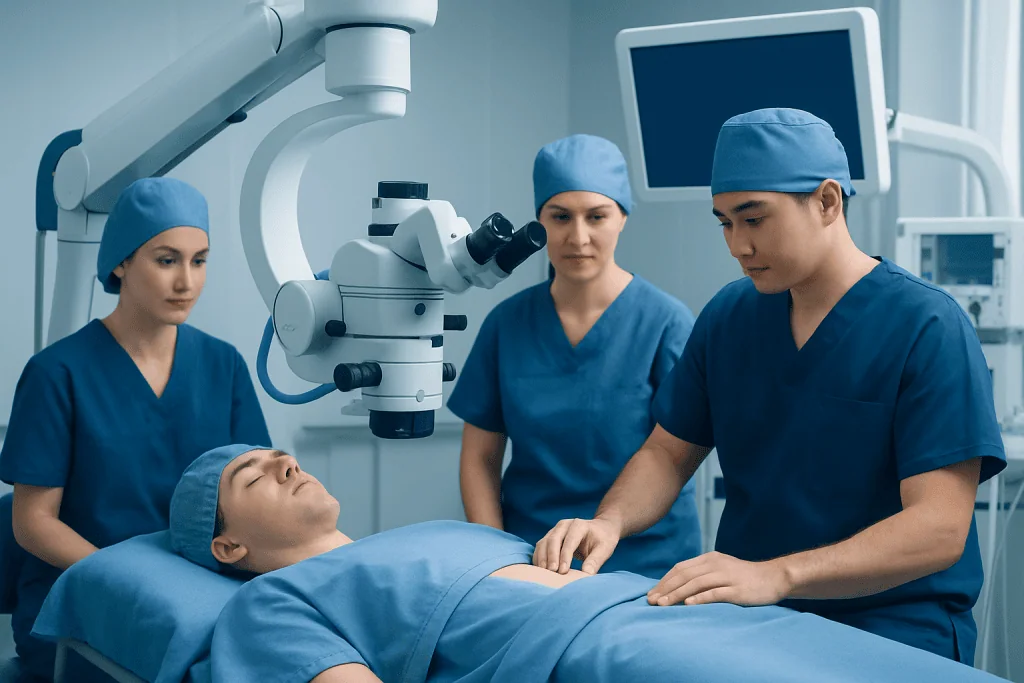
In SMA-related scoliosis, the spine may curve progressively as weakness affects the muscles that support the trunk. During spinal fusion, a surgeon realigns the spine as safely as possible and uses screws, rods, and bone graft material to help selected spinal bones heal together into a more stable position. The goal is usually improved balance and prevention of further major curve progression, not a perfectly straight spine.
Potential candidates often have a substantial or worsening curve that affects sitting, comfort, skin care, positioning, or respiratory mechanics. Surgery may also be discussed when braces no longer provide adequate support. Bracing can help with posture and seating in some people, but it generally cannot permanently stop a progressive neuromuscular scoliosis curve.
Before recommending surgery, the team assesses lung function, cough strength, sleep-related breathing, nutritional status, swallowing, heart health where relevant, bone density, skin integrity, and current mobility. Imaging helps define the spinal curve and pelvic alignment. A specialist evaluation for spinal muscular atrophy can help coordinate these decisions with the person’s overall neurological care.
Not everyone with SMA and scoliosis benefits from an operation. For some people, the risks of major surgery outweigh the expected gains, or supportive seating, respiratory care, pain management, and rehabilitation may better meet their goals. Shared decision-making is particularly important for children, adults with SMA, and their families.
Step by step: what happens during SMA spinal surgery
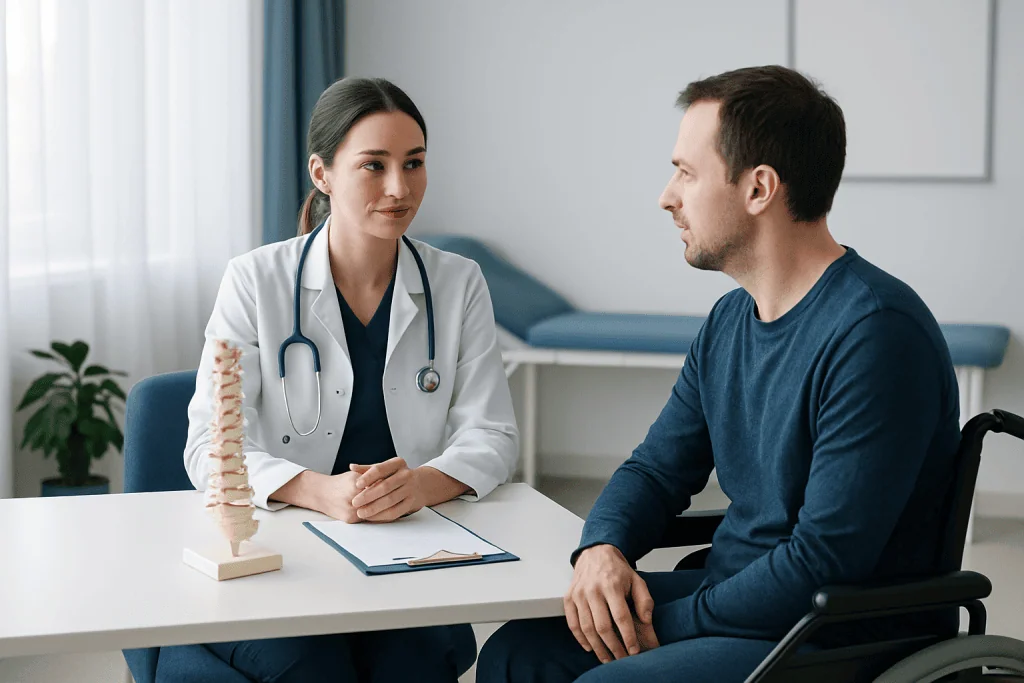
Planning begins well before the operation. The orthopedic or spine surgeon works with neurology, anesthesiology, pulmonology, rehabilitation, nutrition, and nursing teams. The patient may have spinal X-rays, lung tests, blood tests, and a review of medicines and equipment such as noninvasive ventilation or cough-assist devices. The team also plans safe positioning during surgery and discusses blood conservation where appropriate.
On the day of surgery, general anesthesia is used. Because SMA can affect respiratory muscles, anesthetic planning is individualized, with careful attention to airway management and postoperative breathing support. The surgeon makes an incision along the back, places specialized implants into selected vertebrae, and gradually corrects and stabilizes the curve. Bone graft material supports fusion over time.
Some younger children who are still growing may be considered for growth-friendly spinal techniques rather than a definitive fusion. These approaches aim to control the curve while allowing continued spinal growth, but they can require later lengthening procedures or further surgery. The appropriate method depends on age, curve pattern, growth potential, and medical needs.
After the operation, monitoring may take place in an intensive care or high-dependency setting, especially when respiratory support is needed. Families should ask the surgical team how the planned procedure may affect transfers, seating, standing equipment, wheelchair fitting, and any future imaging or procedures.
Benefits, limitations and possible risks
The possible benefits of spinal muscular atrophy surgery include a more balanced sitting posture, improved comfort, reduced pressure-related skin problems, easier wheelchair positioning, and easier daily care. For some people, stabilizing the spine may help preserve space within the chest and abdomen. Benefits are best understood as functional and quality-of-life goals rather than a treatment that restores muscle strength.
Results vary. Spinal surgery does not reverse the motor neuron loss that causes SMA, and it cannot guarantee improved breathing, walking, or arm function. Some people experience meaningful gains in sitting tolerance and comfort, while others value reduced progression of a difficult spinal curve. Discussing specific goals beforehand helps the care team measure whether surgery has met the individual’s priorities.
As with any major spine operation, possible risks include bleeding, infection, wound healing problems, pain, implant complications, incomplete fusion, and the need for another procedure. People with SMA may have additional risks related to weak cough, mucus clearance, pneumonia, prolonged ventilatory support, and nutritional or bone-health concerns. A specialist team works to reduce these risks but cannot remove them completely.
Non-surgical care remains important whether or not surgery is chosen. This can include individualized physiotherapy, seating assessment, orthoses when appropriate, respiratory support, airway-clearance techniques, nutrition support, and treatment of pain or constipation. These measures also help prepare a person for surgery and support recovery afterward.
Recovery timeline and rehabilitation after surgery
Recovery differs according to the procedure, the person’s baseline strength and breathing needs, and whether complications occur. The first days focus on pain control, breathing support, airway clearance, safe positioning, wound checks, and early movement within the limits advised by the surgical team. Some patients need noninvasive ventilation, assisted coughing, or a longer period of close respiratory monitoring after anesthesia.
During the hospital stay, physiotherapists and occupational therapists help with transfers, pressure relief, sitting tolerance, and safe return to essential activities. Wheelchair seating may need to be reassessed because spinal alignment has changed. Families and caregivers may receive updated guidance on lifting, turning, bathing, and watching for wound or breathing concerns.
In the first several weeks at home, activity increases gradually. Follow-up appointments monitor healing, spinal alignment, pain, skin condition, and respiratory health. Fatigue is common after major surgery, and a person may need extra help with daily routines. The surgeon will give individual advice about school, work, travel, exercise, and when it is safe to resume particular activities.
Rehabilitation should be adapted to SMA, avoiding exhausting exercise that causes prolonged weakness or pain. The aim is to maintain comfort, range of motion, efficient positioning, and participation in daily life. Spine surgery and rehabilitation planning should be coordinated with the person’s established neuromuscular and respiratory care.
Living with SMA: common questions
Can you live a full life with SMA? Many people with SMA lead meaningful, active lives that include education, work, relationships, family life, hobbies, and community participation. “Full life” means different things to different people, and function can vary widely. Earlier diagnosis, disease-modifying treatment, respiratory support, mobility technology, accessible environments, and coordinated healthcare have expanded opportunities for many individuals.
What famous people have SMA? Several public advocates have spoken openly about living with SMA, including actor and disability-rights advocate RJ Mitte and British disability campaigner and actor Samuel Habib, who has documented his life with SMA. Public examples can increase visibility, but each person’s condition, access to care, abilities, and life experience are unique. It is helpful to avoid comparing an individual’s prognosis or needs with those of a public figure.
Does SMA get worse with age? SMA is a genetic neuromuscular condition, and without treatment it may involve progressive muscle weakness over time. The pattern and speed of change differ by SMA type, age at onset, and individual factors. Disease-modifying therapies can alter the expected course for many people, so regular follow-up with a neuromuscular specialist is important.
What is it like living with SMA? Living with SMA can involve managing fatigue, mobility limitations, transfers, respiratory care, equipment, accessibility, and periodic medical appointments. It can also include school, employment, friendships, travel, creative pursuits, and independent decision-making. Support from family, peer networks, rehabilitation professionals, mental health professionals, and disability-access services can help people pursue their own goals.
When to seek medical care
People with SMA should have regular planned follow-up with their neuromuscular care team. Prompt medical advice is important for a newly noticed or quickly worsening spinal curve, increasing difficulty sitting upright, new pain, pressure sores, reduced tolerance of a wheelchair or brace, or changes in transfer ability. Early assessment can identify whether seating changes, therapy, imaging, or surgical consultation may be useful.
Urgent medical assessment is needed for breathing difficulty, bluish lips or face, unusual sleepiness, inability to clear secretions, fever with cough, chest pain, or signs of a serious respiratory infection. These symptoms may require rapid treatment, particularly for people who already use breathing support or have weak cough strength.
After surgery, the care team should be contacted promptly for fever, increasing wound redness or drainage, uncontrolled pain, new weakness or numbness, repeated vomiting, or breathing changes. Emergency services should be used for severe breathing distress or any immediately life-threatening symptom.
Acibadem International’s multidisciplinary specialists and JCI-accredited hospitals support diagnosis, surgical assessment, respiratory care, and rehabilitation for international patients with SMA. The most appropriate treatment plan is created after an in-person review of the individual’s goals, medical history, imaging, and respiratory needs.
Frequently asked questions
Is surgery a cure for spinal muscular atrophy?
No. Surgery does not correct the genetic cause of SMA or replace lost motor neurons. It can be used to manage complications, such as severe scoliosis or contractures, that affect comfort, posture, mobility, or care needs.
At what age is scoliosis surgery considered in SMA?
There is no single age that applies to everyone. The decision depends on curve progression, growth, sitting balance, respiratory health, functional goals, and the person’s overall medical condition. Children who are still growing may be assessed for growth-friendly techniques in selected circumstances.
How long does it take to recover from SMA spinal fusion?
Initial hospital recovery may take days to several weeks depending on respiratory needs and the complexity of surgery. Recovery at home and adjustment of seating, transfers, and daily routines often continue for several months. The surgical and rehabilitation teams provide a personalized timeline.
Can a person with SMA have anesthesia safely?
Many people with SMA can have anesthesia, but it requires careful planning by an experienced anesthesia team. Respiratory muscle weakness, airway clearance, nutrition, positioning, and postoperative ventilation needs should be assessed in advance. The team may coordinate with the person’s pulmonologist and neuromuscular specialist.
Will spinal surgery improve breathing in SMA?
Surgery may improve trunk balance and preserve chest space in some people with severe scoliosis, but it does not reliably improve lung muscle strength. Respiratory outcomes vary, particularly when weakness is already significant. Preoperative lung assessment helps clarify realistic goals and risks.
What happens if scoliosis surgery is not suitable for someone with SMA?
Non-surgical management can still address comfort, posture, and health needs. Options may include customized wheelchair seating, bracing in selected cases, physiotherapy, range-of-motion care, pain management, respiratory support, and regular monitoring of the spinal curve. The care plan should be reviewed as needs change.
References
- World Health Organization
- Cure SMA
- Muscular Dystrophy Association
- American Academy of Orthopaedic Surgeons
- National Institute of Neurological Disorders and Stroke
This article is for general information only and is not a substitute for professional medical advice. Please consult a qualified doctor about your individual situation.
Joint and spine care in Turkey — expert assessment & treatment
JCI-accredited · board-certified surgeons · reply within 24h
Add us as a Preferred Source to see more of our trusted health content across Google Search, AI Overviews and Discover.

More from the Health Library


Related Specialists

Prof. Dr. Selami Çakmak
Orthopedic Surgery & Traumatology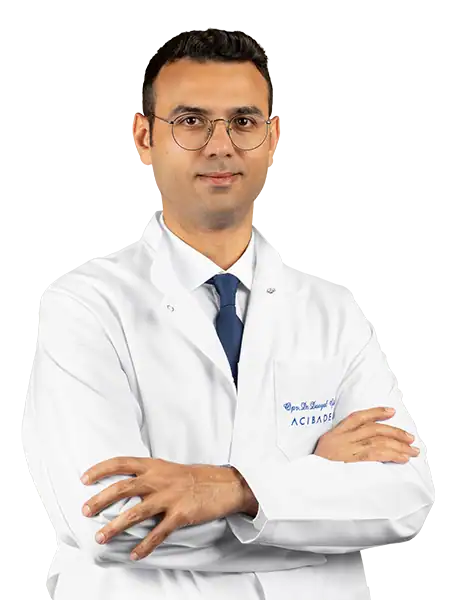
Dr. Danyal Gümüş
Orthopedic Surgery & Traumatology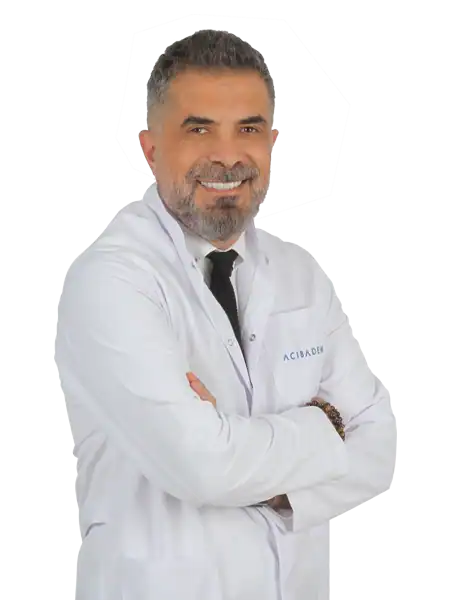
Dr. Mahmut Hakan Ertürk
Physical Medicine & Rehabilitation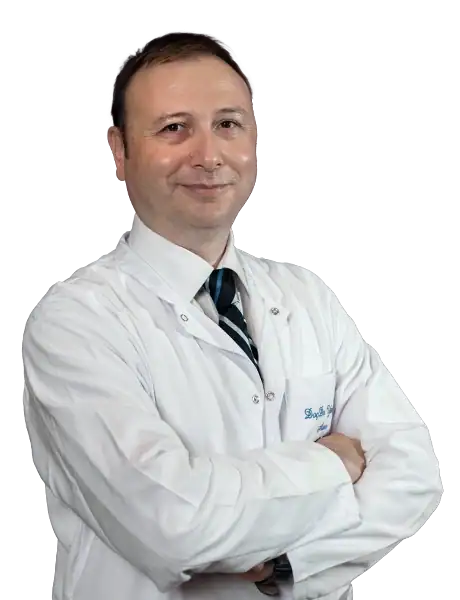
Prof. Dr. İletişim | 444 55 44
Otorhinolaryngology