Labial Hypertrophy Treatment: How It Works, Results and What to Expect

Labia vary widely in size, shape and symmetry; visible prominence is often a normal anatomical variation. Treatment is usually considered when symptoms such as rubbing, pain or interference with activities persist, rather than for appearance alone.
Key Takeaways
- Labia vary widely in size, shape and symmetry; visible prominence is often a normal anatomical variation.
- Treatment is usually considered when symptoms such as rubbing, pain or interference with activities persist, rather than for appearance alone.
- Labiaplasty reshapes or reduces labial tissue and is an elective procedure that requires careful counselling and realistic expectations.
- Healing takes time, and temporary swelling, bruising and sensitivity are common after surgery.
- Potential complications include bleeding, infection, scarring, altered sensation, pain and dissatisfaction with the cosmetic result.
- New vulval symptoms, sores, bleeding, itching or a changing lump should be medically assessed rather than assumed to be labial hypertrophy.
Labial hypertrophy treatment is individualized: many people need no medical treatment, while others benefit from practical symptom measures or labiaplasty when enlarged labia cause persistent physical discomfort. A qualified gynecologist or plastic surgeon can assess symptoms, discuss normal anatomical variation and help a person make an informed decision.
Overview: how labial hypertrophy treatment works
Labial hypertrophy treatment begins with identifying whether enlarged or prominent labia are causing symptoms. The inner labia (labia minora) and outer labia (labia majora) naturally differ greatly in size, colour, shape and symmetry. In many cases, a labia minora that extends beyond the labia majora is simply a normal variation and does not need treatment.
When there is ongoing rubbing, irritation, pain during exercise or sexual activity, difficulty with clothing, or distress that persists after supportive measures, a clinician may discuss treatment options. These range from avoiding triggers and treating an associated skin or infection-related problem to labiaplasty, an operation that removes or reshapes part of the labial tissue. Labiaplasty is elective and should be based on the individual’s symptoms, goals and understanding of possible benefits and risks.
A sensitive, non-judgmental consultation is an important part of care. The clinician should confirm that symptoms are not due to another condition, explain the broad range of normal anatomy and allow time for questions before any decision about surgery.
Symptoms, causes and assessment
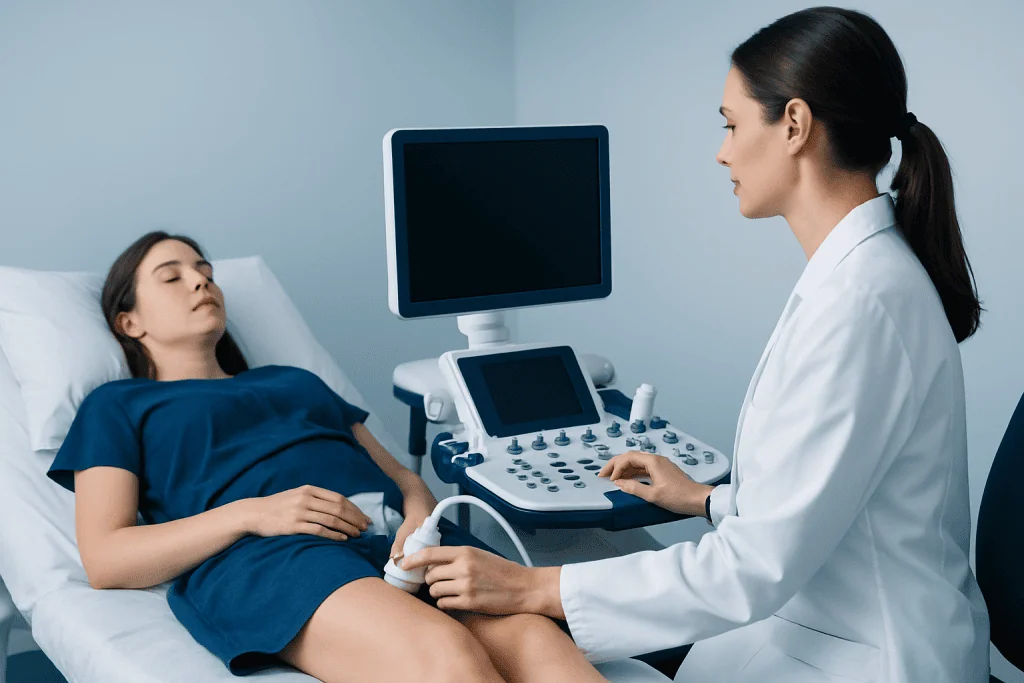
Labial prominence itself is not a disease. Some people notice no symptoms, while others report chafing with walking or cycling, discomfort in tight clothing, pulling or pinching during exercise, irritation after prolonged sitting, or discomfort during intercourse. Emotional concerns about appearance can also be significant and deserve respectful discussion.
Labial size may be influenced by natural development during puberty, genetics, hormonal changes, pregnancy, childbirth, ageing or weight changes. However, a new change in the vulva should not automatically be attributed to normal anatomy. Inflammation, dermatitis, infections, cysts, injury and other vulval conditions can produce symptoms that need different care.
Assessment usually involves a medical history and an external examination, with the person’s consent. A clinician may ask about skin symptoms, discharge, menstrual or hormonal changes, sexual pain, prior childbirth, medicines and the impact on daily life. Tests are not routinely needed for stable, typical anatomy, but they may be recommended if there are signs of infection, a skin disorder or another underlying problem.
Who may be a candidate for labiaplasty?

Potential candidates are adults with persistent, well-defined physical symptoms linked to labial tissue, or adults who have carefully considered an elective change after receiving balanced information. A surgeon will consider general health, healing capacity, smoking or nicotine use, current medicines, prior procedures and whether the person can follow recovery instructions.
It is especially important to discuss expectations. Labiaplasty can reduce excess tissue and may relieve friction-related discomfort, but it cannot guarantee a particular appearance, sensation, sexual experience or emotional outcome. Labia remain naturally asymmetric in many people, and surgeons aim to preserve normal anatomy and function rather than create a single “ideal” appearance.
Surgery is generally deferred when there is an active infection, unexplained vulval symptoms, uncontrolled medical illness or a situation that could interfere with recovery. People experiencing significant body-image distress may benefit from additional supportive counselling before proceeding. A second opinion can be helpful if there is uncertainty about whether surgery is appropriate.
What is the ideal age for labiaplasty?
There is no single ideal age for labiaplasty. In general, it is considered after genital development is complete and when the person is able to make an informed, unpressured decision. For many people, this means waiting until adulthood, particularly because the labia can continue to change through puberty.
For adolescents, professional guidance emphasizes education about normal anatomical variation, assessment for specific medical symptoms and conservative care first. Surgery in younger patients is uncommon and should be considered only in carefully selected circumstances, such as significant persistent functional symptoms, with appropriate specialist involvement and consent processes.
Age alone does not determine suitability in adulthood. The most relevant factors are stable goals, overall health, a clear understanding of recovery and risks, and a consultation that rules out treatable causes of symptoms.
Labiaplasty step by step: what to expect
Before surgery, the surgeon discusses the areas causing concern, reviews medical history and explains the planned technique. Common approaches include a trim technique, which removes tissue along the edge of the labia minora, and a wedge technique, which removes a small wedge of central tissue and preserves more of the natural edge. The most suitable method depends on anatomy, symptoms and surgical goals.
The procedure is often performed as an outpatient operation under local anaesthesia with sedation or general anaesthesia, depending on the planned procedure and the patient’s needs. The surgeon removes or reshapes a conservative amount of tissue, controls bleeding and closes the area with absorbable stitches. The operation length varies with the technique and whether other procedures are performed.
After a period of observation, most patients go home the same day with written aftercare instructions. It is important to arrange transport home and, if possible, practical support during the first day or two. The surgical team should provide individualized advice about hygiene, pain relief, activity and follow-up appointments.
Recovery timeline, benefits and possible risks
Swelling, bruising, tenderness and temporary changes in sensation are common in the early recovery period. Cold packs wrapped in cloth, loose clothing, rest and prescribed or recommended pain relief may improve comfort. Keeping the area clean and dry as advised, and avoiding friction, are important during initial healing.
Many people can resume quiet daily activities within several days, although recovery varies. Strenuous exercise, cycling, swimming, tampon use and vaginal intercourse are usually avoided until the surgeon confirms that healing is adequate; this commonly takes several weeks. Swelling can take longer to settle, so the final contour should not be judged too early.
Possible benefits include less chafing or pulling, improved comfort in clothing or sport, and relief from a specific physical concern. Possible downsides and complications include bleeding, wound separation, infection, scarring, persistent pain, reduced or altered sensation, painful intercourse, asymmetry, over-removal of tissue and dissatisfaction with the result. Seeking prompt advice for increasing pain, fever, foul-smelling discharge, heavy bleeding or wound concerns can help address complications early.
Acibadem International’s multidisciplinary specialists at JCI-accredited hospitals can assess vulval concerns and discuss appropriate surgical and non-surgical care for international patients.
Is a labiaplasty worth it?
Whether labiaplasty is worth it is personal and depends on the reason for considering surgery. It may be a reasonable option for someone with persistent physical discomfort that has been assessed and has not improved with practical measures. Some people also feel more comfortable after an elective procedure, but individual satisfaction cannot be predicted in advance.
A helpful decision considers the likely benefit, recovery requirements, cost and practical arrangements, potential complications and the possibility that symptoms may have another cause. It is wise to avoid making a decision during a period of acute stress, pressure from another person or exposure to unrealistic images of genital appearance.
A consultation should leave the person feeling informed rather than rushed. Asking about the surgeon’s training, technique, expected scars, recovery restrictions, complication management and what result is realistically achievable can support a well-considered choice.
What are the downsides of labiaplasty and when to seek medical care?
The downsides of labiaplasty include the normal recovery period, temporary swelling and discomfort, time away from certain activities and the small but meaningful risk of complications. Because the vulva is a sensitive area, changes in sensation or discomfort with sex can occur. Revision surgery may occasionally be considered if healing or appearance is not as expected, but further surgery also carries risk.
Medical care should be sought for new or worsening vulval pain, persistent itch, sores, a rash, unusual discharge, bleeding unrelated to menstruation, a rapidly changing lump or swelling, or pain with urination. These symptoms can have many causes and should be evaluated rather than self-diagnosed.
After labiaplasty, urgent advice is appropriate for heavy bleeding, rapidly increasing swelling, fever, worsening pain not controlled by the care plan, pus-like or foul-smelling discharge, or a wound that appears to be opening. A surgical team can advise on the safest next step and arrange assessment when needed.
Frequently asked questions
Can labial hypertrophy be treated without surgery?
Yes. If there are no concerning symptoms, reassurance and education about normal anatomical variation may be all that is needed. For irritation, measures such as reducing friction, wearing comfortable clothing and treating an identified skin or infection-related condition may help. Surgery is generally considered only after an appropriate assessment and discussion of alternatives.
Is labial hypertrophy normal?
A wide range of labial sizes, shapes and degrees of asymmetry is normal. Labia minora that extend beyond the labia majora are common and do not, by themselves, indicate a medical problem. New, painful or changing vulval symptoms should still be checked by a clinician.
How long does it take to recover from labiaplasty?
Initial discomfort and swelling are often most noticeable during the first days and improve gradually over the following weeks. Many people return to light routines relatively soon, but activities that create pressure or friction are usually restricted for several weeks. The surgeon will provide a personalized timeline based on healing and the procedure performed.
Does labiaplasty affect sexual sensation?
The aim of surgery is to preserve function and sensation, but any procedure in this area can lead to temporary or, less commonly, lasting changes in sensation. Scarring, pain or discomfort during sex are also possible risks. These issues should be discussed clearly with the surgeon before surgery.
Can labia grow back after labiaplasty?
Removed tissue does not grow back in the same way after surgery. However, the genital tissues can change over time with hormones, pregnancy, ageing and weight changes. Healing-related swelling may also make the early result look different from the longer-term result.
What should someone ask at a labiaplasty consultation?
Useful questions include why symptoms may be occurring, whether non-surgical options are appropriate, which technique is recommended and why, and what recovery restrictions to expect. A person may also ask about the surgeon’s experience, possible scars, risks, follow-up care and how complications would be managed. They should feel able to take time before deciding.
References
- American College of Obstetricians and Gynecologists
- Royal College of Obstetricians and Gynaecologists
- American Society of Plastic Surgeons
- National Health Service
- Mayo Clinic
This article is for general information only and is not a substitute for professional medical advice. Please consult a qualified doctor about your individual situation.
Explore treatments in Turkey — costs, top hospitals & a free quote
JCI-accredited · board-certified surgeons · reply within 24h
Add us as a Preferred Source to see more of our trusted health content across Google Search, AI Overviews and Discover.