Tracheal Resection: Procedure, Recovery and Results

Tracheal resection removes a short affected segment of the windpipe and reconnects the remaining healthy trachea. It is usually considered for significant tracheal narrowing, selected tumors, or injury that cannot be managed effectively with less invasive care.
Key Takeaways
- Tracheal resection removes a short affected segment of the windpipe and reconnects the remaining healthy trachea.
- It is usually considered for significant tracheal narrowing, selected tumors, or injury that cannot be managed effectively with less invasive care.
- Recovery commonly involves several days in hospital and gradual healing over weeks, with the exact timeline depending on the underlying condition and operation.
- This is major surgery, and key risks include bleeding, infection, airway swelling, voice or swallowing changes, and separation or narrowing at the repair site.
- Outcomes are generally favorable in experienced centers when patients are carefully evaluated and followed after surgery.
Tracheal resection is a specialist operation that removes a damaged, scarred, narrowed, or sometimes cancer-affected part of the trachea (windpipe) and reconnects the healthy ends. It can provide durable airway improvement for carefully selected patients, although recovery requires close monitoring and adherence to the surgical team’s instructions.
Overview: what is tracheal resection?
Tracheal resection is an operation to remove a diseased section of the trachea, commonly called the windpipe. After the affected portion is removed, the surgeon joins the two healthy ends together. This is called an end-to-end tracheal reconstruction or anastomosis.
The procedure is most often used to treat a substantial narrowing of the airway, known as tracheal stenosis. Narrowing may develop after prolonged intubation or tracheostomy, inflammation, injury, or previous treatment. In selected situations, tracheal resection may also be used for a localized tumor or other structural problem affecting the airway.
The aim is to create a stable, open airway while preserving normal breathing, speaking, and swallowing as much as possible. Because the trachea has limited length that can be safely removed and reconnected, careful assessment by an experienced airway team is essential before surgery.
How tracheal resection works and who may be a candidate
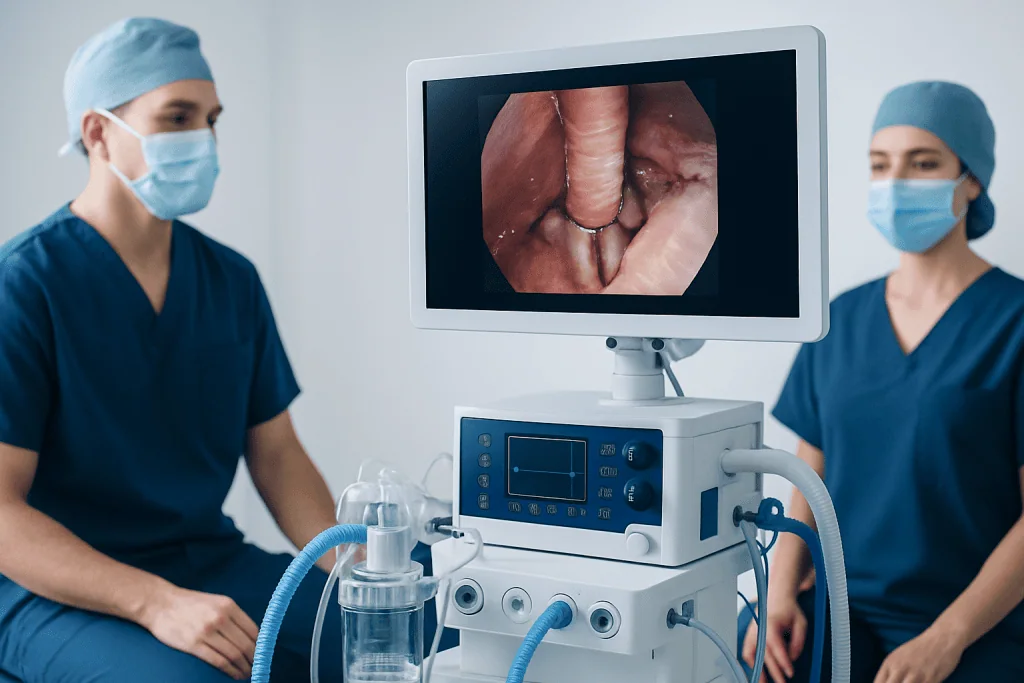
During tracheal resection, the surgeon removes the narrowed, injured, or abnormal airway segment and carefully brings the remaining ends together without excessive tension. The connection is made with sutures. When needed, nearby tissues may be released or repositioned to help the trachea reach comfortably and support healing.
Potential candidates include people with symptomatic, short-segment tracheal stenosis; selected benign or malignant tracheal tumors; and certain airway injuries. Symptoms that may prompt assessment include exertional breathlessness, noisy breathing, wheezing that does not respond as expected to asthma treatment, recurrent chest infections, or difficulty clearing secretions. A prior history of intubation, tracheostomy, neck surgery, trauma, or radiation can be clinically important.
Not every airway narrowing requires open surgery. Depending on its location, length, cause, severity, and the person’s overall health, alternatives may include observation, medication for an underlying inflammatory condition, bronchoscopic dilation, laser or other endoscopic techniques, stenting in selected circumstances, or reconstructive approaches. The best option is individualized after airway imaging and endoscopic evaluation.
Factors such as a very long narrowed segment, severe lung or heart disease, uncontrolled infection, active smoking, previous radiation, or poor healing capacity may affect suitability. The surgical team considers both the likelihood of benefit and whether the repair can be performed safely.
What happens during the tracheal resection procedure?
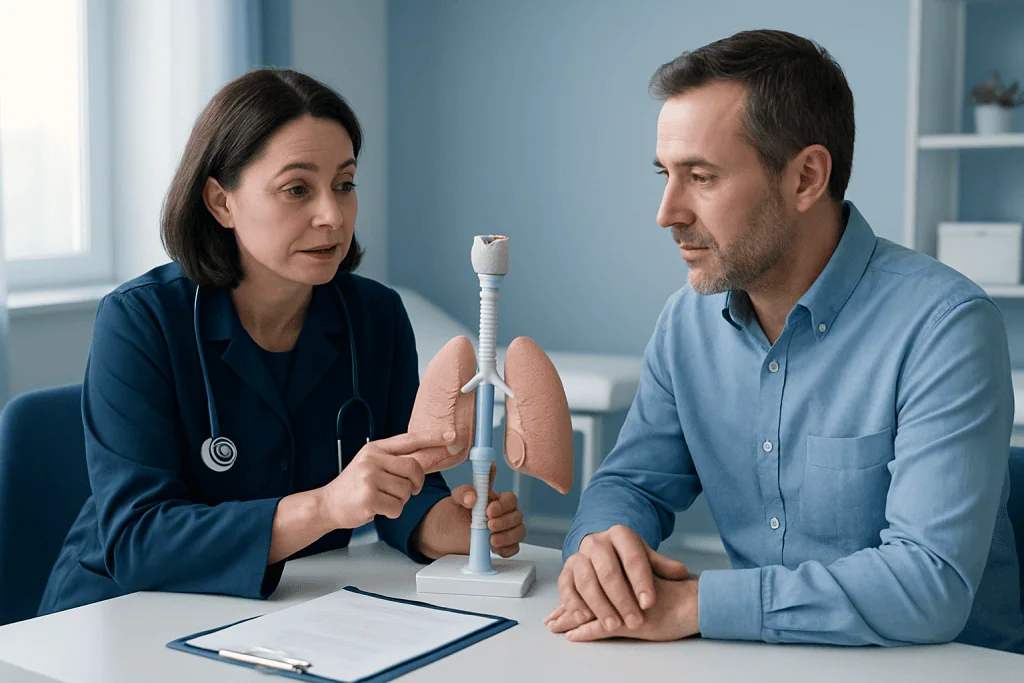
Before surgery, evaluation commonly includes a medical history, physical examination, imaging such as CT scanning, and bronchoscopy to view the airway directly. Breathing tests, heart assessment, blood tests, and review of medicines may also be needed. The team will discuss smoking cessation, nutrition, and management of conditions such as diabetes because these can influence healing.
Tracheal resection is performed under general anesthesia. The surgical approach depends on where the affected section is located. A lower-neck incision is often used for the upper trachea, while some cases require an incision through the chest. The surgeon identifies the abnormal segment, removes it, and joins the healthy ends with precision.
Anesthesia and surgical teams work closely to keep the airway safely managed throughout the operation. In some cases, the surgeon may perform additional release maneuvers to reduce tension on the reconstruction. At the end of surgery, a temporary drain may be placed, and patients are observed carefully as anesthesia wears off.
To protect the repair, the team may advise avoiding forceful neck extension and heavy coughing in the early healing period. Some patients have a gentle reminder device or positioning plan to keep the neck in a safe position. Individual instructions vary and should be followed closely.
Is tracheal resection a major surgery?
Yes. Tracheal resection is considered major surgery because it involves general anesthesia, direct reconstruction of a vital airway, and careful postoperative monitoring. It is typically performed by a multidisciplinary team that may include thoracic surgeons, ENT surgeons, anesthesiologists, pulmonologists, radiologists, speech and swallowing specialists, and intensive care clinicians.
Although it is major surgery, the operation may offer a more definitive solution than repeated temporary airway procedures for suitable people with a short, significant narrowing. The balance of benefits and risks depends on the cause and extent of the airway problem, previous treatments, and general health.
Possible complications include bleeding, wound infection, pneumonia, blood clots, temporary voice changes, swallowing difficulty, and recurrent narrowing. A particularly important but uncommon concern is a problem at the surgical connection, such as separation, granulation tissue, or scarring. The team monitors for these issues during recovery and follow-up.
People should discuss their individual risks, expected hospital stay, and recovery needs with the surgical team. They should also ask which symptoms require urgent contact after discharge, especially breathing difficulty, fever, increasing neck swelling, or coughing blood.
How long does it take to recover from a tracheal resection?
Tracheal resection recovery time varies, but many patients remain in hospital for several days after surgery so breathing, pain control, swallowing, and the surgical repair can be monitored. Early recovery focuses on protecting the airway connection, gradually increasing activity, managing discomfort, and ensuring that the person can eat, drink, and breathe safely.
After discharge, energy and comfort commonly improve over several weeks. Many people need to limit strenuous activity, heavy lifting, and movements that strain the neck until their clinician confirms that healing is progressing well. Return to work or usual routines depends on the physical demands of daily activities, the extent of surgery, and any underlying illness.
Tracheal resection surgery recovery time can be longer when the procedure was complex, when a person has other medical conditions, or when additional treatment is required for a tumor or inflammatory disease. Follow-up appointments may include examination, imaging, or bronchoscopy to check the airway and the surgical connection.
For tracheal resection and reconstruction recovery, patients should follow guidance on wound care, medicines, activity, hydration, nutrition, and smoking avoidance. New or worsening shortness of breath should never be managed alone at home; it needs prompt medical assessment.
What is the success rate of tracheal resection?
Success is usually judged by whether the airway remains open, symptoms improve, and further major airway treatment is avoided. In appropriately selected patients treated by experienced teams, tracheal resection often has favorable long-term results. However, no single percentage accurately applies to every person because outcomes differ according to the cause, length, location, and severity of the airway condition.
For benign tracheal stenosis, a well-healed reconstruction can provide lasting relief from airflow limitation. Results may be less predictable when there is extensive disease, active inflammation, a long segment of narrowing, prior radiation, repeated prior airway procedures, or health factors that impair wound healing.
The question, “What is the success rate of trachea surgery?” also has no universal answer because trachea surgery includes different operations for different conditions. The surgeon can provide the most useful estimate after reviewing bronchoscopy findings, scans, prior treatment, and the individual’s medical history.
Long-term follow-up remains important even after a good initial result. Some people develop scar tissue or recurrent symptoms that require further evaluation and, occasionally, endoscopic treatment or another intervention.
Benefits, aftercare, and reducing risks
The main potential benefit of tracheal resection is improved airflow through a stable reconstructed airway. For people whose symptoms are caused by a removable short segment of narrowing, the procedure may reduce breathlessness, noisy breathing, and dependence on repeated temporary airway procedures. It may also allow treatment of selected localized tracheal tumors.
After surgery, patients are usually encouraged to take short, gradual walks as advised, use breathing exercises if prescribed, and attend all follow-up visits. Good nutrition, adequate fluids, and careful control of long-term conditions can support recovery. Smoking and nicotine products can interfere with healing and should be avoided; support for stopping can be arranged before surgery.
Patients should use only medicines approved by their treating clinicians, including pain medicines, cough remedies, supplements, and anti-inflammatory drugs. They should not forcefully stretch the neck or restart high-intensity exercise before being cleared. A clinician can also advise when driving, work, travel, and sexual activity are safe to resume.
Acibadem International’s multidisciplinary specialists and JCI-accredited hospitals assess and treat complex airway conditions for international patients, with care plans based on individual anatomy, diagnosis, and recovery needs.
When to seek medical care
Urgent medical care is needed for severe or rapidly worsening breathlessness, noisy breathing at rest, blue or grey lips or face, inability to speak in full sentences, coughing significant amounts of blood, or loss of consciousness. These symptoms can indicate a serious airway problem and should not wait for a routine appointment.
After tracheal surgery, patients should contact their surgical team promptly for fever, increasing redness or drainage from the wound, worsening neck swelling, chest pain, persistent vomiting, difficulty swallowing, a change in voice that is worsening, or new breathlessness. The team can determine whether urgent review is needed.
People with ongoing wheeze, exertional breathlessness, or repeated respiratory infections—particularly after a period of intubation or tracheostomy—should arrange medical evaluation. Airway narrowing can be mistaken for other respiratory conditions, and early specialist assessment can clarify the cause.
Frequently asked questions
What is tracheal resection?
Tracheal resection is surgery that removes a diseased or narrowed section of the windpipe and reconnects the healthy ends. It is most often used for a significant short segment of tracheal stenosis, but may also be appropriate for selected tumors or injuries.
How long does it take to recover from a tracheal resection?
Hospital recovery commonly takes several days, followed by gradual recovery at home over weeks. The exact timeline depends on the extent of surgery, the reason for surgery, overall health, and whether any complications occur. The treating team provides individualized activity and follow-up guidance.
Is tracheal resection a major surgery?
Yes. It is a major operation because it reconstructs the airway under general anesthesia and requires close monitoring after surgery. It is generally performed in specialist centers with experienced airway and anesthesia teams.
What is the success rate of tracheal resection?
Tracheal resection can have favorable long-term results in carefully selected patients, especially when the affected segment is limited and the repair heals well. A single success rate is not appropriate for everyone because the underlying diagnosis, airway anatomy, prior treatment, and health factors affect outcomes.
What is the success rate of trachea surgery?
Trachea surgery includes several different procedures, so results vary widely by the operation and condition being treated. A surgeon can give a more meaningful estimate after reviewing airway imaging, bronchoscopy findings, and the person’s overall health.
Will breathing improve immediately after tracheal resection?
Some people notice improved airflow soon after surgery, but the airway and surrounding tissues still need time to heal. Temporary swelling, discomfort, mucus production, or fatigue can affect how breathing feels early in recovery. New or worsening breathing difficulty should be assessed promptly.
References
- American Thoracic Society
- American College of Chest Physicians
- National Institutes of Health
- European Respiratory Society
- Society of Thoracic Surgeons
This article is for general information only and is not a substitute for professional medical advice. Please consult a qualified doctor about your individual situation.
Oncology care in Turkey — second opinion and treatment plan
JCI-accredited · board-certified surgeons · reply within 24h
Add us as a Preferred Source to see more of our trusted health content across Google Search, AI Overviews and Discover.

More from the Health Library



Related Specialists

Dt. Ali Osman Maviş
Oral & Dental Health
Dr. Resül Altınayak
Clinical Laboratory
Dr. Mehmed Fatih Yumrutaş
Inpatient Clinic Physicians Clinical Service
Assoc. Prof. Dr. İletişim | 444 55 44
Physical Medicine & Rehabilitation