Bowel Endometriosis Treatment: How It Works, Results and What to Expect

Bowel endometriosis occurs when endometriosis tissue affects the bowel, most often the rectum or sigmoid colon. Not everyone with bowel endometriosis needs surgery; treatment is based on symptoms, complications and personal priorities.
Key Takeaways
- Bowel endometriosis occurs when endometriosis tissue affects the bowel, most often the rectum or sigmoid colon.
- Not everyone with bowel endometriosis needs surgery; treatment is based on symptoms, complications and personal priorities.
- Hormonal treatment can reduce pain and suppress disease activity but does not remove existing scar tissue or severe narrowing.
- Surgery is usually considered for persistent severe symptoms, bowel obstruction risk, significant narrowing or selected fertility-related situations.
- Recovery after bowel surgery varies with the operation performed, overall health and whether bowel tissue was removed.
- Care is ideally planned by a multidisciplinary team that includes gynecology, colorectal surgery, radiology and pain or fertility specialists when needed.
Bowel endometriosis treatment is individualized and may involve symptom-focused medicines, hormonal treatment, surgery, or a combination of these approaches. The most appropriate plan depends on the location and depth of bowel involvement, symptom severity, response to previous treatment, and personal goals such as pregnancy.
Overview: how bowel endometriosis treatment works
Bowel endometriosis treatment aims to control pain, support bowel function, improve quality of life and address complications when they occur. Endometriosis is a condition in which tissue similar to the lining of the uterus grows outside the uterus. When it involves the bowel, it most often affects the outer surface or muscular wall of the rectum and sigmoid colon, rather than the inner lining of the bowel.
Treatment is not automatically surgical. Many people benefit from a tailored combination of pain management, hormonal treatment, dietary adjustments for troublesome bowel symptoms and follow-up. Surgery may be recommended when symptoms remain significant despite appropriate medical treatment, when there is substantial bowel narrowing, or when a specialist believes removal of disease is likely to offer meaningful benefit.
Because symptoms can overlap with irritable bowel syndrome, inflammatory bowel disease and other pelvic conditions, an accurate assessment is important before choosing treatment. Plans should also account for whether a person is trying to conceive now, may wish to become pregnant in the future, or prefers to avoid hormonal treatment.
How serious is bowel endometriosis?
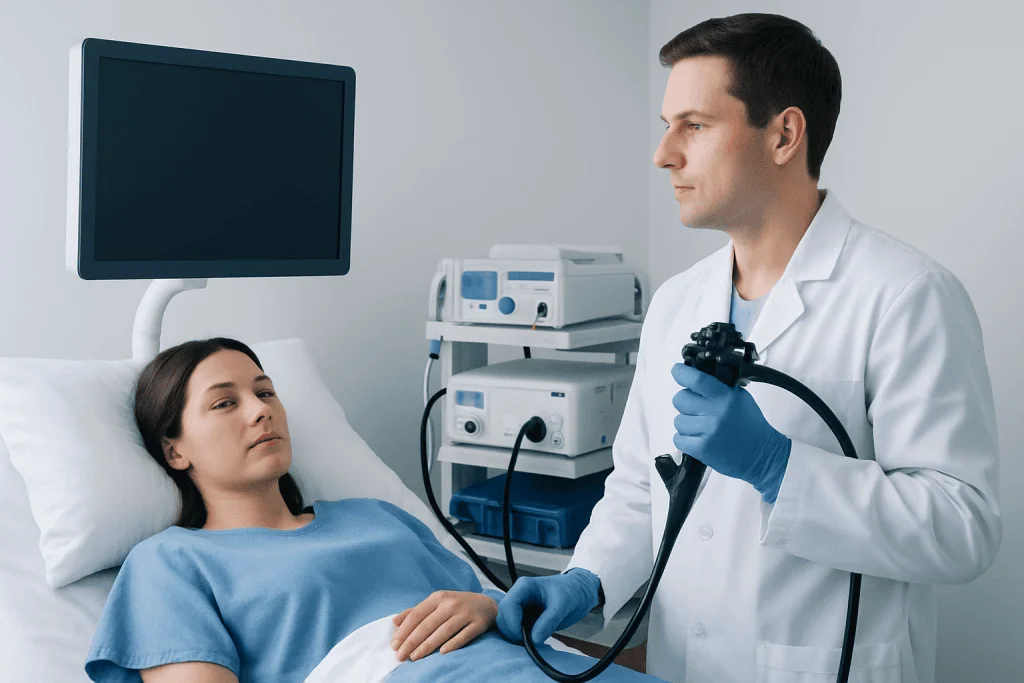
Bowel endometriosis can be painful and disruptive, but it is not cancer. The seriousness varies widely. Some people have small areas of disease with few symptoms, while others have deep lesions, inflammation and scarring that cause substantial pelvic pain, painful bowel movements, constipation, diarrhea, bloating or cyclical rectal bleeding.
Deep disease can gradually cause fibrosis, which is a type of scar tissue. In some cases, fibrosis narrows part of the bowel and makes it harder for stool to pass. Complete bowel obstruction is uncommon, but severe abdominal swelling, vomiting, inability to pass stool or gas, and worsening cramping require urgent medical assessment.
The condition can also affect daily activities, emotional wellbeing, sexual health and fertility. These effects are valid reasons to seek specialist care, even when there is no emergency. A clinician can help distinguish symptoms linked to endometriosis from those caused by another digestive or pelvic health condition.
Symptoms, causes and what a bowel endo flare up can feel like
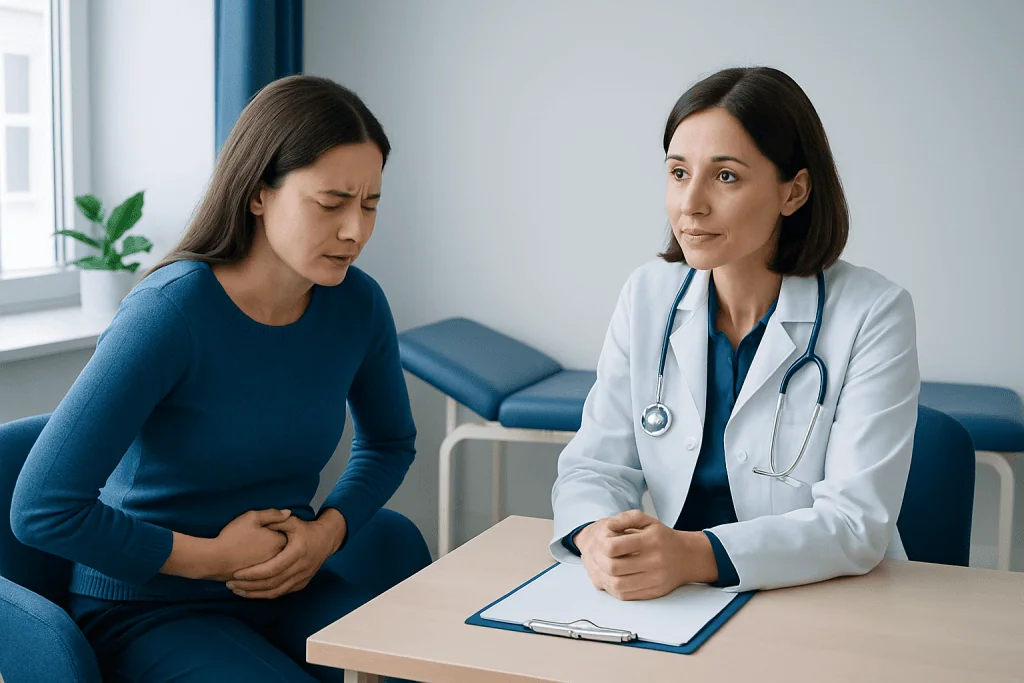
The cause of endometriosis is not fully understood. It is likely influenced by several factors, including hormones, immune function, genetics and the way menstrual tissue behaves within the pelvis. Bowel symptoms may be driven by inflammation around lesions, changes in pelvic nerves, adhesions, bowel narrowing or coexisting digestive conditions.
A bowel endo flare up often means a temporary increase in symptoms, commonly around menstruation or ovulation. It may feel like deep pelvic or lower abdominal pain, cramping with bowel movements, rectal pressure, bloating, constipation, diarrhea, nausea or fatigue. Some people notice pain during sex or pain that spreads to the lower back. Symptoms are not always cyclical, particularly when disease has caused scarring or when bowel sensitivity has developed.
Keeping a symptom and menstrual-cycle diary can help identify patterns and show a clinician how symptoms affect eating, bowel habits, sleep and work. Blood in the stool should always be assessed, because it may have causes other than endometriosis and should not be assumed to be menstrual-related.
- Severe symptoms do not always mean extensive disease.
- Minimal symptoms do not always rule out deep disease.
- New, persistent or changing bowel symptoms deserve medical review.
Assessment and candidacy for different treatments
A specialist assessment usually starts with a detailed history, pelvic examination when appropriate and discussion of symptoms, medicines, fertility goals and previous operations. Transvaginal ultrasound performed by an experienced clinician and pelvic magnetic resonance imaging (MRI) can help map deep endometriosis and its relationship to the bowel. Imaging supports treatment planning, although laparoscopy may still be needed to confirm and treat disease in selected cases.
Medical treatment may be suitable for people whose symptoms are manageable, who do not have evidence of significant bowel compromise and who are not currently pursuing pregnancy. Options can include non-hormonal pain relief and hormonal approaches that reduce menstrual cycling and may lessen endometriosis-related pain. The choice depends on medical history, preferences, side effects and reproductive plans.
Surgical candidacy is considered carefully. Surgery may be appropriate for persistent severe pain despite medical treatment, deep lesions affecting bowel function, significant narrowing, suspected obstruction, or a need to remove disease as part of an individualized fertility plan. A colorectal surgeon may be involved when lesions are close to or within the bowel wall.
In complex cases, decisions are best made by a multidisciplinary team. This can include a gynecologic surgeon, colorectal surgeon, radiologist, anesthesiologist, pain specialist and fertility specialist. The purpose is to choose the least invasive approach that can safely address the person’s main problems.
Bowel endometriosis surgery: step by step
Surgery is generally performed using laparoscopy, also called keyhole surgery, under general anesthesia. Small incisions are made in the abdomen so the surgical team can insert a camera and fine instruments. The team first assesses the pelvis and maps the extent of endometriosis, adhesions and bowel involvement before proceeding with the planned treatment.
The operation used depends on the size, depth and location of the lesion. Superficial disease on the bowel surface may be carefully shaved away. For deeper, localized lesions, a disc of bowel wall may be removed and repaired. When a larger area of the bowel is affected or narrowed, a segmental bowel resection may be recommended, meaning the affected section is removed and the healthy ends are joined.
The goal is to improve symptoms and protect bowel function while avoiding unnecessary removal of tissue. In rare, higher-risk circumstances, a temporary stoma may be discussed before surgery. This is not needed for most people, but the possibility should be explained clearly when relevant to the planned procedure.
People considering surgery should discuss expected benefits, alternatives, the chance that symptoms may continue or recur, effects on fertility, and the specific experience of the surgical team. Endometriosis treatment should be individualized rather than based on imaging findings alone.
Should bowel endometriosis be removed?
Bowel endometriosis does not always need to be removed. If symptoms are mild, bowel function is stable and there is no concerning narrowing or complication, observation and medical treatment may be reasonable. Surgery has potential benefits, but it also carries risks, so the decision should reflect the person’s symptoms and priorities rather than the diagnosis alone.
Removal may be considered when pain remains severe despite a well-tolerated medical plan, when bowel symptoms substantially affect daily life, or when imaging and clinical assessment suggest significant bowel narrowing. Surgery can also be part of a plan for some people with infertility, although it is not automatically required before fertility treatment and should be discussed with specialists.
Even after well-planned surgery, endometriosis symptoms can persist or return. Pain may have more than one cause, including pelvic floor muscle tension, nerve sensitization, bladder conditions or digestive disorders. For this reason, surgery is often most helpful when it is integrated with ongoing symptom management and follow-up.
Recovery timeline, benefits and risks of treatment
Recovery from endometriosis bowel surgery depends on the extent of the procedure. After uncomplicated laparoscopic surgery without bowel resection, many people begin light movement soon after surgery and may return to less demanding activities within a few weeks. Recovery after disc excision or segmental bowel resection commonly takes longer, often several weeks, and complete return to usual stamina may take a number of months.
In hospital, the team monitors pain control, hydration, wound healing and the return of bowel function. Patients are usually encouraged to walk early and follow instructions about food, fluids, constipation prevention, wound care and activity. The surgical team will give individualized guidance on driving, exercise, sexual activity and return to work.
Potential benefits include reduced pelvic pain, less pain during bowel movements, improved bowel function in people with narrowing, and better daily functioning. Risks vary by procedure but can include bleeding, infection, injury to nearby organs, adhesions, leakage where bowel is joined, temporary changes in bowel habits, blood clots and the need for further treatment. These risks are usually discussed in detail during consent.
Contact the surgical team promptly for fever, increasing abdominal pain, persistent vomiting, wound redness or drainage, heavy rectal bleeding, worsening abdominal swelling, inability to pass stool or gas, or any symptom that feels concerning. Acibadem International’s multidisciplinary specialists and JCI-accredited hospitals can assess and treat endometriosis, including complex bowel involvement, for international patients.
When to seek medical care
A person should arrange a medical appointment for persistent pelvic pain, bowel symptoms that follow the menstrual cycle, pain with bowel movements, painful sex, unexplained fatigue or symptoms that interfere with ordinary life. Evaluation is also important before changing hormonal medicines, planning pregnancy or considering surgery.
Urgent assessment is needed for severe or rapidly worsening abdominal pain, repeated vomiting, marked abdominal distension, fainting, fever, inability to pass stool or gas, or significant rectal bleeding. These symptoms can have several possible causes and require prompt evaluation rather than self-treatment.
It can be helpful to bring a list of symptoms, menstrual dates, previous scans, operation reports and current medicines to an appointment. This information supports a more informed discussion about conservative care, imaging, referral to a specialist center and potential surgery.
Frequently asked questions
What is the first-line bowel endometriosis treatment?
The first approach is often tailored to the person’s symptoms, reproductive plans and imaging findings. It may include pain relief, hormonal treatment to suppress menstrual cycling and monitoring of bowel symptoms. Surgery is usually considered when symptoms remain severe, bowel function is affected or complications are a concern.
Can hormonal treatment cure bowel endometriosis?
Hormonal treatment can reduce pain and suppress activity of endometriosis, but it does not permanently remove lesions or scar tissue. Symptoms may return after treatment is stopped. A clinician can help weigh likely benefits and side effects based on individual health needs.
How long does it take to recover from endometriosis bowel surgery?
Recovery varies according to the type of operation. Many people recover from less extensive laparoscopic procedures over a few weeks, while surgery involving bowel repair or removal of a bowel segment may require several weeks to months for full recovery. The surgical team provides the most reliable timeline for the planned procedure.
Should bowel endometriosis be removed?
Removal is not necessary for everyone. It may be appropriate when symptoms are severe and persistent, bowel narrowing is significant, or conservative treatment has not provided adequate relief. The decision should be made with an experienced multidisciplinary team after discussing alternatives and surgical risks.
What does a bowel endo flare up feel like?
A flare up may involve worsening lower abdominal or pelvic pain, cramping, bloating, rectal pressure and pain with bowel movements. Some people experience constipation, diarrhea, nausea, fatigue or pain during sex, often around menstruation. New or severe symptoms should be reviewed because not all bowel symptoms are caused by endometriosis.
Can bowel endometriosis affect fertility?
Endometriosis can be associated with reduced fertility, particularly when it affects the ovaries, fallopian tubes or other pelvic structures alongside the bowel. However, many people with endometriosis conceive naturally or with fertility support. A fertility specialist can discuss timing, testing and treatment options in the context of individual goals.
References
- World Health Organization
- European Society of Human Reproduction and Embryology
- American College of Obstetricians and Gynecologists
- National Institute for Health and Care Excellence
- Mayo Clinic
This article is for general information only and is not a substitute for professional medical advice. Please consult a qualified doctor about your individual situation.
Endometriosis in Turkey — costs, top hospitals & a free quote
JCI-accredited · board-certified surgeons · reply within 24h
Add us as a Preferred Source to see more of our trusted health content across Google Search, AI Overviews and Discover.
Check your numbers in seconds
BMI, calories, due date, blood pressure and 30+ more clinical calculators — free, instant, doctor-reviewed ranges.

Gynecology & Obstetrics
Women’s health across pregnancy, gynecologic surgery and high-risk pregnancy care.
187 specialists in this unit