

Endometriosis Treatment Stage 4: How It Works, Results and What to Expect

Stage 4 endometriosis describes extensive disease and adhesions, but the stage does not reliably predict pain severity or fertility outcomes. Treatment decisions depend on symptoms, organ involvement, pregnancy plans, previous treatment and personal preferences.
Key Takeaways
- Stage 4 endometriosis describes extensive disease and adhesions, but the stage does not reliably predict pain severity or fertility outcomes.
- Treatment decisions depend on symptoms, organ involvement, pregnancy plans, previous treatment and personal preferences.
- Laparoscopic surgery may be considered for severe pain, endometriomas, bowel or urinary tract involvement, or infertility-related concerns.
- Hormonal treatment can reduce symptoms and help lower the chance of recurrence after surgery for people not trying to conceive.
- Complex endometriosis may require a multidisciplinary team including gynecology, colorectal surgery, urology, pain specialists and fertility experts.
Endometriosis treatment stage 4 is individualized and may include pain management, hormonal medicines, fertility support and carefully planned surgery to remove endometriosis and treat affected organs. Although stage 4 disease can be complex, many people achieve meaningful symptom relief and pursue their daily goals with coordinated specialist care.
Overview: how stage 4 endometriosis is treated
Endometriosis treatment stage 4 usually involves a personalized combination of symptom relief, hormonal treatment, fertility planning and, when appropriate, advanced laparoscopic surgery. The aim is not simply to assign a stage, but to address the locations of disease, the person’s pain and bowel or bladder symptoms, and whether pregnancy is desired now or later.
Endometriosis occurs when tissue similar to the lining of the uterus grows outside the uterus. In stage 4, also called severe endometriosis, there may be extensive adhesions, deep endometriosis, ovarian endometriomas and involvement of nearby structures such as the bowel, bladder, ureters or pelvic lining. Staging is generally determined during surgery; it does not measure pain intensity and cannot predict every person’s treatment response.
For some people, medication and follow-up provide effective symptom control. Others benefit from surgery performed by an experienced team, particularly when anatomy is distorted by adhesions, symptoms remain difficult to manage, or organs are affected. The main goals are to improve quality of life, protect organ function where possible and support informed fertility choices.
How serious is stage 4 endometriosis?
Stage 4 endometriosis is considered extensive because it can involve large endometriomas, dense scar tissue and disease in multiple pelvic areas. It is a long-term inflammatory condition, but it is not cancer. The seriousness for an individual depends on the sites involved, symptoms, effects on bowel or urinary function, and fertility goals rather than the stage alone.
Some people with stage 4 disease have severe pelvic pain, painful periods, pain during sex, fatigue, bowel symptoms or difficulty becoming pregnant. Others have comparatively mild symptoms despite extensive findings. Deep lesions affecting the bowel, bladder or ureters deserve specialist assessment because they can occasionally interfere with normal organ function.
A thoughtful treatment plan should balance likely benefits with the possible effects of treatment on ovarian reserve, fertility and recovery. Regular communication with a gynecologist experienced in endometriosis helps ensure that new or changing symptoms are evaluated appropriately.
How treatment works: medicines, surgery and fertility planning
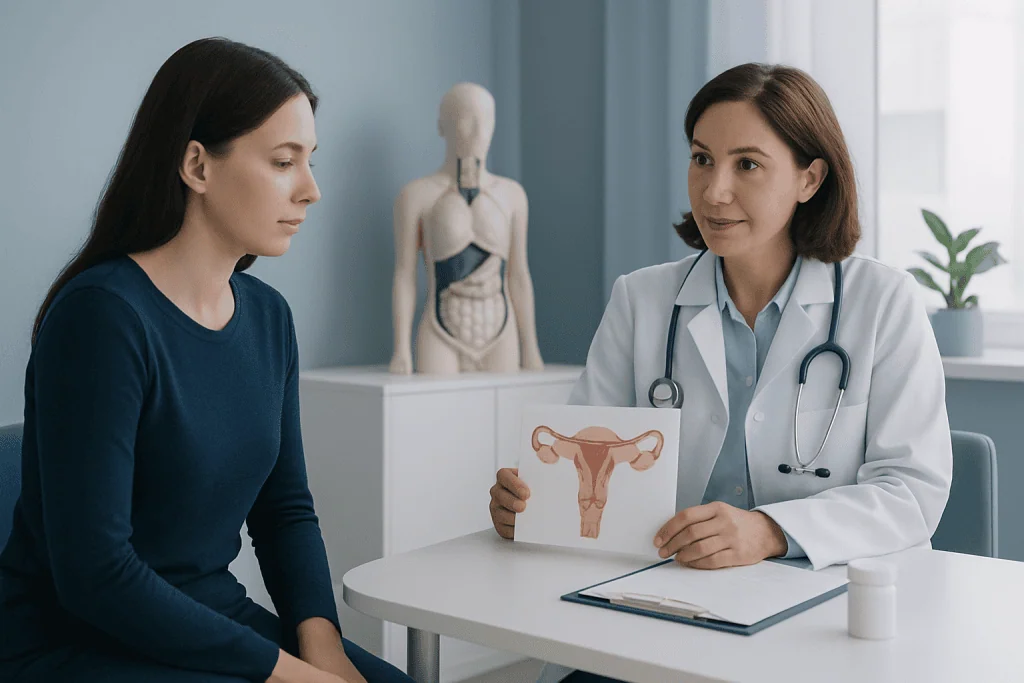
Pain relief may include nonsteroidal anti-inflammatory medicines when suitable for the individual. Hormonal treatments, such as combined hormonal contraception, progestogen-based options or medicines that suppress ovarian hormone production, can reduce bleeding and endometriosis-related pain. These treatments manage activity of the disease but do not permanently remove it, and most prevent pregnancy while being used.
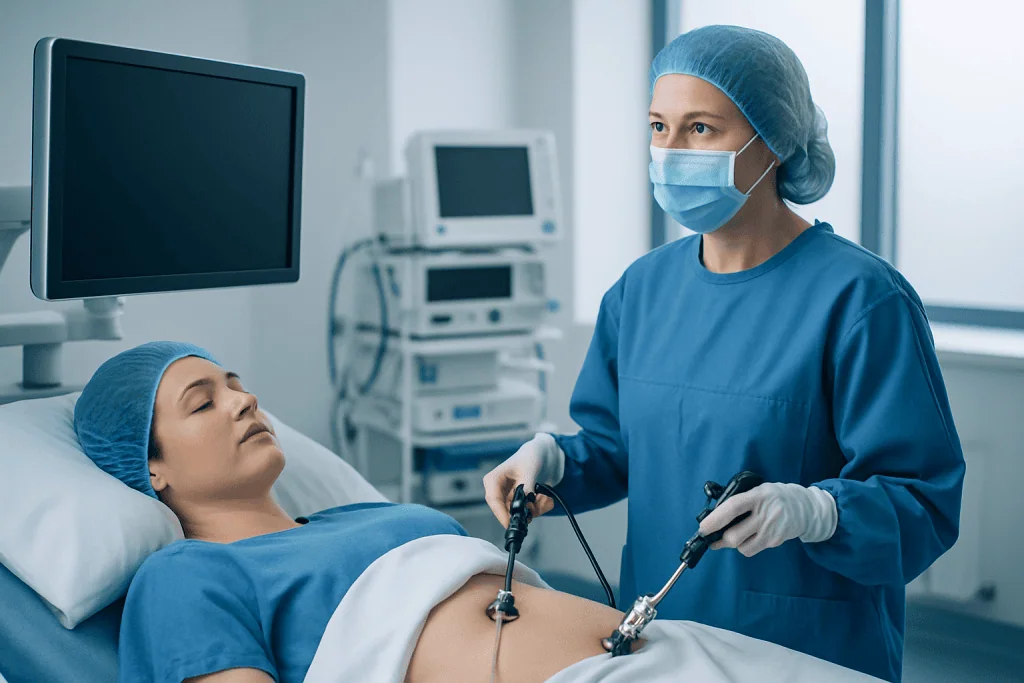
For people with persistent symptoms, significant endometriomas, deep disease or fertility-related indications, endometriosis treatment may include minimally invasive surgery. During laparoscopy, the surgeon uses small abdominal incisions and a camera to assess the pelvis, separate adhesions and remove or treat visible endometriosis lesions. The operation is tailored to the location of disease; bowel, bladder or ureter surgery is considered only when there is a clear indication and appropriate expertise.
Fertility support is individualized. Surgery may improve pelvic anatomy in selected circumstances, but it can also affect ovarian tissue, especially with ovarian endometrioma surgery. A fertility specialist can discuss timing of attempts at pregnancy, assisted reproductive treatment and, where relevant, fertility preservation before surgery.
- Medical treatment is often preferred when symptoms can be controlled and pregnancy is not currently planned.
- Surgery is considered when symptoms, organ involvement or reproductive goals make it appropriate.
- Follow-up treatment may include hormonal suppression after surgery for those not trying to conceive, to help reduce symptom recurrence.
Who may be a candidate and what happens during surgery
Surgical assessment may be appropriate for people with severe or ongoing symptoms despite medical treatment, suspected deep endometriosis, a concerning ovarian cyst, bowel or urinary tract symptoms, or infertility where surgery may be useful. Not everyone with stage 4 disease needs immediate surgery. Decisions should be made after reviewing imaging, symptoms, prior treatments, pregnancy plans and the potential effect on ovarian reserve.
Before surgery, evaluation may include a pelvic examination, ultrasound and, in selected cases, magnetic resonance imaging to map deep disease. Blood tests and other preoperative checks are arranged as needed. If bowel, bladder or ureter involvement is suspected, a multidisciplinary planning discussion can include colorectal surgeons, urologists, radiologists, anesthesiologists and fertility specialists.
During laparoscopic surgery under general anesthesia, small incisions are made in the abdomen. The surgeon examines the pelvic organs, releases adhesions and removes or destroys endometriosis where this can be done safely. Endometriomas may be treated with techniques chosen to balance removal of disease with preservation of healthy ovarian tissue. If more extensive bowel or urinary tract procedures are needed, these are discussed in advance whenever possible.
Pathology testing may be used to confirm removed tissue. A detailed operative record is important because endometriosis can occur in different locations, and future treatment planning benefits from knowing what was found and treated.
Benefits, risks and recovery timeline
Potential benefits of surgery include reduced pain, improved pelvic anatomy, treatment of endometriomas and relief of symptoms related to adhesions or deep lesions. Results vary: surgery can improve symptoms substantially for many people, but endometriosis can recur and some pain may have more than one cause. Hormonal treatment after surgery may be recommended if pregnancy is not being pursued.
All surgery carries risks. These include bleeding, infection, reactions to anesthesia, blood clots and injury to nearby organs. With complex endometriosis surgery, there may be additional risks involving the bowel, bladder, ureters, nerves or ovaries. Ovarian surgery can reduce ovarian reserve, which is especially important to discuss for people who hope to have biological children.
After uncomplicated laparoscopy, many people go home the same day or after a short stay, depending on the operation and their recovery. Shoulder-tip discomfort from surgical gas, abdominal tenderness, tiredness and light vaginal bleeding can occur temporarily. Gentle walking is usually encouraged early, while return to work, exercise and sexual activity should follow the surgeon’s individualized advice.
Recovery can take longer after extensive surgery, particularly if bowel or urinary tract procedures were performed. Follow-up appointments review wound healing, pathology results, symptom control, future hormonal treatment and fertility plans. Urgent medical advice is needed for fever, increasing pain, persistent vomiting, heavy bleeding, shortness of breath, leg swelling, inability to pass urine or concerning wound changes.
How do the Japanese treat endometriosis?
Japan uses many of the same evidence-based principles applied internationally: careful diagnosis, pain management, hormonal therapy, laparoscopic surgery when indicated and fertility-focused care. Japanese clinical practice has included use of progestogen therapies, combined hormonal contraception and gonadotropin-releasing hormone medicines, selected according to symptoms, treatment tolerance and reproductive plans.
For severe or deep endometriosis, treatment in Japan may involve laparoscopic surgery by experienced gynecologic surgeons, with collaboration from colorectal or urologic specialists when disease affects other organs. As in other countries, there is no single “Japanese treatment” that is best for everyone; decisions should be based on individual clinical needs and current guideline-informed care.
People considering treatment abroad should ask how the care team evaluates deep disease, preserves fertility where relevant, coordinates other surgical specialties and provides follow-up after treatment. Clear records and communication with a local clinician are also important for continuity of care.
Can you live a normal life with stage 4 endometriosis? What to avoid
Many people with stage 4 endometriosis lead active, fulfilling lives, although treatment and self-management may be needed over time. A realistic goal is to reduce symptoms, protect health and support participation in work, relationships, exercise and personal plans. It can take time to find the treatment combination that works best, and emotional support can be an important part of care.
There is no universal list of foods or activities that must be avoided with stage 4 endometriosis. It may help to avoid delaying assessment of new bowel, bladder or severe pelvic symptoms, stopping prescribed hormonal treatment without medical advice, or relying on unproven remedies in place of medical care. Smoking cessation, adequate sleep, regular gentle activity and a balanced diet can support general health, but they do not replace treatment.
Some people find that tracking periods, pain, bowel symptoms, fatigue and treatments helps identify personal triggers and makes consultations more productive. Pelvic floor physiotherapy, pain management, mental health support and nutrition guidance may be useful additions for selected individuals. Acibadem International’s multidisciplinary specialists and JCI-accredited hospitals support diagnosis and treatment planning for international patients with complex endometriosis.
When to seek medical care
Medical assessment is appropriate for pelvic pain that disrupts daily activities, very painful or heavy periods, pain during sex, persistent bowel or bladder symptoms that vary with the menstrual cycle, or difficulty becoming pregnant. These symptoms do not always mean endometriosis, but they deserve a careful review rather than being dismissed as something a person must simply tolerate.
Prompt medical care is especially important for sudden severe pelvic pain, fainting, fever, repeated vomiting, marked abdominal swelling, blood in urine or stool, or an inability to pass urine or stool. These symptoms can have several causes and require timely evaluation.
People already diagnosed with stage 4 endometriosis should arrange follow-up if symptoms worsen, medication side effects are troublesome, pregnancy plans change or there are signs suggesting bowel or urinary tract involvement. A qualified clinician can help weigh observation, medication, surgery and fertility options safely.
Frequently asked questions
Can stage 4 endometriosis be cured?
There is currently no guaranteed permanent cure for endometriosis. Surgery can remove visible disease and improve symptoms, while hormonal treatment can suppress disease activity. Because symptoms and lesions can recur, ongoing follow-up and individualized management are often needed.
Does stage 4 endometriosis always require surgery?
No. Surgery is not automatically required solely because the condition is classified as stage 4. It is considered based on symptoms, organ involvement, response to medication, fertility goals and the potential benefits and risks for that person.
Can stage 4 endometriosis affect fertility?
It can affect fertility by causing adhesions, altered pelvic anatomy, inflammation or ovarian endometriomas. However, pregnancy remains possible for many people with stage 4 disease. A fertility specialist can provide individualized guidance on natural conception, surgery and assisted reproductive options.
How long does recovery take after stage 4 endometriosis surgery?
Recovery depends on the extent of surgery and whether bowel, bladder or urinary tract procedures were needed. After straightforward laparoscopy, many people resume lighter activities within days to a few weeks, while extensive surgery can require a longer recovery. The surgical team provides specific activity and follow-up guidance.
Will hormone therapy help if I have stage 4 endometriosis?
Hormonal therapy can reduce pain and bleeding for many people, including those with advanced disease. It is usually not used when someone is actively trying to become pregnant because it prevents ovulation or pregnancy while taken. The most suitable option depends on symptoms, medical history and reproductive plans.
What is the difference between stage 4 and deep endometriosis?
Stage 4 is a surgical staging category based on findings such as adhesions, implants and ovarian endometriomas. Deep endometriosis describes lesions that infiltrate more deeply into tissue and may involve organs such as the bowel, bladder or ureters. A person may have deep disease without every feature used to define stage 4, and vice versa.
References
- World Health Organization
- American College of Obstetricians and Gynecologists
- European Society of Human Reproduction and Embryology
- National Institute for Health and Care Excellence
- American Society for Reproductive Medicine
This article is for general information only and is not a substitute for professional medical advice. Please consult a qualified doctor about your individual situation.
Endometriosis in Turkey — costs, top hospitals & a free quote
JCI-accredited · board-certified surgeons · reply within 24h
Add us as a Preferred Source to see more of our trusted health content across Google Search, AI Overviews and Discover.

Gynecology & Obstetrics
Women’s health across pregnancy, gynecologic surgery and high-risk pregnancy care.
187 specialists in this unitMore from the Health Library



Related Specialists

Assoc. Prof. Dr. Murat Yassa
Gynecology & Obstetrics
Dr. Nuh Hakan Temiz
Nuclear Medicine
Assoc. Prof. Dr. Sibel Aka
Pediatrics
Dr. Belinda İrem Ardal
Acibadem Life Clinical Service