Treatment for Recurrent Styes: How It Works, Results and What to Expect

Recurrent styes often relate to blocked eyelid oil glands, chronic eyelid inflammation, or skin conditions such as rosacea. Warm compresses and gentle lid hygiene are important first-line measures, but squeezing or popping a stye can worsen irritation or infection.
Key Takeaways
- Recurrent styes often relate to blocked eyelid oil glands, chronic eyelid inflammation, or skin conditions such as rosacea.
- Warm compresses and gentle lid hygiene are important first-line measures, but squeezing or popping a stye can worsen irritation or infection.
- Antibiotics are not needed for every stye; they are used selectively when a clinician suspects bacterial infection or eyelid cellulitis.
- A persistent painless lump may be a chalazion rather than an active stye and can sometimes require a minor in-office procedure.
- Repeated lumps in the same location should be assessed by an ophthalmologist to rule out less common causes.
Treatment for recurrent styes starts by confirming whether the eyelid lump is an active stye, a chalazion, or another condition. Regular warm compresses and eyelid hygiene are often effective, while persistent or frequently returning lumps may need targeted treatment by an eye specialist.
Overview: treatment for recurrent styes
Treatment for recurrent styes usually combines daily eyelid care with treatment of any underlying eyelid inflammation or skin condition. If a lump does not settle, keeps returning, or affects vision, an ophthalmologist may recommend medicines, a steroid injection, or a small drainage procedure depending on whether it is an active stye or a chalazion.
A stye, also called a hordeolum, is a tender red bump that develops when an eyelash follicle or eyelid oil gland becomes blocked and inflamed. An external stye usually appears near the eyelash line, while an internal stye develops deeper in the eyelid. A chalazion is a related but usually less painful, firmer lump caused by a blocked oil gland.
Most individual styes improve without invasive treatment. However, recurrence is a reason to look beyond the visible bump and consider ongoing meibomian gland dysfunction, blepharitis, dry eye, rosacea, makeup or contact-lens habits, and other contributing factors.
Why styes keep coming back
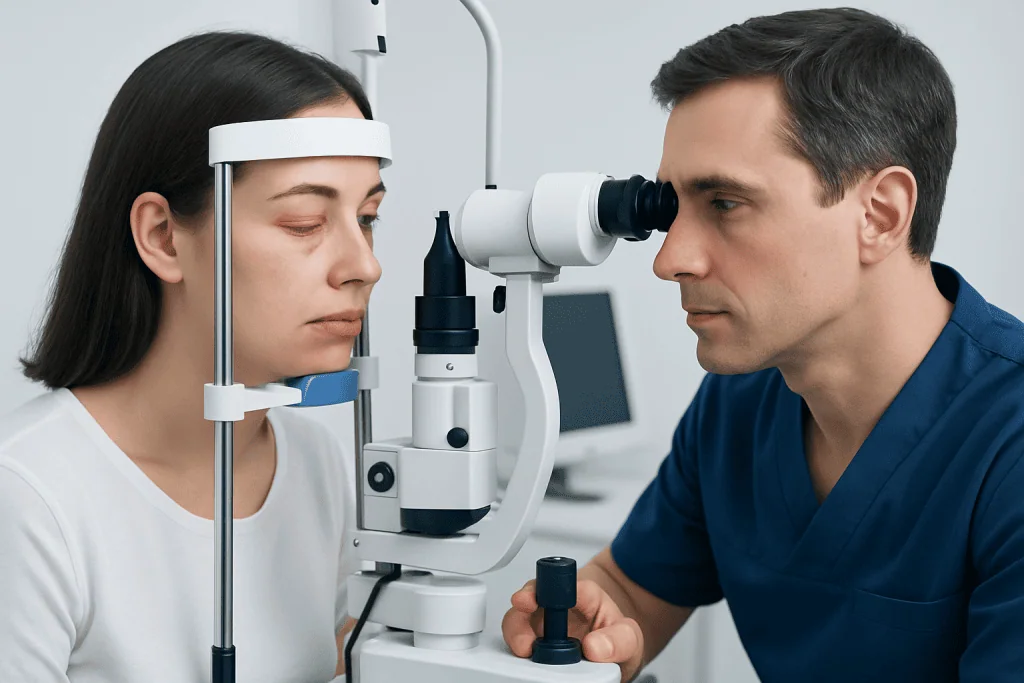
Recurrent styes commonly occur when the eyelid’s oil-producing glands do not drain well. The oils can become thick or trapped, creating conditions for inflammation and sometimes bacterial overgrowth. Blepharitis, a long-term irritation along the eyelash line, is a frequent associated condition.
People with rosacea, oily or flaky skin conditions, dry eye disease, diabetes, or a history of chalazia may be more prone to repeated eyelid lumps. Contact lenses, eye makeup that is not fully removed, expired cosmetics, and touching the eyes with unwashed hands can also contribute. These factors do not mean a person has done anything wrong; they help guide prevention and treatment.
Not every recurring lump is a stye. A lesion that is painless, firm, and lasts for weeks may be a chalazion. An eye examination is especially important if the same area repeatedly becomes swollen, as a clinician may need to evaluate for an uncommon alternative diagnosis.
How treatment works and who may need a procedure

The aim of treatment is to open blocked glands, reduce inflammation, manage infection when present, and prevent new blockages. Warmth softens thickened gland oil, while gentle eyelid cleansing removes debris around the lashes. These measures are often continued after symptoms settle because recurrence can reflect a chronic tendency toward blocked glands.
People may be candidates for additional treatment when a lump persists despite consistent home care, is large or uncomfortable, repeatedly returns, distorts the eyelid, or interferes with vision. An ophthalmologist may also advise earlier review for people with significant eyelid inflammation, reduced immune function, diabetes, or symptoms suggesting a spreading infection.
Medicines are selected according to the findings. Topical antibiotic ointment or drops may be considered in selected cases, particularly when there is drainage or associated bacterial eyelid disease. Oral antibiotics may be used for a more extensive infection or for some chronic inflammatory eyelid conditions, but they are not routine treatment for every stye.
- Warm compresses help loosen blocked material in the eyelid glands.
- Lid hygiene helps control blepharitis and reduce repeat blockage.
- Medication may treat a suspected infection or inflammation when clinically appropriate.
- Drainage or steroid injection may help a persistent chalazion or stye that has not responded to conservative care.
What happens during a stye or chalazion procedure
If a persistent lump needs intervention, the eye specialist first examines the eyelid and confirms the likely diagnosis. The procedure is generally performed in an outpatient setting under local anesthetic. The eyelid is numbed, and the clinician may make a small incision, often from the inner eyelid surface, to release and remove the blocked material.
For some chalazia, a corticosteroid injection into or around the lesion may be considered instead of, or occasionally alongside, incision and curettage. The best approach depends on the size, location, duration, and appearance of the lump, as well as the person’s medical history.
The procedure itself is usually brief. Patients may feel pressure but should not feel sharp pain after adequate local anesthesia. If tissue looks unusual or a lump repeatedly develops in the same spot, the clinician may recommend sending a sample for laboratory examination as a precaution.
Acibadem International’s ophthalmology teams can assess recurring eyelid lumps and coordinate care for international patients through its multidisciplinary specialists and JCI-accredited hospitals.
Recovery timeline, benefits and possible risks
With warm compresses and eyelid hygiene, an uncomplicated stye may begin to feel less tender within several days and commonly improves over one to two weeks. A chalazion can take longer because it is often a collection of trapped oily material rather than an active infection. Larger or longstanding lumps may persist for several weeks without specialist treatment.
After drainage, mild soreness, eyelid swelling, bruising, tearing, or a small amount of discharge can occur temporarily. Many people return to usual daily activities quickly, although the treating clinician may advise avoiding contact lenses and eye makeup until the eyelid has healed. Follow-up instructions should be followed carefully.
The potential benefit of a procedure is faster resolution of a persistent lump and the opportunity to confirm the diagnosis. Risks are generally uncommon but may include bleeding, infection, scarring, incomplete resolution, recurrence, or temporary changes in eyelid appearance. The clinician will explain individual risks and alternatives before treatment.
How do you know when a stye is improving?
A stye is usually improving when pain, tenderness, redness, and swelling gradually lessen. The bump may soften, drain a small amount on its own, or slowly shrink. Vision should remain normal, and the surrounding eyelid should not become increasingly red or swollen.
It is common for a tender stye to leave behind a small, painless firm lump for a while after the acute inflammation improves. This may represent a chalazion and can resolve gradually with continued warm compresses. A clinician should assess a lump that enlarges, remains unchanged for several weeks, or repeatedly returns in the same location.
People should avoid trying to speed recovery by squeezing, puncturing, or pulling at the eyelid lump. This can damage the eyelid tissue and may spread infection.
How to permanently get rid of a recurring stye?
There is no guaranteed permanent cure because some people naturally remain prone to blocked eyelid glands. The most effective long-term strategy is to identify and manage the factors driving recurrence, rather than only treating each individual bump. An ophthalmologist can check for blepharitis, meibomian gland dysfunction, dry eye, rosacea, or other eyelid conditions.
A consistent prevention routine often includes warm compresses, gentle cleaning of the eyelid margins as advised by a clinician, careful hand hygiene, and thorough removal of eye makeup. Contact lens users should follow cleaning and replacement guidance, and eye cosmetics should not be shared or used beyond their recommended lifespan.
If rosacea, dandruff-like skin disease, allergies, or diabetes contributes to eyelid inflammation, treating these conditions may reduce recurrence. A repeated lesion in the same location deserves specialist evaluation rather than repeated self-treatment.
How long does stye treatment take to work?
Warm compresses and eyelid hygiene may reduce discomfort within a few days, but complete improvement often takes one to two weeks. A deeper internal stye or a chalazion may take longer, sometimes several weeks, even when it is steadily improving.
When antibiotics are prescribed for a confirmed or suspected bacterial infection, the expected response depends on the severity and type of infection. Medication should be used exactly as directed, and patients should contact their clinician if symptoms worsen or do not begin to improve within the timeframe they were given.
Following drainage of a persistent lesion, swelling often begins to settle over the next few days, although bruising or tenderness can last longer. The treating eye specialist can provide a more individual recovery estimate.
Does stye medication actually work?
Stye medication can be helpful when it is matched to the cause, but it is not necessary or effective for every eyelid lump. Many styes improve with warm compresses and hygiene alone because the main problem is a blocked gland. Antibiotic treatment does not reliably speed recovery when there is no bacterial infection requiring it.
Antibiotic ointments, drops, or tablets may be used when an eye clinician identifies features of bacterial infection, significant eyelid-margin disease, or spreading inflammation. Anti-inflammatory treatment can be appropriate in selected cases, especially for a chalazion or inflammatory eyelid condition, but it should be prescribed and monitored by a qualified professional.
Over-the-counter products should not be placed in or near the eye unless they are specifically intended for ophthalmic use and are suitable for the individual. Persistent, recurrent, or atypical symptoms need assessment rather than repeated courses of medication.
When to seek medical care
Medical assessment is advisable for a stye that does not improve after one to two weeks of careful home care, frequently returns, becomes very painful, or leaves a persistent lump. An ophthalmologist can distinguish an active stye from a chalazion and discuss whether medicines or a minor procedure may be useful.
Urgent medical care is needed if redness or swelling spreads beyond the eyelid, there is fever, severe pain, trouble moving the eye, vision changes, marked light sensitivity, or the eye appears to bulge. These symptoms are not typical of a simple stye and require prompt evaluation.
Anyone with recurrent lumps in exactly the same location, lash loss near the lesion, bleeding, or an unusual-looking eyelid growth should arrange an eye examination. Early assessment is reassuring and helps ensure the most appropriate treatment plan.
Frequently asked questions
Can a recurrent stye be caused by poor hygiene?
Hygiene can contribute when makeup, contact lenses, or hands introduce debris or bacteria to the eyelids, but recurrent styes are often linked to blocked oil glands or chronic eyelid inflammation. They are not a sign that a person is unclean. A clinician can help identify contributing factors and recommend a practical prevention routine.
Should a recurring stye be squeezed or popped?
No. Squeezing or puncturing a stye can injure the eyelid, worsen inflammation, and potentially spread infection. Warm compresses and clinician-guided treatment are safer ways to encourage drainage and healing.
Can contact lenses be worn with a stye?
It is usually best to avoid contact lenses while an active stye is painful, draining, or causing significant eyelid redness. Wearing glasses temporarily reduces irritation and contamination risk. An eye clinician can advise when lenses can be restarted safely.
Is a chalazion the same as a stye?
They are related but not identical. A stye is usually a painful, inflamed bump involving an eyelash follicle or eyelid gland, whereas a chalazion is typically a firmer and less painful blocked oil gland. A stye can sometimes develop into a chalazion after the active inflammation settles.
When are antibiotics needed for a stye?
Antibiotics may be appropriate when an eye clinician suspects bacterial infection, significant eyelid-margin disease, or infection spreading into nearby eyelid tissue. They are not routinely needed for every stye. Warm compresses and eyelid hygiene remain important even when medication is prescribed.
Can recurring styes affect vision?
Most styes do not affect vision directly. A large eyelid lump can occasionally press on the eye and temporarily blur vision or change its surface shape. Any persistent vision change, eye pain, or difficulty moving the eye should be assessed promptly.
References
- American Academy of Ophthalmology
- Mayo Clinic
- National Health Service
- Merck Manual Consumer Version
This article is for general information only and is not a substitute for professional medical advice. Please consult a qualified doctor about your individual situation.
Explore treatments in Turkey — costs, top hospitals & a free quote
JCI-accredited · board-certified surgeons · reply within 24h
Add us as a Preferred Source to see more of our trusted health content across Google Search, AI Overviews and Discover.

More from the Health Library



Related Specialists

Assoc. Prof. Dr. Mustafa Kaplangöray
Cardiology
Prof. Dr. Arel Gereli
Orthopedic Surgery & Traumatology
Dr. Derya Uyan
Gynecology & Obstetrics
Dr. Sedenay Oskeroğlu Kaplan
Radiation Oncology