Hair after Brain Surgery: Procedure, Recovery and Results
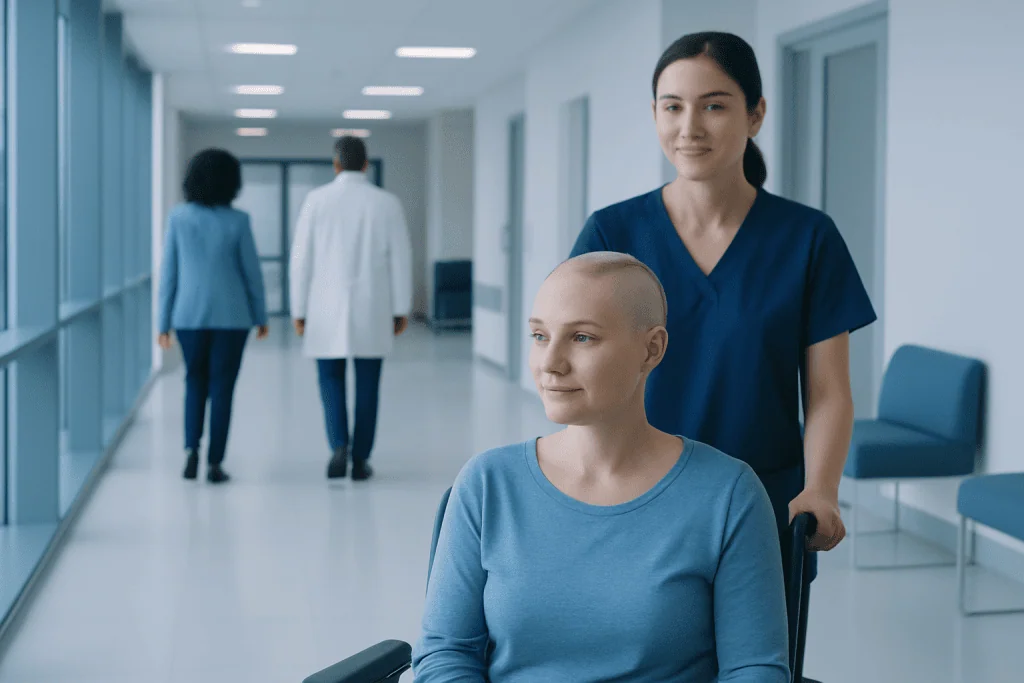
Hair is usually clipped or shaved only where the surgical team needs access to the scalp. Hair often regrows over several months, although recovery varies with the procedure, scalp healing and treatments such as radiation.
Key Takeaways
- Hair is usually clipped or shaved only where the surgical team needs access to the scalp.
- Hair often regrows over several months, although recovery varies with the procedure, scalp healing and treatments such as radiation.
- The incision should be kept clean and protected until the neurosurgical team confirms it has healed adequately.
- Hair coloring, close cutting, extensions and chemical treatments should wait until the wound is fully healed and approved by the care team.
- Recovery of the brain and return to usual activities may take weeks to months and depend strongly on the condition treated.
- New neurological symptoms, wound changes or signs of infection need prompt medical assessment.
Hair after brain surgery often looks different at first because an area may be clipped or shaved for the operation, while temporary shedding can also occur during recovery. Most people can expect gradual regrowth, but incision care, the reason for surgery and any additional treatments can affect the timeline.
Overview: What Happens to Hair After Brain Surgery?
Hair after brain surgery may be clipped, trimmed or shaved over a small area of the scalp so the surgeon can clean the skin and safely make an incision. This does not usually damage the hair roots permanently. Some operations use a short or carefully placed incision, meaning only a limited amount of hair needs to be removed; the exact approach depends on the location and purpose of surgery.
In the weeks after surgery, the scalp can look uneven because of the incision, swelling, crusting, dressing marks or slower growth in the shaved area. Temporary hair shedding can also occur after a major illness, anesthesia, emotional stress or nutritional changes. In many cases, hair begins to grow back gradually once the scalp and body recover.
The priority after neurosurgery is safe healing of the scalp and brain. A person should follow the individual instructions from their neurosurgeon, as advice about washing, styling and returning to normal activities may differ according to the operation and whether further treatment is planned.
How the Procedure Affects the Scalp and Hair
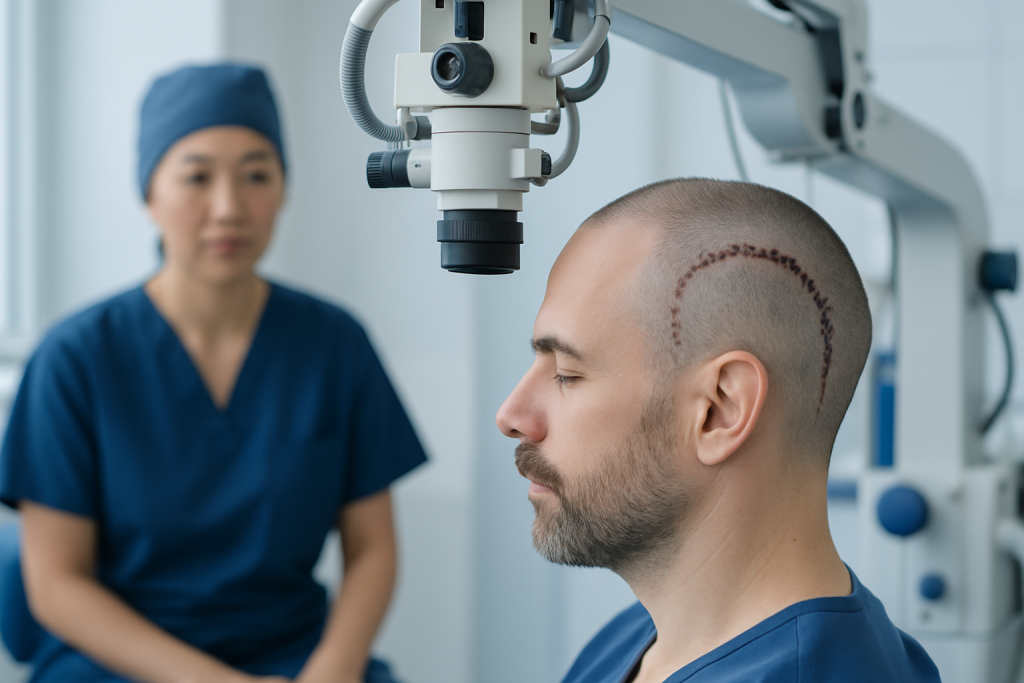
Brain surgery, often called a craniotomy when a section of skull is temporarily opened, is performed to treat conditions such as tumors, bleeding, blood vessel abnormalities, epilepsy, infection or pressure on the brain. The operation is planned using imaging and may involve neurosurgeons, anesthesiologists, neurologists, oncologists, rehabilitation specialists and other professionals.
Before the procedure, the surgical team marks the planned incision and prepares the scalp with antiseptic solution. Hair in the operative field may be clipped rather than fully shaved. The skin is opened, and the surgeon performs the necessary treatment before closing the scalp with stitches, staples, absorbable sutures or surgical adhesive.
Not every person having brain surgery will have the same amount of hair removed. The surgical route, hair type, prior operations, the need for monitoring equipment and infection-prevention measures all influence preparation. For people undergoing treatment for a brain tumor, the scalp may also later be affected by radiation therapy, which has different implications for hair regrowth.
People considered for neurosurgery undergo individualized assessment. This usually includes review of symptoms, scans, general health, medicines that affect bleeding, and the expected benefits and risks of surgery. The clinical team also discusses recovery needs, including assistance at home and rehabilitation when appropriate.
What Should I Do With My Hair After Brain Surgery?

After brain surgery, hair care should support incision healing rather than focus on appearance in the early days. The patient should keep the wound dry or wash it only as instructed, avoid rubbing the incision, and use gentle water pressure when the care team says hair washing is safe. Mild shampoo may be permitted after a specified period, but products should not be applied directly onto an unhealed wound.
Hair should be gently patted dry rather than vigorously towel-dried. Tight ponytails, braids, wigs, clips and headbands can pull on the incision or trap moisture, particularly if they sit over the wound. A loose, clean covering may be appropriate outdoors if approved by the surgeon, but the incision should not be compressed.
Hair dye, bleach, perming products, chemical straighteners and scalp treatments should generally be avoided until the wound is completely closed, scabs have resolved and the neurosurgical team has confirmed that the area can tolerate them. These products can irritate sensitive healing skin and may make it harder to recognize redness or drainage.
For people asking how long after brain surgery can I get a haircut, the safest answer is to wait for clearance at a follow-up appointment. A simple trim away from the incision may be possible sooner than a close cut over it, but clippers, razors and salon products should not touch the healing area until it has recovered fully.
Does Hair Regrow After Brain Surgery?
Yes, hair commonly regrows after brain surgery when the follicles were only shaved or clipped and the scalp heals normally. Initial new growth may be soft, fine or uneven. It can take several weeks to notice growth and several months for the area to blend more naturally with surrounding hair.
Hair loss after brain surgery is not always caused by the incision itself. Physical stress can trigger a temporary type of shedding called telogen effluvium, which may become noticeable a few months after surgery. This often improves as recovery progresses, although a clinician should assess persistent, patchy or worsening hair loss.
Regrowth can be slower or less predictable if there was scalp infection, poor wound healing, significant scar tissue, repeated surgery or treatments that affect the follicles. Radiation to the scalp may cause temporary or, at higher exposures, permanent thinning in the treated area. Chemotherapy can also cause hair loss depending on the medicines used.
A balanced diet with adequate protein and overall recovery support are important, but supplements are not automatically necessary or proven to speed hair growth. Before starting vitamins, herbal products or topical hair-loss treatments, the patient should check with their doctor because some products can interact with medicines or irritate the scalp.
Recovery Timeline, Benefits and Possible Risks
The early recovery period usually focuses on pain control, neurological observation, wound care and gradually returning to movement and daily activities. Scalp tenderness, numbness, itching and mild swelling can occur around the incision. These symptoms often improve over time, although altered sensation around a scar may last longer for some people.
During the first one to two weeks, the wound is typically checked and any non-absorbable stitches or staples may be removed according to the surgeon’s plan. In the following weeks, many people become more comfortable washing their hair and managing daily routines, but fatigue is common. Returning to work, driving, exercise, travel or strenuous activity requires individualized medical advice.
The benefits of brain surgery depend on the condition being treated. Surgery may remove or sample a tumor, relieve pressure, repair a blood vessel problem, control seizures or address another serious neurological cause. It also carries potential risks, including bleeding, infection, seizures, fluid leakage, stroke, blood clots and changes in strength, speech, vision, thinking or mood. The treating team explains risks in relation to the planned procedure.
Brain surgery and recovery may be supported by rehabilitation, including physical therapy, occupational therapy, speech and language therapy or neuropsychological care. The goal is to help each person recover as much independence and function as possible while monitoring for complications or the need for further treatment.
How Long Does It Take the Brain to Fully Heal After Brain Surgery?
There is no single timetable for the brain to fully heal after brain surgery. Initial recovery from the operation may take several weeks, while cognitive, physical and emotional recovery can continue for months or longer. The timeline depends on the original condition, the area of brain involved, the extent of surgery, complications, age, general health and rehabilitation needs.
Some people feel substantially better within a few weeks, while others need a longer period before stamina, concentration, balance, speech or coordination improve. Brain swelling and fatigue can temporarily affect function after surgery. Follow-up appointments and imaging help the team understand healing and guide safe decisions about activity and treatment.
Rest, regular meals, hydration, gentle activity as advised and taking prescribed medicines correctly can support recovery. It is also helpful to keep follow-up appointments and report changes in symptoms rather than assuming they are a normal part of healing. Family members or caregivers can assist by observing changes in memory, behavior, mobility or speech.
Are You Ever the Same After Brain Surgery?
Many people return to activities and roles that are meaningful to them after brain surgery, but the experience is highly individual. Whether a person feels “the same” depends less on the incision or hair regrowth and more on the condition treated, the part of the brain involved and how recovery progresses. Some changes are temporary, while others may require ongoing adaptation or rehabilitation.
It is common to experience fatigue, reduced stamina, headaches, sleep changes, emotional sensitivity or difficulty concentrating during recovery. These symptoms should be discussed at follow-up visits, especially if they interfere with daily life. Professional support can include rehabilitation services, counseling, occupational adjustments and treatment for symptoms such as seizures or mood changes.
Recovery can be easier when expectations are realistic and progress is assessed over time rather than day by day. A person should ask the neurosurgical team about their specific prognosis, activity restrictions and support options. If specialized care is needed, Acibadem International’s multidisciplinary specialists and JCI-accredited hospitals provide diagnosis and treatment for international patients.
When to Seek Medical Care
Contact the surgical team promptly if there is increasing redness, warmth, swelling, pain, pus-like drainage, a bad smell, opening of the incision, persistent bleeding or fever. New or rapidly increasing hair loss together with scalp pain, rash or drainage should also be assessed, particularly if the person has received radiation or is taking cancer treatment.
Urgent medical care is needed for severe or worsening headache, repeated vomiting, a seizure, fainting, new confusion, unusual drowsiness, weakness or numbness on one side, trouble speaking, new vision changes, loss of balance or clear fluid leaking from the wound, nose or ear. These symptoms do not always mean a serious complication, but they require timely evaluation.
Regular scheduled follow-up is important even when recovery appears to be going well. The care team can assess the incision, review pathology or imaging results when relevant, guide hair and scalp care, and advise when a person can safely return to work, exercise, travel and personal grooming routines.
Frequently asked questions
Will the hospital shave all of my hair for brain surgery?
Usually, only the hair needed for the surgical field is clipped or shaved. The amount depends on the incision location, the procedure and safety requirements. The neurosurgical team can explain the expected scalp preparation before surgery.
When can I wash my hair after brain surgery?
The timing varies by operation and wound closure method, so the surgical team's instructions should be followed closely. Many patients can begin gentle washing after a period specified by their team, but vigorous scrubbing and direct pressure on the incision should be avoided until it is healed.
Can I wear a wig after brain surgery?
A wig may be an option after the incision has healed sufficiently, but it should not rub, pull or trap moisture against the wound. The patient should ask their surgeon when it is safe and choose a clean, loose-fitting option if approved.
Why is my hair falling out months after brain surgery?
A major operation, illness or emotional stress can trigger temporary shedding that becomes noticeable several months later. Medicines, nutrition changes, radiation or scalp conditions may also contribute. A doctor should assess marked, patchy or persistent hair loss.
Can scar tissue stop hair from growing back?
Hair often does not grow directly through dense scar tissue because follicles may have been disrupted by the incision or healing process. Hair around the scar may still grow normally, and the appearance of the scar can change as it matures. A dermatologist, neurosurgeon or hair-restoration specialist can discuss suitable options after full healing.
When can I color my hair after brain surgery?
Hair coloring should wait until the incision is fully healed and the treating team agrees that chemical products are safe for the scalp. Dye, bleach and other chemical treatments can irritate healing skin. This is especially important after radiation therapy or if there have been wound-healing concerns.
References
- American Association of Neurological Surgeons
- National Institute of Neurological Disorders and Stroke
- National Cancer Institute
- Mayo Clinic
- Cleveland Clinic
This article is for general information only and is not a substitute for professional medical advice. Please consult a qualified doctor about your individual situation.
Hair transplant in Turkey — costs, graft counts & a free assessment
JCI-accredited · board-certified surgeons · reply within 24h
Add us as a Preferred Source to see more of our trusted health content across Google Search, AI Overviews and Discover.

More from the Health Library


Related Specialists

Dr. Mustafa Karaboğa
Anesthesiology
Prof. Dr. Fatih Dikici
Orthopedic Surgery & Traumatology
Asst. Prof. Dr. Zeynep Tuğçe Sarıkaya
Intensive Care
Assoc. Prof. Dr. Bertan Cengiz
Orthopedic Surgery & Traumatology