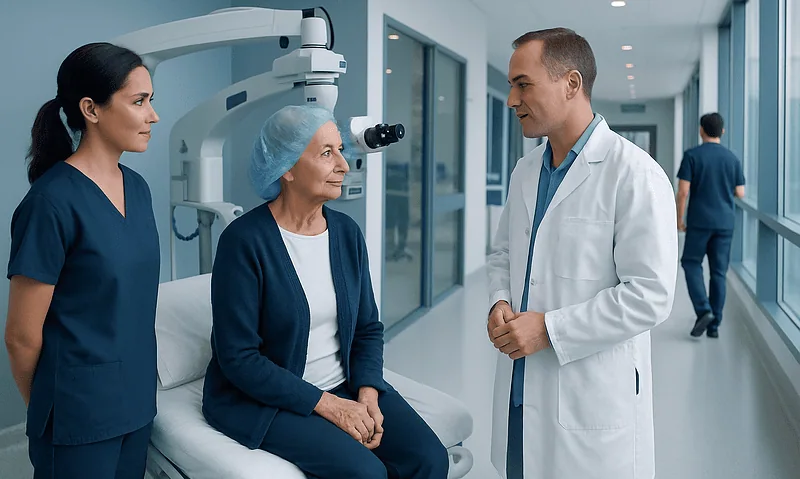
Palliative Specialist: An Evidence-Based Patient Guide

Palliative care focuses on quality of life, symptom relief and care that reflects the person’s values and priorities. A palliative specialist works with, rather than replaces, the patient’s primary doctor and other treating specialists.
Key Takeaways
- Palliative care focuses on quality of life, symptom relief and care that reflects the person’s values and priorities.
- A palliative specialist works with, rather than replaces, the patient’s primary doctor and other treating specialists.
- Referral does not mean that active treatment is stopping or that a person is entering hospice care.
- Support may include help with pain, breathlessness, nausea, fatigue, anxiety, sleep, family communication and future planning.
- Palliative care is individualized and may be delivered in hospital, clinic, at home or through telehealth, depending on local services.
A palliative specialist is a clinician with expertise in relieving symptoms, supporting decision-making and improving quality of life for people living with serious illness. Palliative care can be provided at any stage of illness and alongside treatments intended to control or cure disease.
Overview: What Does a Palliative Specialist Do?
A palliative specialist is a doctor, nurse practitioner or other clinician with advanced training in palliative care. Their role is to help people living with a serious or complex illness feel as well as possible by addressing symptoms, emotional concerns, practical needs and treatment decisions. The specialist also supports families and caregivers, who may be affected by the demands and uncertainty of illness.
Palliative care is appropriate alongside surgery, chemotherapy, radiation therapy, dialysis, rehabilitation, intensive medical treatment or other disease-directed care. It is not limited to the final stage of life. A person may meet a palliative specialist soon after diagnosis, during treatment, after a hospitalization or whenever symptoms and decisions become difficult to manage.
The central question is not only “What treatment is available?” but also “What matters most to this person?” A palliative specialist helps connect medical choices with individual goals, such as remaining independent, controlling pain, spending time at home, attending an important event or continuing a valued activity.
Palliative Care, Supportive Care and Hospice: Important Differences

Palliative care is often also called supportive care, especially in cancer services. Both terms describe care that aims to prevent and relieve suffering while supporting quality of life. It can begin at diagnosis and continue through treatment, recovery, long-term disease management or advanced illness.
Hospice is a specific model of care for people who are approaching the end of life and whose care is primarily focused on comfort rather than life-prolonging treatment. Hospice eligibility, services and regulations vary by country and health system. Although hospice includes palliative principles, not all palliative care is hospice care.
Receiving palliative care does not require a person to give up treatment. For example, a patient receiving treatment for cancer may work with a palliative specialist to control pain, nausea, fatigue or anxiety while continuing oncology care. Early supportive input can also help patients understand options and prepare for possible changes in health.
Who May Benefit From a Palliative Specialist?

A palliative specialist may be helpful for adults or children with a serious illness that causes burdensome symptoms, repeated hospital visits, uncertainty about treatment choices or significant stress for the patient or family. Referral is based on need, not simply on a diagnosis or prognosis.
Common conditions include advanced cancer, heart failure, chronic lung disease, kidney disease, liver disease, dementia, Parkinson’s disease, stroke, serious infections and progressive neurological conditions. People may also benefit after a major medical event, when recovery is uncertain or care involves many specialists.
Reasons to request a consultation include symptoms that remain difficult despite usual care, concern about medication side effects, difficulty coping with illness, disagreements or uncertainty about medical decisions, and a need to discuss future care preferences. Caregivers can also ask the medical team about palliative support when they need practical guidance or emotional help.
- Persistent pain, nausea, constipation, fatigue or poor sleep
- Breathlessness, loss of appetite or distressing symptoms related to treatment
- Frequent emergency visits or hospital admissions
- Questions about benefits, burdens and likely outcomes of treatment
- Need for support with advance care planning or family communication
How a Palliative Care Consultation Works
A palliative consultation is a clinical assessment, not a procedure or operation. It may take place in a hospital, outpatient clinic, rehabilitation setting, home-care service or by video visit. The process is tailored to the person’s health, preferences, culture, family situation and available support.
First, the clinician reviews the medical history, current treatments, symptoms, medications and recent test results. They ask about daily function, sleep, appetite, mood, support at home and the patient’s understanding of their condition. The conversation also explores personal values and what outcomes would make care feel worthwhile.
Next, the palliative specialist develops recommendations with the patient and the existing medical team. This may include symptom-management strategies, medication review, referrals to psychology, nutrition, physiotherapy, social work, spiritual care or rehabilitation, and a plan for communication among clinicians. The specialist does not take over disease treatment; they coordinate closely with the responsible medical teams.
Follow-up visits assess whether symptoms and priorities have changed. Plans are adjusted as illness, treatment response and personal goals evolve. In this way, palliative care is a continuing partnership rather than a one-time conversation.
Evidence-Based Palliative Medicine: Benefits and Limits
Palliative care evidence based practice combines the best available research with clinical expertise and the patient’s own goals, values and circumstances. Evidence based palliative medicine supports careful symptom assessment, clear communication, coordinated care and regular review rather than a one-size-fits-all approach.
Research suggests that integrated palliative care can improve symptom burden, quality of life, understanding of illness and satisfaction with communication for many people with serious disease. The likely benefit differs between individuals and depends on the illness, timing of referral, existing support and access to services. A palliative specialist should explain what is known, what remains uncertain and what outcomes can reasonably be expected.
The terms palliative care EBP and evidence based practice hospice and palliative care describe the same principle: decisions should be guided by reliable evidence while remaining individualized. In palliative care, a systematic review of evidence based interventions may inform general recommendations, but it cannot replace a patient-specific discussion about priorities, risks and trade-offs.
Potential limitations include the need for several appointments, changes to medication, and emotionally challenging conversations about illness and future care. These discussions are intended to give patients more information and control, not to remove hope or dictate choices.
Treatment Planning, Symptom Support and Recovery Timeline
Because palliative care is not a single procedure, there is no standard recovery timeline. Some people notice relief soon after a medication adjustment, a symptom-management plan or a clearer discussion of treatment goals. Other concerns, such as fatigue, anxiety, family stress or complex pain, may require gradual adjustment and ongoing follow-up.
Recommendations may include non-drug approaches, changes to current medicines, treatment of reversible causes of symptoms, and referrals to other services. For example, pain management may involve a combination of medical review, movement strategies, psychological support and, when appropriate, input from pain management specialists. The team aims to balance symptom relief with alertness, mobility, safety and the patient’s priorities.
Benefits may include improved comfort, better understanding of care options, more coordinated appointments and stronger support for caregivers. Risks are generally related to particular treatments rather than to the palliative consultation itself. Any new medicine or intervention can have side effects or interactions, so patients should discuss concerns promptly and should not change prescribed treatment without medical advice.
At Acibadem International, multidisciplinary specialists in JCI-accredited hospitals can assess palliative needs alongside ongoing treatment for international patients. Care planning may involve relevant teams such as oncology, rehabilitation, mental health and symptom-management services.
When to Seek Medical Care
It is reasonable to ask for a palliative care referral whenever symptoms, treatment choices or the practical impact of illness feel difficult to manage. A patient does not need to wait for a crisis, a hospital admission or a terminal diagnosis. Their primary doctor, specialist nurse or treating consultant can usually arrange a consultation or advise on local services.
Urgent medical assessment is needed for severe or rapidly worsening symptoms, such as new chest pain, severe breathlessness, fainting, confusion, uncontrolled bleeding, a seizure, sudden weakness, or thoughts of self-harm. Patients should use local emergency services or contact their urgent medical team rather than waiting for a routine palliative appointment.
People should also contact their treating team promptly if pain or other symptoms are no longer controlled, medication side effects are troublesome, eating and drinking become very difficult, or a caregiver can no longer provide safe support at home. Timely help can prevent avoidable distress and help the care team adjust the plan.
Frequently asked questions
Is a palliative specialist only for people at the end of life?
No. A palliative specialist can support people at any stage of a serious illness, including during active treatment intended to control or cure disease. Hospice care is focused on the final stage of life, but palliative care is broader and may be provided much earlier.
Do patients need a referral to see a palliative specialist?
This depends on the health system and the care setting. In many hospitals, the primary doctor or treating specialist makes the referral, but patients and families can ask directly whether palliative care would be helpful.
Can palliative care help if symptoms are caused by treatment?
Yes. Palliative specialists commonly help manage symptoms related to illness and treatment, including pain, nausea, constipation, fatigue, sleep problems, anxiety and breathlessness. They work with the treating team to ensure symptom support fits safely with the overall treatment plan.
Will palliative care change a patient’s cancer or other specialist treatment?
A palliative specialist does not usually replace the clinician treating the underlying disease. They help the patient understand options and may recommend adjustments that improve comfort, safety or alignment with the patient’s goals, in coordination with the main medical team.
What should a patient bring to a palliative care appointment?
Helpful information includes an up-to-date medication list, recent medical records if available, details of troubling symptoms and questions about treatment or future planning. Bringing a trusted family member or caregiver can also be useful, especially when there are many concerns to discuss.
Can family members receive support from palliative care?
Yes. Palliative care recognizes that serious illness affects families and caregivers as well as patients. The team may provide education, emotional support, help with communication and referrals to practical community or social services.
References
- World Health Organization
- American Academy of Hospice and Palliative Medicine
- National Institute for Health and Care Excellence
- European Association for Palliative Care
- National Cancer Institute
This article is for general information only and is not a substitute for professional medical advice. Please consult a qualified doctor about your individual situation.
Explore treatments in Turkey — costs, top hospitals & a free quote
JCI-accredited · board-certified surgeons · reply within 24h
Add us as a Preferred Source to see more of our trusted health content across Google Search, AI Overviews and Discover.