Hemipelvectomy Surgery: Procedure, Recovery and Results

Hemipelvectomy surgery may be internal, preserving the leg, or external, involving removal of the leg and part of the pelvis. It is most often considered for selected pelvic bone or soft-tissue tumors when limb-sparing surgery is not feasible or would not remove the disease safely.
Key Takeaways
- Hemipelvectomy surgery may be internal, preserving the leg, or external, involving removal of the leg and part of the pelvis.
- It is most often considered for selected pelvic bone or soft-tissue tumors when limb-sparing surgery is not feasible or would not remove the disease safely.
- Recovery commonly involves a hospital stay, wound care, pain control, prevention of blood clots and a structured rehabilitation plan.
- Some people walk independently after internal hemipelvectomy; others use mobility aids, a wheelchair or a prosthesis after external hemipelvectomy.
- Potential benefits and risks depend on the diagnosis, extent of surgery, reconstruction needs, overall health and any additional cancer treatment.
Hemipelvectomy surgery is a complex operation that removes part of the pelvis, and sometimes the leg on the affected side, most often to treat cancers that cannot be safely removed in another way. Recovery is gradual and highly individualized, with rehabilitation, pain management and emotional support playing central roles in long-term function and quality of life.
Overview: what is hemipelvectomy surgery?
Hemipelvectomy surgery is a major operation to remove part or all of one side of the pelvis. It is usually performed to treat a tumor involving the pelvic bones, nearby soft tissues or surrounding structures when a smaller operation is unlikely to remove the disease completely. The surgical plan is designed individually, with the aim of treating the underlying condition while preserving as much function as safely possible.
There are two broad forms. Internal hemipelvectomy, also called limb-sparing hemipelvectomy, removes part of the pelvic bone while keeping the leg. External hemipelvectomy removes part of the pelvis together with the leg on the affected side. The choice depends on where disease is located and whether key nerves, blood vessels, muscles or joints can be preserved.
Because the pelvis supports the spine, hips and organs of the lower abdomen, this procedure requires careful planning by a multidisciplinary team. Orthopedic oncology surgeons, surgical oncologists, plastic and reconstructive surgeons, vascular surgeons, anesthesiologists, rehabilitation specialists, nurses and mental health professionals may all contribute to care.
Who may be a candidate and how the procedure is planned
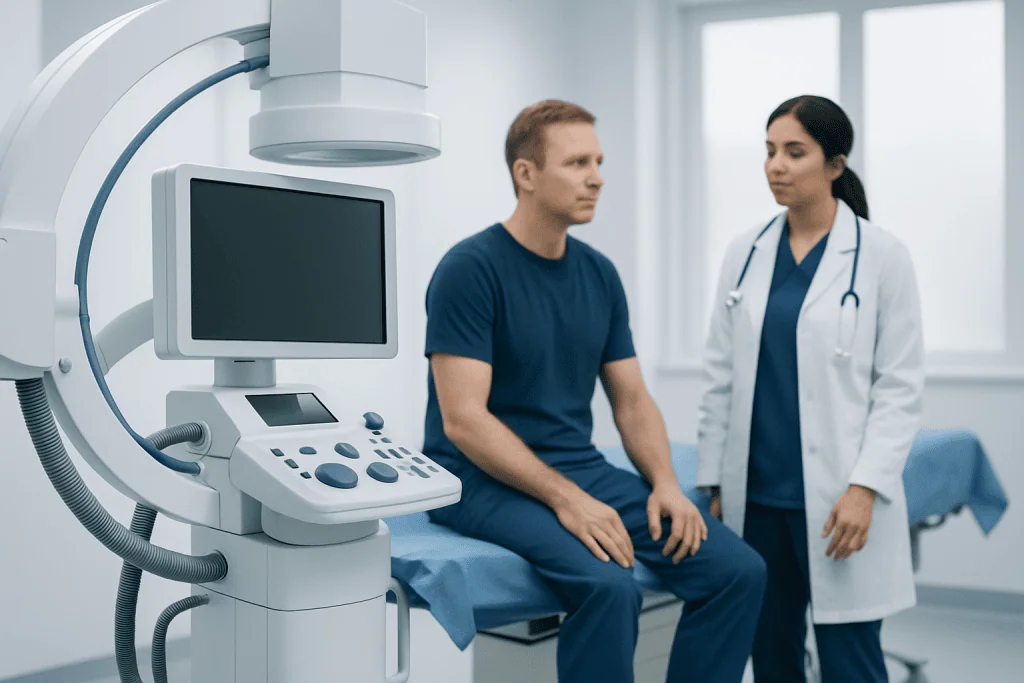
Hemipelvectomy is not the first treatment for every pelvic condition. It may be considered for certain primary bone cancers, soft-tissue sarcomas, recurrent tumors, or occasionally severe infection or trauma that cannot be managed with less extensive surgery. The team considers whether surgery can remove the disease with an appropriate margin of healthy tissue and whether reconstruction is possible and appropriate.
Assessment commonly includes imaging such as MRI and CT scans, and sometimes PET imaging, to map the condition in relation to bone, nerves, blood vessels and organs. A biopsy is generally needed to confirm the diagnosis before cancer surgery is planned. Blood tests, heart and lung assessment, nutrition review and discussions about current mobility also help the team prepare safely.
For cancer, treatment may include chemotherapy and/or radiotherapy before or after surgery, depending on the tumor type and stage. Patients are encouraged to ask how the proposed operation may affect mobility, continence, sexual health, wound healing, work, family support and plans for rehabilitation. A second specialist opinion can be helpful when considering such a complex procedure.
How hemipelvectomy surgery works: step by step
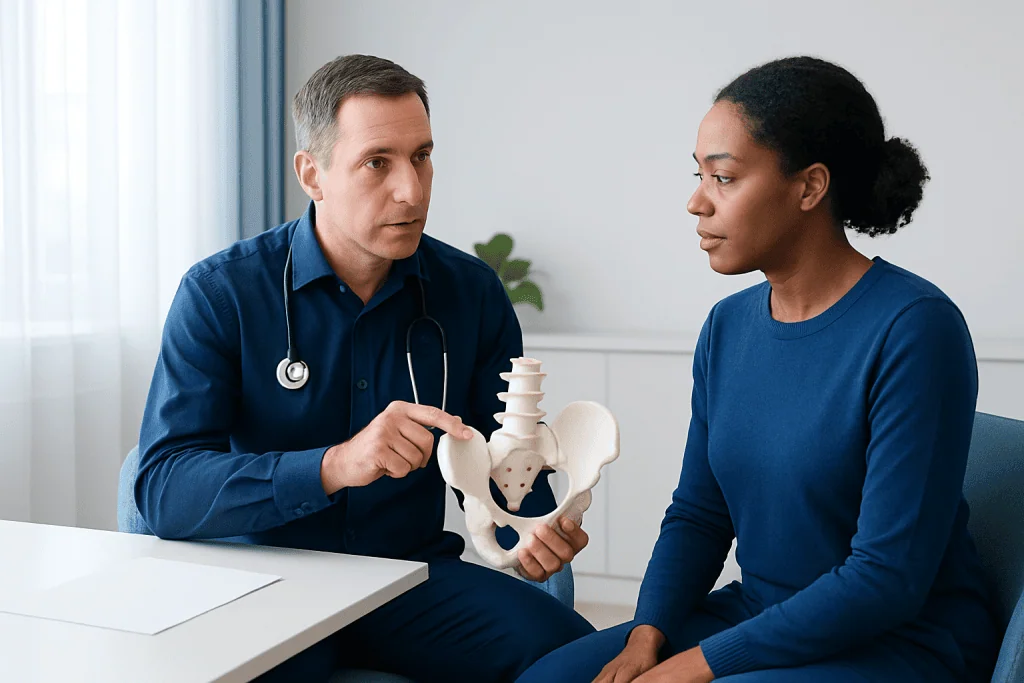
Before surgery, the team reviews scans and creates a detailed plan for the bone and soft tissue to be removed. Patients receive anesthesia so they are asleep and do not feel pain during the operation. The surgical approach, incision and duration vary considerably according to the involved area and whether reconstruction is required.
During an internal hemipelvectomy, the surgeon removes the affected section of pelvic bone and any involved nearby tissue while preserving the leg where possible. The hip joint may be preserved, reconstructed or, in selected circumstances, the leg may be positioned to create a stable functional limb. Orthopedic oncology care can help coordinate tumor surgery with reconstruction and rehabilitation planning.
During an external hemipelvectomy, the surgeon removes the affected pelvic structures and the leg on that side. Reconstructive techniques using local tissue or tissue transferred from another part of the body may be used to cover the wound and protect deeper structures. Drains may be placed temporarily to remove fluid while tissues heal.
Hemipelvectomy reconstruction may use metal implants, bone grafts, remaining pelvic bone, soft-tissue flaps or a combination of approaches. In some situations, avoiding a complex bony reconstruction may offer a safer route to healing. The most suitable option depends on tumor clearance, tissue quality, infection risk and anticipated function.
Hemipelvectomy recovery and rehabilitation
Hemipelvectomy recovery begins in hospital. Early care focuses on pain relief, monitoring circulation and breathing, protecting the surgical wound, preventing infection and blood clots, and supporting nutrition. The care team also watches for bowel or bladder changes when surgery has been performed close to these structures.
Hemipelvectomy recovery time varies widely. The initial hospital stay may be prolonged after extensive surgery, particularly when reconstruction is needed or complications occur. Healing continues for months, and rehabilitation often progresses over many months to a year or longer. Follow-up appointments are important for wound checks, imaging when indicated and planning any additional cancer treatment.
Hemipelvectomy rehabilitation is usually introduced as soon as it is medically safe. Physiotherapists help with bed mobility, transfers, sitting balance, strengthening and safe use of equipment. Occupational therapists can advise on washing, dressing, home adaptations and return to everyday activities. Mobility may involve crutches, a walker, a wheelchair, a prosthesis or a combination of these tools.
Emotional adjustment is also an important part of hemipelvectomy post op care. A major change in body shape, movement or independence can affect mood and relationships. Counseling, peer support, pain specialists and rehabilitation psychologists can provide practical and emotional support throughout recovery.
Will I be able to walk after a hemipelvectomy?
Some people can walk after a hemipelvectomy, but the answer depends mainly on the type of operation, the amount of muscle and nerve function preserved, the reconstruction performed and the person’s health before surgery. After an internal hemipelvectomy, many patients work toward standing and walking with rehabilitation, although they may need crutches, a walker, braces or other support for some time or permanently.
After an external hemipelvectomy, mobility usually relies on a wheelchair initially and may later include a specially designed prosthesis for selected people. Not everyone finds a prosthesis practical or comfortable for daily use, and a wheelchair can be an effective, independent mobility option. The rehabilitation team helps identify the approach that best fits an individual’s strength, balance, wound healing, home environment and goals.
Progress is rarely linear. Pain, fatigue, wound healing and additional chemotherapy or radiotherapy can affect the pace of rehabilitation. Setting realistic milestones with a physiotherapist can help patients and families understand what functional gains may be possible over time.
What is the quality of life like after hemipelvectomy?
Quality of life after hemipelvectomy differs from person to person. It may be affected by the original diagnosis, cancer control, pain, mobility, body image, employment, relationships and the need for ongoing treatment. Many people adapt over time and regain meaningful independence in daily activities, but adjustment can require sustained physical and emotional support.
Practical planning can make a major difference. This may include arranging accessible transport, adapting bathrooms and entrances, learning safe transfer techniques, reviewing work duties and involving family or caregivers where appropriate. Social workers and occupational therapists can help connect patients with community resources and equipment.
Persistent pain, grief, anxiety or depression are not signs of personal failure; they are treatable concerns that deserve attention. Patients should tell their clinical team if symptoms interfere with sleep, rehabilitation or daily life. Supportive care can be provided alongside cancer treatment and recovery-focused care.
What are the long-term effects of hemipelvectomy?
Long-term effects of hemipelvectomy may include changes in walking pattern, balance, endurance, hip or lower-back discomfort, weakness and the need for mobility aids. People who have had external hemipelvectomy may experience phantom limb sensations or phantom pain. These symptoms can often be managed with a tailored plan that may include rehabilitation, medication, psychological strategies and specialist pain care.
Other possible long-term issues include scar tightness, swelling, skin irritation from a prosthesis or seating pressure, bowel or bladder changes, and sexual health concerns. Depending on the surgery and treatment received, there may also be a risk of hernia, fracture, wound breakdown or infection. Regular follow-up helps identify and address concerns early.
For people treated for cancer, ongoing surveillance is planned according to the cancer type and treatment history. This may include examinations, scans and discussions about new symptoms. Maintaining strength, skin care, nutrition, smoking cessation where relevant and routine health care can support recovery and general wellbeing.
What happens after a hemipelvectomy and when to seek medical care
After a hemipelvectomy, patients move from close hospital monitoring to a structured plan for wound healing, rehabilitation and follow-up. The team explains activity restrictions, medication use, drain care if needed, nutrition, blood-clot prevention and signs that require medical review. Before discharge, patients and caregivers should know whom to contact with questions and how to access urgent support.
Medical care should be sought promptly for fever, worsening redness or drainage from the wound, increasing swelling, uncontrolled pain, shortness of breath, chest pain, new confusion, sudden weakness, or a painful swollen limb. These symptoms may have many causes, but they need timely assessment, especially during the early recovery period.
Patients should also contact their care team for persistent constipation, difficulty passing urine, problems with a prosthesis or mobility device, worsening mood, or any new symptom that is concerning. Acibadem International’s multidisciplinary specialists and JCI-accredited hospitals support diagnosis and treatment planning for international patients requiring complex pelvic tumor care.
Frequently asked questions
Is hemipelvectomy surgery always performed for cancer?
No. It is most commonly used for selected pelvic tumors, including some bone cancers and soft-tissue sarcomas. In uncommon circumstances, it may also be considered for severe infection, trauma or other conditions that cannot be treated effectively with less extensive surgery.
How long does hemipelvectomy recovery take?
Recovery varies substantially because the operation can range from partial pelvic removal to removal of the pelvis and leg with reconstruction. Initial healing and hospital recovery may take weeks, while rehabilitation and functional adaptation commonly continue for many months and sometimes longer.
Is internal hemipelvectomy better than external hemipelvectomy?
Neither procedure is universally better. Internal hemipelvectomy is used when the leg and critical structures can be safely preserved while removing the disease. External hemipelvectomy may be necessary when preserving the limb would leave disease behind or create unacceptable surgical risk.
What are the main risks of hemipelvectomy surgery?
Possible risks include bleeding, infection, blood clots, wound healing problems, nerve injury, pain and complications related to reconstruction. The risks also depend on general health, prior radiotherapy or chemotherapy, the extent of surgery and whether nearby organs or blood vessels are involved.
Will I need a prosthesis after hemipelvectomy?
A prosthesis may be considered after an external hemipelvectomy, but it is not suitable or preferred for every person. The decision is based on healing, strength, balance, comfort, lifestyle needs and rehabilitation goals; some people use a wheelchair for most or all mobility.
Can a person live independently after hemipelvectomy?
Many people can regain substantial independence, although the type and amount of support needed varies. Rehabilitation, home modifications, mobility equipment and help from family or caregivers can support safe daily activities and participation in work or community life.
References
- American Cancer Society
- National Cancer Institute
- American Academy of Orthopaedic Surgeons
- National Health Service
- Sarcoma Foundation of America
This article is for general information only and is not a substitute for professional medical advice. Please consult a qualified doctor about your individual situation.
Oncology care in Turkey — second opinion and treatment plan
JCI-accredited · board-certified surgeons · reply within 24h
Add us as a Preferred Source to see more of our trusted health content across Google Search, AI Overviews and Discover.