Radiation for Small Cell Lung Cancer: How It Works, Results and What to Expect

Radiation therapy damages cancer-cell DNA and is often combined with chemotherapy for limited-stage small cell lung cancer. External beam radiation is the most common approach and is delivered in short daily sessions over several weeks.
Key Takeaways
- Radiation therapy damages cancer-cell DNA and is often combined with chemotherapy for limited-stage small cell lung cancer.
- External beam radiation is the most common approach and is delivered in short daily sessions over several weeks.
- Radiation may target the chest, brain, or areas causing symptoms such as pain, airway blockage, or bleeding.
- Side effects vary by treatment area and are usually monitored closely by the oncology team.
- Follow-up care helps assess response, manage lasting effects, and detect recurrence or new symptoms early.
Radiation for small cell lung cancer is commonly used with chemotherapy for limited-stage disease and may also help control symptoms or treat cancer spread in extensive-stage disease. The plan depends on where the cancer is, its stage, prior treatment, overall health, and personal treatment goals.
Overview: the role of radiation in small cell lung cancer
Radiation for small cell lung cancer uses carefully planned high-energy beams to damage cancer cells and limit their ability to grow. It is an important part of treatment for many people with limited-stage small cell lung cancer (SCLC), usually given alongside chemotherapy. In extensive-stage SCLC, radiation may be used selectively to treat remaining cancer sites, brain metastases, or symptoms caused by a tumor.
SCLC tends to grow and spread quickly, so treatment commonly involves more than one specialty. Medical oncologists, radiation oncologists, pulmonologists, radiologists, pathologists, nurses, and supportive-care professionals work together to determine the most appropriate sequence of care. The aim may be to control disease in the chest, lower the risk of cancer returning in particular areas, relieve symptoms, and preserve daily function.
Radiation is local treatment, meaning it works in the area where beams are directed. Chemotherapy and immunotherapy, when appropriate, are systemic treatments that travel through the bloodstream. Combining these approaches can address both the main chest tumor and microscopic cancer cells that may be elsewhere in the body.
How radiation therapy works
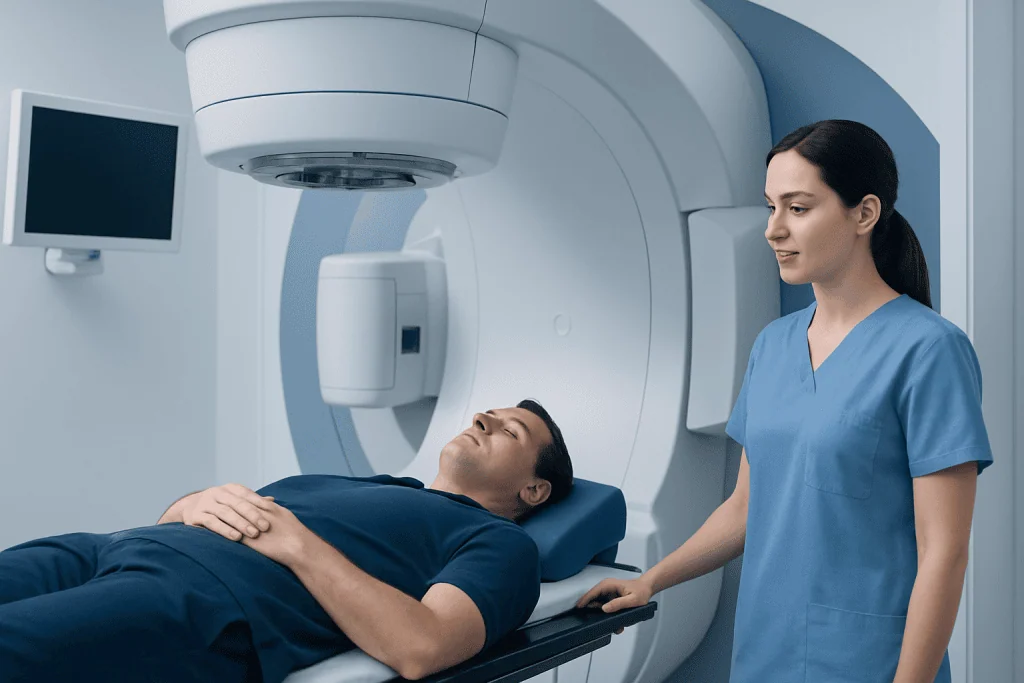
Radiation therapy works by delivering energy to cancer cells, causing DNA damage that makes it difficult for them to divide and survive. Although healthy cells in the treatment field can also be affected, they are generally better able to repair damage between treatments. Modern planning techniques help the team direct radiation accurately while reducing exposure to nearby healthy organs.
For SCLC, the most commonly used method is external beam radiation therapy. A machine called a linear accelerator rotates around the person and delivers radiation from carefully selected angles. The treatment itself is painless, does not make a person radioactive, and does not involve surgery.
When radiation is directed at the chest, it may treat the lung tumor and lymph nodes in the central chest that could contain cancer. Radiation can also be used for cancer that has spread to the brain, bones, spine, or other sites. The radiation technique, total dose, number of sessions, and treatment schedule are individualized rather than chosen from a single standard plan.
Who may be a candidate for radiation
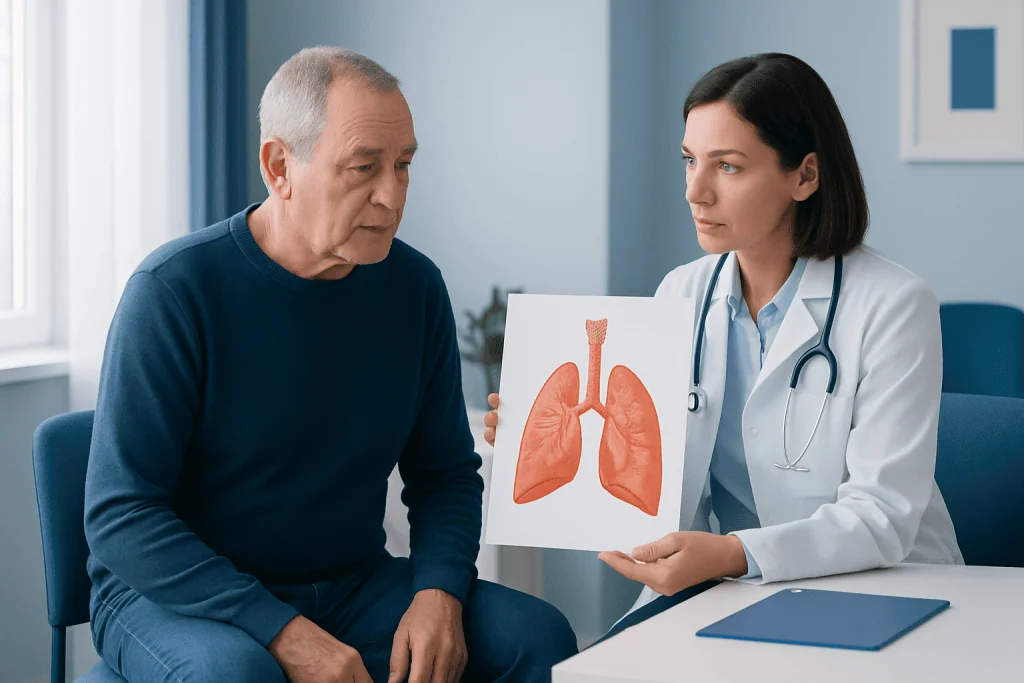
People with limited-stage SCLC are often considered for chest radiation given during or around chemotherapy, provided their overall health and lung function allow it. Limited-stage disease generally means the cancer is confined to one side of the chest and nearby lymph nodes in a way that can reasonably be included in a radiation field. Starting chest radiation at an appropriate point during chemotherapy may improve local cancer control for suitable patients.
In extensive-stage SCLC, cancer has spread beyond the area that can be safely treated in one chest radiation plan. Systemic therapy is typically the main treatment. However, radiation may still be recommended after a response to systemic treatment, for a small number of persistent cancer sites, or to address symptoms such as coughing blood, chest pain, shortness of breath, bone pain, or pressure on the spinal cord.
Some people may be offered radiation to the brain after an initial response to treatment, often called prophylactic cranial irradiation (PCI). This approach may lower the likelihood of cancer later appearing in the brain in selected patients, but potential benefits must be balanced with possible effects on memory and thinking. Regular brain MRI surveillance may be an alternative for some people, depending on individual circumstances and local clinical practice.
Before recommending treatment, the team considers scans, biopsy findings, cancer stage, previous therapies, heart and lung health, current symptoms, functional status, and personal priorities. A discussion with a radiation oncologist helps clarify the expected purpose of treatment and the alternatives.
What happens before and during treatment
Radiation begins with a planning appointment called simulation. The patient lies in the treatment position on a CT scanner, often with customized supports to help them remain comfortable and still. For chest treatment, the team may use breathing-related techniques or imaging to account for natural movement of the lungs while breathing.
The radiation oncologist and planning team use the simulation images, PET/CT findings, MRI scans when relevant, and other clinical information to outline the treatment target and nearby organs. A personalized plan is created to deliver an effective dose while limiting exposure to structures such as healthy lung tissue, the heart, spinal cord, and esophagus. This planning stage can take several days or longer.
At each session, radiation therapists position the patient and use imaging to confirm alignment. The actual beam delivery generally takes only a few minutes, although the entire appointment can take longer because of preparation and checks. Sessions are usually given on weekdays. Chest radiation for curative-intent limited-stage disease may be delivered once or, in some plans, twice daily; palliative schedules for symptom relief are often shorter.
The oncology team reviews symptoms and side effects regularly during treatment. It is helpful for patients to tell the team about changes in swallowing, breathing, appetite, fatigue, pain, skin irritation, sleep, mood, or ability to manage daily activities. Supportive medications, nutrition advice, smoking-cessation support, and other measures can often improve comfort during care.
Benefits, results and possible risks
For people with limited-stage SCLC, chest radiation combined with chemotherapy can improve control of cancer in the chest and may improve long-term outcomes compared with chemotherapy alone in appropriate candidates. In extensive-stage disease, radiation can be valuable for controlling a troublesome tumor site and relieving symptoms. The likely benefit depends on the extent of cancer, response to other treatment, and whether radiation is being used with curative or symptom-focused intent.
During chest radiation, common short-term effects can include tiredness, skin redness or sensitivity in the treated area, cough, and irritation of the esophagus. Esophageal irritation may cause discomfort or difficulty swallowing, particularly later in the treatment course. Eating softer foods, maintaining fluids, and asking early about pain relief or nutritional support can be useful.
Less commonly, inflammation in the lungs may develop weeks to months after chest radiation. This can cause new or worsening cough, breathlessness, fever, or chest discomfort and should be reported promptly. Longer-term risks may include scarring in treated lung tissue and, depending on the treatment area and individual risk factors, effects involving the heart or esophagus. Modern planning seeks to minimize these risks but cannot eliminate them entirely.
Brain radiation may cause fatigue, scalp sensitivity, hair loss in the treated area, headache, nausea, and temporary worsening of neurological symptoms related to swelling. Some people can experience later changes in memory, attention, or processing speed. The team may discuss techniques that reduce exposure to memory-related brain structures when suitable, as well as the role of MRI monitoring.
Recovery timeline and self-care during follow-up
Most patients continue normal basic activities during radiation when they feel able, although fatigue can build gradually and may persist for several weeks after the last session. Side effects in the chest can also peak shortly after treatment ends before slowly improving. Recovery is individual and can be affected by chemotherapy, immunotherapy, smoking history, other medical conditions, nutrition, and the cancer itself.
During and after treatment, patients are encouraged to rest when needed, drink enough fluids, eat protein- and calorie-containing foods if appetite is reduced, and remain gently active when safe. A dietitian can help if swallowing discomfort, weight loss, or poor appetite makes eating difficult. Avoiding smoking is especially important because it supports lung health, treatment tolerance, and long-term wellbeing.
Follow-up appointments commonly include a review of symptoms, physical examination, and scheduled imaging. These visits allow the team to evaluate treatment response and distinguish possible treatment effects from infection, recurrence, or another medical problem. Patients should keep a list of new symptoms and medications to discuss at appointments.
Acibadem International’s multidisciplinary specialists and JCI-accredited hospitals support international patients who need coordinated diagnosis, radiation planning, systemic treatment, and follow-up for small cell lung cancer.
When to seek medical care
Patients should contact their cancer team promptly for worsening shortness of breath, a new or persistent fever, chest pain, coughing up blood, inability to swallow fluids, repeated vomiting, severe weakness, confusion, a new severe headache, seizures, or new weakness or numbness. These symptoms do not always mean radiation has caused a serious problem, but they need timely assessment.
Emergency medical care is appropriate for severe breathing difficulty, sudden chest pain, fainting, coughing a large amount of blood, a seizure, sudden confusion, or signs of possible spinal cord compression such as new leg weakness, loss of bladder or bowel control, or rapidly worsening back pain. People should not wait for their next scheduled oncology appointment if these symptoms occur.
It is also important to arrange medical evaluation for a persistent cough, unexplained weight loss, ongoing hoarseness, recurrent chest infections, or new neurological symptoms. Early assessment helps clinicians identify whether symptoms relate to cancer, treatment effects, infection, or another condition and provide appropriate care.
Frequently asked questions
Is radiation for small cell lung cancer painful?
External beam radiation is not painful during delivery. The patient lies still while the machine moves around them, and they do not feel the radiation beams. Some side effects, such as throat irritation or skin sensitivity, can develop gradually and can often be managed with supportive care.
How long does radiation treatment for small cell lung cancer take?
Each visit usually lasts around 15 to 30 minutes, although the radiation beam is on for only a short portion of that time. The total course can range from a short symptom-relief schedule to several weeks of weekday treatments. The exact timing depends on the treatment goal, cancer stage, and overall care plan.
Can radiation and chemotherapy be given at the same time?
Yes. For many people with limited-stage small cell lung cancer, chest radiation is given during chemotherapy because combined treatment can improve cancer control. This approach can increase side effects, so the oncology team monitors blood counts, swallowing, nutrition, lung symptoms, and overall wellbeing closely.
Will chest radiation make breathing worse?
Some people develop temporary cough or breathlessness during or after chest radiation, especially if the tumor or treatment affects lung tissue. Radiation-related lung inflammation is less common but can occur weeks to months later. New or worsening breathing symptoms should be reported promptly so the care team can assess the cause.
Why might radiation be given to the brain if no cancer is seen there?
Small cell lung cancer has a tendency to spread to the brain. In selected people who have responded to initial treatment, prophylactic cranial irradiation may reduce the chance of future brain metastases. Because brain radiation can have side effects, the decision is individualized and may include discussion of regular MRI surveillance instead.
Can a person work or travel during radiation therapy?
Many people can continue some work and everyday activities, depending on their energy level, symptoms, and treatment schedule. Travel may be difficult during a daily treatment course because appointments need to be consistent. The radiation team can advise on activity, work adjustments, and travel plans based on the individual situation.
References
- National Cancer Institute
- American Cancer Society
- American Society for Radiation Oncology
- European Society for Medical Oncology
- National Comprehensive Cancer Network
This article is for general information only and is not a substitute for professional medical advice. Please consult a qualified doctor about your individual situation.
Lung Cancer in Turkey — costs, top hospitals & a free quote
JCI-accredited · board-certified surgeons · reply within 24h
Add us as a Preferred Source to see more of our trusted health content across Google Search, AI Overviews and Discover.

Medical Oncology Department
Medical treatment of cancer with chemotherapy, immunotherapy and targeted therapies under a multidisciplinary tumor board.
60 specialists in this unitMore from the Health Library



Related Specialists

Dr. Uğur Öner
Aesthetic Plastic & Reconstructive Surgery
Prof. Dr. Ali Akyüz
General Surgery
Prof. Dr. Ömer Yalçın
Pathology
Prof. Dr. Sema Aydoğdu
Pediatric Gastroenterology