

Medical Tourism in Turkey: The Complete Guide

Treat it as a healthcare journey, not a trip. Before you book flights, get a written clinical plan and an itemised quote, check the hospital's accreditation and the specialist's credentials, and agree who handles follow-up once you are home. Build in assessment days, recovery days and flexible tickets, and travel back only when your treating team says it is appropriate.
Wondering how much time to book off work, or whether you can fly home three days after treatment? Those are the right questions to be asking. Medical tourism in Turkey means travelling for planned healthcare while arranging the practical details that support safe treatment, recovery and return travel.
The best experience starts with verified hospital standards, a clear written treatment plan, realistic recovery time and a follow-up plan agreed with your own care team.
At a glance
- Best starting point: Request a written clinical plan and itemised quote before booking travel.
- Safety check: Verify hospital accreditation, specialist credentials and emergency support.
- Travel timing: Build in assessment time, recovery days and flexibility for changes.
- Your records: Carry medical history, medication list, test results and discharge documents.
- Going home: Travel only when your treating team confirms it is appropriate.
- Follow-up: Arrange local or remote follow-up before leaving Turkey.
Medical Tourism in Turkey: What You Should Plan For
Medical tourism in Turkey can be a practical option for international patients when it is approached as a healthcare journey rather than a short holiday. You should choose a suitably accredited hospital, understand exactly what treatment has been recommended, allow adequate time for assessment and recovery, and make a clear plan for care after you return home.
Turkey receives patients from many countries and has hospitals with international patient services, multilingual support and established travel coordination. However, the right destination and provider depend on your health needs, the complexity of treatment, your travel tolerance and the follow-up available where you live. Your own surgeon or treating clinician’s instructions should always take priority over general travel guidance.
At Acibadem International, international patient teams can help coordinate appointments, interpreters, records, airport arrangements and accommodation information around your clinical plan. These practical services can make communication easier, but they do not replace the need for you to understand the proposed care, possible recovery needs and the arrangements for returning home.
Which hospitals in Turkey are good for medical tourism?
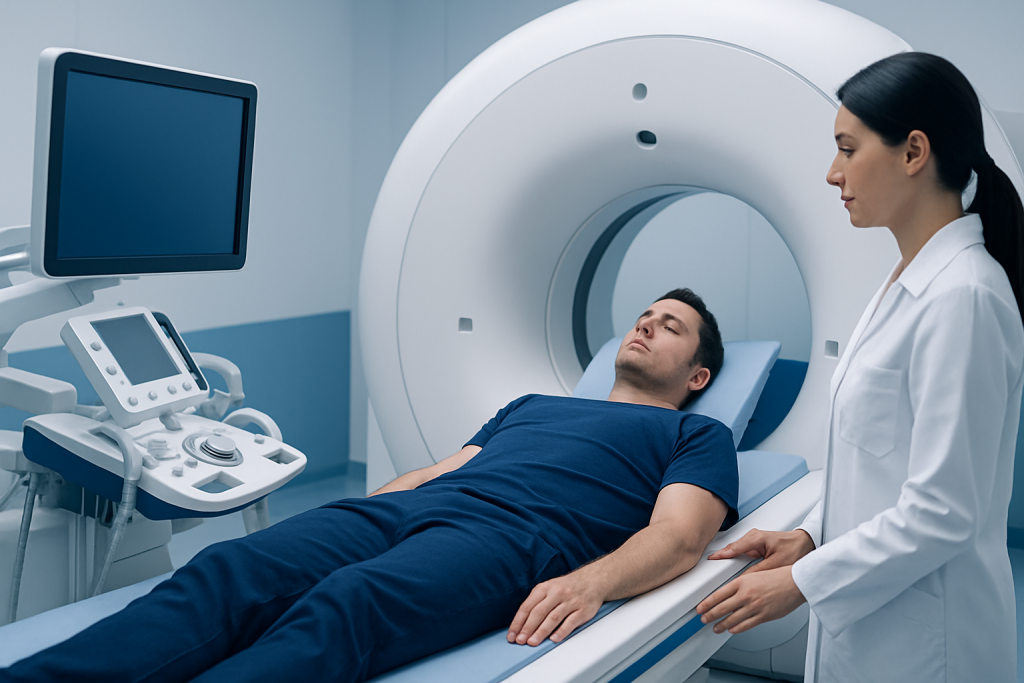
A good hospital for medical tourism is not simply one with a convenient location or an attractive package. Look for a hospital that can demonstrate recognised quality standards, has specialists appropriate to your condition, provides transparent clinical information and has systems for international patient communication, emergency care and discharge planning.
JCI accreditation is one recognised indicator that a hospital has been assessed against international standards for quality and patient safety. It should be one part of your decision, alongside the hospital’s relevant clinical services, diagnostic capabilities, infection-control practices, intensive care availability where appropriate, and the credentials of the specialist team involved in your care.
Acibadem International works with JCI-accredited hospitals within the Acibadem Healthcare Group and can help you understand which location and specialty service may fit your enquiry. Before deciding, ask who will be responsible for your care, what testing may be needed on arrival, how complications are handled, what language support is available and how your records will be shared after discharge.
- Confirm the hospital’s accreditation status through the accrediting organisation where possible.
- Ask for the treating specialist’s qualifications and relevant experience.
- Check whether the hospital can manage your medical needs if recovery is more complex than expected.
- Request a written clinical plan, including what may change after an in-person assessment.
How much does medical tourism in Turkey cost?
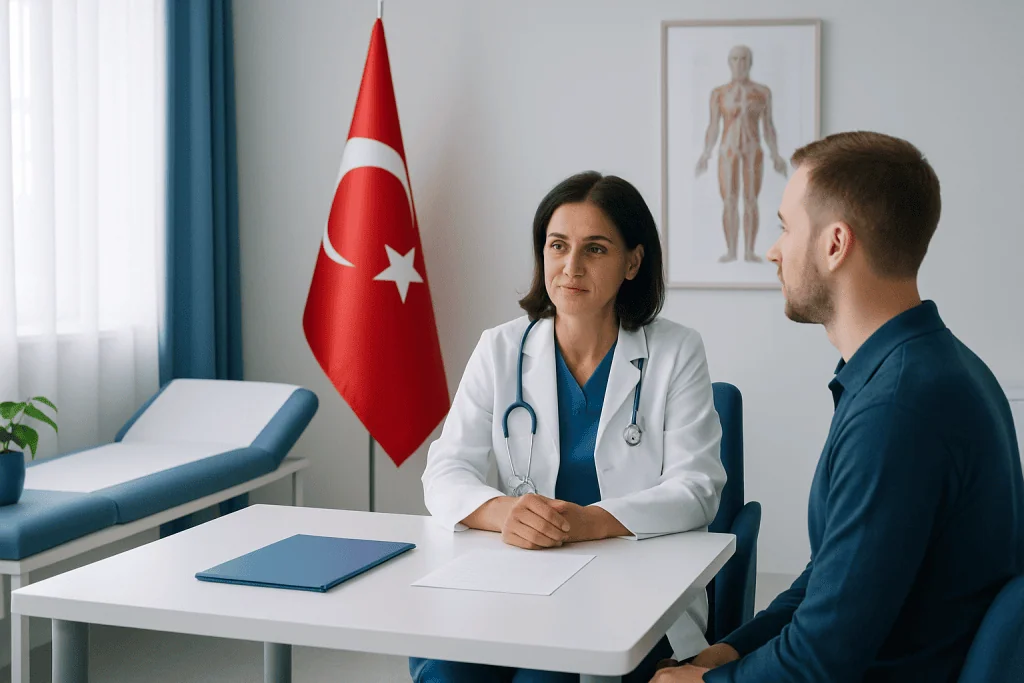
Medical tourism in Turkey costs vary widely depending on the treatment, hospital, specialist team, tests, anaesthesia, length of stay, medications, rehabilitation needs, travel dates and whether unexpected care is required. A quote can be useful for planning, but it should never be treated as a guarantee that every aspect of care will cost the same after an in-person medical assessment.
Ask for an itemised written estimate that explains what is included and excluded. You may need to budget separately for flights, visas where required, accommodation, meals, local transport, a companion’s costs, additional investigations, prescribed medicines, compression garments or aids, extended stays and follow-up once you return home.
If a lower price is a key reason for travelling, compare more than the headline figure. Consider the qualifications and facilities behind the quote, the cost of a longer stay if medically necessary, insurance exclusions, cancellation terms and the potential cost of arranging care at home should a complication arise. A responsible provider should explain likely cost variables clearly rather than promising a fixed result before assessment.
Is medical tourism safe in Turkey?
Medical tourism in Turkey can be safe when you select a properly regulated, appropriately equipped hospital and follow a clinical plan designed for you. Safety depends on more than the country you visit: it includes your medical suitability for travel, the complexity of treatment, the quality of communication, infection prevention, emergency readiness, responsible prescribing and the continuity of care after you leave.
Before travelling, disclose your full health history, allergies, medications, previous operations and any conditions that may affect anaesthesia, healing or flying. Do not minimise symptoms or omit information because it feels unrelated. Your clinical team needs an accurate picture to assess whether treatment and travel are appropriate.
Be cautious about pressure to book quickly, guarantees of a particular outcome, vague descriptions of the procedure, cash-only arrangements without documentation, or providers who discourage questions. You should have enough time to review the plan, seek another medical opinion if needed and understand the risks, alternatives and expected recovery requirements.
After treatment, follow your surgeon’s instructions on wound care, movement, diet, medication, showering, driving, alcohol and air travel. Seek urgent local medical attention for severe or worsening pain, chest pain, breathing difficulty, fainting, heavy bleeding, sudden swelling, a high fever, confusion or any symptom your treating team has identified as requiring urgent review.
Is there an all-inclusive medical tourism package for Turkey?
Some providers describe coordinated arrangements as an all-inclusive medical tourism package for Turkey. These may combine clinical services with selected non-clinical support such as airport transfers, hotel arrangements, interpreter assistance or a companion option. The term is not standardised, so you should ask for a written list of every included service and every possible extra charge.
A package should never override clinical judgement. Your final plan may change after consultation, examination or testing, and an extended recovery period may be medically advised. Make sure you understand what happens if your treatment is postponed, altered, cancelled or requires additional care.
For many international patients, the most useful arrangement is coordinated rather than simply bundled. Acibadem International can assist with practical planning around your appointments and hospital stay, while your treating team focuses on whether the proposed care is appropriate and how recovery should be managed. Keep a copy of all confirmations, consent documents, clinical recommendations and payment records.
- Ask whether consultation, tests, anaesthesia, hospital stay and medicines are included.
- Clarify accommodation standards, transfer routes and the number of included nights.
- Check companion arrangements and whether changes can be made if recovery takes longer.
- Read cancellation, refund and additional-treatment terms before paying a deposit.
A Typical Turkey Medical Travel Timeline
Your schedule should be built around clinical safety, not the earliest available return flight. The exact timing varies by treatment, your health and your surgeon’s advice, but the outline below can help you plan discussions with the hospital and your support person.
| When | What you may need to do |
|---|---|
| 4–8 weeks before travel | Share records, receive a preliminary plan and estimate, check passport and visa requirements, discuss travel insurance and arrange time away from work or caring responsibilities. |
| 1–2 weeks before travel | Confirm itinerary, accommodation, medications, companion plans and documents. Ask the clinical team about pre-treatment instructions and whether any medicine needs adjustment. |
| Arrival and assessment day | Attend consultation and any recommended examinations or tests. The plan may be refined after the specialist assesses you in person. |
| Treatment and early recovery | Follow hospital guidance, use interpreter support if needed and ensure you understand your medicines, activity limits and warning signs before discharge. |
| Before return travel | Attend any required review. Confirm that your clinician considers travel appropriate, collect discharge papers and ask how to contact the team after you leave. |
| First weeks at home | Follow recovery instructions, share records with your usual clinician where appropriate and keep scheduled remote or local follow-up appointments. |
Do not book a non-changeable return ticket if your planned treatment could require review, observation or a longer recovery. Airlines may also have their own requirements following illness or surgery, so check directly with them and follow the advice of your treating clinician.
Preparing for Recovery and Follow-up at Home
Your recovery plan begins before you travel. Identify who will help you at home, especially during the first days after your return, and consider practical needs such as meals, transport, childcare, pet care, stairs, bathing and time away from work. If you are travelling alone, tell the care team in advance so that the discharge and travel plan can be discussed realistically.
Before leaving Turkey, obtain your discharge summary, procedure or treatment report where applicable, test results, imaging reports, medication list, prescription details and contact information for follow-up. Ask for documents in a format that your local doctor can use. Keep both paper and secure digital copies, and carry essential records in your hand luggage.
Arrange who you will contact if you have concerns after returning. This may include the treating team in Turkey, your primary doctor, a local specialist or emergency services depending on the symptom. Remote follow-up can be useful, but it is not a substitute for prompt in-person assessment when you have warning signs or feel unwell.
Step by step
- Define your treatment and recovery needs. Start with the clinical question you need answered, not with a destination or package. Consider your diagnosis, prior treatment, health conditions, medication needs and how much assistance you may need after care.
- Share complete medical information. Send accurate records requested by the provider, including recent reports, imaging where relevant, allergies and medication lists. Tell the team about previous complications, smoking, pregnancy possibility or conditions that may affect treatment and travel.
- Check the hospital and care team. Verify accreditation, specialty services and the credentials of the clinician responsible for your treatment. Ask how emergency concerns, unplanned admission and post-discharge questions are managed.
- Review the written plan and estimate. Make sure you understand the purpose of treatment, alternatives, expected stay and potential reasons the plan could change. Review the quote line by line and ask what is excluded, conditional or subject to medical assessment.
- Build a flexible travel itinerary. Allow time for arrival, consultation, treatment, recovery reviews and possible changes. Choose flexible transport and accommodation when possible, and do not plan sightseeing or major commitments during early recovery.
- Prepare for discharge before treatment. Decide who will support you at your destination and after you return home. Arrange follow-up with a local clinician if appropriate, and ask what records and prescriptions you will receive.
- Follow recovery and travel instructions. Take medicines only as prescribed and follow restrictions on activity, wound care, diet and flying. Contact the treating team promptly about concerns, and seek urgent local care for serious symptoms.
Your checklist
- Passport, visa status and travel itinerary checked
- Written treatment plan and itemised estimate saved
- Medical records, imaging, allergy list and medication list prepared
- Hospital accreditation and specialist credentials reviewed
- Travel and accommodation bookings allow flexibility
- Companion or home-support plan confirmed
- Insurance terms and exclusions reviewed
- Discharge documents and follow-up contacts requested
- Enough prescribed medication and a medication timetable arranged
Key takeaways
- Choose a hospital based on verifiable standards, relevant specialist care and clear communication—not price alone.
- A written treatment plan and itemised estimate help you compare options responsibly.
- All-inclusive packages vary; confirm every clinical and travel inclusion before booking.
- Safe medical travel includes a realistic recovery window and a plan for care at home.
- Follow your own surgeon’s instructions about medicines, activity, wound care and flying.
Frequently asked questions
How do I choose a hospital for medical tourism in Turkey?
Look for recognised quality standards, relevant specialist services, transparent communication and a clear plan for emergency and follow-up care. Ask for information about accreditation, the clinician who will treat you, likely testing and what support is available in your language. A JCI-accredited hospital may be one useful quality indicator, but it should not be your only consideration.
Do I need to stay in Turkey after treatment?
In most cases, you should expect to remain in Turkey for the period advised by your treating clinician, including any required review appointments. The appropriate length depends on the treatment, your health and how your recovery is progressing. Do not fly home simply because a pre-booked itinerary says it is time to leave.
What should be included in a medical tourism quote?
A useful quote should state the planned clinical services and identify what is included, excluded or dependent on assessment. Ask about consultation, tests, hospital stay, anaesthesia where relevant, medicines, transfers, accommodation, interpreter support and possible additional care. Keep in mind that treatment plans and costs can change if your in-person assessment identifies a different need.
Can I travel alone for treatment in Turkey?
Whether you can travel alone depends on the treatment and your expected recovery needs. Some patients can do so with coordinated support, while others may need a companion for transport, communication, mobility or the first days after discharge. Discuss this honestly with your clinical team before making arrangements.
What records should I take home after treatment in Turkey?
Ask for a discharge summary, procedure or treatment report where applicable, test results, imaging reports, medication instructions, prescriptions and contact details for follow-up. Keep copies in paper and digital form, and share them with your usual clinician when appropriate. Clear records can make follow-up safer and reduce delays if you need local care.
What happens if I feel unwell after I return home?
Follow the contact instructions provided at discharge and arrange local assessment when advised. For serious symptoms such as chest pain, breathing difficulty, fainting, heavy bleeding, sudden swelling, severe worsening pain or a high fever, seek urgent medical attention locally. Do not rely only on messaging or remote advice when symptoms may need an in-person examination.
Can Acibadem International help with travel arrangements?
Acibadem International can help international patients coordinate practical aspects of a planned visit, including appointments, interpreter support and travel or accommodation information. The exact support available depends on your location and care plan. Clinical decisions, recovery timing and fitness to travel remain matters for your treating team.
Add us as a Preferred Source to see more of our trusted health content across Google Search, AI Overviews and Discover.

Update history
- PublishedAugust 21, 2026
- Medical review approvedAugust 25, 2026
- Last content updateAugust 24, 2026
References2
- CDC Travelers' Health: Medical Tourism — wwwnc.cdc.gov
- GOV.UK: Foreign travel advice – Turkey (Health) — gov.uk
More Patient Guides

Aftercare Abroad: How to Prepare for Recovery Once You Return Home
Aftercare abroad planning helps you return home safely with clear follow-up, medication, travel and support arrangements after treatment in Turkey.
8 min read
How to Prepare Your Home for Recovery Before Leaving Turkey
Prepare your home for recovery before leaving Turkey with practical planning for mobility, medicines, support and follow-up after treatment.
8 min read
When Recovery Does Not Go as Planned in Turkey: Signs You Should Contact Your Care Team
Recovery problems in Turkey can include new pain, fever, bleeding, or breathing changes. Contact your care team promptly for safe aftercare advice.
9 min read
When Is It Safe to Resume Exercise After Treatment in Turkey?
Resume exercise after treatment in Turkey only when your surgeon or care team clears you. Start gently, watch for warning signs, and…
8 min read