Therapy Impotence: How It Works, Results and What to Expect

Erectile dysfunction is common and often treatable, but it should be assessed because it can be linked with cardiovascular, metabolic or emotional health. Treatment may include lifestyle changes, counselling, oral medicines, vacuum devices, injections or implants, depending on the cause and personal preferences.
Key Takeaways
- Erectile dysfunction is common and often treatable, but it should be assessed because it can be linked with cardiovascular, metabolic or emotional health.
- Treatment may include lifestyle changes, counselling, oral medicines, vacuum devices, injections or implants, depending on the cause and personal preferences.
- Psychosexual therapy can reduce performance anxiety, improve communication and support couples affected by erectile dysfunction.
- There is no reliable instant cure for erectile dysfunction; safe treatment begins with an individual medical assessment.
- Sudden ED, penile pain or curvature, or ED alongside chest symptoms requires timely medical advice.
Therapy impotence refers to the medical, psychological and lifestyle-based care used to improve erectile dysfunction (ED). The best approach depends on whether blood flow, nerve function, hormones, medication effects, emotional wellbeing or relationship factors contribute to erection difficulties.
Overview: What Does Therapy Impotence Mean?
Therapy impotence describes the range of treatments used for erectile dysfunction (ED), sometimes called impotence. ED is the ongoing difficulty getting or keeping an erection firm enough for satisfactory sexual activity. It can happen occasionally, particularly during stress, illness or tiredness, but recurring symptoms deserve medical attention.
Effective therapy for impotence is not one fixed procedure. Care starts by identifying contributing factors, which may include reduced blood flow, diabetes, high blood pressure, nerve conditions, low testosterone, certain medicines, anxiety, depression, relationship stress, alcohol use or smoking. Many people have more than one contributing factor.
ED can be an early sign of broader vascular health concerns because penile blood vessels are small and may be affected before symptoms develop elsewhere. A healthcare professional can address sexual symptoms while also checking for conditions that may benefit from treatment, such as diabetes, high cholesterol or cardiovascular disease.
How Therapy for Erectile Dysfunction Works
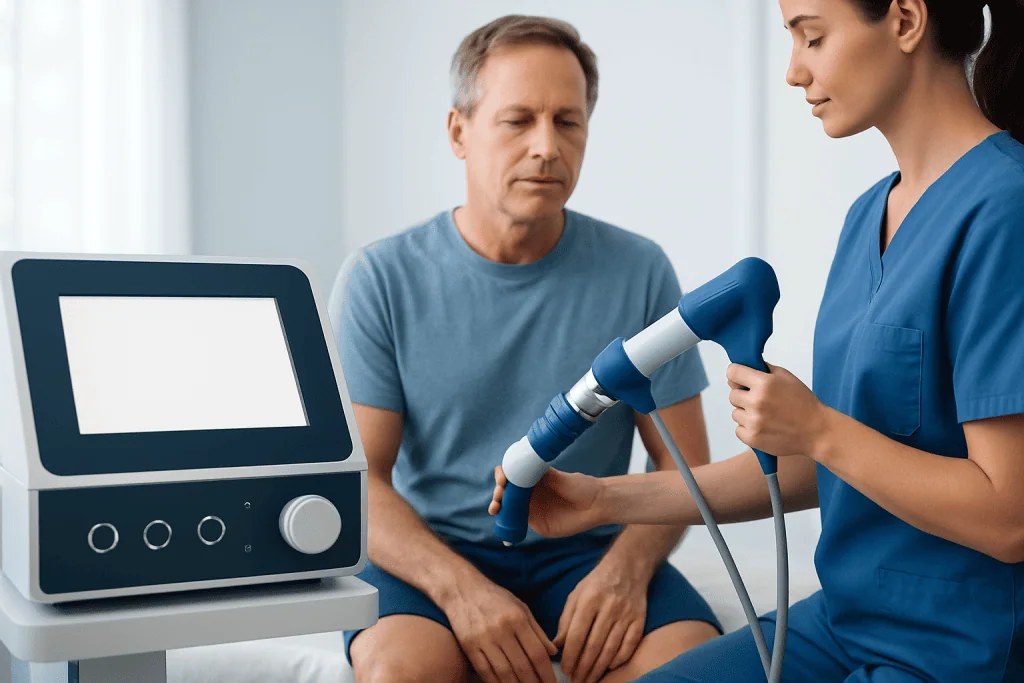
An erection requires coordinated blood flow, nerve signalling, hormone activity and sexual arousal. Therapy erectile dysfunction aims to support one or more of these processes. For example, medicines may improve blood flow to the penis during sexual stimulation, while counselling may help reduce anxiety that interrupts arousal or confidence.
Psychosexual therapy is a form of talking therapy provided by a trained mental health professional or sexual health specialist. An impotence therapist may help a person or couple understand how stress, expectations, prior experiences, mood or communication patterns influence sexual function. It does not assume that ED is “all in the mind”; it can be useful whether the cause is physical, psychological or mixed.
Medical treatment may include oral phosphodiesterase type 5 inhibitors, vacuum erection devices, penile self-injection therapy, urethral medicines, hormone treatment when a confirmed hormone deficiency is present, or penile implant surgery for selected individuals. The choice should be made with a clinician after discussing medical history, goals, safety and likely benefit.
- Oral medicines usually require sexual stimulation to work and are not suitable for everyone.
- Vacuum devices draw blood into the penis mechanically and use a constriction ring to help maintain the erection.
- Injections can be effective when tablets are unsuitable or ineffective, but require careful training.
- Penile implants are generally considered after less invasive options have not provided acceptable results.
Who May Benefit and What Assessment Involves

People who experience ED repeatedly for several weeks or months may benefit from assessment. A clinician will usually ask about the timing and severity of symptoms, morning or spontaneous erections, libido, medical conditions, medicines, alcohol and tobacco use, sleep, mood and relationship circumstances. These questions help distinguish possible physical and psychological contributors.
The assessment may include blood pressure measurement, a focused physical examination and blood tests when appropriate. Testing may look for diabetes, cholesterol abnormalities, testosterone deficiency or other relevant health conditions. Further heart and vascular assessment may be recommended for people with risk factors or symptoms suggesting cardiovascular disease.
Candidacy for a particular treatment depends on overall health. For example, some oral ED medicines must not be taken with nitrate medicines used for chest pain because the combination can cause a dangerous fall in blood pressure. A clinician should also review alpha-blockers, heart conditions, eye conditions and other medicines before prescribing treatment.
ED may also occur alongside other urological concerns. For a broader discussion of symptoms and causes, readers can review erectile dysfunction. Individualised assessment is especially important after pelvic surgery, spinal injury, prostate treatment or significant trauma.
What to Expect: A Step-by-Step Treatment Pathway
Care commonly begins with a consultation and shared treatment plan. The clinician identifies reversible factors where possible, discusses goals and explains the expected use of each option. Lifestyle measures and medical care can often be started together rather than treated as separate approaches.
For oral medication, the clinician will explain when to take it, the role of sexual stimulation and potential side effects. It may take more than one attempt under appropriate conditions to understand whether a medicine is helpful. People should not increase doses, combine treatments or buy unregulated products without medical guidance.
If a vacuum erection device is selected, a clinician can demonstrate safe use. The penis is placed in a clear cylinder, air is removed to create a vacuum and a ring may be placed at the base of the penis to maintain the erection. The ring should not be left in place longer than advised by the clinician.
For injection therapy, patients receive practical instruction and supervised planning before using the medicine at home. For individuals considering surgery, a urologist discusses the operation, anaesthesia, healing, device options and long-term expectations. Penile prosthesis surgery may be considered when other treatments have been unsuccessful, unsuitable or unacceptable.
Results, Recovery Timeline, Benefits and Risks
Results depend on the underlying cause and treatment selected. Oral medicines and vacuum devices may work on the day they are used, while lifestyle changes, counselling and management of diabetes or cardiovascular risks often support gradual improvement over weeks to months. Psychological therapy may take several sessions, with progress varying according to individual circumstances.
There is no universal recovery timeline after starting ED treatment. Some people find an effective option quickly, while others need adjustments or a combination of approaches. A follow-up appointment is useful for reviewing response, side effects, relationship concerns and whether a different treatment would better meet the person’s needs.
Possible side effects vary. Oral medicines can cause headache, facial flushing, indigestion, nasal congestion or visual changes. Vacuum devices may cause temporary bruising, numbness or discomfort. Injection treatment can rarely cause a prolonged, painful erection, called priapism, which requires urgent medical care. Surgery has risks such as infection, pain, mechanical problems and anaesthetic complications.
Potential benefits include improved ability to have sexual activity, greater confidence and better communication between partners. Treatment should always be realistic: an erection treatment does not automatically resolve low desire, relationship difficulties or health conditions that may also affect sexual wellbeing.
How Long Does It Take to Cure Impotence?
There is no single time frame to cure impotence because erectile dysfunction has different causes. When ED is related to temporary stress, poor sleep, alcohol use or a medicine that can be safely changed, symptoms may improve within days to weeks after the contributing factor is addressed. When it is linked with diabetes, blood vessel disease, nerve injury or pelvic surgery, ongoing management may be needed.
Many treatments can improve erections without permanently curing the underlying cause. For example, oral medication, a vacuum device or injection therapy may help when used, while counselling and healthier lifestyle habits can produce gradual and sometimes lasting benefits. Treating high blood pressure, diabetes and mood conditions can also improve overall sexual health.
A clinician can help set a realistic timeline after assessment. Follow-up is important if the first approach does not work as hoped, because timing, technique, dose adjustment or an alternative treatment may make a meaningful difference.
What Is the Two Finger Trick for ED?
The “two finger trick” is an online term, not a recognised medical treatment for erectile dysfunction. It may refer to pelvic floor muscle exercises, manual techniques or claims about pressure points, but there is no reliable two-finger method proven to cure ED immediately.
Pelvic floor muscle training may help some people with ED by improving the muscles involved in erection and ejaculation. However, it should be taught correctly, ideally by a qualified clinician or pelvic health physiotherapist. Techniques that cause pain, excessive pressure, bruising or numbness should be avoided.
People should be cautious about social-media advice that promises a quick cure. A personalised medical evaluation is safer than relying on unproven techniques, particularly when ED is new, persistent or accompanied by other symptoms.
How Does a Wife Deal With Erectile Dysfunction?
A partner can play a supportive role by approaching erectile dysfunction with empathy rather than blame. ED is a health concern, not a measure of attraction, masculinity or relationship value. Calm conversations outside sexual situations can help both partners share concerns and decide whether they would like to attend a medical appointment together.
Couples may benefit from reducing pressure to achieve intercourse or a particular outcome during intimacy. Focusing on comfort, affection and other forms of sexual connection can help ease performance anxiety. It is also important to respect each person’s boundaries and avoid pressuring a partner to use treatments they do not want.
Couples counselling or psychosexual therapy can be valuable when ED affects communication, confidence or closeness. A qualified therapist can provide a private setting to discuss expectations, emotional responses and practical ways to rebuild intimacy while medical causes are being addressed.
How to Get a Stronger Erection Immediately?
There is no safe, guaranteed way to produce a stronger erection immediately without considering the cause of ED. Prescription ED medicines can help some people, but they should only be used after a clinician has reviewed health conditions and current medicines. They are not suitable for everyone and should never be combined with nitrates.
For a given sexual encounter, reducing alcohol, allowing enough time for arousal, limiting pressure to perform and using a treatment already prescribed by a clinician may be helpful. A vacuum erection device can also provide a non-drug option for some people when it has been selected and taught appropriately.
Unregulated supplements, recreational drugs and medicines bought without a prescription can be unsafe. They may contain undisclosed ingredients or interact with heart, blood pressure or other medicines. Persistent difficulty should lead to medical assessment rather than repeated self-treatment.
When to Seek Medical Care
Medical care is appropriate when erection difficulties are persistent, distressing or affecting a relationship. It is also advisable when ED begins suddenly, occurs after an injury or operation, or is accompanied by reduced sexual desire, penile curvature, pain, urinary symptoms or signs of depression or anxiety.
Urgent care is needed for an erection lasting more than four hours, especially if painful. Immediate assessment is also important for chest pain, severe shortness of breath or fainting during sexual activity. People taking nitrate medicines should tell every healthcare professional involved in their care before using any ED treatment.
Managing smoking, physical inactivity, excess alcohol, poor sleep and uncontrolled long-term conditions can support erectile health. Acibadem International’s multidisciplinary specialists and JCI-accredited hospitals diagnose and treat erectile dysfunction for international patients, with care guided by individual medical needs.
Frequently asked questions
Is erectile dysfunction always caused by stress?
No. Stress and performance anxiety can contribute to erectile dysfunction, but ED can also be related to blood vessel disease, diabetes, medication effects, nerve conditions, hormone disorders and lifestyle factors. Many people have both physical and psychological contributors, so assessment should consider the whole picture.
Can erectile dysfunction be a sign of heart disease?
It can be associated with cardiovascular disease because erections depend on healthy blood flow. ED does not mean a person has heart disease, but it is a reason to review blood pressure, cholesterol, diabetes risk, smoking and other vascular health factors with a clinician.
Can counselling help if erectile dysfunction has a physical cause?
Yes. Counselling cannot reverse every physical cause, but it can reduce anxiety, support communication and help a person or couple adapt to treatment. It may be especially useful when ED has affected confidence, intimacy or mood.
Are ED pills safe for everyone?
No. Prescription ED medicines are safe for many people when appropriately prescribed, but they can be dangerous with nitrate medicines and may not suit people with certain heart or blood pressure conditions. A clinician should review medical history and current medicines first.
Can lifestyle changes improve erectile dysfunction?
Lifestyle changes can improve erectile function for some people, particularly when vascular health, weight, smoking, alcohol use, sleep or physical inactivity play a role. Regular physical activity, stopping smoking, moderating alcohol and managing chronic conditions can support treatment.
What should a person do if ED treatment does not work?
They should arrange follow-up with the prescribing clinician rather than stopping care or using unregulated products. The treatment may need different timing, technique or adjustment, and another option may be more suitable after reassessing the underlying causes.
References
- American Urological Association
- European Association of Urology
- National Institute of Diabetes and Digestive and Kidney Diseases
- Mayo Clinic
- World Health Organization
This article is for general information only and is not a substitute for professional medical advice. Please consult a qualified doctor about your individual situation.
Explore treatments in Turkey — costs, top hospitals & a free quote
JCI-accredited · board-certified surgeons · reply within 24h
Add us as a Preferred Source to see more of our trusted health content across Google Search, AI Overviews and Discover.
Check your numbers in seconds
BMI, calories, due date, blood pressure and 30+ more clinical calculators — free, instant, doctor-reviewed ranges.