Laser Surgery: Procedure, Recovery and Results
Laser surgery uses focused light energy to cut, vaporize, reshape or seal selected tissue with high precision. It is not one single operation; eye, skin, urinary, gynecologic and other laser procedures have different goals and recovery plans.
Key Takeaways
- Laser surgery uses focused light energy to cut, vaporize, reshape or seal selected tissue with high precision.
- It is not one single operation; eye, skin, urinary, gynecologic and other laser procedures have different goals and recovery plans.
- Suitability depends on the diagnosis, treatment area, overall health, medicines and realistic expectations.
- Benefits may include precision and less disruption to nearby tissue, but risks such as pain, infection, scarring or incomplete results can still occur.
- Following aftercare instructions and attending follow-up appointments supports safer healing and helps clinicians assess results.
Laser surgery is a group of procedures that use concentrated light energy to precisely treat tissue. It can be used in several medical specialties, and the expected preparation, recovery and results depend on the condition being treated and the type of laser used.
Overview: What Is Laser Surgery?
Laser surgery is a medical procedure that uses a highly focused beam of light to treat tissue. Depending on the laser type and the clinical goal, the energy may cut tissue, remove thin layers, seal small blood vessels, destroy abnormal cells, break up stones or reshape a structure such as the cornea. The term describes a technology rather than one specific operation.
Because laser light can be precisely directed, it may limit treatment to a defined area. This can be useful when clinicians need to work on delicate or hard-to-reach tissue. However, laser surgery is not automatically better than conventional surgery for every condition; the most appropriate approach depends on the diagnosis, body area, severity of symptoms and the person’s health needs.
Common uses include vision-correction procedures, treatment of some retinal conditions, removal or treatment of skin lesions, management of certain urinary stones or prostate conditions, treatment of selected gynecologic problems, and surgery involving the ear, nose, throat or airways. A clinician should explain what the laser is intended to achieve, what alternatives are available and what outcome is realistic in an individual case.
How Laser Surgery Works
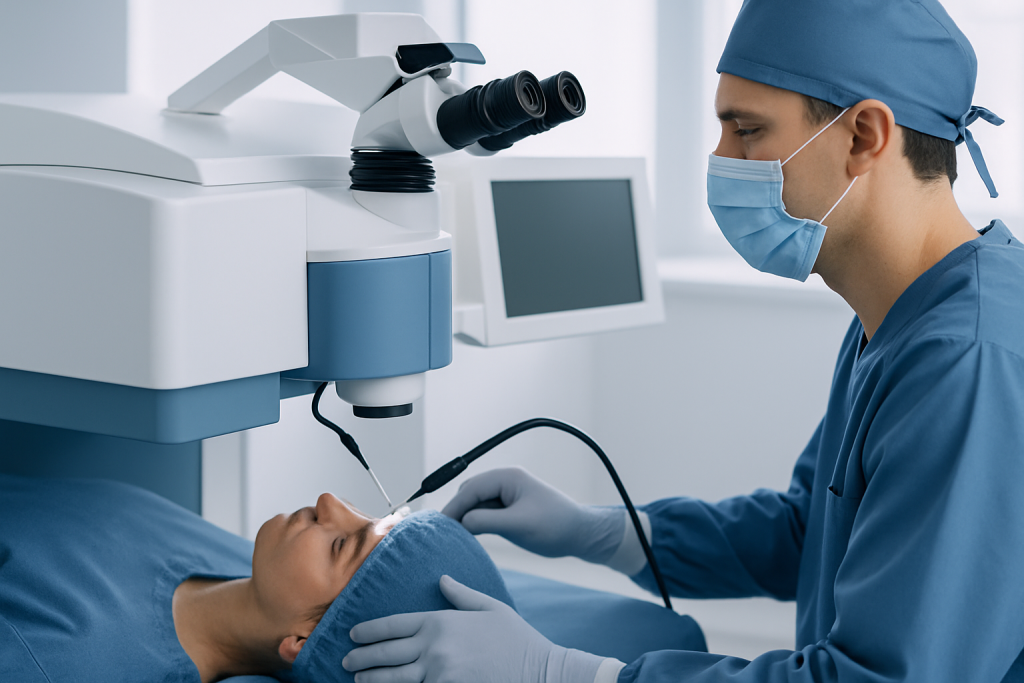
A laser produces light at a specific wavelength and directs it toward targeted tissue. Different tissues absorb light energy differently. For example, water, pigment and blood each absorb particular wavelengths to varying degrees. This allows the surgical team to select a laser designed for the intended treatment and to control the depth and extent of its effect.
The delivered energy may create heat that vaporizes or removes tissue, coagulates tissue to help control small amounts of bleeding, or causes a controlled structural change. In some procedures, the laser acts directly on the tissue. In others, it is part of a wider treatment plan that may also include imaging, microscopic guidance, surgical instruments or medication.
Precision does not eliminate the need for careful planning. The clinician considers the treatment location, skin or tissue characteristics, prior procedures, healing capacity, medical history and medications that could affect bleeding, infection risk or recovery. Protective measures, such as eye shields during relevant procedures, are used to reduce exposure of nearby tissues.
Who May Be a Candidate?

People may be considered for laser surgery when a laser-based technique is suitable for their diagnosed condition and treatment goal. Candidacy is assessed individually. A clinician will usually review symptoms, examination findings, scans or laboratory results when needed, previous treatments, allergies, current medicines and any conditions that may influence healing.
Good candidates generally have a clear indication for treatment and understand both the likely benefits and limitations. For example, a laser may improve a specific symptom, remove abnormal tissue or reduce the need for another technique, but it may not reverse all effects of an underlying disease. The expected result should be discussed in terms that are relevant to the individual procedure.
Laser surgery may need to be postponed or modified for people with an active infection in the treatment area, poorly controlled chronic illness, certain bleeding disorders, a history of problematic scarring, or medications that increase bleeding or affect immune function. Pregnancy, recent sun exposure for some skin procedures, and changes in vision or eye health for certain eye procedures may also affect timing. Patients should not stop prescribed medication unless the treating clinician specifically advises it.
- Questions to ask include why a laser is recommended, what alternatives exist and whether another treatment may be more appropriate.
- Patients should ask about anesthesia, expected discomfort, recovery restrictions and the possibility of additional treatment.
- It is important to share all prescription medicines, over-the-counter products, supplements and prior procedures with the care team.
What Happens During a Laser Procedure?
The exact steps vary widely, but most laser procedures follow a similar pathway. Before treatment, the clinician confirms the treatment plan, reviews consent, checks relevant health information and prepares the treatment area. Depending on the procedure, preparation may include cleaning the skin, using eye drops, applying a local anesthetic, giving sedation or arranging general anesthesia.
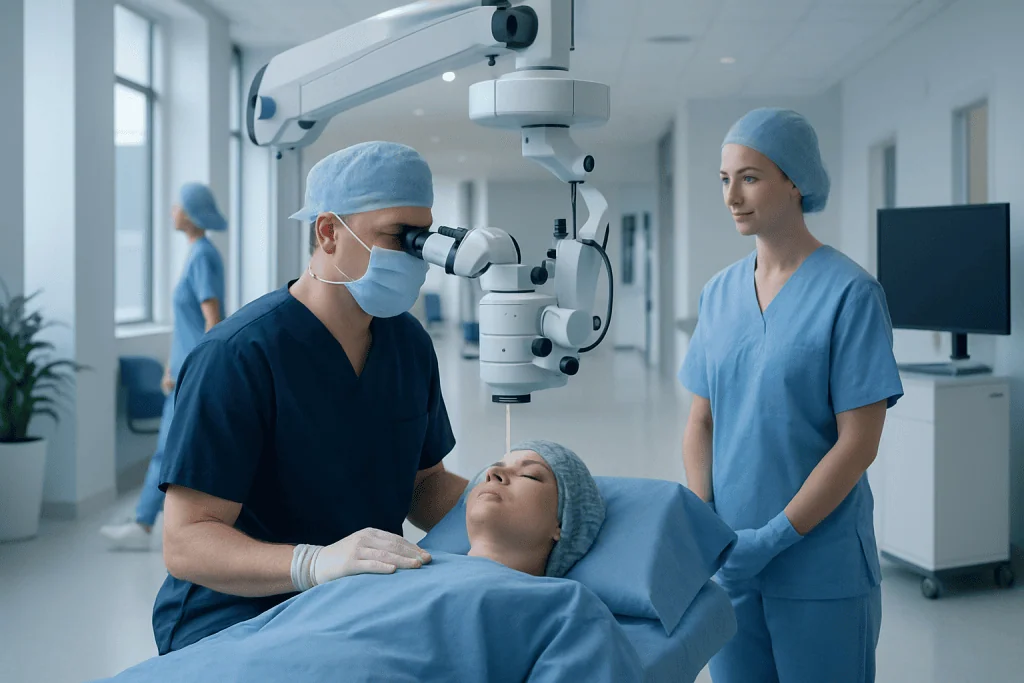
During the procedure, the patient is positioned carefully and protective equipment is used. The clinician directs the laser at the planned area, sometimes with a microscope, camera, endoscope or imaging guidance. The treatment itself may take only a short time, although preparation, anesthesia and monitoring can make the overall visit longer.
Afterward, the team observes the patient for an appropriate period and provides written aftercare instructions. Some people return home on the same day, while more extensive procedures may require longer observation. If sedation or general anesthesia is used, a responsible adult may be needed to accompany the patient home and driving should be avoided until the care team says it is safe.
For people considering laser-based procedures across specialties, the most useful next step is a specialist assessment to match the technology to the condition rather than choosing a procedure based on the word “laser” alone. Acibadem International’s multidisciplinary specialists and JCI-accredited hospitals diagnose and treat a range of conditions for international patients.
Recovery Timeline and Expected Results
Recovery after laser surgery depends on the treated tissue, laser settings, size of the area and whether other procedures were performed at the same time. Mild soreness, swelling, redness, sensitivity, temporary changes in appearance or a sensation of irritation may occur after some procedures. Other treatments, particularly internal or eye procedures, have their own specific recovery patterns and precautions.
In the first day or several days, patients may be advised to rest, use prescribed drops, creams or pain relief, keep the treatment area clean, and avoid rubbing or touching it. Activity restrictions can range from minimal to more substantial. For example, a clinician may recommend avoiding swimming, strenuous exercise, direct sun exposure, contact sports, driving, makeup or certain work tasks for a defined period depending on the procedure.
Visible healing and final results are not always immediate. Some laser treatments produce a prompt change, while others lead to gradual improvement as tissue heals or remodels over weeks to months. Follow-up visits allow the clinician to check healing, manage side effects and determine whether further treatment is needed. Patients should use only products approved by their clinician on a treated area, especially near the eyes or on healing skin.
Results also depend on the underlying condition. Laser treatment can be highly useful for selected problems, but some conditions can recur, progress or require ongoing monitoring. The care team can provide the most accurate timeline after identifying the exact laser procedure being considered.
Benefits, Limitations and Possible Risks
A potential benefit of laser surgery is the ability to treat a defined area with precision. In appropriate cases, this may reduce disruption to nearby tissue, help control small amounts of bleeding, and support outpatient treatment or a shorter recovery compared with some conventional techniques. These advantages vary by procedure and should not be assumed for every patient.
Like all medical procedures, laser surgery has possible risks. These can include pain, swelling, bleeding, infection, delayed healing, changes in skin color, scarring, burns to surrounding tissue, temporary or persistent changes in sensation, and an unsatisfactory or incomplete result. Risks specific to the treatment area may also apply, such as temporary visual symptoms after an eye procedure or urinary symptoms after a urologic procedure.
In some cases, the intended improvement is limited, symptoms return, or another procedure is needed. The likelihood of complications depends on the procedure, the clinician’s assessment, aftercare and individual health factors. Patients can reduce avoidable risks by choosing qualified medical care, following preparation instructions, protecting the treated area and reporting concerning symptoms promptly.
A balanced discussion of benefits and risks should include non-laser options, including observation, medication, conventional surgery or other minimally invasive approaches. Shared decision-making helps ensure the treatment plan reflects both clinical evidence and the patient’s priorities.
Self-Care and When to Seek Medical Care
After laser surgery, patients should follow the individualized instructions provided by their care team. General measures may include taking prescribed medicines as directed, keeping scheduled follow-up appointments, avoiding smoking where possible because it can impair healing, maintaining hydration and nutrition, and protecting treated skin from sunlight when advised. Do not pick at scabs, use unapproved creams or resume restricted activities before clearance.
Patients should contact their treating clinic for increasing pain, worsening redness or swelling, drainage, fever, bleeding that does not stop with the recommended measures, a new rash, or concerns that the treated area is not healing as expected. For eye-related procedures, new or worsening loss of vision, severe eye pain, flashes, a curtain-like shadow or sudden marked redness should be assessed urgently.
Emergency medical care is appropriate for symptoms such as trouble breathing, chest pain, fainting, severe allergic symptoms, uncontrolled bleeding or sudden severe weakness. These symptoms may not always be caused by the laser procedure, but they should not be ignored. If a patient is unsure whether a symptom is expected, contacting the surgical team is the safest approach.
Long-term self-care may include condition-specific monitoring. Even after a successful laser procedure, patients should continue recommended screening, follow-up and healthy lifestyle measures that support the underlying area of health.
Frequently asked questions
Is laser surgery painful?
Comfort depends on the procedure and treatment area. Many laser procedures use local anesthetic, numbing drops, sedation or general anesthesia, so significant pain during treatment is often minimized. Mild discomfort, tenderness or irritation may occur afterward, and the care team can explain appropriate pain management.
How long does recovery from laser surgery take?
Recovery can range from a few days for some minor procedures to several weeks or longer for more extensive treatments. The timeline depends on the tissue treated, the type of laser, the size of the treatment area and individual healing. A clinician can provide procedure-specific guidance and activity restrictions.
Is laser surgery safer than traditional surgery?
Laser surgery can offer useful precision for selected conditions, but it is not universally safer or more effective than conventional surgery. Every approach has benefits and risks, and the best option depends on the diagnosis and the patient’s circumstances. A specialist can compare suitable alternatives.
Can laser surgery leave scars?
Some laser procedures are designed to minimize visible scarring, but scarring remains possible whenever tissue is treated or injured. The risk varies with the procedure, skin type, treatment depth, infection risk and aftercare. Following wound-care and sun-protection advice can support healing.
Are the results of laser surgery permanent?
Some laser procedures create long-lasting changes, while others may need maintenance or repeat treatment. Results can also be affected by aging, ongoing disease, hormonal changes, sun exposure or recurrence of the underlying condition. The treating clinician can explain how durable results are likely to be for the specific procedure.
What should a person avoid after laser surgery?
Restrictions vary, but patients may be asked to avoid rubbing the treatment area, swimming, strenuous activity, smoking, direct sun exposure, makeup or driving for a period of time. They should also avoid using non-prescribed products on healing tissue. Written instructions from the treating team should take priority over general advice.
References
- U.S. Food and Drug Administration
- American Academy of Ophthalmology
- American Society for Laser Medicine and Surgery
- National Health Service
- Mayo Clinic
This article is for general information only and is not a substitute for professional medical advice. Please consult a qualified doctor about your individual situation.
Laser Surgery in Turkey — costs, top hospitals & a free quote
JCI-accredited · board-certified surgeons · reply within 24h
Add us as a Preferred Source to see more of our trusted health content across Google Search, AI Overviews and Discover.

Ophthalmology
Comprehensive eye care from laser vision correction to retina, cornea and cataract surgery.
75 specialists in this unit