Ablation Therapy for Non Small Cell Lung Cancer: Procedure, Recovery and Results

Lung ablation destroys a targeted tumor through a needle-like probe guided by CT imaging. It is most often considered for small, limited tumors when surgery is unsuitable or when cancer has returned in a small area.
Key Takeaways
- Lung ablation destroys a targeted tumor through a needle-like probe guided by CT imaging.
- It is most often considered for small, limited tumors when surgery is unsuitable or when cancer has returned in a small area.
- Microwave ablation, radiofrequency ablation, and cryoablation are different techniques selected according to the tumor and patient.
- A pneumothorax, or partially collapsed lung, is a common procedure-related risk and is usually manageable.
- Follow-up scans are essential because the treated area changes over time and recurrence can occur.
Ablation therapy for non small cell lung cancer is a minimally invasive, image-guided treatment that destroys carefully selected lung tumors with heat or cold. It may be considered for small tumors, limited recurrence, or tumors that cannot be safely removed with surgery, often as part of a broader treatment plan.
Overview: what ablation therapy means for NSCLC
Ablation therapy for non small cell lung cancer (NSCLC) is a local treatment that destroys a tumor without removing part of the lung. An interventional radiologist places a thin probe through the skin and into the tumor using CT imaging for guidance. The probe delivers energy that heats the cancer cells or, in cryoablation, freezes them.
This approach is not the best treatment for every person with NSCLC. Surgery remains an important potentially curative option for many people with early-stage disease, while radiation therapy, immunotherapy, targeted therapy, chemotherapy, or combinations of these treatments may be appropriate in other situations. Ablation can be valuable when a tumor is small and limited in number, when lung function or other health concerns make surgery difficult, or when a localized tumor returns after earlier treatment.
Planning should involve a multidisciplinary team, including thoracic surgeons, medical oncologists, radiation oncologists, pulmonologists, diagnostic radiologists, and interventional radiologists. The aim is to choose treatment based on the cancer stage, tumor location and size, molecular testing results, lung function, previous treatment, and the person’s preferences.
How lung tumor ablation works
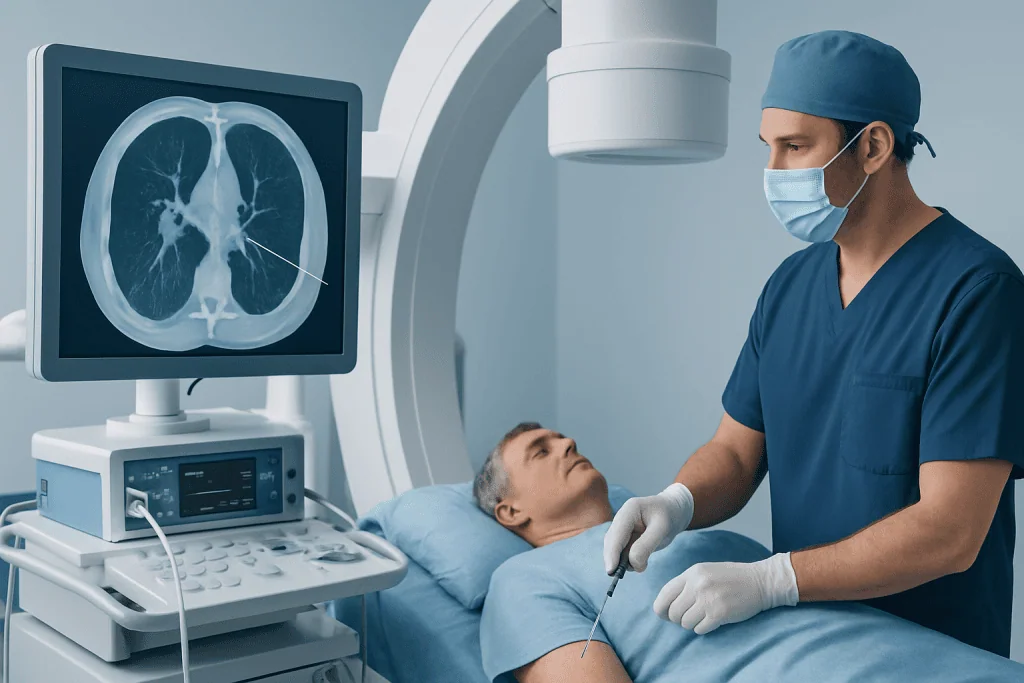
Most lung ablation procedures are performed percutaneously, meaning through the skin. After CT images identify a safe path, the specialist advances an ablation probe into the tumor. Energy is then applied to create a treatment zone that includes the tumor and a small margin of nearby tissue, helping address microscopic cancer cells at the edge.
Microwave ablation uses electromagnetic energy to generate heat and is commonly used for lung tumors. Radiofrequency ablation also uses heat, produced by an electrical current. Cryoablation uses very cold temperatures to freeze and thaw tissue repeatedly. The technique is chosen according to factors such as tumor size, its position near airways or blood vessels, prior treatment, and the team’s expertise.
The body does not immediately remove the treated tissue. Instead, the ablated area undergoes gradual healing and scarring. This is why follow-up CT scans may look different over the months after treatment; radiologists interpret these changes in the context of the original tumor, the ablation technique, and the timing of each scan.
Who may be a candidate for lung ablation?
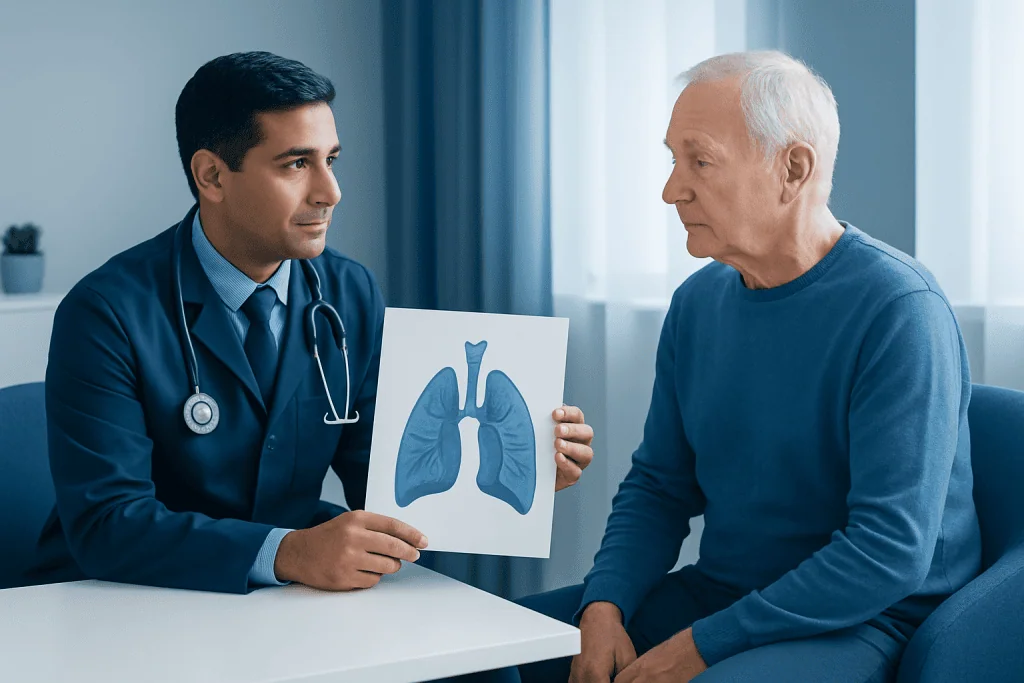
Suitability for lung ablation is individualized. It is often considered for a small number of tumors in the lung, particularly when they are relatively small and can be reached safely by a probe. It may be used for early-stage NSCLC in people who are not good candidates for surgery because of limited lung reserve, frailty, heart disease, or other significant medical conditions.
Ablation may also be discussed for selected cases of local recurrence after surgery or radiation, or for limited spread to the lungs from another cancer. It can sometimes be repeated if a new small lesion develops, although each decision requires careful review. A biopsy may be performed before or during the procedure if the diagnosis or tumor biology is not already known.
It may not be appropriate when cancer has spread widely, when the tumor is too large or too close to structures that cannot be safely protected, or when bleeding risk is unacceptably high. In these circumstances, systemic treatments or radiation may offer better disease control. Non-small cell lung cancer care should include complete staging and discussion of all evidence-based options.
What happens during the procedure?
Before treatment, the care team reviews CT or PET-CT findings, blood tests, medications, allergies, breathing function, and anesthesia needs. Blood-thinning medicines may need to be adjusted under medical guidance. Patients are given instructions about eating, drinking, transportation home, and medications before the appointment.
During the procedure, the patient lies on a CT table. Local anesthetic is used to numb the skin and deeper tissues, and many patients receive sedation; some may require general anesthesia. The interventional radiologist uses repeated CT images to guide the probe into the planned position, delivers the selected ablation treatment, and then checks for immediate complications with imaging.
The procedure time varies with the number, location, and characteristics of tumors. Observation afterward may last several hours or overnight, especially when monitoring for a pneumothorax. In appropriate cases, lung cancer treatment plans combine local procedures such as ablation with surgery, radiation, or medicine-based treatments rather than relying on one method alone.
Recovery timeline after lung ablation
Recovery is usually quicker than recovery after open chest surgery, but the experience varies. Mild pain or soreness at the probe site, fatigue, a low-grade fever, and a cough can occur for several days. These symptoms often reflect the body’s inflammatory response to treated tissue, but new or worsening symptoms should be reported to the clinical team.
Many people go home the same day or after a short hospital stay if their condition is stable. Rest is generally advised initially, followed by a gradual return to usual daily activities as directed by the treating team. The team may recommend avoiding strenuous exertion for a short period, particularly if there was a small pneumothorax or chest tube placement.
Follow-up usually includes a CT scan at scheduled intervals. Early scans may show a larger-looking treatment area, swelling, fluid, or scar-like change, which can be expected after ablation. Over time, the treated zone should evolve in a pattern consistent with healing; any concerning changes may lead to additional imaging, PET-CT, or biopsy.
Benefits, risks, and realistic results
Ablation can preserve more lung tissue than surgical removal of a lobe and does not involve a large chest incision. It may be an option for people who cannot tolerate surgery and may allow treatment of selected recurrent or multiple small lesions. It can also be repeated in some circumstances, provided there is a safe path to the target and sufficient remaining lung function.
However, ablation is a targeted local treatment, not a guarantee that all cancer cells elsewhere in the body have been treated. Its effectiveness depends on tumor size, location, complete coverage of the tumor margin, cancer biology, and whether disease is present outside the treatment area. The oncology team considers these factors when explaining whether the goal is cure, long-term local control, or symptom relief.
The most common significant complication is pneumothorax, in which air leaks into the space around the lung and may partially collapse it. Some cases resolve with observation, while others need a temporary chest tube. Other possible complications include bleeding, infection, pain, fluid around the lung, damage to nearby structures, and rarely severe breathing problems. Prompt assessment helps manage complications safely.
When to seek medical care
After lung ablation, urgent medical assessment is needed for sudden or worsening shortness of breath, chest pain, coughing up more than a small streak of blood, fainting, confusion, blue lips, or severe weakness. These symptoms can have several causes and should not be managed at home without professional advice.
The treating team should also be contacted promptly for fever that persists or rises, increasing redness or drainage at the probe site, worsening cough, new wheezing, or pain that is not controlled by the recommended plan. People with lung cancer should keep all scheduled follow-up appointments even when they feel well, because imaging is needed to assess treatment response and detect recurrence early.
Acibadem International’s multidisciplinary specialists and JCI-accredited hospitals evaluate and treat lung cancer for international patients, coordinating imaging, pathology, intervention, surgery, and oncology follow-up where appropriate.
Common questions about outcomes and life after treatment
What is the success rate of lung ablation for treating lung cancer? There is no single success rate that applies to every patient. Studies use different definitions, such as complete local tumor control, absence of recurrence at the ablation site, survival, or symptom improvement. Outcomes are generally more favorable for smaller tumors that can be completely covered by the ablation zone, but the individual outlook also depends on cancer stage, tumor biology, overall health, and treatment of any disease outside the lung.
Is it possible to be cancer-free after a lobectomy? Yes. A lobectomy, which removes one lobe of the lung, can be intended to cure localized NSCLC and some people have no evidence of cancer after treatment. Still, the risk of recurrence varies by stage and tumor features, so follow-up imaging and oncology visits remain important. Surgical options are considered alongside less invasive local approaches such as lung cancer surgery when the cancer is operable.
Can you live a normal life with lung cancer? Many people continue meaningful daily activities, work, relationships, exercise, and hobbies during or after lung cancer treatment, although the definition of normal may change over time. Symptoms, treatment effects, emotional wellbeing, and prognosis differ widely. Pulmonary rehabilitation, smoking cessation support, nutrition care, symptom management, and mental health support can help protect quality of life.
How do you know if lung cancer has returned? Recurrence may be found on planned surveillance imaging before it causes symptoms. Possible symptoms include a persistent or changing cough, breathlessness, chest pain, unexplained weight loss, new bone pain, headaches, or neurological symptoms, but these do not always mean cancer has returned. Any new, persistent, or worsening symptom should be discussed with a clinician, who may arrange CT, PET-CT, brain imaging, biopsy, or other tests as needed.
Frequently asked questions
Is ablation therapy a cure for non small cell lung cancer?
Ablation can be used with curative intent in carefully selected people with small, localized tumors, especially when surgery is not suitable. Whether it can provide cure depends on the tumor’s size, location, stage, complete treatment coverage, and whether cancer is present elsewhere. The treating team can explain the intended goal in an individual case.
Is lung ablation painful?
Local anesthetic is used at the treatment site, and sedation or general anesthesia may be used depending on the procedure and patient needs. Some soreness, chest discomfort, fatigue, or coughing can occur afterward. The care team provides a personalized plan for managing pain and monitoring symptoms.
How long does it take to recover from lung tumor ablation?
Many people return home on the day of treatment or after a short period of observation, but complete recovery varies. Mild fatigue and discomfort may last days to a few weeks. Recovery may take longer if a pneumothorax occurs or if a chest tube is needed.
Can lung ablation be repeated?
In some situations, ablation can be repeated for a new tumor or a local recurrence. Repeat treatment depends on the lesion’s location, the amount of healthy lung tissue available, prior procedures, and overall cancer status. A multidisciplinary review is important before deciding.
What follow-up is needed after lung ablation?
Follow-up generally includes scheduled chest CT scans and clinical visits. The timing varies according to the treatment plan, cancer stage, and scan findings. Further imaging or biopsy may be recommended if the treated area changes in a way that raises concern for residual or recurrent cancer.
Does ablation replace chemotherapy, immunotherapy, or radiation?
Not necessarily. Ablation treats a specific tumor site, while chemotherapy, immunotherapy, and targeted therapy can treat cancer cells throughout the body; radiation can also provide local control. Some people need one treatment, while others benefit from a combination chosen by their cancer team.
References
- National Cancer Institute
- American Cancer Society
- National Comprehensive Cancer Network
- Society of Interventional Radiology
- European Society for Medical Oncology
This article is for general information only and is not a substitute for professional medical advice. Please consult a qualified doctor about your individual situation.
Ablation Therapy in Turkey — costs, top hospitals & a free quote
JCI-accredited · board-certified surgeons · reply within 24h
Add us as a Preferred Source to see more of our trusted health content across Google Search, AI Overviews and Discover.

Cardiology Department
Diagnosis and treatment of heart and vascular conditions, from prevention to advanced interventional procedures.
91 specialists in this unit