Ultraviolet Radiation Tanning Beds: How It Works, Results and What to Expect
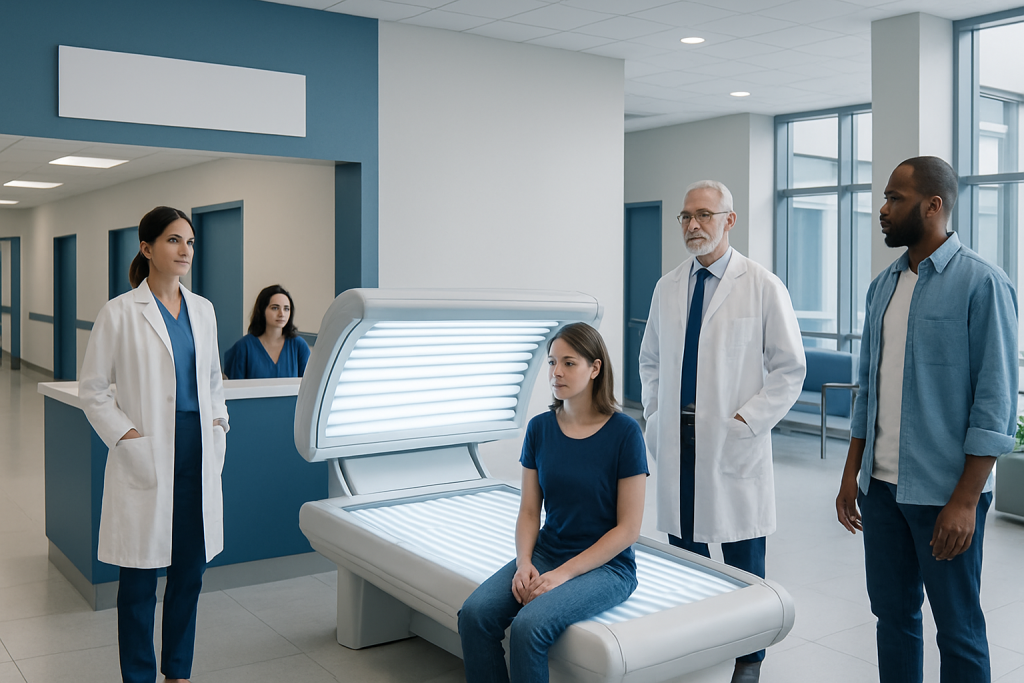
Indoor tanning devices emit ultraviolet radiation that can damage skin cells and DNA. A visible tan or burn indicates that the skin has been exposed to harmful UV radiation.
Key Takeaways
- Indoor tanning devices emit ultraviolet radiation that can damage skin cells and DNA.
- A visible tan or burn indicates that the skin has been exposed to harmful UV radiation.
- Tanning beds can increase the risk of melanoma and other forms of skin cancer, as well as early skin aging.
- Tanning beds are not a recommended or reliable way to meet vitamin D needs.
- New, changing or non-healing skin lesions should be assessed by a dermatologist.
Ultraviolet radiation tanning beds darken the skin by exposing it to concentrated UVA and sometimes UVB light, which triggers pigment production after cellular injury. A tan is not a sign of healthy skin, and there is no safe level of indoor tanning exposure because it can raise the risk of skin cancer, sun damage and eye injury.
Overview: What Are Ultraviolet Radiation Tanning Beds?
Ultraviolet radiation tanning beds are devices designed to darken the skin using artificial ultraviolet (UV) light. Most beds, booths and sunlamps emit mainly UVA radiation, although some also emit UVB radiation. UVA reaches deeper layers of the skin and contributes to tanning, wrinkles and long-term skin damage. UVB is more strongly associated with sunburn and can also damage DNA within skin cells.
The skin responds to UV exposure by producing more melanin, the pigment that gives skin its color. This response is often described as a tan, but it occurs because the skin is trying to protect itself from further injury. A tan does not provide meaningful protection from future UV exposure and should not be viewed as a healthy result.
Indoor tanning is different from medically supervised light therapy. Dermatologists may use carefully selected wavelengths and treatment schedules for conditions such as psoriasis or eczema. This is not equivalent to cosmetic tanning devices, which are not used to treat medical conditions and expose the skin to known carcinogenic UV radiation.
How UV Tanning Beds Work
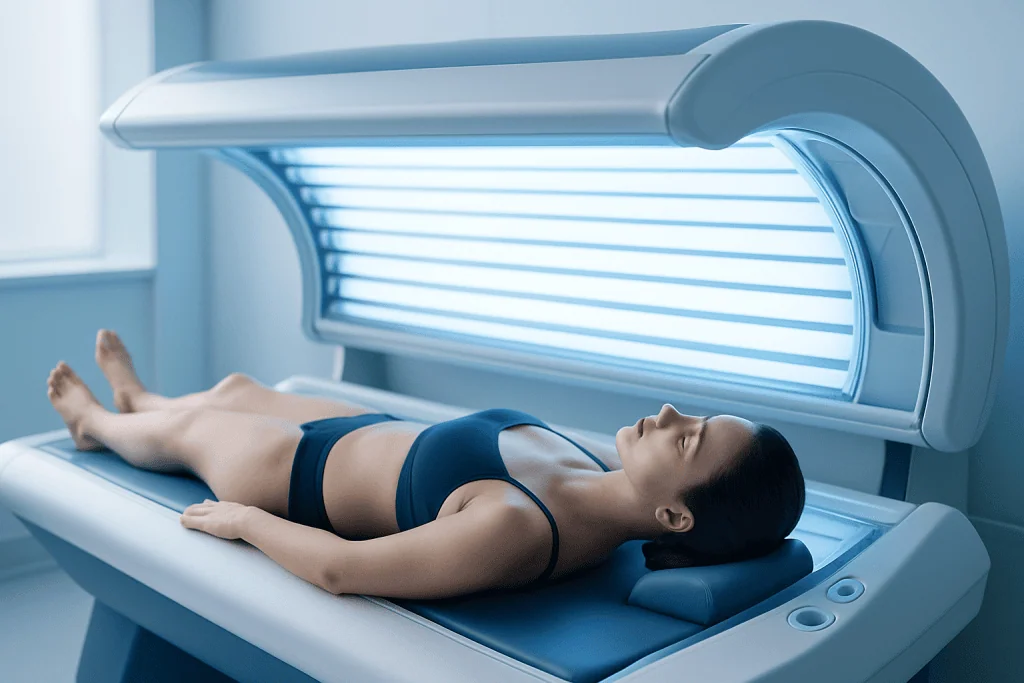
Tanning equipment uses lamps that produce UV radiation. In a lying-down bed, lamps are positioned above and below the body; in a standing booth, lamps surround the person. The amount and type of radiation vary among devices, lamp settings and maintenance practices, so a session time does not reliably indicate the actual UV dose received.
UVA can darken existing pigment relatively quickly and may produce a temporary darker appearance. It also penetrates deeply into the skin, where it contributes to collagen breakdown, uneven pigmentation and DNA damage. UVB encourages the production of new melanin and may cause redness or burning, sometimes with delayed symptoms that become clearer hours after exposure.
The effects of UV radiation are cumulative. Even when no burn occurs, repeated exposure can contribute to genetic changes in skin cells over time. People may not notice this damage immediately, which is one reason regular skin awareness and prevention are important.
How Bad Are UV Tanning Beds for You?
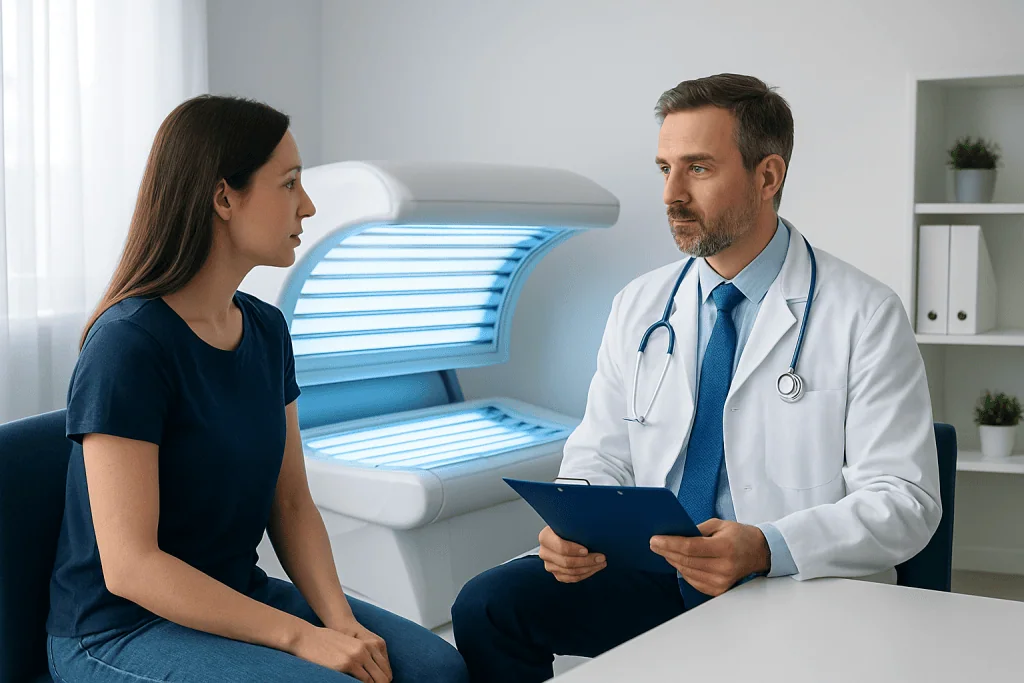
UV tanning beds can be harmful because they expose the skin and eyes to concentrated ultraviolet radiation. The International Agency for Research on Cancer classifies UV-emitting tanning devices as carcinogenic to humans. Indoor tanning is associated with a higher risk of melanoma, the most serious type of skin cancer, as well as basal cell carcinoma and squamous cell carcinoma.
In addition to cancer risk, repeated tanning can lead to premature skin aging. Common changes include wrinkles, leathery texture, visible small blood vessels, brown spots and uneven skin tone. UV exposure can also worsen some pigment changes and may interact with medicines or skin-care products that increase sensitivity to light.
Unprotected eyes are also vulnerable. UV exposure may cause painful inflammation of the cornea and can contribute over time to cataracts and other eye problems. Protective goggles specifically designed for tanning equipment reduce eye exposure but do not make indoor tanning safe for the skin or eliminate all risks.
People with a personal or family history of skin cancer, many moles, fair or easily burning skin, a weakened immune system, or a condition that makes them sensitive to light should discuss UV exposure with a clinician. For personalized assessment of suspicious lesions or changing moles, dermatology evaluation can help guide appropriate next steps.
Candidacy and What Happens During an Indoor Tanning Session
There is no medically recommended candidate for cosmetic UV tanning. Public-health organizations advise avoiding indoor tanning because no exposure schedule has been shown to be risk-free. In particular, children and adolescents should not use tanning beds, as early UV exposure adds to lifetime skin damage and is linked with later skin cancer risk.
A typical session involves selecting a device, removing makeup or products that may react with UV light, wearing protective eyewear and lying in a bed or standing in a booth while lamps operate for a set period. Staff may ask about skin type, previous tanning and medications, but these steps cannot accurately predict a safe dose or prevent long-term UV-related harm.
Skin may look temporarily darker after a session, especially with UVA exposure. Redness, warmth, dryness, itching or tenderness can develop later, particularly if the skin has been overexposed. A burn may take several hours to become noticeable and should be treated as a sign of skin injury rather than an expected part of tanning.
People seeking a cosmetic bronzed appearance may consider sunless tanning products instead. These products color the outer skin layer without UV radiation, although they do not provide sun protection. Broad-spectrum sunscreen, protective clothing and shade are still needed outdoors.
How Often Should You Use an UV Tanning Bed?
There is no safe or recommended frequency for using an UV tanning bed. Every session adds UV exposure, and the damage caused by UV radiation can accumulate even when the skin does not visibly burn. Spacing sessions apart does not remove the long-term risk.
Some commercial schedules may suggest gradual or repeated exposure based on skin type. These schedules are not a health recommendation and do not prevent skin cancer, photoaging or eye damage. People who already use tanning beds can reduce future risk by stopping indoor tanning and arranging a skin review if they have noticed new or changing marks.
For people concerned about their skin, a clinician may recommend regular self-checks and professional examinations based on individual risk factors. Learning about skin cancer warning signs can support earlier assessment of concerning changes.
What Does 10 Minutes in a Tanning Bed Equal?
There is no reliable single comparison between 10 minutes in a tanning bed and a certain amount of outdoor sunlight. UV output differs widely between tanning devices, lamp types, settings, maintenance schedules and the distance between the body and the lamps. Outdoor UV exposure also changes with season, altitude, cloud cover, time of day and location.
For these reasons, statements that a short indoor session equals a fixed number of minutes or hours in the sun can be misleading. A brief session may still deliver a substantial UV dose, and a person can experience significant cellular damage without immediate redness or discomfort.
Rather than using time as a measure of safety, it is more accurate to recognize that artificial UV tanning exposes the skin to avoidable radiation. Choosing sunless cosmetic products and using daily sun protection are safer ways to manage appearance while limiting UV-related harm.
Do You Get Vitamin D From a Tanning Bed?
Some tanning devices emit UVB radiation, which can stimulate vitamin D production in the skin. However, tanning beds are not recommended as a source of vitamin D because the UV exposure needed may also damage skin cells and increase the risk of skin cancer. Many devices primarily emit UVA, which is less effective for vitamin D production but still harmful to the skin.
Vitamin D can be obtained through food, fortified products and supplements when recommended by a healthcare professional. A blood test may be considered for people with symptoms or risk factors for deficiency, but testing and supplementation should be individualized rather than based on tanning habits.
A doctor, dietitian or endocrinology specialist can advise on safe vitamin D strategies, particularly for people with limited sun exposure, darker skin, digestive conditions affecting absorption, osteoporosis risk or known deficiency. Endocrinology care may be appropriate when hormone or metabolic factors need further assessment.
Recovery, Prevention and When to Seek Medical Care
After UV overexposure, the most important immediate step is to avoid further UV exposure while the skin recovers. Cool compresses, gentle fragrance-free moisturizers and adequate fluids may ease minor dryness or discomfort. A healthcare professional can advise on symptom relief if redness, pain or itching is significant. Avoid applying irritants, exfoliating products or further tanning to injured skin.
Seek urgent medical advice for severe blistering, extensive swelling, fever, dizziness, fainting, confusion, signs of dehydration, severe eye pain or vision changes. These symptoms may indicate a serious burn, heat-related illness or eye injury. Anyone with an unusual reaction after UV exposure, including widespread rash or hives, should also contact a clinician.
A dermatology appointment is appropriate for a mole or spot that is new, changing in size, shape or color, bleeding, itching persistently, or failing to heal. Regularly checking the skin from head to toe, including the scalp, nails, soles and between toes, can help people notice changes earlier. Acibadem International’s multidisciplinary specialists and JCI-accredited hospitals can assess skin concerns and support international patients who need dermatology care.
Long-term prevention focuses on avoiding tanning beds and reducing unnecessary UV exposure. Outdoors, use broad-spectrum sunscreen, wear protective clothing and sunglasses, seek shade when practical, and avoid intentional tanning. These measures help protect both skin health and eye health over time.
Frequently asked questions
Are UV tanning beds safer than sunlight?
No. Tanning beds expose the body to artificial UV radiation, which can damage skin cells and increase the risk of skin cancer and premature aging. The intensity and spectrum of UV radiation can vary between devices, so short session times do not ensure safety.
Can a tanning bed cause skin cancer after only one use?
Skin cancer usually develops after DNA damage accumulates over time, so one session does not mean a person will develop cancer. However, each UV exposure can contribute to cumulative damage, which is why avoiding further indoor tanning is recommended.
How bad are UV tanning beds for you?
UV tanning beds can increase the risk of melanoma, basal cell carcinoma and squamous cell carcinoma. They can also cause burns, premature wrinkles, uneven pigmentation and eye injury, even if a person does not burn during every session.
How often should you use an UV tanning bed?
There is no safe or medically recommended frequency for UV tanning bed use. Repeated sessions add cumulative UV damage, and avoiding indoor tanning is the most effective way to reduce that avoidable exposure.
What does 10 minutes in a tanning bed equal?
It cannot be accurately converted into a fixed amount of outdoor sun exposure. The UV dose depends on the device, lamp type, settings and maintenance, as well as many changing environmental factors outdoors.
Do you get vitamin D from a tanning bed?
Some devices that emit UVB may stimulate vitamin D production, but tanning beds are not a recommended way to obtain vitamin D because they also expose the skin to harmful UV radiation. Food sources, fortified foods and clinician-guided supplements are safer options when vitamin D intake is needed.
References
- World Health Organization
- International Agency for Research on Cancer
- American Academy of Dermatology
- United States Food and Drug Administration
- Centers for Disease Control and Prevention
This article is for general information only and is not a substitute for professional medical advice. Please consult a qualified doctor about your individual situation.
Oncology care in Turkey — second opinion and treatment plan
JCI-accredited · board-certified surgeons · reply within 24h
Add us as a Preferred Source to see more of our trusted health content across Google Search, AI Overviews and Discover.