Acoustic Neuroma Gamma Knife vs Surgery: Differences Explained
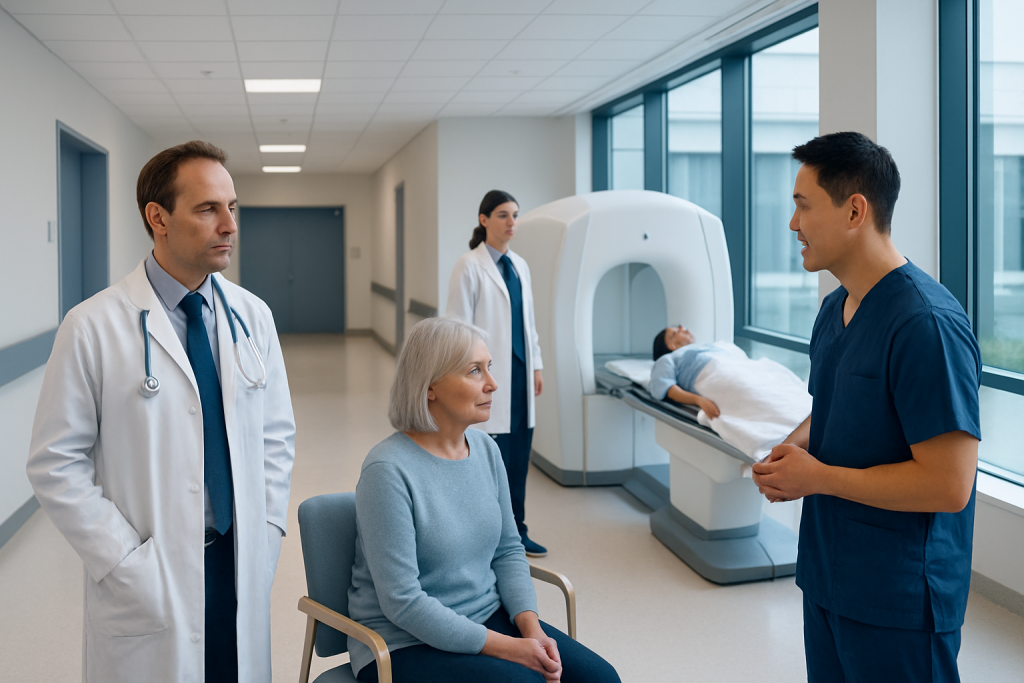
Gamma Knife radiosurgery treats the tumor with precisely focused radiation and does not remove it immediately. Microsurgery physically removes all or part of the acoustic neuroma and may be needed for large or compressive tumors.
Key Takeaways
- Gamma Knife radiosurgery treats the tumor with precisely focused radiation and does not remove it immediately.
- Microsurgery physically removes all or part of the acoustic neuroma and may be needed for large or compressive tumors.
- Both approaches aim to control tumor growth while protecting facial movement, balance, hearing, and brainstem function.
- Hearing preservation is not guaranteed with either treatment and depends on tumor features and hearing before treatment.
- Observation with scheduled MRI scans can be appropriate for some small, slow-growing tumors.
- Treatment decisions should be made by a multidisciplinary team experienced in vestibular schwannoma care.
For acoustic neuroma, Gamma Knife radiosurgery is often considered for small to medium tumors or tumors that are growing but do not require immediate removal, while microsurgery may be preferred for larger tumors, significant brainstem pressure, or selected symptoms. The best option is individualized after review by a neurotologist, neurosurgeon, radiation oncologist, and imaging specialists.
Acoustic neuroma Gamma Knife vs surgery: the main difference
Acoustic neuroma, also called vestibular schwannoma, is a usually noncancerous tumor that develops on the vestibular nerve, which carries balance signals from the inner ear to the brain. In comparing acoustic neuroma Gamma Knife vs surgery, the central difference is that Gamma Knife uses highly focused radiation to stop or slow tumor growth, whereas microsurgery aims to remove the tumor through an operation.
Neither option is automatically best for every person. The decision is guided by the tumor’s size and location, whether it is growing on serial MRI scans, pressure on the brainstem, hearing level, balance symptoms, age, general health, and personal priorities. For some people, careful observation is a safe first approach, especially when the tumor is small and not causing troublesome symptoms.
Gamma Knife is a type of stereotactic radiosurgery, despite its name; it does not involve an incision or a surgical knife. Surgery is an open procedure performed under general anesthesia. Both treatments require long-term follow-up because tumor behavior, hearing, balance, and nerve function may change over time.
How Gamma Knife radiosurgery works and who may be a candidate

Gamma Knife radiosurgery delivers many small beams of radiation that converge at the acoustic neuroma. Each individual beam has a low effect on the tissues it passes through, while the combined dose at the target is designed to damage tumor-cell DNA and limit further growth. The tumor usually remains in place and may shrink slowly, remain stable, or occasionally swell temporarily before stabilizing.
It is most often considered for small to medium-sized tumors, particularly when there is documented growth, when open surgery would carry higher medical risk, or when a person prefers a noninvasive option. It may also be used for a small residual or recurrent tumor after surgery. Very large tumors or tumors causing substantial brainstem compression commonly need surgery because radiation does not relieve pressure immediately.
Planning begins with detailed MRI imaging and sometimes CT imaging. On treatment day, a head frame or custom mask is used to keep the head still, and the clinical team creates a tailored radiation plan that seeks to protect nearby structures, including the facial nerve, hearing nerve, cochlea, and brainstem. Gamma Knife radiosurgery is typically delivered in one outpatient visit, although preparation and planning take several hours.
After treatment, most people return home the same day. Follow-up MRI scans are essential, often beginning several months after treatment and continuing periodically for years. Radiation control is assessed over time rather than immediately after the procedure.
How acoustic neuroma surgery works and who may be a candidate

Microsurgery removes an acoustic neuroma through a carefully planned skull-base operation performed under general anesthesia. Depending on tumor size, hearing status, anatomy, and the goals of treatment, the surgical team may use a retrosigmoid, translabyrinthine, or middle fossa approach. These approaches provide different routes to the tumor and have different implications for hearing preservation.
Surgery is commonly recommended when a tumor is large, is pressing on the brainstem, is associated with hydrocephalus, or is causing symptoms that require more rapid decompression. It can also be appropriate for a growing tumor in a person for whom complete or near-complete removal is the preferred strategy. In some cases, surgeons intentionally leave a small portion attached to an important nerve to reduce the risk of nerve injury; this remaining tissue can later be observed or treated with focused radiation if needed.
The operation is performed by a team that may include a neurosurgeon and neurotologist or otologic surgeon. During surgery, specialized monitoring may be used to help protect facial nerve function and, where possible, hearing. Acoustic neuroma surgery requires a hospital stay and a longer recovery period than radiosurgery.
Initial recovery may involve fatigue, headache, dizziness, nausea, and reduced balance. Many people benefit from gradual activity increases and vestibular rehabilitation, which helps the brain adapt to changes in balance signals. Recovery varies substantially according to tumor size, surgical approach, and an individual’s health before surgery.
What are the potential downsides of gamma knife surgery?
The phrase “Gamma Knife surgery” can be misleading because the treatment is radiation, not open surgery. Its main limitation is that it usually does not remove the tumor or relieve pressure immediately. This makes it less suitable for large tumors that are compressing the brainstem or causing serious neurologic problems.
Potential effects include temporary fatigue, headache, scalp tenderness from the frame when one is used, and short-term worsening of dizziness or imbalance. In some people, the tumor and surrounding tissues can swell after treatment, which may temporarily increase symptoms and occasionally requires medicines or closer monitoring.
There is also a possibility of delayed hearing decline, balance difficulty, facial numbness related to trigeminal nerve irritation, or less commonly facial weakness. Although focused radiation is designed to limit exposure to surrounding tissue, it cannot guarantee preservation of hearing or nerve function. Tumor control is generally evaluated over years, so follow-up imaging remains important.
Rarely, a tumor can continue growing after radiosurgery and require additional treatment. A small risk of radiation-related changes to nearby tissues exists, but modern planning is designed to minimize it. The care team reviews individual anatomy, tumor volume, prior treatment, and hearing status before recommending radiosurgery.
How risky is acoustic neuroma surgery?
Acoustic neuroma surgery is a specialized procedure, and its risks depend strongly on tumor size, tumor position, surgical approach, medical conditions, and the experience of the skull-base team. Surgery can provide immediate decompression and tissue removal, but it has greater short-term physical recovery demands than radiosurgery.
Possible risks include hearing loss, facial weakness, facial numbness, dizziness, balance problems, headache, cerebrospinal fluid leak, infection, bleeding, and complications related to anesthesia. Injury to nearby nerves or blood vessels is uncommon but can be serious. Larger tumors are generally more technically complex and may carry a higher risk of affecting facial nerve function or balance.
Hearing preservation may be possible for some smaller tumors when useful hearing is present before surgery, but it cannot be promised. A translabyrinthine approach sacrifices hearing in the operated ear but may be selected when hearing is already poor or when it offers the safest route. Facial nerve recovery, when weakness occurs, may take weeks to months and sometimes requires further supportive care.
Before an operation, the team discusses the expected benefits, realistic risks, alternatives, and the possibility that a planned complete removal may be adjusted during surgery to protect vital nerve function. Seeking care from a multidisciplinary skull-base program can help ensure that treatment planning reflects the full range of options.
Is radiation or surgery better for acoustic neuroma?
Radiation is not universally better than surgery, and surgery is not universally better than radiation. For a small or medium growing tumor without major pressure effects, Gamma Knife may offer a convenient, noninvasive way to achieve long-term growth control with little interruption to daily life. For a large tumor or one causing brainstem compression, surgery is often the more appropriate option because it can reduce the mass effect directly.
Hearing is an especially important consideration, but no approach guarantees hearing preservation. Hearing may decline because of the tumor itself, surgery, or delayed effects after radiation. The likelihood of retaining useful hearing is influenced by hearing at diagnosis, tumor size, tumor contact with the cochlea and hearing nerve, and the chosen treatment strategy.
Observation is also an active management choice rather than “doing nothing.” Small tumors that are not growing and are causing few symptoms may be monitored with regular hearing assessments and MRI scans. If growth or symptoms develop, the plan can be reconsidered. Learn more about acoustic neuroma and the role of ongoing monitoring in treatment decisions.
A balanced recommendation should include the advantages and limitations of observation, radiosurgery, and microsurgery. Individual preferences matter: one person may prioritize avoiding an open operation, while another may prefer removal of a large tumor or wish to avoid the uncertainty of delayed radiation response.
What is the new treatment for acoustic neuroma?
There is no single new treatment that has replaced observation, microsurgery, or stereotactic radiosurgery for acoustic neuroma. Important advances are improving how these established treatments are planned and delivered, including high-resolution MRI, refined radiation planning, facial nerve monitoring, minimally disruptive surgical techniques, and vestibular rehabilitation.
For selected tumors, planned combined treatment has become an important modern strategy. A surgeon may remove enough of a large tumor to relieve pressure while deliberately preserving a small portion closely attached to the facial nerve. If that residual tumor later grows, it may be managed with focused radiosurgery. This approach is individualized and is not necessary for every patient.
Medicines are not currently standard treatment for most sporadic acoustic neuromas. Drug research is more relevant in people with neurofibromatosis type 2-related schwannomatosis, who may develop tumors on both sides or have additional nerve tumors. Clinical trials may be appropriate for some patients, but eligibility and potential benefits vary.
Newer technology does not eliminate the need for experienced clinical judgment. The most suitable approach still depends on careful review of MRI findings, hearing and balance testing, symptoms, overall health, and treatment goals.
Recovery, follow-up, and when to seek medical care
Recovery after Gamma Knife is usually rapid, with many people returning to usual light activities within a day or two. However, the treatment effect develops gradually, and MRI surveillance is needed to confirm that the tumor is stable or shrinking. After microsurgery, recovery is longer and may include a hospital stay, several weeks of reduced activity, and rehabilitation for dizziness or balance where needed.
People should contact their medical team promptly if they develop new or rapidly worsening facial weakness, severe or persistent headache, repeated vomiting, confusion, a sudden marked change in balance, clear fluid leaking from the nose or incision after surgery, fever, or signs of wound infection. Sudden hearing changes, new facial numbness, or worsening dizziness also merit clinical advice, even when they are not emergencies.
Anyone with one-sided hearing loss, persistent ringing in one ear, unexplained imbalance, or progressive dizziness should arrange a medical assessment. These symptoms have many possible causes, but a hearing test and appropriate imaging can help identify whether an acoustic neuroma or another condition is involved.
At Acibadem International, multidisciplinary specialists at JCI-accredited hospitals can assess acoustic neuroma and discuss observation, radiosurgery, surgery, and rehabilitation options for international patients. A coordinated review involving neurotology, neurosurgery, radiation oncology, radiology, and audiology supports an individualized plan.
Frequently asked questions
What is the main difference between Gamma Knife and surgery for acoustic neuroma?
Gamma Knife radiosurgery uses focused radiation to control tumor growth without removing the tumor. Microsurgery physically removes all or part of the tumor and may be needed when the tumor is large or compressing nearby brain structures. Both options require follow-up, but their recovery periods and short-term goals differ.
Can Gamma Knife remove an acoustic neuroma?
No. Gamma Knife does not remove the tumor during treatment. Its purpose is to stop or slow further growth, and the tumor may shrink gradually over time, remain stable, or sometimes temporarily swell before settling.
Which treatment has the shorter recovery time?
Gamma Knife generally has the shorter immediate recovery time because it does not involve an incision or general anesthesia. Most people go home the same day. Microsurgery requires hospitalization and a longer recovery, particularly for fatigue, dizziness, and balance adaptation.
Can hearing be preserved with Gamma Knife or surgery?
Hearing preservation may be possible with either approach, especially when useful hearing is present before treatment and the tumor is relatively small. However, neither radiosurgery nor surgery can guarantee hearing will remain unchanged. Hearing can also decline over time because of the tumor itself.
Is it safe to watch an acoustic neuroma without treatment?
For some small tumors that are not growing and are causing limited symptoms, observation with regular MRI scans and hearing tests is a safe, appropriate strategy. If imaging shows growth or symptoms become more troublesome, treatment can be reconsidered. Monitoring schedules should be set by the treating clinician.
Will an acoustic neuroma grow back after surgery?
If the tumor is completely removed, recurrence is uncommon but long-term follow-up may still be recommended. If a small portion is intentionally left to protect an important nerve, it may remain stable for years or grow later. MRI scans help guide whether further observation, radiosurgery, or rarely another operation is needed.
References
- National Institute on Deafness and Other Communication Disorders
- American Association of Neurological Surgeons
- Congress of Neurological Surgeons
- Mayo Clinic
- National Cancer Institute
This article is for general information only and is not a substitute for professional medical advice. Please consult a qualified doctor about your individual situation.
Gamma Knife in Turkey — costs, top hospitals & a free quote
JCI-accredited · board-certified surgeons · reply within 24h
Add us as a Preferred Source to see more of our trusted health content across Google Search, AI Overviews and Discover.

Neurology
Diagnosis and treatment of disorders of the brain, spinal cord, nerves and muscles.
51 specialists in this unit