Best Glaucoma Treatment in the World: How It Works, Results and What to Expect

Glaucoma-related vision loss cannot usually be restored, but timely treatment can often slow or prevent further damage. Eye drops are commonly the first treatment; laser procedures and surgery may be recommended when pressure remains above the individual target.
Key Takeaways
- Glaucoma-related vision loss cannot usually be restored, but timely treatment can often slow or prevent further damage.
- Eye drops are commonly the first treatment; laser procedures and surgery may be recommended when pressure remains above the individual target.
- The most appropriate option depends on the glaucoma type, severity, eye pressure, optic nerve health, anatomy and ability to use treatment consistently.
- Newer approaches include sustained-release medications, minimally invasive glaucoma surgery and improved laser techniques, but they are not suitable for every person.
- Regular follow-up is essential because glaucoma may progress without noticeable symptoms.
The best glaucoma treatment in the world is not one single procedure or medicine. It is a personalized plan that safely lowers intraocular pressure, protects the optic nerve and includes lifelong monitoring by an experienced glaucoma specialist.
Overview: What Is the Best Glaucoma Treatment in the World?
The best glaucoma treatment in the world is the treatment plan that lowers pressure inside the eye to a safe, individualized level while preserving vision and fitting the person’s type and stage of glaucoma. There is no universal “best” medicine, laser or operation because glaucoma includes several conditions, and each eye can respond differently to treatment.
Glaucoma damages the optic nerve, which carries visual information from the eye to the brain. Raised intraocular pressure is an important and treatable risk factor, although some people develop glaucoma even when measured pressure is within the usual range. Treatment aims to reduce the risk of further optic nerve damage; it does not usually reverse vision already lost.
Effective care combines accurate diagnosis, a target eye-pressure goal, appropriate treatment and regular reassessment. A person may begin with drops or laser treatment and later need a different approach if pressure, visual-field testing or optic nerve imaging indicates that the disease is progressing.
How Glaucoma Treatment Works
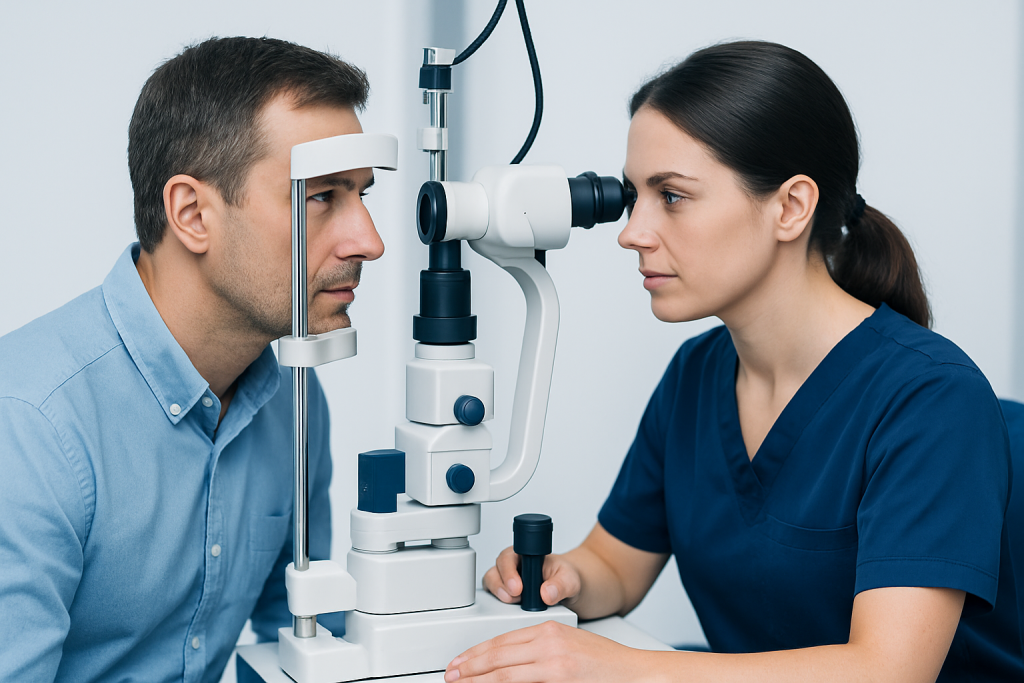
Eye pressure is determined by the balance between production and drainage of aqueous humor, the clear fluid inside the front of the eye. Glaucoma treatment lowers pressure either by reducing fluid production, improving its drainage or creating a new drainage pathway. Reducing pressure helps protect the optic nerve, even in normal-tension glaucoma.
Prescription eye drops are often used first. Different classes of drops work in different ways, and some people need more than one medication. A clinician considers eye pressure, other health conditions, possible side effects, manual dexterity, cost and the person’s ability to use drops consistently when selecting treatment.
Laser procedures can improve the eye’s natural drainage or, in certain forms of glaucoma, relieve a narrowed drainage angle. Surgery may be appropriate when medication and laser treatment do not achieve the target pressure, when glaucoma is advanced, or when a person is undergoing cataract surgery and may benefit from a combined approach.
What Is the Most Successful Treatment for Glaucoma?
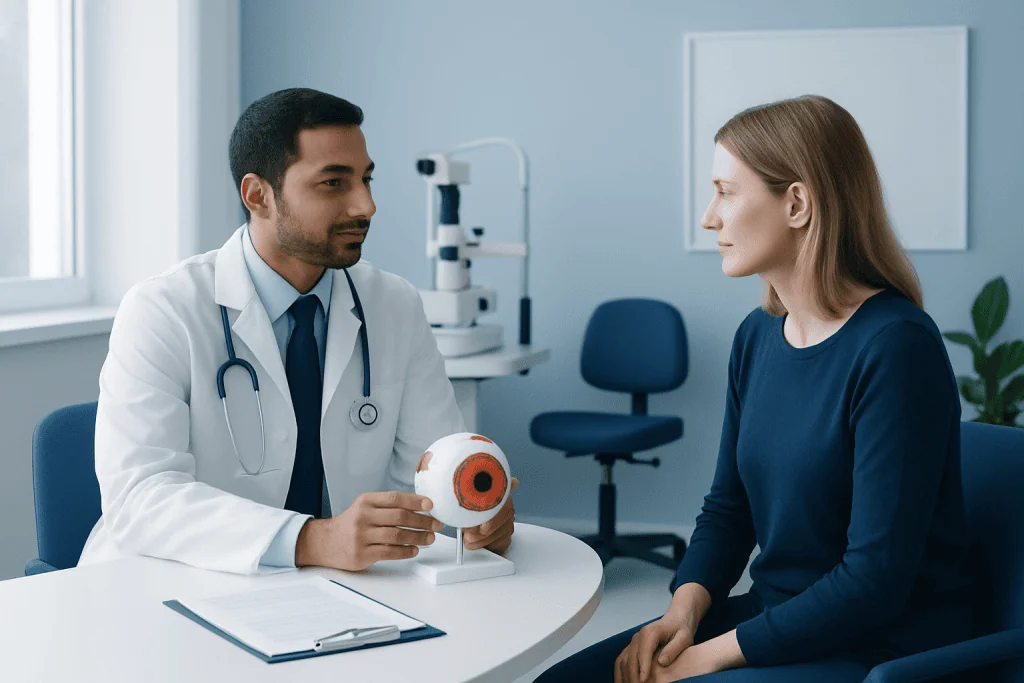
The most successful treatment for glaucoma is the one that achieves and maintains the person’s target eye pressure with acceptable side effects and reliable follow-up. Success is measured by pressure control and stability of the optic nerve and visual field over time, rather than by a single pressure reading or one procedure alone.
For many people with open-angle glaucoma, eye drops, selective laser trabeculoplasty (SLT), or a combination of both can provide effective pressure reduction. SLT uses brief pulses of laser energy on the drainage tissue of the eye and may be used as an initial option or alongside drops. Its effect can lessen over time, and repeat treatment may sometimes be considered.
When lower pressure is needed, filtering surgery such as trabeculectomy, glaucoma drainage devices and selected minimally invasive glaucoma surgery (MIGS) procedures can be highly effective. Each has different expected pressure reduction, recovery requirements and risks. The right procedure should be chosen after a detailed discussion with an ophthalmologist experienced in glaucoma care.
Candidacy and Choosing Between Drops, Laser and Surgery
Appropriate treatment depends first on the glaucoma diagnosis. Open-angle glaucoma, angle-closure glaucoma, normal-tension glaucoma, secondary glaucoma and childhood glaucoma require different assessments and may require different treatments. An urgent angle-closure attack is a medical emergency and is managed differently from slowly progressive open-angle glaucoma.
Doctors also consider the degree of optic nerve damage, results of visual-field tests, measured eye pressure over time, corneal thickness, drainage-angle appearance, lens status and previous eye surgery. Personal factors matter as well, including pregnancy plans, medication tolerance, arthritis or tremor that makes drops difficult, work demands and the ability to attend follow-up appointments.
People with cataracts and mild-to-moderate open-angle glaucoma may be candidates for a glaucoma procedure performed alongside cataract surgery. However, MIGS procedures generally do not lower pressure as much as traditional filtering surgery, so they may not be sufficient for advanced glaucoma. A tailored discussion helps establish realistic goals and select the safest suitable option.
What to Expect: Laser and Glaucoma Surgery Step by Step
Before a laser procedure or surgery, the ophthalmology team reviews the diagnosis, medications, eye measurements and general medical history. The eye is examined in detail, and the doctor explains expected benefits, alternatives and possible complications. Instructions may include whether to continue routine eye drops and when to arrange transport home.
For SLT, numbing drops are placed in the eye and a special contact lens is used to guide the laser. The treatment usually takes only a few minutes. Vision may be temporarily blurred afterward, and the eye pressure is checked according to the clinician’s plan. Pressure reduction often develops over the following weeks rather than immediately.
For incisional glaucoma surgery, the procedure is commonly performed with local anesthesia and sedation or, in some cases, general anesthesia. A trabeculectomy creates a controlled drainage route beneath the eyelid, while a drainage device uses a small tube to direct fluid to a reservoir. MIGS uses small devices or techniques to improve drainage, often during cataract surgery. Postoperative visits are especially important because healing influences the final outcome.
For people exploring specialist assessment and procedural options, glaucoma treatment should be planned after a complete eye examination and discussion of individual goals.
Recovery Timeline, Benefits and Risks
Recovery differs by treatment. After laser therapy, most people return to usual light activities quickly, although temporary redness, light sensitivity or blurred vision can occur. The doctor may prescribe short-term anti-inflammatory drops and will schedule pressure checks because pressure can occasionally rise soon after treatment.
After glaucoma surgery, vision can be blurred for days to weeks, and full visual recovery may take longer depending on the operation and whether cataract surgery was also performed. People are usually advised to avoid eye rubbing, heavy lifting, swimming and strenuous activity for a period set by their surgeon. Antibiotic and anti-inflammatory drops are often part of recovery care.
The benefit of treatment is a lower risk of further glaucoma damage through better pressure control. Possible risks vary by procedure and include inflammation, infection, bleeding, too-low or too-high eye pressure, scarring, cataract progression, need for additional treatment and, rarely, serious vision loss. Prompt reporting of worsening pain, increasing redness, marked decrease in vision or discharge is important.
Even after a successful procedure, glaucoma follow-up remains lifelong. Some people still need drops, further laser treatment or another operation to keep pressure at the desired level.
What Is the New Breakthrough for Glaucoma?
There is no single breakthrough that cures glaucoma or restores an injured optic nerve. Progress is occurring in several areas: longer-acting medication delivery systems, more refined laser strategies, minimally invasive surgical techniques, improved imaging and research into neuroprotection and optic nerve regeneration.
Sustained-release drug delivery aims to reduce the burden of daily eye drops for selected patients. These treatments may release medication over an extended period, but they have specific eligibility criteria and safety considerations. They are not a replacement for regular monitoring, and availability differs by country and health system.
MIGS has expanded surgical options for some people, particularly those with mild-to-moderate open-angle glaucoma undergoing cataract surgery. It can offer a less invasive route to moderate pressure reduction and reduced medication use in appropriate cases. Traditional surgery remains important for eyes requiring a larger or more reliable pressure reduction.
Advanced optical coherence tomography, visual-field testing and home-monitoring research may help identify progression earlier. These tools support clinical decisions but do not replace comprehensive examinations by an ophthalmologist.
What Is the New Glaucoma Treatment for 2026?
As of 2026, there is no newly established treatment that can be described as the best new glaucoma therapy for every person. Glaucoma care continues to evolve through newly approved medicines in some regions, sustained-release delivery systems, laser approaches and surgical devices, but approvals and availability vary internationally.
The most meaningful development for an individual is often not a brand-new technology but a more precise treatment plan based on disease severity, pressure pattern and likelihood of adherence. A glaucoma specialist can explain whether a newer option has suitable evidence for that person’s condition and whether established treatments may offer better expected results.
Patients should be cautious about claims that a device, supplement or non-prescription approach can cure glaucoma. Treatments should be supported by appropriate clinical evidence and should never replace prescribed medication or scheduled monitoring without the prescribing clinician’s guidance.
Where Is the Best Place in the World to Treat Glaucoma?
The best place to treat glaucoma is a center with qualified ophthalmologists, access to reliable diagnostic testing, experience with medical, laser and surgical options, and a clear plan for long-term follow-up. The country or hospital name alone cannot determine quality, because the right care depends on the individual’s diagnosis, the expertise available and continuity of care after treatment.
When considering care away from home, patients can ask whether the center performs optic nerve imaging and visual-field testing, offers laser and surgical options when needed, explains expected follow-up, communicates with the patient’s local eye doctor and provides clear records for continuing care. Travel should not delay assessment of urgent symptoms or disrupt essential postoperative reviews.
Acibadem International’s multidisciplinary specialists and JCI-accredited hospitals provide glaucoma assessment and treatment planning for international patients. Care should always include arrangements for ongoing monitoring, whether performed locally or through coordinated follow-up.
When to Seek Medical Care
Anyone diagnosed with glaucoma should attend follow-up visits even if vision seems unchanged. Open-angle glaucoma often causes no noticeable symptoms until damage is more advanced, so regular pressure measurements, optic nerve assessment and visual-field testing are central to protecting vision.
Urgent medical evaluation is needed for sudden severe eye pain, a red eye, blurred vision, halos around lights, headache, nausea or vomiting. These symptoms can occur with acute angle closure or other serious eye problems and should not be managed at home.
A prompt appointment is also appropriate for new peripheral vision changes, difficulty adjusting to low light, a sudden change in vision, or troublesome side effects from glaucoma medication. People with a family history of glaucoma, diabetes, previous eye injury, long-term steroid use or increasing age should ask an eye-care professional about appropriate screening.
Frequently asked questions
Can glaucoma be cured?
Glaucoma cannot currently be cured, and vision already lost from optic nerve damage is usually not recoverable. However, treatment can often lower eye pressure and substantially reduce the chance of further vision loss. Lifelong monitoring remains important even when pressure is well controlled.
Are eye drops or laser treatment better for glaucoma?
Neither is automatically better for every person. Eye drops are effective when used consistently, while laser treatment can be an effective first option or an alternative for people who have difficulty with drops. The choice depends on glaucoma type, pressure target, eye anatomy, medical history and personal preferences.
Does laser glaucoma treatment hurt?
Laser treatment is usually performed with anesthetic eye drops, so most people feel little more than mild pressure or brief discomfort. The eye may feel irritated or vision may be blurry for a short time afterward. The treating clinician can explain what to expect for the specific laser procedure.
How long does glaucoma surgery last?
The duration of pressure lowering after surgery varies by procedure, healing response and glaucoma type. Some people maintain good control for many years, while others need drops, laser treatment, adjustments or additional surgery later. Regular follow-up helps detect changes before significant damage occurs.
Can glaucoma worsen even when eye pressure is normal?
Yes. Some people have normal-tension glaucoma, in which optic nerve damage occurs despite pressure readings within the usual range. Others may have pressure fluctuations or a target pressure that needs to be lower than initially expected. This is why optic nerve imaging and visual-field testing are used alongside pressure measurements.
What should a person avoid after glaucoma surgery?
The surgeon will provide individualized instructions, but patients commonly need to avoid rubbing the eye, heavy lifting, strenuous activity and swimming during early healing. It is important to use prescribed drops exactly as directed and attend every postoperative visit. Sudden pain, worsening redness, discharge or a significant decline in vision requires urgent contact with the eye-care team.
References
- American Academy of Ophthalmology
- National Eye Institute
- Glaucoma Research Foundation
- European Glaucoma Society
- World Glaucoma Association
This article is for general information only and is not a substitute for professional medical advice. Please consult a qualified doctor about your individual situation.
Glaucoma in Turkey — costs, top hospitals & a free quote
JCI-accredited · board-certified surgeons · reply within 24h
Add us as a Preferred Source to see more of our trusted health content across Google Search, AI Overviews and Discover.

Ophthalmology
Comprehensive eye care from laser vision correction to retina, cornea and cataract surgery.
75 specialists in this unit