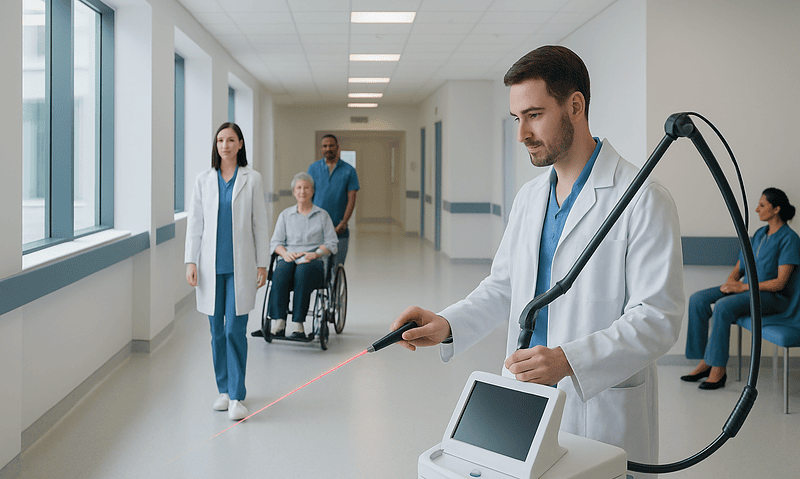
Physical Therapy after Brain Surgery: Procedure, Recovery and Results

Rehabilitation needs vary according to the reason for surgery, the brain area involved and a person’s condition before surgery. Physical therapy may begin in hospital with safe positioning, breathing exercises, sitting, standing and short walks.
Key Takeaways
- Rehabilitation needs vary according to the reason for surgery, the brain area involved and a person’s condition before surgery.
- Physical therapy may begin in hospital with safe positioning, breathing exercises, sitting, standing and short walks.
- Recovery is often gradual, and progress may continue for weeks, months or longer after surgery.
- Physical therapists work alongside neurosurgeons, nurses, occupational therapists, speech therapists and other specialists.
- New neurological symptoms, wound concerns or sudden severe headaches require prompt medical assessment.
Physical therapy after brain surgery is an individualized rehabilitation process that can help a person safely regain mobility, balance, strength and confidence with everyday activities. The program begins when medically appropriate and changes as healing, symptoms and personal goals evolve.
Overview: How Physical Therapy After Brain Surgery Helps
Physical therapy after brain surgery helps a person recover physical function safely after an operation on the brain. It may address walking, balance, muscle weakness, coordination, endurance, transfers such as getting in and out of bed, and confidence with daily movement. The exact plan depends on why surgery was needed, such as a brain tumor, bleeding, epilepsy, vascular condition, infection or injury, as well as the location and extent of the procedure.
Rehabilitation is not a single standard procedure. A physical therapist assesses current abilities, symptoms, pain, fatigue, fall risk and home needs, then sets practical goals with the patient and care team. Some people need only short-term guidance while others benefit from more intensive outpatient, home-based or inpatient neurological rehabilitation.
Physical therapy is one part of wider recovery. Depending on individual needs, occupational therapy can support self-care and hand function, speech and language therapy can address communication or swallowing, and neuropsychological support can help with thinking, mood or adjustment. A coordinated plan helps recovery remain focused on meaningful daily activities.
Who May Need Rehabilitation After Brain Surgery?
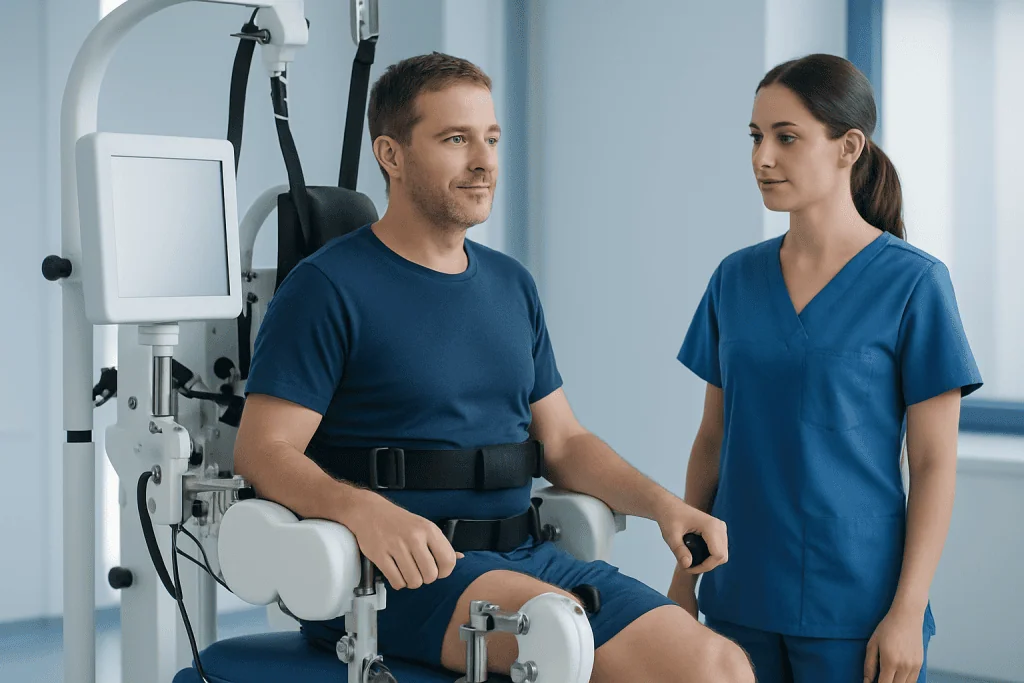
Many people are assessed by a physical therapist after brain surgery, even if they were active before the operation. Early assessment can identify temporary changes in strength, balance, alertness or walking safety. It can also provide advice on gradually increasing activity and reducing the risk of falls during the first stage of recovery.
More structured therapy is often recommended when surgery or the underlying condition has affected movement or coordination. This can include weakness on one side of the body, difficulty walking, dizziness, reduced stamina, changes in posture, tremor, poor balance, visual-spatial difficulties or reduced ability to manage stairs. People who have experienced a stroke-like event or prolonged hospital stay may have additional rehabilitation needs.
Candidacy is based on medical stability and individual goals rather than age alone. The neurosurgical team considers wound healing, blood pressure, seizure risk, pain control, alertness and any restrictions related to the operation. Therapy activities are adjusted carefully if a person has headaches, fatigue, nausea, neurological symptoms or other postoperative concerns.
How Does Physical Therapy Work After Brain Surgery?
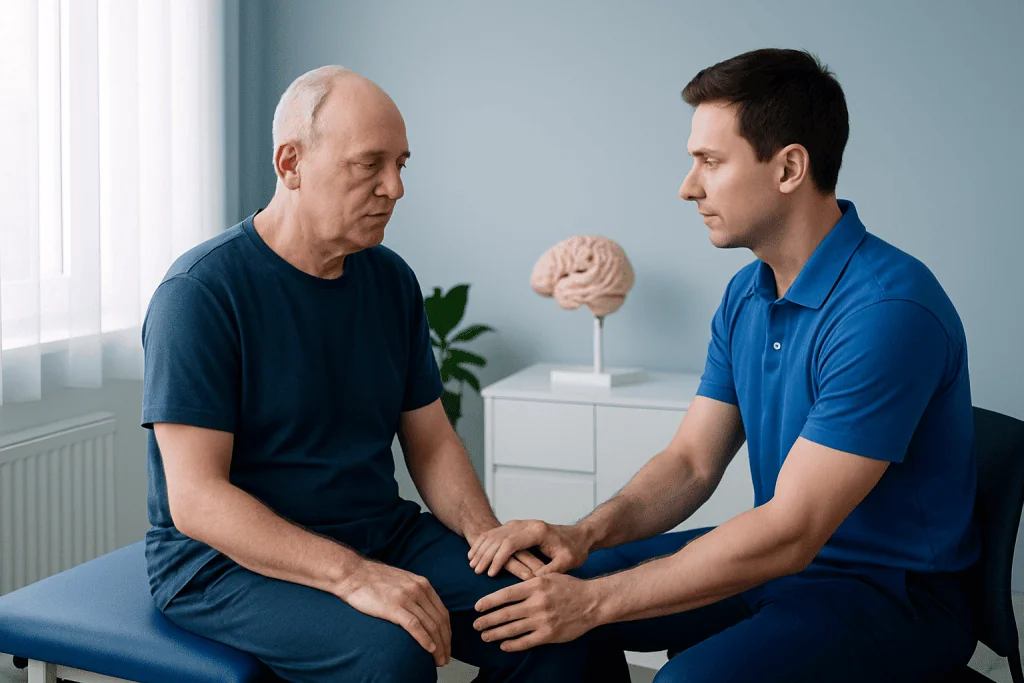
The first session usually starts with a conversation and functional assessment. The therapist may check how safely the person can roll, sit up, stand, transfer to a chair, walk and manage steps. They may also evaluate strength, range of movement, balance, coordination, sensation, posture, breathing and tolerance for activity. This information supports a realistic and measurable plan.
In the early phase, treatment commonly focuses on safe positioning, gentle movement, circulation exercises, sitting balance and gradual mobilization. When appropriate, the therapist may guide short walks using support equipment such as a walker or cane. Education for family members or caregivers may include safe assistance techniques and ways to make the home environment easier to navigate.
As recovery progresses, sessions may include gait training, balance practice, strengthening, endurance work, stair practice and task-specific exercises. Therapy should challenge the person without causing unsafe symptoms or excessive exhaustion. A home exercise plan may be provided, but it should be followed only as advised by the treating team.
For people who need comprehensive neurological rehabilitation, a program may also incorporate occupational, speech and swallowing, cognitive and psychological support. Physical therapy and rehabilitation can be adapted to changing goals, whether the priority is returning home, resuming work, caring for family or participating in valued activities.
A Step-by-Step Recovery Timeline
Immediately after surgery, recovery begins in a monitored setting where the medical team watches neurological function, breathing, blood pressure, pain and the surgical wound. The time needed to become fully alert varies considerably. Once it is medically safe, early movement may begin with simple tasks such as changing position in bed, sitting at the edge of the bed or transferring to a chair.
During the first days in hospital, physical therapy often prioritizes preventing complications of immobility and assessing safe mobility. The pace depends on the type of operation, postoperative findings and individual energy levels. Some people can walk short distances quickly, while others need more assistance or a longer period of observation.
In the weeks after discharge, rehabilitation may continue at home, in an outpatient clinic or at an inpatient rehabilitation center. Improvements in balance, walking endurance and independence may happen gradually. Fatigue is common and can fluctuate, so therapy plans usually include rest periods and gradual progression rather than rapid increases in activity.
Over subsequent months, the focus may shift toward higher-level balance, community mobility, work-related demands or recreational activities. Recovery is not always linear; some days may feel more difficult than others. Follow-up appointments help the team review progress, medications, imaging results and any continuing symptoms.
Benefits, Limitations and Possible Risks
The main potential benefits of physical therapy after brain surgery are safer mobility, improved balance, stronger movement patterns, better endurance and greater independence with daily activities. Early guided mobility may also reduce the effects of prolonged bed rest, including deconditioning and loss of confidence. Therapy can help patients and families understand which symptoms are expected during recovery and which should be reported.
Results differ between individuals. They are influenced by the original condition, the type and location of surgery, complications, pre-existing health conditions, neurological function before surgery and access to ongoing support. Therapy cannot guarantee a complete return to previous abilities, but it can help a person make the most of their recovery potential and adapt safely to lasting changes if they occur.
Physical activity after brain surgery should be introduced carefully. Overexertion may worsen fatigue, dizziness, pain or headaches, and falls can cause injury. The therapist may modify or pause an activity if symptoms appear. Patients should not independently start strenuous exercise, lifting, driving or contact activities until their neurosurgical team says it is safe.
What Are Some Tips for Recovery After Brain Surgery?
Recovery after brain surgery is supported by following the discharge instructions closely, attending follow-up appointments and taking prescribed medicines exactly as directed. Rest is important, but long periods of inactivity may not be helpful when gentle movement has been approved. A gradual routine that alternates activity with planned rest can help manage fatigue.
A person should keep the incision clean and dry according to the surgical team’s instructions and avoid touching or applying products to the wound unless advised. Good hydration, regular nutritious meals and adequate protein can support overall healing. Family members may help by reducing trip hazards, ensuring good lighting, organizing frequently used items within reach and encouraging safe use of mobility aids.
It can be useful to keep a simple record of headaches, dizziness, fatigue, mobility changes, seizure activity or medication side effects. This gives clinicians clearer information at follow-up visits. Emotional changes, sleep disruption and uncertainty are also common after major surgery, and discussing these concerns with the care team can lead to helpful support.
- Follow lifting, exercise, driving and bathing restrictions provided by the surgeon.
- Use walking aids or supervision when recommended, especially on stairs or uneven ground.
- Build activity slowly and stop if symptoms are sudden, severe or concerning.
- Ask the rehabilitation team before changing exercises or returning to sport.
Can You Be the Same After Brain Surgery?
Many people return to much of their previous routine after brain surgery, particularly when the operation and recovery are uncomplicated. However, it is not possible to predict the outcome for every individual. The brain area involved, the condition treated, the need for additional therapies and each person’s general health all influence recovery.
Some changes are temporary, including tiredness, headaches, slower thinking, reduced stamina or mild balance difficulties. Others may need longer-term management, such as weakness, speech changes, seizures, visual changes or difficulties with concentration and emotional regulation. Rehabilitation and regular follow-up aim to improve function while identifying ongoing needs early.
It may be more helpful to think of recovery as returning to a meaningful and independent life rather than expecting an identical experience to before surgery. Goals can be revised as recovery progresses. The care team can advise about return to work, education, driving, travel and physical activity based on the individual clinical situation.
How Does the Skull Heal After Brain Surgery?
In many brain operations, a surgeon performs a craniotomy, temporarily removing a section of skull bone to access the brain and then securing it back in place at the end of surgery. The scalp incision and soft tissues heal first, while the bone flap gradually becomes stable as surrounding tissues heal. The exact healing process depends on the surgical technique, the reason for surgery and whether the original bone was replaced.
In some circumstances, the skull bone is not immediately replaced, such as after a decompressive craniectomy performed to allow for brain swelling. A later reconstructive operation, called cranioplasty, may be considered when the medical team decides it is appropriate. The surgeon will explain any specific precautions needed to protect the surgical area.
Until the team confirms healing, patients should avoid pressure, impact and activities that may risk a head injury. They should attend wound checks and report redness, swelling, drainage, fever or increasing tenderness around the incision. Individual guidance about helmets, sleeping position, hair care and returning to exercise should come from the neurosurgical team.
How Long Does It Typically Take to Wake Up After Brain Surgery?
After brain surgery, many patients begin waking in the recovery area within hours as anesthesia medicines wear off. However, the time needed to become fully alert and able to communicate clearly can vary. Factors include the length and complexity of surgery, anesthesia medicines, pain-relieving medication, swelling, seizures, pre-existing neurological problems and the person’s overall medical condition.
In some operations, the care team may intentionally keep a patient sedated longer for close monitoring or to support recovery in intensive care. This does not necessarily mean there is a complication. The neurosurgeon and anesthesia team can explain what is expected in a particular case and provide updates to family members.
Confusion, drowsiness and temporary changes in attention can occur as a person wakes. Staff perform frequent neurological checks and respond to any changes promptly. A significant delay in waking or new neurological findings will be assessed by the hospital team using the appropriate clinical tests and imaging when needed.
When to Seek Medical Care
Patients should contact their surgeon or healthcare team promptly if they develop a fever, worsening redness or swelling at the incision, fluid or pus-like drainage, increasing pain that is not controlled by the agreed plan, persistent vomiting or a severe or worsening headache. These symptoms do not always indicate a serious problem, but they need professional assessment after brain surgery.
Emergency medical care is needed for sudden weakness, new trouble speaking, loss of consciousness, a seizure, severe confusion, difficulty breathing, chest pain, repeated vomiting, a major fall or a rapidly worsening neurological symptom. Family members should follow the discharge plan and local emergency guidance rather than attempting to manage these changes at home.
For planned recovery support, neurosurgery and rehabilitation professionals can coordinate assessments and treatment. Acibadem International’s multidisciplinary specialists and JCI-accredited hospitals diagnose and treat neurological conditions for international patients, with rehabilitation plans based on individual clinical needs.
Frequently asked questions
When does physical therapy start after brain surgery?
Physical therapy may start in hospital once the person is medically stable and the surgical team considers movement safe. Early sessions can involve bed mobility, sitting, standing and short walks. The timing and intensity depend on the type of operation and the person’s neurological condition.
How long is physical therapy needed after brain surgery?
The duration varies widely. Some people need only brief advice before returning to normal activity gradually, while others need weeks or months of structured rehabilitation. The therapist reviews progress regularly and adjusts the plan according to function, symptoms and goals.
Is fatigue normal during brain surgery recovery?
Fatigue is common after brain surgery and may last longer than expected, even when the incision appears to be healing well. It can be related to the surgery itself, medicines, sleep disruption, the underlying condition and increased effort needed for everyday tasks. Pacing activities and discussing persistent fatigue with the care team can be helpful.
Can physical therapy worsen headaches after brain surgery?
Exercise that is too intense or introduced too quickly can aggravate symptoms such as headache, dizziness or fatigue. A physical therapist should tailor activity to current tolerance and modify the program if symptoms occur. New, severe or worsening headaches should be reported to the surgical team promptly.
When can a person walk after brain surgery?
Many people are encouraged to begin assisted movement and walking in the first days after surgery when it is medically safe. Others may need more time because of weakness, balance problems, sedation or postoperative complications. The treating team will advise on the safest level of support and any required mobility aids.
Will rehabilitation help with balance problems after brain surgery?
Balance therapy can help identify specific movement and coordination difficulties and build safer strategies for standing, walking and navigating daily environments. Improvement depends on the cause of the balance problem and the brain area affected. The therapist may recommend exercises, equipment and home safety changes to reduce fall risk.
References
- World Health Organization
- National Institute of Neurological Disorders and Stroke
- American Association of Neurological Surgeons
- National Health Service
- American Physical Therapy Association
This article is for general information only and is not a substitute for professional medical advice. Please consult a qualified doctor about your individual situation.
Oncology care in Turkey — second opinion and treatment plan
JCI-accredited · board-certified surgeons · reply within 24h
Add us as a Preferred Source to see more of our trusted health content across Google Search, AI Overviews and Discover.
Check your numbers in seconds
BMI, calories, due date, blood pressure and 30+ more clinical calculators — free, instant, doctor-reviewed ranges.