Sunglasses Block Uv Rays: An Evidence-Based Patient Guide
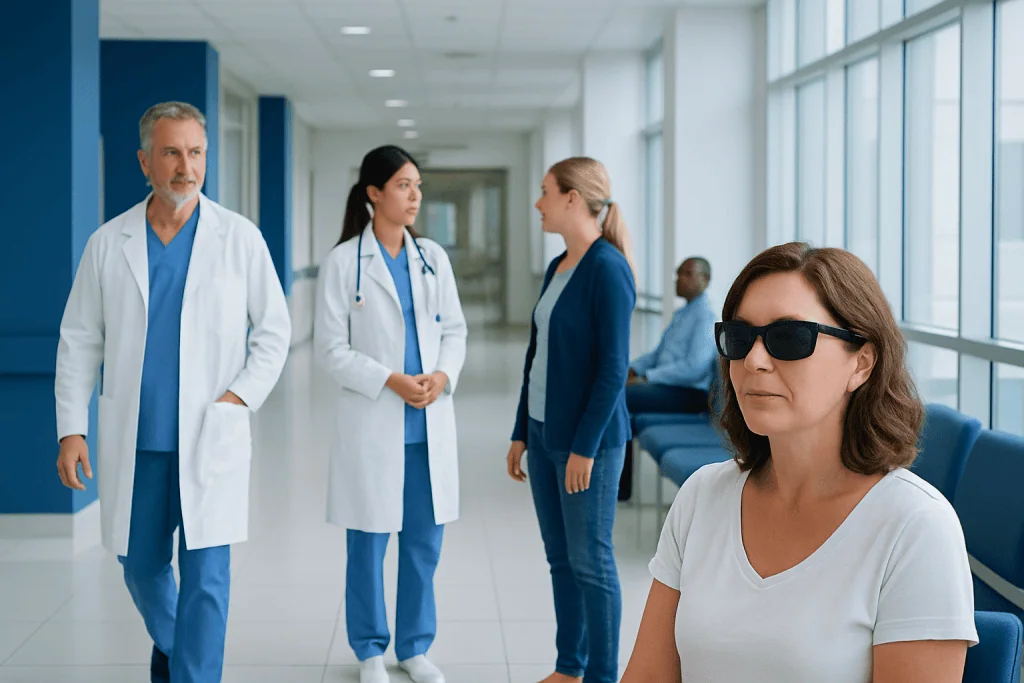
Choose sunglasses labeled 100% UVA/UVB protection or UV400 for reliable ultraviolet filtering. Lens darkness and polarization may improve comfort and glare control but do not prove UV protection.
Key Takeaways
- Choose sunglasses labeled 100% UVA/UVB protection or UV400 for reliable ultraviolet filtering.
- Lens darkness and polarization may improve comfort and glare control but do not prove UV protection.
- Wraparound frames and larger lenses can reduce UV exposure entering from the sides.
- Children need UV-protective sunglasses because their eyes may be especially vulnerable to cumulative sun exposure.
- Sunglasses complement, but do not replace, hats, shade, and regular eye examinations.
Sunglasses block UV rays effectively when they are labeled as providing 100% UVA and UVB protection or UV400 protection. Dark lenses, polarized lenses, and expensive frames do not automatically provide ultraviolet protection, so the label matters more than lens color.
Do Sunglasses Block UV Rays?
Yes. Sunglasses block UV rays when their lenses are designed and labeled to filter ultraviolet radiation. The most useful labels are “100% UVA and UVB protection” or “UV400”, which means the lenses block light wavelengths up to 400 nanometers, covering both UVA and UVB rays.
It is important not to judge protection by appearance. Very dark lenses may reduce visible brightness but may not filter ultraviolet light unless they have a verified UV-protective coating or material. In fact, wearing dark lenses without UV protection may be unhelpful because the pupil can widen in dimmer conditions, potentially allowing more UV light to enter the eye.
UV exposure occurs throughout the year, not only on hot or sunny days. Clouds reduce visible light but do not block all ultraviolet radiation, and reflective surfaces such as water, sand, snow, pavement, and glass can increase exposure. Well-chosen sunglasses are therefore a practical part of long-term eye health protection.
How UV-Protective Sunglasses Work
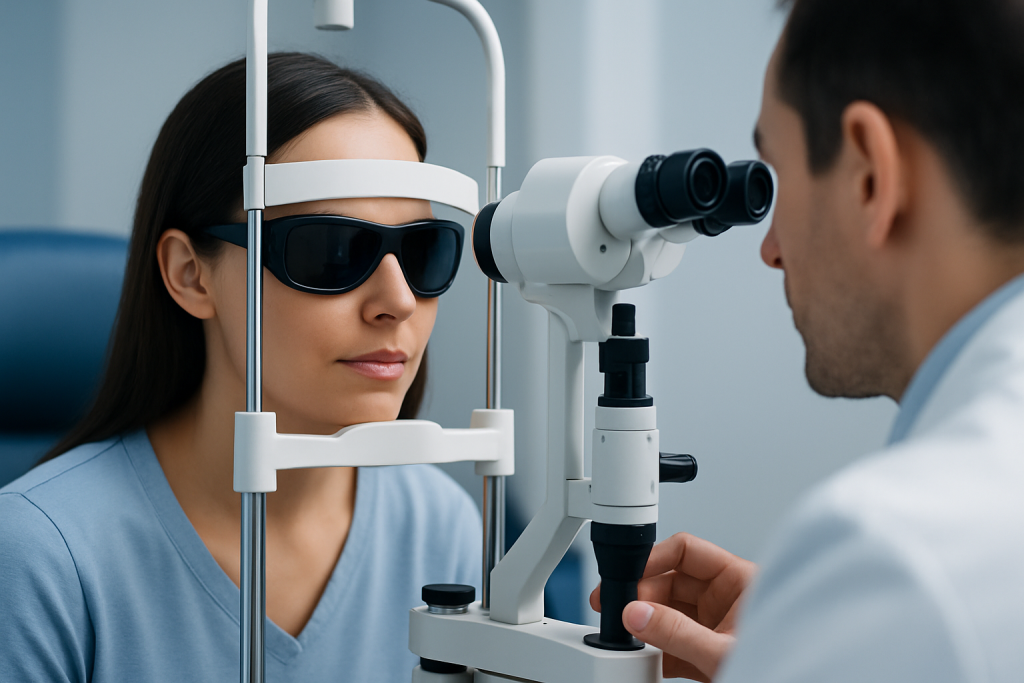
Ultraviolet radiation is invisible energy from the sun. UVA rays penetrate relatively deeply into eye tissues, while UVB rays carry more energy and are associated with surface injury from intense exposure. Both types can contribute to cumulative damage over time. Quality sunglasses use UV-absorbing materials, coatings, or filters within the lens to prevent these wavelengths from reaching the eye.
When sunglasses block UVA and UVB, the protective feature is usually built into the lens material or applied as a coating. This function is separate from tint. Gray, brown, green, amber, or mirrored lenses can all provide effective UV protection if they are properly labeled. Lens color mainly affects visual comfort and color perception.
Polarized lenses are another separate feature. They reduce reflected glare from horizontal surfaces, which may be useful while driving, near water, or during snow sports. Polarization can improve comfort and visibility, but polarized sunglasses do not necessarily block UV light unless the product also states that it provides UV400 or 100% UVA/UVB protection.
- UV400: Filters ultraviolet wavelengths through 400 nanometers.
- 100% UVA/UVB: Indicates protection against both major forms of solar UV reaching the eye.
- Polarized: Reduces glare; UV protection must be confirmed separately.
- Photochromic: Darkens in brighter light; the manufacturer’s UV-protection label should still be checked.
Why UV Protection Matters for Eye Health
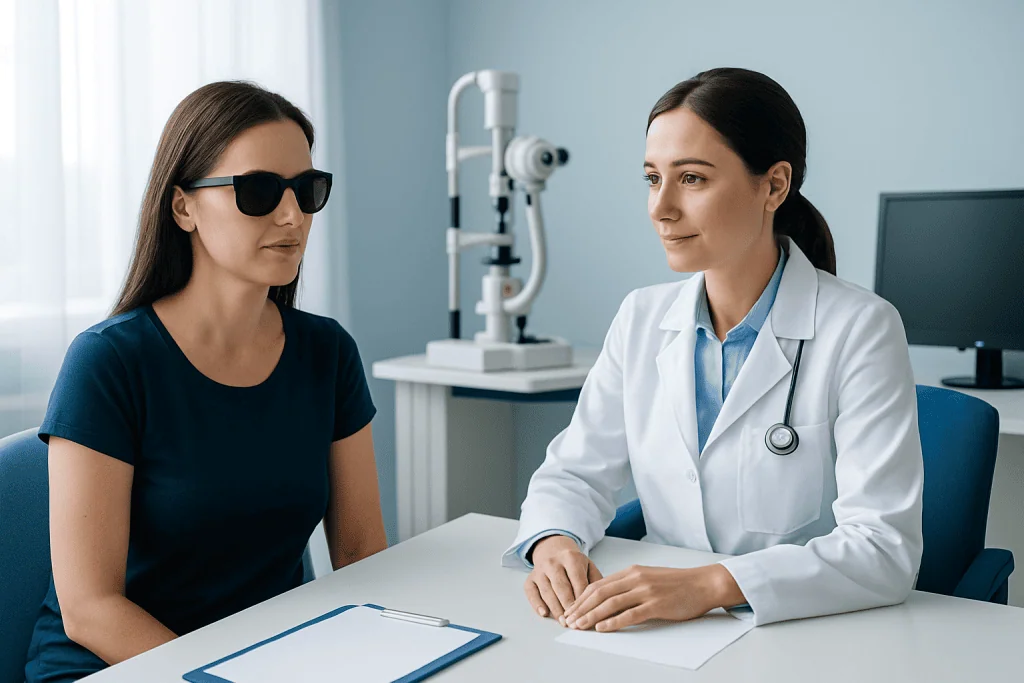
Short-term exposure to intense UV light can irritate and inflame the front surface of the eye. For example, prolonged reflection from snow, water, or sand can contribute to photokeratitis, sometimes called a sunburn of the eye. Symptoms can include pain, redness, tearing, light sensitivity, and a gritty sensation, often developing several hours after exposure.
Over many years, ultraviolet exposure is one of several factors associated with changes in the eyelids, conjunctiva, cornea, and lens. It may contribute to conditions such as cataracts, pterygium, and certain eyelid or ocular surface changes. UV protection cannot prevent every eye condition, since age, genetics, medical history, medicines, smoking, and other environmental factors also matter. However, it is a sensible, low-risk preventive habit.
People with existing eye conditions may be particularly sensitive to bright light or glare. Those with cataracts may notice bothersome glare, while people recovering from eye procedures may be advised to use protective eyewear outdoors. An ophthalmologist can offer individualized guidance when there is an eye disease, recent surgery, or persistent light sensitivity.
Choosing Sunglasses That Provide Meaningful Protection
The best starting point is the product label. Look for “100% UVA/UVB protection,” “100% UV protection,” or “UV400.” If the label is unclear, ask an optician or retailer whether the lenses have been tested for UV transmission. Sunglasses sold through reputable optical providers commonly provide this information, but the presence of a brand name, high price, or dark tint alone is not enough.
Frame shape also affects protection. Large lenses and close-fitting, wraparound designs can help limit light entering from above and from the sides. This can be especially useful for people who spend long periods outdoors, such as drivers, athletes, people who work outside, and those near highly reflective environments.
Comfort supports consistent use. The sunglasses should fit securely without painful pressure on the nose, ears, or temples. Prescription sunglasses can be a practical choice for people who need vision correction, and clear prescription lenses may also include UV filters. Contact lens wearers should not rely on UV-blocking contacts alone, because they do not fully shield the eyelids or the entire eye surface.
For children, choose well-fitting sunglasses with verified UV protection and encourage their use alongside a wide-brimmed hat. Children may spend more time outdoors, and building sun-safety habits early can support lifelong eye protection.
Using Sunglasses Safely: A Simple Daily Routine
There is no medical procedure required for UV protection from sunglasses. The practical process is to select verified UV-filtering lenses, wear them consistently outdoors, and replace them if they become badly scratched, damaged, or difficult to see through. Scratches do not always remove UV filtration, but they can create glare and reduce visual clarity.
A simple approach is to put sunglasses on before going outdoors during daylight hours, particularly when driving or spending time near water, sand, snow, or open pavement. A broad-brimmed hat offers additional shade for the eyes and surrounding skin. Shade is helpful, but it may not fully protect against reflected UV light.
People who have had laser eye surgery or another ophthalmic procedure should follow their clinician’s aftercare instructions about sun exposure and eyewear. In many cases, sunglasses are recommended for comfort and protection during recovery, but the timing and duration depend on the individual procedure and eye health.
There is no recovery period after beginning to wear sunglasses. Most people adjust immediately. If a new pair causes headaches, distortion, dizziness, or blurred vision, the lenses or prescription should be checked by an optician or eye-care professional rather than simply tolerated.
Benefits, Limitations, and Common Misunderstandings
The main benefit of UV-protective sunglasses is reducing the amount of harmful ultraviolet radiation reaching eye tissues. They can also improve comfort in bright light and, if polarized, reduce disabling glare. These benefits are most meaningful when sunglasses are worn regularly and combined with other sun-protection measures.
Sunglasses do have limits. They do not make it safe to stare at the sun, including during a solar eclipse. Ordinary sunglasses, even those labeled UV400, are not solar viewing devices and cannot safely protect the eyes from direct solar observation. Certified eclipse viewers are required for that purpose.
There is also no need to seek the darkest available lens solely for eye safety. A moderately tinted lens with genuine UV400 protection can provide better protection than a very dark lens without verified filtering. Some people may prefer different tints for driving, sports, or bright outdoor settings, but UV labeling should remain the priority.
For individuals with vision changes or significant glare, sunglasses may improve day-to-day comfort but should not substitute for an eye examination. Persistent symptoms may reflect a correctable refractive error, dry eye, cataract, inflammation, or another condition needing assessment.
When to Seek Medical Care
Prompt medical assessment is appropriate for sudden vision loss, severe eye pain, a new curtain-like shadow in vision, marked redness with light sensitivity, chemical exposure, or an eye injury. These symptoms are not expected from routine sun exposure and should be evaluated urgently by an eye-care professional or emergency service.
Arrange a non-urgent eye examination if glare, halos around lights, blurred vision, frequent headaches with visual tasks, persistent dryness, or light sensitivity affects daily life. These symptoms have many possible causes, and an examination can identify whether prescription correction, ocular surface treatment, or further assessment is needed.
Regular eye checks are especially important for people with diabetes, glaucoma risk, a family history of eye disease, previous eye surgery, or use of medicines that may affect the eyes. Acibadem International’s multidisciplinary specialists and JCI-accredited hospitals can assess and treat eye concerns for international patients, with care plans tailored to individual clinical needs.
Frequently asked questions
How can someone tell whether sunglasses block UV rays?
The most reliable indication is a label stating “100% UVA/UVB protection,” “100% UV protection,” or “UV400.” Lens darkness, brand, price, and polarization alone do not confirm ultraviolet protection. If the label is missing or uncertain, an optician may be able to help verify the lenses.
Do polarized sunglasses block UVA and UVB rays?
Polarized lenses reduce reflected glare, which can make driving and outdoor activities more comfortable. However, polarization is not the same as UV filtering. The sunglasses should also state that they provide UV400 or 100% UVA and UVB protection.
Are dark sunglasses better at blocking UV light?
Not necessarily. Dark tint reduces visible brightness, but it does not prove the lenses filter ultraviolet radiation. A lighter lens with verified UV400 protection can be safer than a dark lens with no stated UV protection.
Should children wear sunglasses with UV protection?
Yes. Children benefit from sunglasses labeled 100% UVA/UVB protection or UV400 when outdoors, particularly in bright or reflective settings. A comfortable fit and a hat can make protection more effective and encourage regular use.
Can UV-protective sunglasses prevent cataracts?
UV-protective sunglasses may help reduce cumulative ultraviolet exposure, which is one factor associated with cataract development. They cannot guarantee prevention because cataracts also relate to aging, genetics, health conditions, medicines, smoking, and other factors. Regular eye examinations remain important.
Can ordinary sunglasses be used to look at a solar eclipse?
No. Ordinary sunglasses are not designed for direct sun viewing, even if they provide UV400 protection. Looking directly at the sun requires certified eclipse viewers that meet the appropriate safety standard.
References
- American Academy of Ophthalmology
- World Health Organization
- U.S. Food and Drug Administration
- National Eye Institute
- International Commission on Non-Ionizing Radiation Protection
This article is for general information only and is not a substitute for professional medical advice. Please consult a qualified doctor about your individual situation.
Explore treatments in Turkey — costs, top hospitals & a free quote
JCI-accredited · board-certified surgeons · reply within 24h
Add us as a Preferred Source to see more of our trusted health content across Google Search, AI Overviews and Discover.