Pediatric Oncology Surgeon: An Evidence-Based Patient Guide
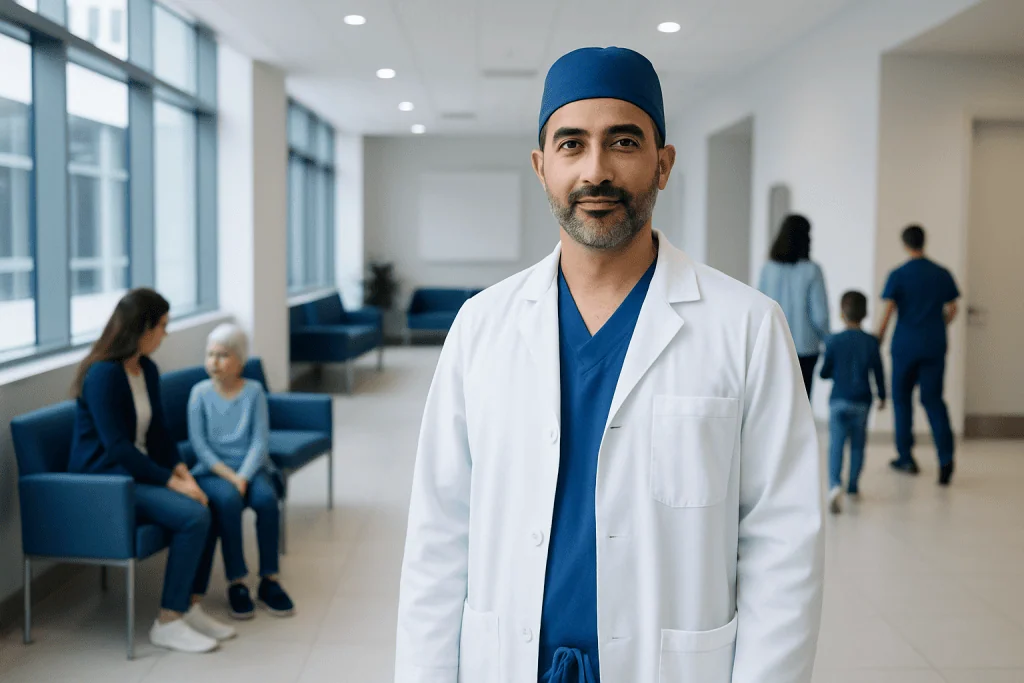
A pediatric oncology surgeon treats solid tumors in children, not blood cancers such as leukemia in most cases. Surgery is planned by a multidisciplinary pediatric cancer team and may be combined with chemotherapy, radiation therapy, or other treatments.
Key Takeaways
- A pediatric oncology surgeon treats solid tumors in children, not blood cancers such as leukemia in most cases.
- Surgery is planned by a multidisciplinary pediatric cancer team and may be combined with chemotherapy, radiation therapy, or other treatments.
- The right operation depends on the tumor type, location, spread, response to treatment, and the child’s overall health.
- Families should expect careful preoperative planning, pathology review, pain management, and follow-up focused on healing and long-term function.
- New or persistent lumps, unexplained swelling, ongoing pain, or concerning symptoms should be assessed promptly by a qualified clinician.
A pediatric oncology surgeon is a specialist who performs biopsies and operations for children and adolescents with solid tumors, working closely with pediatric cancer doctors, radiologists, pathologists, and rehabilitation professionals. Surgery may help diagnose a tumor, remove it completely, reduce its size, or manage complications while preserving normal development and function whenever possible.
What Does a Pediatric Oncology Surgeon Do?
A pediatric oncology surgeon is a surgeon with expertise in operating on tumors in infants, children, and adolescents. Their work commonly involves solid tumors, meaning masses that develop in organs, bones, muscles, soft tissues, or other body structures. They may perform a biopsy to obtain tissue for diagnosis, remove a tumor, or carry out surgery needed during a child’s broader cancer treatment plan.
Children are not simply smaller adults. Their organs, bones, nerves, immune systems, and emotional needs are still developing. Pediatric oncology surgeons therefore plan procedures with particular attention to protecting growth, organ function, appearance, mobility, fertility when relevant, and quality of life. The aim is to remove or control cancer safely while avoiding unnecessary harm to healthy tissue.
Not every childhood cancer needs an operation. Leukemia and many lymphomas are generally treated primarily by pediatric hematology-oncology teams with medicines and, in selected situations, radiation or stem cell transplantation. Surgery is more often central to the care of tumors such as neuroblastoma, Wilms tumor, liver tumors, germ cell tumors, sarcomas, and certain tumors of the chest, abdomen, pelvis, or soft tissues.
How Surgery Fits Into Evidence-Based Pediatric Oncology
Evidence based pediatric oncology brings together the best available research, specialist experience, and the individual child’s medical needs and family priorities. A proposed operation is considered in the context of the exact diagnosis, imaging findings, tumor biology, stage, and expected response to other therapies. Treatment decisions are usually discussed at a multidisciplinary tumor board.
Pediatric oncology clinical practice guidelines and pediatric oncology standards of care support this team-based approach. These resources are developed and updated by professional organizations and cooperative research groups. Families may encounter searches for a pediatric oncology guidelines PDF, but a child’s treating team should interpret guidelines because recommendations can vary by tumor type, age, stage, and local treatment protocols.
The surgeon works alongside pediatric oncologists, anesthesiologists, radiologists, pathologists, radiation oncologists, intensive care clinicians, nurses, physiotherapists, dietitians, psychologists, and social workers. This coordination helps determine whether surgery should come first, follow chemotherapy, be combined with reconstruction, or be avoided when another approach is safer or more effective.
Who May Be a Candidate for Pediatric Cancer Surgery?
A child may be referred to a pediatric oncology surgeon when scans or examinations identify a mass that could require tissue diagnosis or removal. Referral does not necessarily mean cancer is confirmed. Many childhood masses have noncancerous causes, and pathology testing is often needed to identify the condition accurately before major treatment decisions are made.
Candidacy for surgery depends on whether the tumor can be reached and removed safely, whether it involves important blood vessels or organs, and whether there is evidence of spread. The child’s age, nutritional status, heart and lung function, blood counts, prior treatments, and ability to recover from anesthesia are also considered. In some cases, chemotherapy is recommended first to shrink a tumor and make surgery safer.
Potential benefits include obtaining a reliable diagnosis, removing all visible disease when appropriate, relieving obstruction or pressure, and providing information that guides later treatment. The possible benefits are balanced against risks such as bleeding, infection, damage to nearby structures, loss of organ function, and the possibility that complete removal is not advisable. Parents and caregivers should be given time to ask why surgery is recommended and what alternatives are available.
What Happens Before, During, and After the Procedure?
Before surgery, the team reviews imaging such as ultrasound, CT, MRI, or other scans and confirms key laboratory results. The child may have an anesthesia assessment, blood tests, and consultations with other specialists. Parents or legal guardians receive information about the planned procedure, expected hospital stay, possible need for transfusion, pain control, and consent. The team also explains fasting instructions and which medicines should or should not be taken before surgery.
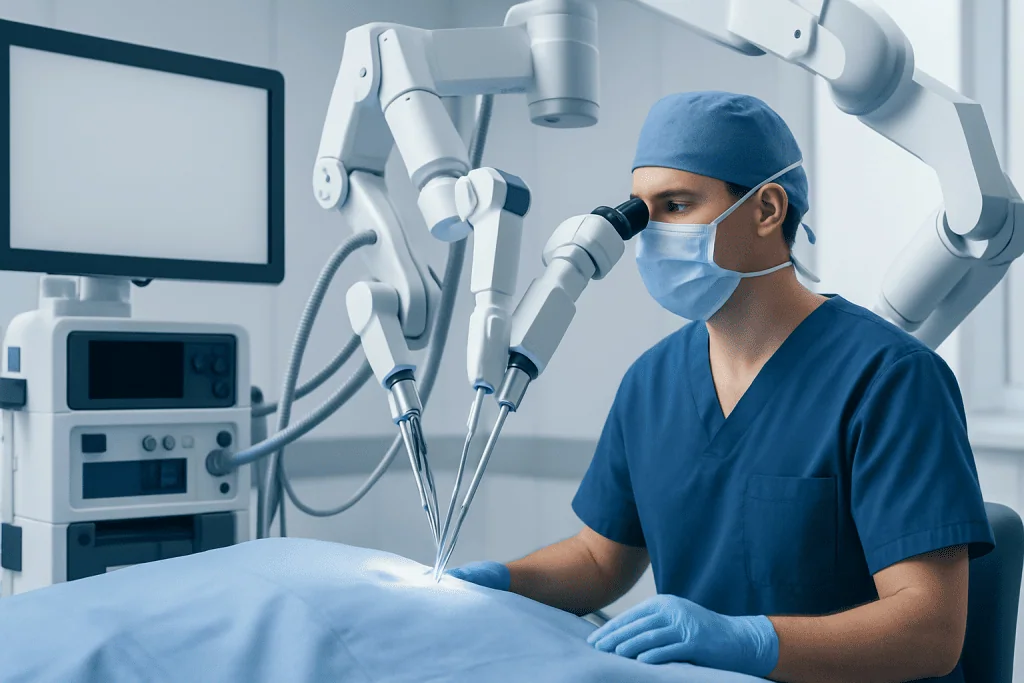
During the operation, the child receives general anesthesia and is closely monitored. Depending on the purpose of surgery, the surgeon may obtain a small tissue sample, remove part or all of a tumor, assess nearby lymph nodes, or perform reconstruction. Surgical approaches vary: some procedures use a larger incision, while selected cases may be suitable for minimally invasive techniques. The choice is based on safety and the ability to treat the tumor appropriately, not on incision size alone.
Afterward, the removed tissue is examined by a pediatric pathologist. Pathology findings may confirm the diagnosis and provide details about tumor type and other features that influence care. The surgical and oncology teams then review whether additional surgery, chemotherapy, radiation therapy, monitoring, or rehabilitation is recommended.
For children requiring coordinated tumor surgery, pediatric oncology surgery can be planned as part of a wider treatment pathway. A family should receive clear contact instructions for the hospital team after discharge, including symptoms that need urgent assessment.
Recovery Timeline, Benefits, and Possible Risks
Recovery varies greatly by the operation, the tumor location, and whether the child has received other treatments. After a biopsy or a small procedure, some children go home the same day or after a short stay. Major abdominal, chest, pelvic, bone, or reconstructive surgery may require several days in hospital and a longer period of recovery at home. The team will provide individualized advice on activity, wound care, bathing, school attendance, and follow-up visits.
Pain relief is an important part of recovery. Children may receive medicines by mouth, through an intravenous line, or by other methods selected by the anesthesia and surgical teams. Early movement, breathing exercises when appropriate, nutrition support, and physical or occupational therapy can help recovery. Parents should not change pain medicines or wound-care routines without discussing this with the care team.
All operations carry risks. These can include reactions to anesthesia, bleeding, infection, blood clots, fluid collections, wound problems, scarring, or a need for another procedure. Risks specific to the surgical site may include bowel, bladder, kidney, nerve, blood vessel, lung, limb, or organ-function changes. The surgeon will explain the risks most relevant to the individual child and the measures used to reduce them.
Follow-up is important even after successful surgery. It may include clinical examinations, imaging, laboratory tests, rehabilitation, and support for physical and emotional well-being. Long-term monitoring is individualized because the needs of a child treated for cancer can change as they grow.
Questions Families Can Ask the Surgical Team
Families are active partners in care. It can be helpful to bring written questions, take notes, and ask whether a child-life specialist, interpreter, nurse navigator, or social worker can join discussions. Seeking a second opinion from a qualified pediatric cancer center can also be reasonable, particularly before complex surgery.
Useful questions include:
- What is the purpose of this operation: diagnosis, complete removal, symptom relief, or another goal?
- What are the expected benefits and the main risks for this child?
- Is chemotherapy, radiation therapy, or another treatment needed before or after surgery?
- What tissues or organs may be affected, and how might this influence growth or daily activities?
- How long might hospitalization and home recovery take?
- Which symptoms after discharge require an urgent call or emergency assessment?
Families may also ask how the plan aligns with current pediatric oncology guidelines and whether the child is eligible for a clinical trial. Clinical trials are carefully regulated research studies and may offer access to approaches being evaluated; participation is voluntary and should be discussed in detail with the child’s oncology team.
When to Seek Medical Care
Parents and caregivers should arrange a medical assessment for a persistent or enlarging lump, unexplained swelling, ongoing bone or abdominal pain, a swollen abdomen, blood in urine or stool, unexplained weight loss, repeated vomiting, unusual fatigue, or symptoms that do not improve as expected. These signs often have causes other than cancer, but they deserve timely evaluation, especially when they are persistent, worsening, or affecting normal activities.
Urgent medical care is appropriate for severe pain, trouble breathing, fainting, uncontrolled vomiting, heavy bleeding, sudden weakness, a high fever in a child receiving chemotherapy, or signs of infection after surgery such as increasing redness, drainage, worsening wound pain, or fever. A child’s oncology or surgical team should provide a direct contact pathway for urgent concerns during treatment.
Acibadem International’s multidisciplinary specialists and JCI-accredited hospitals support international patients who need assessment and treatment for childhood tumors. Care should always be coordinated with qualified pediatric cancer professionals who can review the child’s complete medical information and explain suitable options.
Frequently asked questions
What is the difference between a pediatric oncology surgeon and a pediatric oncologist?
A pediatric oncology surgeon performs operations and biopsies for childhood tumors, especially solid tumors. A pediatric oncologist is a physician who manages cancer medicines such as chemotherapy, coordinates overall treatment, and monitors the child’s health throughout care. They work together as part of a multidisciplinary team.
Does every child with cancer need surgery?
No. Surgery is not needed for every childhood cancer. For example, leukemia is usually treated with systemic medicines rather than an operation, while many solid tumors require surgery for diagnosis, removal, or both. The treatment plan depends on the cancer type, location, stage, and biology.
Can a tumor be biopsied without removing it?
Yes. A biopsy removes a small sample of tissue so a pathologist can identify the tumor. The method may involve a needle, a small incision, or another technique, depending on the tumor’s location and the safest way to obtain an adequate sample.
Why might chemotherapy be given before pediatric tumor surgery?
Chemotherapy may be used before surgery to shrink certain tumors, treat disease that cannot be seen on scans, or make removal safer. This approach is not appropriate for every tumor type. The oncology and surgical teams decide on the sequence using the child’s diagnosis and current evidence.
How long does recovery after pediatric oncology surgery take?
Recovery can range from days after a small biopsy to weeks or longer after major tumor removal or reconstruction. The timeline depends on the operation, the child’s health, any additional cancer treatment, and whether rehabilitation is needed. The treating team can provide the most accurate individualized estimate.
What should parents bring to a consultation with a pediatric oncology surgeon?
It is helpful to bring imaging reports and image files, pathology reports and slides if available, blood-test results, treatment summaries, a list of medicines and allergies, and details of prior procedures. Parents may also bring a written list of questions and request interpreter support when needed.
References
- American Cancer Society
- National Cancer Institute
- Children’s Oncology Group
- World Health Organization
- American Academy of Pediatrics
This article is for general information only and is not a substitute for professional medical advice. Please consult a qualified doctor about your individual situation.
Pediatric Oncology in Turkey — costs, top hospitals & a free quote
JCI-accredited · board-certified surgeons · reply within 24h
Add us as a Preferred Source to see more of our trusted health content across Google Search, AI Overviews and Discover.