What to Expect after a Lung Biopsy: Procedure, Recovery and Results
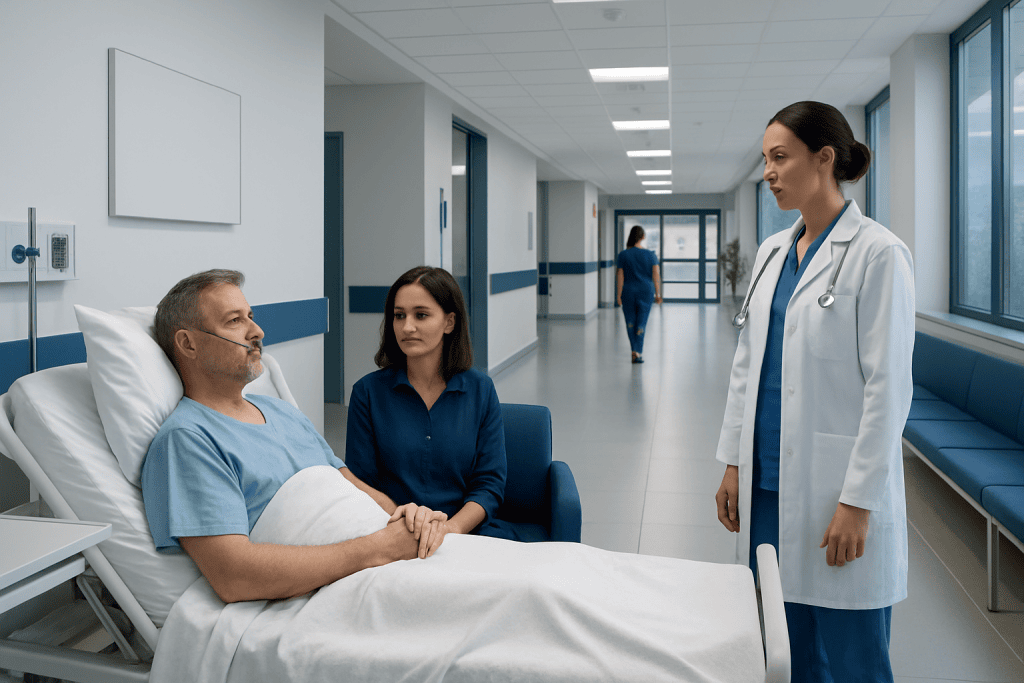
Recovery varies by biopsy type: needle and bronchoscopy biopsies are usually outpatient, while surgical biopsies need more recovery time. A chest X-ray may be performed after some biopsies to check for a collapsed lung.
Key Takeaways
- Recovery varies by biopsy type: needle and bronchoscopy biopsies are usually outpatient, while surgical biopsies need more recovery time.
- A chest X-ray may be performed after some biopsies to check for a collapsed lung.
- Mild soreness, tiredness and a small amount of blood-streaked mucus after bronchoscopy can occur, but worsening breathlessness needs urgent assessment.
- A biopsy result does not automatically mean cancer; it can identify infection, inflammation, scarring or benign changes.
- A positive cancer result guides the next steps, including staging tests and discussion with a multidisciplinary team.
What to expect after a lung biopsy depends on the biopsy method, but most people have short-term soreness, fatigue and monitoring for breathing-related complications. Results commonly take several days, and the care team will explain whether the sample shows infection, inflammation, cancer or another lung condition.
Overview: what to expect after a lung biopsy
What to expect after a lung biopsy depends on how the tissue sample was collected. Many people go home on the same day after a needle biopsy or bronchoscopy, while a surgical lung biopsy usually requires hospital observation and a longer recovery. The medical team monitors breathing, oxygen levels, pain and, in some cases, performs a chest X-ray before discharge.
A lung biopsy is a procedure used to examine a small sample of lung tissue under a microscope. It may help clarify an unusual area seen on imaging, investigate persistent inflammation or infection, or determine whether a lung nodule or mass is cancerous. A biopsy is often an important step toward a precise diagnosis rather than a diagnosis by itself.
After the procedure, people are usually given written instructions about activity, wound care, medicines and symptoms that require prompt medical attention. The treating clinician should be contacted with any concerns, particularly if symptoms change after returning home.
How a lung biopsy works and who may need one
Doctors recommend a lung biopsy when scans, symptoms, laboratory findings or previous tests do not provide enough information to make a reliable diagnosis. The tissue can be tested for cancer cells, signs of infection, immune-related inflammation, scarring disorders and other changes. The choice of biopsy technique is based on where the area is located, its size, a person’s overall health and the information needed from the sample.
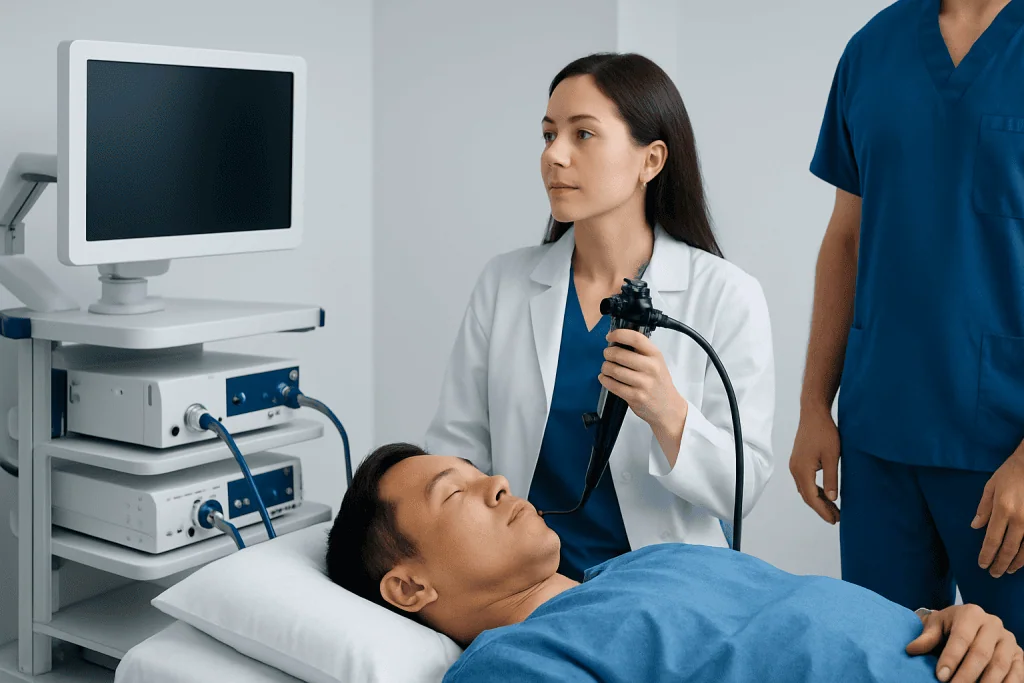
A needle biopsy is often used for an abnormality close to the chest wall and is usually guided by CT imaging. Bronchoscopy uses a thin flexible tube passed through the mouth or nose into the airways, and may be useful for changes near or within the bronchial tubes. Some people need an advanced bronchoscopic approach or a surgical biopsy, often performed with small incisions using video-assisted thoracoscopic surgery.
Before the procedure, the team reviews medications, allergies, medical conditions and imaging. Blood-thinning medicines may need temporary adjustment under medical guidance. People should tell their clinician about bleeding disorders, pregnancy, sleep apnea, heart or lung disease, and any history of problems with anesthesia or sedation.
Step by step: what happens during the procedure
Preparation commonly includes confirming consent, checking vital signs and placing an intravenous line if sedation or anesthesia is planned. The clinician explains the expected method and may use imaging to identify the safest path to the area of concern. People are generally asked not to eat or drink for a specified period before procedures involving sedation or general anesthesia.
For a CT-guided needle biopsy, the skin is cleaned and numbed with local anesthetic. The person is positioned on the scanning table, and the radiologist guides a thin needle into the targeted area while taking CT images. Several small samples may be collected. Instructions to hold the breath briefly help keep the lung still during sampling.
During bronchoscopy, numbing medicine is used in the nose, mouth and throat, and sedation is often provided. The doctor advances the bronchoscope into the airways and collects cells, fluid or small pieces of tissue. Surgical biopsy is performed in an operating room under general anesthesia; tissue is removed through small chest incisions or, less commonly, through a larger incision.
Afterward, the sample is sent to pathology. Specialized testing may be added if cancer, infection or an inflammatory lung condition is suspected. This detailed analysis is one reason results are not always available immediately.
Recovery timeline and practical aftercare
After a needle biopsy, observation often lasts a few hours. A chest X-ray may be taken to look for air leaking around the lung, known as pneumothorax. If there are no concerns, many people return home the same day with someone else driving, especially if sedation was used. Mild tenderness at the needle site and fatigue can last for a day or two.
After bronchoscopy, the throat may feel sore or hoarse, and a temporary cough is common. Eating and drinking should wait until the throat numbness has worn off and swallowing is safe. A small amount of blood-streaked sputum may occur after tissue sampling, but it should be reported if it becomes more than a small amount, persists or worsens.
Surgical biopsy recovery is more gradual. Hospital monitoring may continue for one or more days, and some patients have a chest drain temporarily to remove air or fluid. Pain control, breathing exercises and early, gentle movement can support recovery. The surgeon will advise when it is safe to shower, drive, return to work and resume exercise.
For all biopsy types, it is sensible to avoid strenuous activity and heavy lifting for the period advised by the care team. Take prescribed medicines exactly as directed, keep the biopsy site clean and dry as instructed, and arrange follow-up to discuss the pathology report.
How long should you rest after a lung biopsy?
Most people should rest for the remainder of the day after a needle biopsy or bronchoscopy, particularly if sedation was used. Driving, operating machinery, signing important documents and drinking alcohol should generally be avoided for at least 24 hours after sedation because alertness and judgment may be affected.
Many people can return to light daily activities within one to two days after a needle or bronchoscopic biopsy, provided they feel well and their clinician has not given different instructions. Heavy lifting, vigorous exercise and physically demanding work may need to wait longer, often for several days. Individual advice depends on the biopsy location, any complications and the person’s underlying lung health.
After surgical biopsy, recovery commonly takes weeks rather than days. Gentle walking is often encouraged, but the surgical team will provide a tailored plan for activity, wound care and return to work. New or worsening symptoms should not be managed by simply extending rest; they should be discussed with a healthcare professional.
Risks, benefits and when to seek medical care
The key benefit of a lung biopsy is diagnostic clarity. A tissue diagnosis can help clinicians avoid unnecessary treatment, identify a treatable infection or inflammatory condition, and plan care more accurately when cancer is found. In some situations, biopsy findings can also provide molecular information that helps select appropriate cancer treatment.
Complications are uncommon but possible. The main risks include bleeding, infection, reaction to sedation or anesthesia, and pneumothorax. A small pneumothorax may resolve with observation, while a larger one can require treatment with a chest tube. Surgical biopsy also carries risks related to the operation and general anesthesia.
When to seek medical care: Seek urgent medical assessment for new or increasing shortness of breath, chest pain, fainting, severe dizziness, blue or gray lips, rapidly worsening cough, coughing up more than a small amount of blood, fever, or significant redness, swelling or drainage from an incision. These symptoms may have causes unrelated to the biopsy, but they need timely evaluation.
Call the treating team for persistent discomfort, questions about medication, or uncertainty about activity restrictions. It is better to ask early than to delay care when recovery does not feel as expected.
Lung biopsy results: timing, cancer findings and next steps
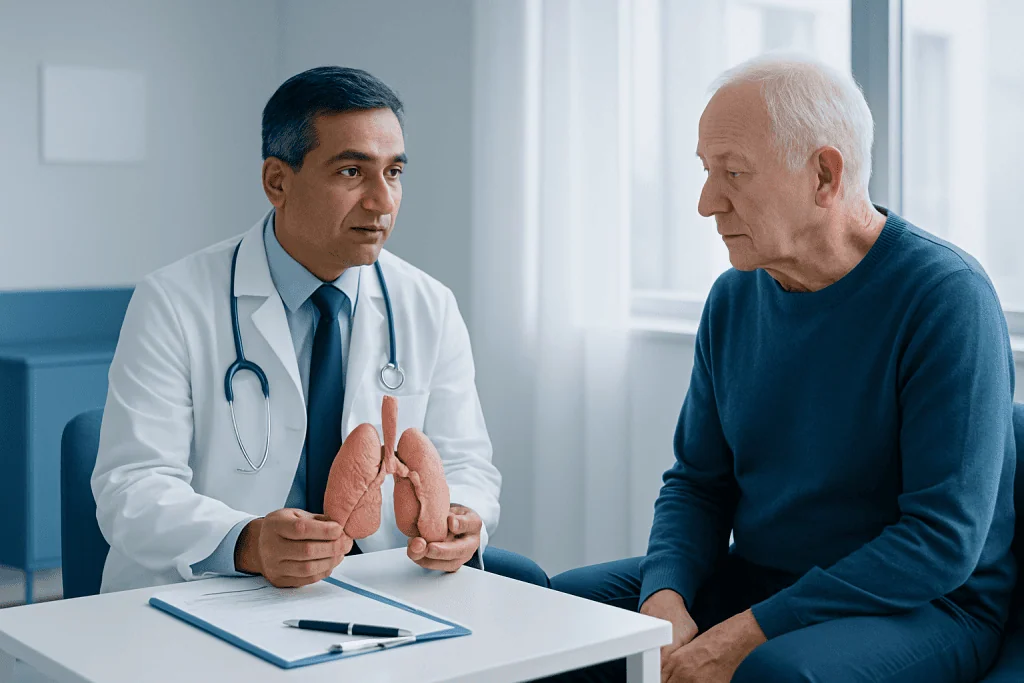
Initial results may be available within a few days, but complete pathology can take longer when special stains, cultures, genetic testing or expert review are needed. The clinician will explain what the report means in the context of imaging findings, symptoms and medical history. A result may show normal tissue, a benign lesion, infection, inflammation, scarring or cancer.
What percentage of lung biopsies show cancer? There is no single percentage that applies to everyone. The likelihood that a biopsy shows cancer depends on why the biopsy was ordered, including the appearance and growth of a lung nodule, age, smoking history, prior cancer, symptoms and scan findings. In settings where doctors strongly suspect cancer, the proportion is higher; when biopsies are performed for a broad range of abnormalities, many results are noncancerous.
What happens if a lung biopsy is positive? If a biopsy confirms cancer, the next step is usually to identify the cancer type and determine its extent with appropriate imaging and other tests. The care team may also test the tumor for biomarkers that can help guide treatment. Options can include surgery, radiation therapy, systemic medicines, or a combination, depending on the cancer type, stage and the person’s health.
Is a lung biopsy a big surgery? Not always. Needle biopsy and bronchoscopy are minimally invasive procedures and are commonly completed without an overnight hospital stay. A surgical lung biopsy is a more significant procedure because it requires general anesthesia and chest incisions, but minimally invasive techniques can reduce the size of incisions and support recovery when surgery is necessary.
For international patients, Acibadem International’s multidisciplinary specialists and JCI-accredited hospitals can coordinate diagnostic evaluation and treatment planning for lung conditions. A clear discussion of the pathology report with a pulmonologist, thoracic surgeon, radiologist and, when appropriate, oncologist helps ensure that next steps reflect the individual diagnosis.
Frequently asked questions
How painful is a lung biopsy?
The level of discomfort varies by procedure. A needle biopsy usually involves a brief sting from local anesthetic and pressure at the biopsy site, while bronchoscopy may leave a sore throat for a short time. Surgical biopsy can cause more postoperative pain, but the care team provides pain-relief options.
Can someone go home after a lung biopsy?
Many people go home on the same day after a needle biopsy or bronchoscopy once monitoring is complete. They usually need a responsible adult to drive them home if sedation was used. Surgical biopsy may require a hospital stay for observation and recovery.
How long do lung biopsy results take?
Some preliminary findings may be ready within several days, but the full report can take longer. Additional testing for infection, cancer subtype or biomarkers may extend the timeline. The clinician should explain when and how results will be communicated.
Is coughing blood after a lung biopsy normal?
A small amount of blood-streaked mucus can occur after bronchoscopy with biopsy and may settle quickly. Coughing up more than a small amount of blood, persistent bleeding, or bleeding with breathlessness or chest pain requires urgent medical advice. Follow the specific instructions provided by the biopsy team.
Can a lung biopsy miss cancer?
A biopsy can occasionally be nondiagnostic or fail to sample the exact area of concern. Doctors interpret the pathology result together with imaging and clinical findings. If the result does not match the level of concern on scans, repeat sampling, another biopsy technique or follow-up imaging may be recommended.
What should a person avoid after a lung biopsy?
After sedation, people should avoid driving, alcohol, machinery and important decisions for at least 24 hours unless their care team advises otherwise. Heavy exercise and lifting should be postponed for the recommended period, which varies by biopsy type. Smoking should be avoided because it can irritate the airways and impair healing.
References
- American Lung Association
- American Thoracic Society
- National Cancer Institute
- Radiological Society of North America
- National Health Service
This article is for general information only and is not a substitute for professional medical advice. Please consult a qualified doctor about your individual situation.
Oncology care in Turkey — second opinion and treatment plan
JCI-accredited · board-certified surgeons · reply within 24h
Add us as a Preferred Source to see more of our trusted health content across Google Search, AI Overviews and Discover.

More from the Health Library



Related Specialists
Assoc. Prof. Dr. Taner Arpacı
Radiology
Prof. Dr. Ayhan Çevik
Pediatric Cardiology
Dr. Eralp Yurtsever
Emergency Service
Psk. Mehmet Güney Ziyalan
Psychology