

Quick answer
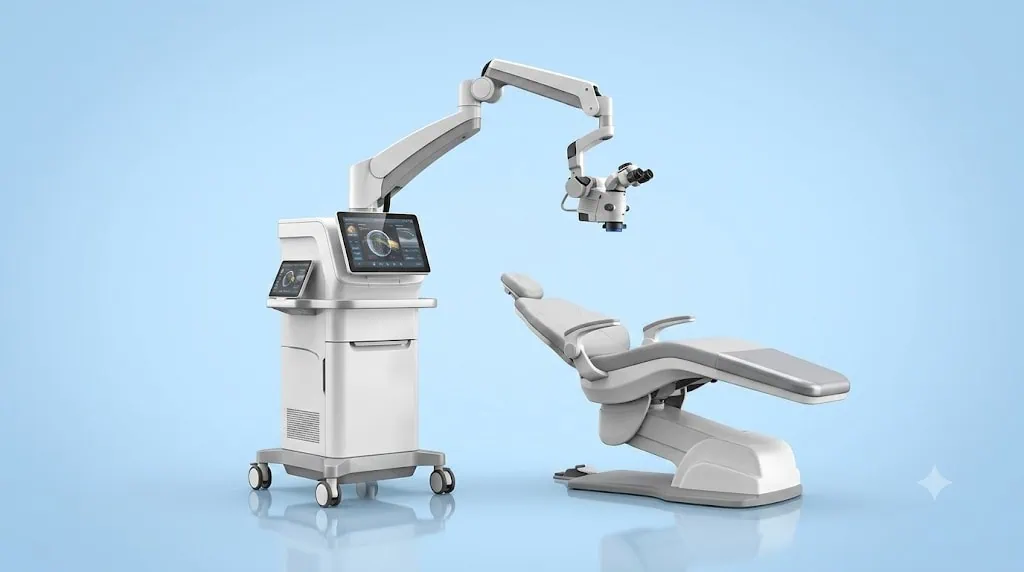
Femto Cataract Laser is a femtosecond laser system that can perform selected cataract surgery steps, such as corneal incisions, lens capsule opening, and lens fragmentation, with image-guided precision. At Acibadem in Turkey, ophthalmologists assess each patient’s eye condition and use laser-assisted techniques when clinically appropriate.
Femto Cataract Laser: Bladeless Precision for Selected Cataract Surgery
Femto Cataract Laser is an advanced femtosecond laser technology used during selected cataract procedures. It helps ophthalmologists perform several important surgical steps with image-guided, computer-controlled precision.
A cataract occurs when the eye’s natural lens becomes cloudy. This can gradually affect vision, causing blurred sight, glare from lights, faded colours, difficulty reading or driving at night, and reduced confidence in daily activities. Cataract surgery replaces the cloudy natural lens with an artificial intraocular lens designed for your visual needs.
During laser-assisted cataract surgery, the Femto Cataract Laser can support the surgeon by creating highly precise incisions, opening the front part of the lens capsule, and softening or fragmenting the cataract before it is removed. The ophthalmologist remains in control throughout the procedure and determines whether laser assistance is suitable for each individual patient.
At Acibadem International, Femto Cataract Laser technology is used by experienced Ophthalmology teams as part of a personalised treatment approach. Your plan is based on a detailed eye assessment, your cataract type, the health of your cornea and retina, your previous eye history, and your visual expectations after surgery.
What Is Femto Cataract Laser?
Femto Cataract Laser is a bladeless surgical laser system that uses extremely short pulses of light, known as femtosecond pulses. A femtosecond is a very small unit of time. These rapid laser pulses can create microscopic, highly controlled separations within eye tissue without using a traditional blade for certain steps of cataract surgery.
The technology is designed to improve consistency and accuracy in selected parts of the procedure. It uses detailed imaging of the eye to help the surgeon plan treatment according to the unique size, shape and position of your eye structures.
Laser-assisted cataract surgery is not automatically the best option for every patient. Conventional phacoemulsification cataract surgery remains a highly effective and widely used method. During your consultation, your ophthalmologist will explain whether Femto Cataract Laser may provide a meaningful advantage for your condition and surgical plan.
How Femto Cataract Laser Works
Before the laser is used, the system creates a detailed three-dimensional image of the front of your eye. This imaging allows the ophthalmologist to map structures such as the cornea, lens capsule and cataract.
Using this information, the surgeon plans the laser treatment with precise parameters tailored to your eye. The laser may then perform selected steps that traditionally require handheld instruments.
Image-Guided Surgical Planning
Each eye is different. The laser’s imaging platform helps the specialist assess important anatomical details before treatment begins. This may be particularly valuable when planning the location, size and depth of incisions and the circular opening in the lens capsule.
Your surgeon reviews the imaging and treatment settings before the laser is activated. The technology supports the procedure, but it does not replace the specialist’s judgement, experience or ability to adapt the surgical plan when needed.
Key Steps the Laser May Assist With
- Creating small corneal incisions to allow access to the cataract.
- Making a precise circular opening in the lens capsule, called a capsulotomy.
- Fragmenting or softening the cloudy lens before its removal.
- Creating carefully planned corneal incisions that may help address selected cases of astigmatism.
After the laser-assisted stage, the ophthalmologist removes the cataract fragments using ultrasound energy and suction, a process called phacoemulsification. An artificial intraocular lens is then placed inside the eye. The chosen lens type depends on your eye health, lifestyle and visual goals.
Clinical Applications
Femto Cataract Laser is primarily used in cataract surgery. Its role and potential benefit vary according to the patient’s eye anatomy, cataract density, corneal condition and other ophthalmic findings. A comprehensive examination is essential before deciding on treatment.
| Clinical application | How Femto Cataract Laser may support treatment | Important considerations |
|---|---|---|
| Cataract removal | Can assist with incision creation, capsulotomy and lens fragmentation during selected cataract procedures. | Suitability depends on cataract type, eye anatomy and the surgeon’s clinical assessment. |
| Dense or firm cataracts | May pre-fragment the lens, which can help prepare it for removal during the next stage of surgery. | The degree of benefit varies. Your specialist will consider lens density and overall eye health. |
| Cataract with astigmatism | May create precisely planned corneal relaxing incisions in selected patients. | Astigmatism management can also involve toric intraocular lenses or other approaches. |
| Premium intraocular lens planning | Precise capsulotomy and incision planning may support selected refractive cataract surgery plans. | Multifocal, extended-depth-of-focus and toric lenses are not suitable for everyone. |
| Complex eye anatomy | Detailed anterior-segment imaging can support individual surgical planning. | Some complex cases may be better treated with conventional surgery or another tailored technique. |
Conditions and Symptoms Cataract Surgery Can Help Address
Cataract surgery is recommended when a cloudy lens begins to interfere with vision, independence, work, driving, reading or other important activities. The decision is based on how cataracts affect your life, not only on how advanced they appear during an examination.
Your ophthalmologist may assess symptoms such as:
- Blurred, cloudy or hazy vision.
- Glare, halos or discomfort around headlights and bright lights.
- Difficulty driving at night or in low-light environments.
- Frequent changes in glasses prescription.
- Reduced contrast sensitivity or trouble distinguishing details.
- Colours appearing less bright or more yellowed.
- Difficulty reading, using digital devices or recognising faces.
- Reduced vision caused by cataract in one or both eyes.
Not all vision concerns are caused solely by cataracts. Conditions affecting the retina, optic nerve, cornea or eye pressure may also influence visual quality and the expected outcome of surgery. This is why a complete ophthalmic evaluation is particularly important before travelling for treatment.
Benefits and Advantages for Patients
Femto Cataract Laser may offer a highly precise, image-guided approach to selected steps of cataract surgery. For appropriate patients, laser assistance can help create carefully planned incisions and lens capsule openings with a high degree of consistency.
Because the laser can soften or divide the cataract before removal, it may reduce the amount of ultrasound energy needed during the later phacoemulsification stage in some cases. However, the exact surgical experience and recovery period can differ from one person to another.
The most important advantage is not simply the technology itself, but the way it is integrated into a personalised treatment plan led by an experienced ophthalmologist. Your surgical team will discuss what the laser can and cannot do in your case, including realistic expectations for recovery and vision.
| Patient benefit at a glance | What it can mean for your care |
|---|---|
| Bladeless laser-assisted steps | The laser can perform selected stages of cataract surgery without a traditional blade. |
| Individualised planning | Detailed imaging supports treatment planning around the anatomy of your eye. |
| High procedural precision | Laser-guided incisions, capsulotomy and lens fragmentation can be planned with controlled parameters. |
| Potentially gentler lens preparation | Pre-fragmenting the cataract may help prepare the lens for removal during surgery. |
| Support for astigmatism management | In selected cases, laser-created corneal incisions may be part of a wider astigmatism correction plan. |
| Personalised lens selection | Your ophthalmologist can discuss lens options based on your eye health and visual priorities. |
| Coordinated international care | Pre-travel review, multilingual communication and follow-up planning help make treatment easier to organise. |
What to Expect During a Femto Cataract Laser Procedure
Your journey starts with a detailed ophthalmology consultation. If you are travelling from abroad, the Acibadem International team can help coordinate the exchange of medical reports, eye examination findings and previous treatment information before your visit. This supports efficient planning and helps the clinical team prepare for your assessment.
Before Your Surgery
Your ophthalmologist will examine your eyes and discuss your symptoms, general health and medication use. Tests may include visual acuity measurements, eye pressure assessment, corneal measurements, retinal evaluation and biometry to calculate the power of your intraocular lens.
You may also discuss the type of lens used after cataract removal. Monofocal lenses are commonly chosen to provide clear distance vision, usually with reading glasses still needed for close work. Depending on suitability, toric lenses may help address astigmatism, while multifocal or extended-depth-of-focus lenses may reduce dependence on glasses for certain activities. No lens can guarantee complete freedom from glasses, and your specialist will explain the potential advantages and limitations of each option.
Before surgery, you will receive instructions about eye drops, eating and drinking, medications, transportation and post-procedure care. If you take blood thinners or have conditions such as diabetes, glaucoma, dry eye disease or a history of retinal treatment, your care plan may require additional coordination.
On the Day of Treatment
Cataract surgery is commonly performed as an outpatient procedure. You will usually receive local anaesthetic eye drops, and additional medication may be offered to help you feel relaxed. Your ophthalmology team will explain each step and monitor you throughout your time in the surgical area.
For the laser stage, your eye is gently positioned under the imaging system. You may feel light pressure for a short time. The laser treatment itself is brief and is used to complete the planned laser-assisted steps.
The surgeon then continues with cataract removal and intraocular lens implantation. The procedure is typically performed through very small openings. Most patients do not experience pain during surgery, although you may notice lights, colours or mild pressure sensations.
After the Procedure
Following a short recovery period, you will receive discharge instructions and prescribed eye drops. It is important that another person accompanies you after surgery, as you should not drive yourself immediately afterwards.
Many people notice improvement in vision soon after cataract surgery, but healing and visual stabilisation take time. It is normal for vision to fluctuate in the early period, and some patients experience temporary light sensitivity, mild irritation, tearing or a foreign-body sensation.
Your team will arrange follow-up assessments according to your individual needs. For international patients, follow-up planning can include coordination with your local ophthalmologist when appropriate, as well as clear documentation of the procedure and recommended aftercare.
Recovery and Aftercare
Recovery after cataract surgery is often relatively quick, but every eye heals differently. You should use all prescribed eye drops exactly as directed and attend scheduled follow-up visits. Avoid rubbing or pressing on the eye while it heals.
Your ophthalmologist will provide specific guidance about returning to daily activities. In general, you may be asked to avoid heavy lifting, strenuous exercise, swimming, dusty environments and direct exposure to water in the eye for a defined period. Protective eyewear may be recommended, particularly while sleeping during the first days after surgery.
Contact your clinical team urgently if you experience severe pain, a sudden reduction in vision, increasing redness, significant discharge, flashing lights, a new shower of floaters or a curtain-like shadow in your vision. These symptoms are uncommon, but they require prompt medical assessment.
Safety, Clinical Standards and Accreditation
Femto Cataract Laser is used as part of a carefully controlled surgical process. As with any eye surgery, cataract surgery involves potential risks. These may include infection, inflammation, swelling, changes in eye pressure, retinal complications, corneal changes, residual refractive error, glare or halos, and the possible need for further treatment. Your ophthalmologist will explain the relevant risks and benefits in relation to your own medical situation.
Laser assistance does not remove all surgical risks, and it is not appropriate for every cataract case. The safety of your procedure depends on thorough assessment, appropriate technology selection, the experience of the surgical team, sterile operating conditions and attentive follow-up care.
At Acibadem International, patients are cared for within JCI-accredited hospital environments that follow rigorous quality and patient-safety standards. Our multidisciplinary teams work together when additional expertise is needed, including retinal, glaucoma, corneal, anaesthesia and internal medicine support.
Your treatment plan is reviewed by an ophthalmologist who will determine whether Femto Cataract Laser, conventional cataract surgery or another technique is most suitable. This clinical decision is always based on your individual assessment rather than on technology alone.
Why Femto Cataract Laser Matters for International Patients
Travelling for cataract surgery requires clear planning, reliable communication and confidence in the care pathway. At Acibadem International, our international patient services team helps make the process more straightforward from the first consultation request through to post-treatment coordination.
Before travel, you can share relevant medical reports, current medication details, eye test results and information about previous eye procedures. A specialist can review the available information and advise whether an in-person evaluation and Femto Cataract Laser assessment may be appropriate.
During your visit, international patient coordinators can support communication and help organise appointments, diagnostic assessments, hospital processes and treatment scheduling. Language support is available so that you can understand your clinical discussions, consent process, aftercare instructions and follow-up recommendations.
Cataract surgery often involves a short treatment visit, but the ideal travel schedule depends on your examination findings, whether one or both eyes require treatment, and the need for post-operative checks. Your coordinator can help you plan your stay around the clinical timeline recommended by your ophthalmologist.
After your procedure, you will receive guidance on eye drops, activity restrictions, warning signs and follow-up. If you return home before all follow-up care is complete, our team can help provide the necessary medical documentation for your local eye specialist. This continuity is especially important for patients who live abroad and want a well-organised transition back to local care.
Frequently Asked Questions
Is Femto Cataract Laser safe?
Femto Cataract Laser is an established technology used during selected cataract procedures. It is used by trained ophthalmology specialists within structured safety protocols. However, all surgery carries risks, and the right approach depends on your specific eye health. Your ophthalmologist will explain the potential benefits, alternatives and risks before treatment.
Is laser cataract surgery better than conventional cataract surgery?
Both laser-assisted and conventional cataract surgery can provide excellent results when appropriately selected and performed by experienced surgeons. Femto Cataract Laser may offer advantages in planning and precision for selected surgical steps, but it is not necessary or preferable for every patient. Your ophthalmologist will recommend the method most appropriate for your eyes.
Will I be awake during the procedure?
Most cataract procedures are performed with local anaesthetic eye drops. You are usually awake but comfortable, and medication may be used to help you relax. Your team will explain the anaesthesia plan before surgery.
How long does recovery take?
Many patients notice visual improvement within the first days after surgery, although complete healing and visual stabilisation can take longer. Recovery depends on factors such as your eye health, cataract complexity, the lens selected and whether other eye conditions are present.
Will I still need glasses after surgery?
That depends on the type of intraocular lens selected, your refractive needs and your eye health. Some patients continue to use glasses for reading, computer work, distance vision or certain tasks. Your ophthalmologist will discuss realistic visual expectations before surgery.
Will my insurance cover Femto Cataract Laser treatment?
Coverage varies according to your insurance policy, clinical indication and the details of your plan. You may share your insurance information with the international patient team, who can help clarify available options and explain the treatment process before you travel.
How do I get started?
You can request a consultation and send your available ophthalmology reports, prescription details and medical history for review. A specialist will assess whether further evaluation is needed and whether Femto Cataract Laser may be suitable as part of your cataract treatment plan. The Acibadem International team can then help coordinate your visit, language support and care journey in Türkiye.
Related Medical Units
Available at these Hospitals

















Speak with our medical team
Find out how this technology could support your diagnosis or treatment.