

Quick answer
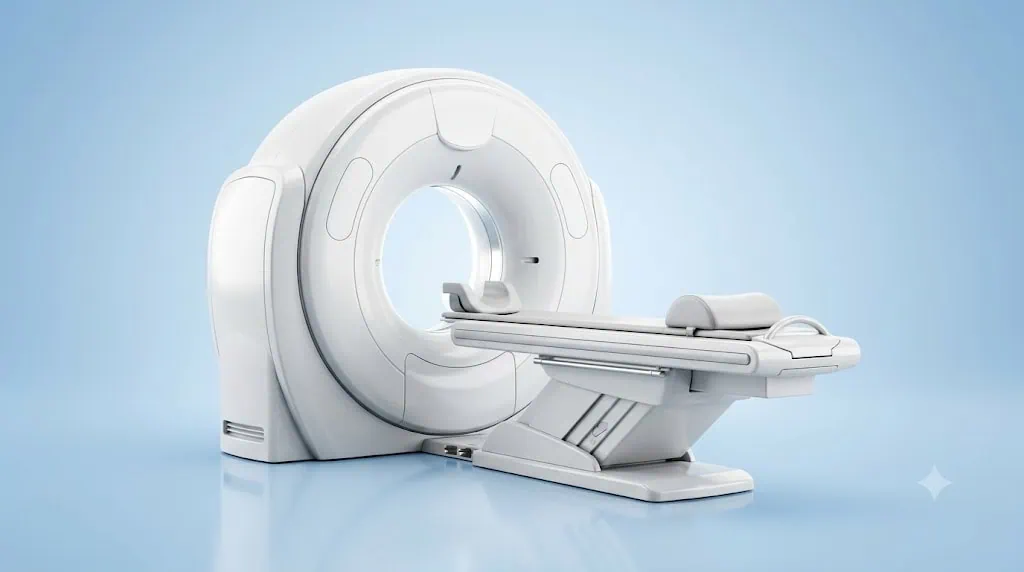
Force CT is a dual-source computed tomography system that captures detailed cross-sectional images quickly, supporting assessment of many conditions. At Acibadem in Turkey, it is used to help clinicians obtain diagnostic images while tailoring radiation exposure and scan protocols to the examination and individual patient needs.
Force CT: High-Speed, High-Detail CT Imaging
Force CT is an advanced dual-source computed tomography system designed to create highly detailed images of the body in a very short time. It supports doctors in understanding symptoms, confirming or ruling out conditions, planning treatment and monitoring recovery with greater clarity.
Computed tomography, commonly called CT, uses X-rays and computer processing to produce cross-sectional images of the body. Unlike a standard X-ray, a CT examination can show detailed views of organs, blood vessels, bones, lungs and soft tissues. Force CT is designed to deliver this information quickly while allowing the imaging team to tailor radiation exposure to the individual examination and patient needs.
At Acibadem International, Force CT supports the work of experienced radiology teams in JCI-accredited hospitals. Every scan is planned according to the patient’s clinical question, medical history and previous imaging. The goal is to provide useful diagnostic information while avoiding unnecessary steps whenever possible.
What Is Force CT?
Force CT is a dual-source CT technology. “Dual-source” means the system uses two X-ray sources and two detector systems working together. This enables rapid image acquisition and can be particularly valuable when imaging areas affected by movement, such as the heart, lungs or blood vessels.
The technology is designed to capture high-resolution images with excellent anatomical detail. It can help radiologists and treating specialists assess structures that may be difficult to evaluate with conventional imaging alone, including small blood vessels, complex bone anatomy and moving organs.
For patients, the experience remains similar to a standard CT scan. You lie on a moving examination table while it passes through a wide, open ring-shaped scanner. The scan itself is generally quick, non-invasive and painless. In selected examinations, a contrast agent may be used to make blood vessels, organs or certain tissues easier to see.
How Force CT Works
During a Force CT examination, the scanner rotates around the body while X-ray detectors collect a large volume of information. Advanced computer software then reconstructs this data into detailed images. Depending on the clinical need, the images may be viewed as thin slices, three-dimensional reconstructions or specialised images of blood vessels, organs or bones.
The dual-source design enables the system to scan rapidly and with high temporal resolution. In simple terms, this means it can capture clear images even when structures are moving. This is particularly helpful for cardiac imaging, where the heart continues to beat throughout the examination.
Force CT protocols are selected carefully by the radiology team. Factors such as the body area being examined, the reason for the scan, age, body size, previous imaging and whether contrast is needed may all influence the scanning approach. The team aims to obtain images that answer the clinical question while following radiation protection principles.
Personalised Imaging Planning
A CT scan is not a one-size-fits-all examination. Before your appointment, the radiologist and imaging team review the referral request and relevant health information. If you are travelling from abroad, you can share available medical reports, laboratory results and previous scans in advance for review.
Your examination plan may be adjusted based on your symptoms, known diagnosis, recent surgery, kidney function, allergies, pregnancy status and any implanted medical devices. This helps ensure that Force CT is used appropriately and that the resulting images support the next stage of your care.
Clinical Applications
Force CT may support assessment across many medical specialties. It does not replace a specialist consultation, physical examination or other tests when they are needed. Instead, it can provide important imaging information that helps doctors make informed decisions.
The exact examination depends on the clinical concern. A radiologist may perform a scan of one area, such as the chest or abdomen, or use a specialised protocol to assess blood vessels, the heart, bones or other structures.
| Clinical application | How Force CT may help | Examples of conditions or concerns assessed |
|---|---|---|
| Cardiac and coronary imaging | May provide fast, detailed images of the heart and coronary arteries, including in patients where motion can affect image quality. | Coronary artery disease assessment, chest pain investigation, coronary artery anatomy and selected pre-procedure planning. |
| Chest and lung imaging | Can create detailed images of the lungs, airways, chest structures and pulmonary blood vessels. | Persistent respiratory symptoms, lung nodules, infections, interstitial lung changes, pulmonary embolism assessment and follow-up imaging. |
| Abdomen and pelvis | May support clear evaluation of abdominal and pelvic organs, soft tissues and blood vessels. | Abdominal pain, liver or pancreas assessment, kidney and urinary tract concerns, bowel conditions, masses and treatment monitoring. |
| Vascular imaging | Can produce detailed CT angiography images of arteries and veins, often with contrast enhancement. | Aneurysms, narrowing of blood vessels, peripheral vascular disease, arterial injury and vascular treatment planning. |
| Neurological and head imaging | May help doctors assess the skull, facial bones, brain-related emergencies and blood vessels in the head and neck. | Head injury, stroke-related assessment, sinus conditions, facial trauma and selected vascular concerns. |
| Musculoskeletal imaging | Provides high-resolution views of bones, joints and complex anatomical structures. | Fractures, sports injuries, spinal conditions, joint abnormalities, bone lesions and surgical planning. |
| Oncology support | May assist with tumour detection, staging, treatment planning and follow-up when CT is clinically indicated. | Assessment of suspected cancer, evaluation of spread, response monitoring and planning for surgery or other treatment. |
| Emergency and trauma imaging | Fast image acquisition can be useful when timely diagnostic information is important. | Traumatic injury, internal bleeding concerns, acute chest or abdominal symptoms and urgent vascular assessment. |
Benefits and Advantages for Patients
The main value of Force CT is its ability to combine speed, image detail and personalised imaging protocols. For many patients, this can mean a more efficient examination and information that helps the medical team plan the next step with confidence.
High-quality imaging can be important when doctors need to distinguish between normal and abnormal tissue, evaluate the extent of a condition or plan a procedure precisely. In some cases, detailed CT findings may reduce the need for additional imaging or more invasive diagnostic approaches, although this will always depend on the individual situation.
| Patient benefit | What it may mean for your experience |
|---|---|
| High-speed scanning | The image acquisition phase is typically very short, which may be helpful for patients who find it difficult to stay still or hold their breath. |
| High-resolution imaging | Detailed images can help radiologists and specialists evaluate organs, vessels, bones and soft tissues with greater confidence. |
| Support for moving structures | Advanced speed and temporal resolution can assist with imaging of areas such as the heart, where motion is a natural challenge. |
| Individualised radiation approach | The radiology team selects protocols based on your examination and medical needs, following established radiation safety principles. |
| Non-invasive examination | Most CT scans do not require surgery or instruments inside the body. Some examinations may involve an intravenous contrast injection. |
| Clear support for treatment planning | Results may help guide decisions about further tests, medication, surgery, interventional procedures or follow-up care. |
| Coordinated international care | Medical reports can be reviewed before travel, and international patient coordinators can help organise appointments, interpretation and follow-up planning. |
What to Expect During a Force CT Procedure
Before your examination, the international patient team helps you understand the process in your preferred language whenever possible. You will have an opportunity to ask questions, share your medical history and provide previous reports or imaging studies. A specialist will confirm whether Force CT is appropriate for your case and explain the recommended examination.
Before the Scan
You may be asked to follow specific instructions before the appointment. For some CT examinations, particularly those involving contrast or cardiac imaging, you may need to avoid eating for a period before the scan or temporarily adjust certain medications. Your care team will provide personalised instructions.
Tell the team if you have ever had an allergic reaction to contrast material, have kidney disease, diabetes, thyroid conditions, asthma, are pregnant or may be pregnant, or take regular medicines. These details are important for planning a safe examination.
You may need to remove jewellery, glasses, hearing aids, removable dental devices or metal objects near the area being scanned. Depending on the examination, you may be asked to change into a gown.
During the Scan
A radiology technologist will position you comfortably on the CT table. Straps or supports may be used to help you remain in the correct position, but they should not cause pain. The table moves smoothly through the scanner opening while images are acquired.
The scanner is open at both ends, and the radiology team can communicate with you throughout the procedure. You may hear gentle mechanical sounds as the system operates. At certain moments, you may be asked to hold your breath for a few seconds to reduce movement and improve image clarity.
If contrast material is needed, it is usually administered through a small intravenous line. Some patients notice a temporary warm sensation, a metallic taste in the mouth or a feeling of needing to urinate. These sensations usually pass quickly. Inform the team immediately if you feel unwell, itchy, short of breath or experience any unexpected symptoms.
After the Scan
Most patients can return to normal activities soon after the examination. If you received contrast, your team may advise you to drink fluids unless this is not appropriate for your health condition. In selected cases, you may be monitored briefly after the scan.
A radiologist reviews the images and prepares a medical report. Your treating physician discusses the findings in the context of your symptoms, examination and other test results. If you are an international patient, your coordinator can help arrange consultations and support communication between relevant specialists.
Safety, Radiation Awareness and Accreditation
CT is an established imaging method used worldwide. Because CT involves X-rays, it uses ionising radiation. At Acibadem International, examinations are requested and performed when the expected diagnostic benefit is considered clinically appropriate.
Force CT technology is designed to support efficient imaging and protocol optimisation. However, the most suitable radiation level is not the same for every patient or every medical question. The radiology team selects the examination protocol according to the area being assessed and the information needed by your doctor.
Special attention is given to patients who may require additional precautions, including children, pregnant patients, people with reduced kidney function and patients with a history of contrast reactions. In some situations, another imaging method, such as ultrasound or MRI, may be more appropriate. Your physician will discuss the options based on your individual needs.
Force CT examinations are performed by trained radiology professionals working within established clinical and safety procedures. Acibadem International hospitals are JCI-accredited, reflecting a commitment to recognised standards in patient safety, quality improvement and coordinated care.
Why Force CT Matters for International Patients
When seeking care abroad, timely access to accurate information can make the journey feel more manageable. Force CT can support an efficient diagnostic pathway by providing detailed imaging that helps specialists understand your condition and discuss suitable treatment options.
Before you travel, you can share available reports, laboratory results and previous imaging for preliminary review. This allows the medical team to identify what information is already available and whether additional imaging may be needed after your consultation. Not every patient requires a new CT scan, and the decision is always based on medical necessity.
After you arrive in Türkiye, international patient coordinators can assist with appointment scheduling, language support, transfer of medical records and coordination between radiology and other specialties. This may be especially helpful when your care involves several departments, such as cardiology, oncology, pulmonology, neurology, orthopaedics or vascular surgery.
Following the examination, you can receive guidance on the next steps in your treatment plan. Where clinically appropriate, the team can also help organise follow-up communication after you return home, supporting continuity between your Acibadem International specialists and your local healthcare providers.
Frequently Asked Questions
Is Force CT safe?
Force CT is used routinely by trained radiology professionals within strict safety procedures. CT uses X-rays, so your medical team will ensure the examination is clinically appropriate and tailor the protocol to your needs. If contrast is planned, the team will review relevant health information, including kidney function and previous contrast reactions.
Is Force CT painful?
The scan itself is painless. You will need to lie still on the examination table, and you may be asked to hold your breath briefly. If contrast is used, the injection may cause short-lived sensations such as warmth or a metallic taste.
Will I need contrast material?
Not always. Contrast may be recommended when doctors need a clearer view of blood vessels, organs, inflammation or certain types of lesions. Whether it is needed depends on the purpose of your scan and your medical history.
How long does the examination take?
The scanning portion is generally very quick. Your overall appointment may take longer because it includes registration, safety checks, preparation, positioning and, if needed, contrast administration. Your coordinator will provide guidance based on the type of CT examination planned.
Will my insurance cover Force CT?
Coverage depends on your insurance policy, the reason for the examination and the requirements of your insurer. Share your insurance details with the international patient team, and they can help clarify available options and explain expected arrangements before your visit.
How do I get started?
You can submit a consultation request and share your available medical reports, imaging results and physician notes. A specialist can review your case, advise whether Force CT may be suitable and recommend the most appropriate next step. The international patient team will help coordinate your diagnostic and treatment journey in Türkiye.
Related Medical Units
Available at these Hospitals
















Related Treatments
Speak with our medical team
Find out how this technology could support your diagnosis or treatment.