

Quick answer
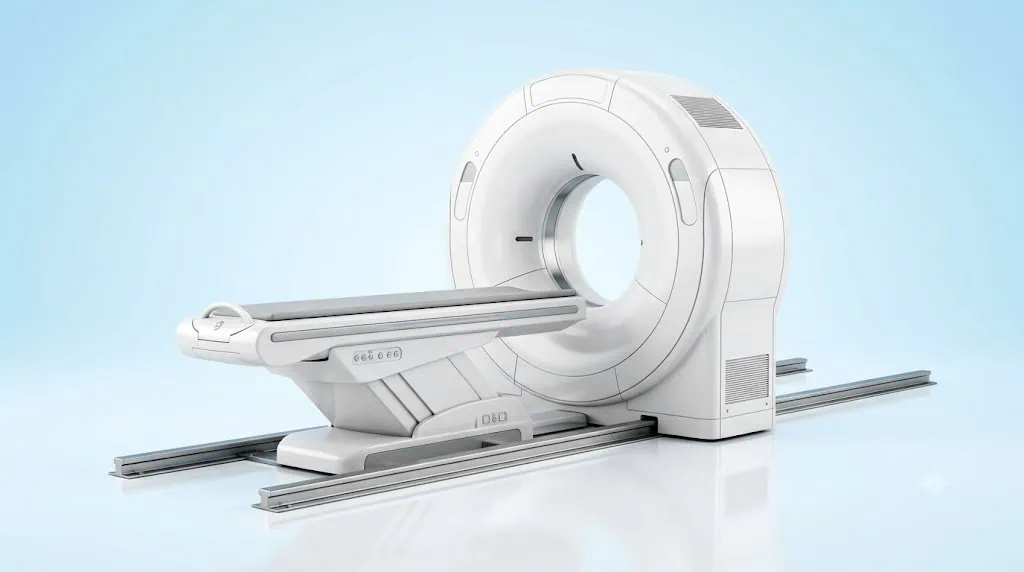
Sliding CT is a computed tomography system with a movable gantry that allows detailed imaging to be performed in areas such as intensive care units and operating theatres. At Acibadem in Turkey, it can support rapid diagnostic assessment and intraoperative imaging when moving a patient to a conventional CT suite is difficult or unsuitable.
Sliding CT: Advanced Imaging Where Patients Need It Most
Sliding CT is an advanced computed tomography imaging system designed to bring detailed CT scanning capability directly to patients in critical care and surgical settings. Unlike a conventional CT scanner, where the patient is usually transported to the imaging department, a sliding-gantry CT can move into position in selected areas such as the intensive care unit (ICU) or operating theatre.
This approach can be especially valuable when a patient is critically unwell, connected to complex monitoring equipment, receiving intensive support, or undergoing surgery. By reducing the need to transfer a patient between departments, Sliding CT can help clinical teams obtain important images quickly while maintaining continuity of care.
At Acibadem International, our radiology, intensive care, surgical and anaesthesia teams use advanced imaging technologies to support precise diagnosis and treatment planning. Sliding CT provides high-resolution cross-sectional images that help specialists evaluate internal organs, blood vessels, bones and soft tissues in detail.
Every imaging decision is based on an individual medical assessment. Your specialist will review your symptoms, medical history, previous scans and current condition to determine whether Sliding CT or another imaging method is most appropriate for your care.
How Sliding CT Works
CT, or computed tomography, uses carefully controlled X-rays and advanced computer processing to create detailed images of the body. These images can be viewed as thin slices, allowing doctors to assess structures that may not be visible clearly on standard X-rays.
With Sliding CT, the CT gantry—the circular part of the scanner that produces the images—can move along a dedicated rail or positioning system. This makes it possible to perform imaging in a prepared intensive care or operating room environment, rather than requiring the patient to be moved to a conventional CT suite.
During the scan, the patient may remain on their hospital bed or operating table, depending on the clinical setting and the imaging protocol. The care team positions the patient carefully, ensures that all essential equipment is safely arranged, and performs the scan using protocols tailored to the area being examined.
In some cases, a contrast agent may be used to make blood vessels, organs or certain tissues easier to assess. Contrast is not necessary for every scan. If it may be helpful, your medical team will explain why it is recommended and check relevant factors such as allergies, kidney function and previous contrast reactions.
Detailed Imaging With Coordinated Care
Sliding CT is not simply a diagnostic device. It is part of a coordinated clinical workflow involving radiologists, surgeons, intensivists, anaesthesiologists, nurses, radiographers and other relevant specialists. The images are reviewed in the context of the patient’s condition, monitoring results and treatment plan.
For patients in intensive care or theatre, timely imaging may help teams assess changes in the patient’s condition, confirm the position of selected medical devices, identify complications, or guide next clinical steps. The exact purpose of the scan depends on the individual situation.
Clinical Applications of Sliding CT
Sliding CT may be used when high-quality CT imaging is needed and moving the patient to a standard imaging department may be challenging, time-sensitive or clinically undesirable. It can support decision-making in critical care, emergency care and surgical environments.
The technology can be used across a range of specialties. It does not replace clinical examination, laboratory testing, ultrasound, MRI or other imaging methods when these are more suitable. Instead, it gives medical teams another valuable option for obtaining detailed information in carefully selected cases.
| Clinical applications | How Sliding CT may support care | Examples of conditions or clinical situations |
|---|---|---|
| Intensive care imaging | Supports detailed assessment without routine transfer from the ICU when a patient requires close monitoring or advanced life-support equipment. | Head injury, stroke assessment, chest complications, abdominal concerns, complex infection assessment and postoperative monitoring. |
| Neurocritical care | Provides rapid imaging of the brain and skull to help teams evaluate urgent neurological changes. | Traumatic brain injury, suspected intracranial bleeding, hydrocephalus, neurological deterioration and follow-up after neurosurgical procedures. |
| Surgical and operating theatre support | May provide intraoperative or perioperative imaging when surgeons need additional anatomical information during complex care. | Selected neurosurgical, trauma, vascular, orthopaedic and complex surgical procedures. |
| Chest and respiratory evaluation | Offers detailed views of the lungs, airways and chest structures in critically ill patients. | Severe pneumonia, lung injury, pleural collections, pulmonary complications and selected postoperative concerns. |
| Trauma assessment | Helps identify injuries involving the head, chest, abdomen, pelvis or bones when rapid imaging is clinically required. | Multiple trauma, fractures, internal injury, suspected bleeding and complex postoperative trauma follow-up. |
| Abdominal and pelvic assessment | Can help specialists investigate internal changes and support treatment planning in patients who require close observation. | Abdominal bleeding, bowel complications, infection, fluid collections, organ injury and postoperative complications. |
Benefits and Advantages for Patients
The central advantage of Sliding CT is that it can bring advanced imaging closer to the patient. For people receiving intensive care or undergoing complex surgery, avoiding unnecessary movement may be an important practical and clinical benefit.
Patient transfer can require extensive coordination when a person is receiving oxygen support, mechanical ventilation, intravenous treatments, continuous monitoring or other specialised care. A mobile gantry system may help reduce the logistical demands associated with transport in selected situations.
Sliding CT also supports detailed and early assessment. Clear images can help doctors understand the patient’s condition, review treatment response and make informed decisions with the wider multidisciplinary team.
As with all CT imaging, radiation exposure is considered carefully. The medical team uses imaging protocols designed for the clinical question and aims to use the lowest radiation dose reasonably achievable while maintaining the image quality needed for diagnosis and treatment planning.
| Patient benefits at a glance | What this can mean for the patient |
|---|---|
| Imaging closer to the bedside or operating table | Selected patients may not need to be routinely transported to a separate CT department for imaging. |
| High-resolution diagnostic information | Specialists can review detailed images of internal structures to support diagnosis, monitoring and treatment planning. |
| Support for urgent clinical decisions | When medically appropriate, timely CT information can assist teams managing complex or changing conditions. |
| Continuity of intensive monitoring | Care may remain coordinated within the ICU or theatre environment, with specialist equipment and staff available. |
| Personalised imaging approach | The scan protocol, use of contrast and timing of imaging are selected according to individual clinical needs. |
| Largely non-invasive examination | CT imaging does not involve surgery; contrast injection may be needed in some cases. |
What to Expect During a Sliding CT Procedure
Your experience will depend on whether the scan is planned in intensive care, during surgery or as part of another hospital-based assessment. Before the scan, the clinical team checks the reason for imaging, confirms patient identity, reviews relevant medical information and explains the process to the patient or, where appropriate, to family members or legal representatives.
For international patients, Acibadem International coordinates communication before and during treatment. Our teams can help arrange medical document review, interpretation support and communication with your treating team. We aim to ensure that you and your family understand the planned imaging process, expected next steps and any instructions relevant to your case.
Before the Scan
Your doctor may ask about previous imaging, allergies, kidney disease, thyroid conditions, pregnancy or the possibility of pregnancy, and medicines you are taking. These questions are particularly important if contrast material may be used.
If the scan is planned before surgery or during a hospital admission, your clinical team will provide specific preparation instructions. In some situations, fasting may be required before contrast imaging or anaesthesia. In urgent and intensive care situations, preparation is adapted to the patient’s immediate medical needs.
During the Scan
The patient is positioned safely on a hospital bed or operating table. The Sliding CT gantry moves into the appropriate scanning position. The scan itself is usually quick, although preparation, safety checks and positioning may take longer.
Patients who are awake may be asked to remain still and, for some chest or abdominal scans, may receive breathing instructions. Patients in intensive care or under anaesthesia are continuously managed by the appropriate medical team.
If contrast is used, it may be administered through an intravenous line. Some people experience a brief warm sensation or a metallic taste. These effects are usually temporary. The team remains available throughout the procedure and monitors for any unexpected reaction.
After the Scan
After imaging, the patient returns to their ongoing care plan in the ICU, operating theatre or hospital unit. If contrast has been used, the team may recommend monitoring and hydration according to the patient’s condition.
A radiologist interprets the images and prepares a report. The findings are reviewed by the treating specialists alongside other clinical information. Your doctor will explain what the results mean and whether any additional imaging, treatment adjustment or follow-up is recommended.
Safety, Radiation Management and Clinical Standards
CT imaging is widely used because it provides detailed information that can be essential for medical decision-making. However, CT uses ionising radiation, so every examination should have a clear clinical purpose. At Acibadem International, imaging is requested and performed according to medical need, with protocols selected to balance diagnostic quality and radiation awareness.
The scan settings may be adjusted according to the patient’s age, body size, area being examined and clinical question. This supports an individualised approach while ensuring that the images provide the level of detail required by the medical team.
Contrast agents are also used only when clinically appropriate. Before contrast-enhanced CT, the team considers the patient’s medical history and relevant test results. Patients with a known allergy, kidney concerns or other risk factors may require additional precautions, an alternative imaging approach or a different protocol.
Sliding CT is operated by trained imaging professionals in collaboration with the relevant hospital teams. In critical care and theatre environments, safety includes careful management of lines, monitoring devices, ventilators, anaesthesia equipment and other essential technology. The team follows established clinical procedures to maintain patient safety throughout the imaging process.
JCI-Accredited Hospital Care
Acibadem International supports patients receiving care within JCI-accredited hospital environments. Accreditation reflects a commitment to structured quality, patient safety, infection prevention, clinical governance and continuous improvement.
For a technology such as Sliding CT, safe care depends on more than the scanner itself. It relies on experienced specialists, appropriate clinical protocols, clear communication, multidisciplinary review and coordinated follow-up. Our teams work together to ensure imaging findings are integrated into the wider treatment plan.
Why Sliding CT Matters for International Patients
Travelling abroad for medical care can feel complex, particularly when treatment involves urgent, intensive or surgical services. International patients and families often need clear information, well-organised scheduling and a single point of coordination across different departments.
Acibadem International helps coordinate the patient journey from the first medical document review through hospital admission, imaging, specialist consultations and discharge planning. If Sliding CT is relevant to your care, our team can help confirm the most suitable hospital and connect you with the appropriate specialists.
Before travel, you can share available medical reports, previous scan results, laboratory findings and treatment summaries for preliminary review. The clinical team can then assess whether additional imaging may be needed and whether Sliding CT could have a role in your treatment plan. A final recommendation is always made after a full medical evaluation.
Language support is especially important when discussing advanced imaging and complex treatment decisions. Our international patient services can help facilitate communication so that patients and families can ask questions, understand recommended procedures and receive coordinated information during their stay in Türkiye.
Where appropriate, our teams also assist with practical elements of the care journey, including appointment coordination, hospital admission arrangements and communication regarding follow-up planning. Insurance coverage varies by policy and insurer. If you plan to use insurance, our team can review the available information and help explain the process before treatment.
Is Sliding CT Right for You?
Sliding CT is most often considered for patients who need advanced imaging while receiving intensive care, undergoing surgery or requiring close clinical monitoring. It may be particularly useful when moving a patient to a standard CT department is difficult or when imaging is needed in a highly coordinated care environment.
Not every patient needs Sliding CT. In many situations, conventional CT, MRI, ultrasound, X-ray or another examination may be the more suitable option. The right choice depends on the medical question, the patient’s stability, the body area being assessed and the wider treatment plan.
A specialist review is the best way to understand whether this technology may be relevant for you or your family member. By sharing your medical records through a consultation request, you can receive guidance on the appropriate specialty, hospital setting and next steps for evaluation.
Frequently Asked Questions
Is Sliding CT safe?
Sliding CT is used by trained specialists under established hospital safety protocols. As with any CT scan, radiation exposure and the possible use of contrast are considered carefully. Your medical team will explain the expected benefits, any relevant risks and specific considerations based on your health condition.
Does Sliding CT replace a regular CT scanner?
No. Sliding CT is a specialised solution for selected clinical settings, particularly intensive care and operating theatre environments. Conventional CT remains appropriate for many patients and examinations. Your doctors will recommend the imaging method that best meets your clinical needs.
Will I need contrast material?
Not always. Contrast may be useful when doctors need clearer information about blood vessels, organs, inflammation, infection or other tissues. Your team will decide whether contrast is appropriate and review any relevant medical history beforehand.
Can family members stay with the patient during the scan?
Access to ICU and operating theatre areas is carefully controlled for safety, privacy and infection prevention. The hospital team will explain visitation arrangements and keep authorised family members informed in line with hospital policies and the patient’s condition.
Will my insurance cover Sliding CT?
Insurance coverage depends on your individual policy, insurer approval process and the clinical reason for imaging. Our international patient team can help you understand the documentation needed and coordinate with your insurer where applicable.
How can I begin the consultation process?
You can submit your available medical reports, imaging findings and treatment history through a consultation request. After specialist review, our team can advise whether Sliding CT may be relevant to your treatment plan and help coordinate the appropriate next steps.
Related Medical Units
Available at these Hospitals


















Speak with our medical team
Find out how this technology could support your diagnosis or treatment.