Hip Labral Tear: Groin Pain, Diagnosis, and Treatment

A hip labral tear often causes deep groin pain, hip clicking, catching or stiffness, especially during activity or prolonged sitting. Common causes include femoroacetabular impingement, hip dysplasia, sports-related twisting injuries, trauma and gradual wear.
Key Takeaways
- A hip labral tear often causes deep groin pain, hip clicking, catching or stiffness, especially during activity or prolonged sitting.
- Common causes include femoroacetabular impingement, hip dysplasia, sports-related twisting injuries, trauma and gradual wear.
- Diagnosis usually combines a medical history, physical examination and imaging such as X-ray and MRI or MR arthrography.
- Many people improve with activity modification, physiotherapy and pain-relieving measures, but persistent mechanical symptoms may need specialist assessment.
- Hip arthroscopy may be considered when symptoms continue despite conservative care or when structural problems need correction.
A hip labral tear is an injury to the ring of cartilage that helps stabilize and cushion the hip joint. It may cause groin pain, clicking, stiffness or reduced hip movement, and treatment depends on the tear, symptoms and underlying hip anatomy.
Overview
A hip labral tear is an injury to the labrum, a strong ring of fibrocartilage around the socket of the hip joint. The hip is a ball-and-socket joint: the ball is the head of the femur, and the socket is part of the pelvis called the acetabulum. The labrum deepens the socket, helps keep the joint stable and contributes to smooth movement by supporting the seal of joint fluid.
When the labrum is torn, a person may feel pain, clicking, catching or a sense that the hip is not moving normally. Many tears involve the front part of the hip socket, which is why pain is often felt deep in the groin. However, symptoms can vary and some labral tears are found on imaging in people who have little or no pain.
A hip labral tear is not always a stand-alone problem. It often occurs together with changes in hip shape or mechanics, such as femoroacetabular impingement, known as FAI, or hip dysplasia. For this reason, doctors look not only at the tear itself but also at the overall structure, movement and health of the hip joint before recommending treatment.
Symptoms of a Hip Labral Tear
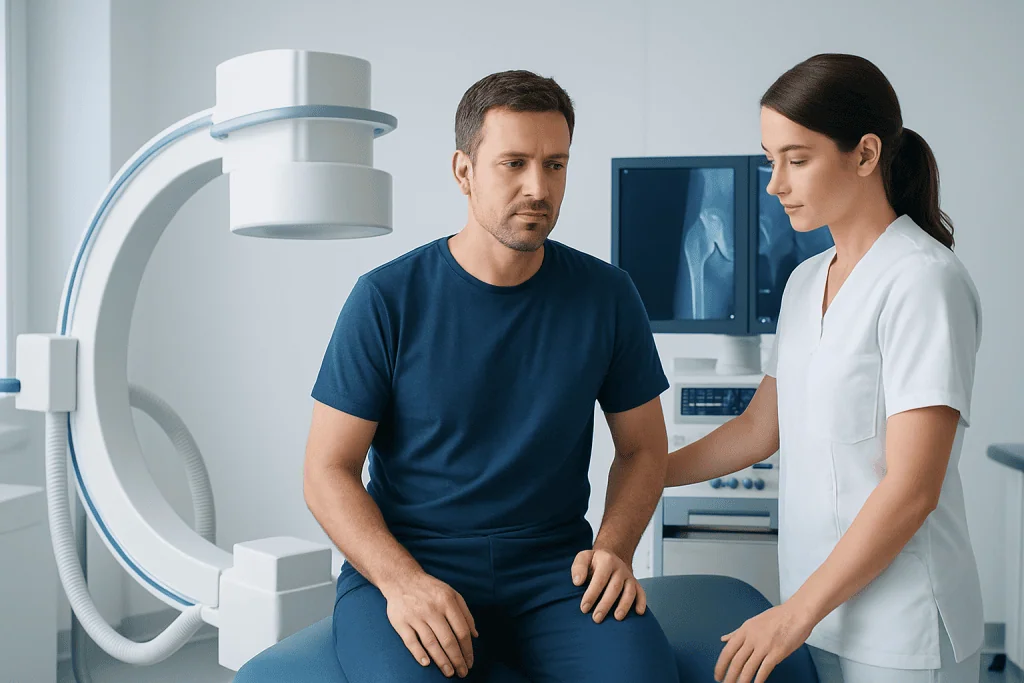
The most common symptom is deep pain in the front of the hip or groin. The pain may feel sharp during twisting, pivoting, squatting or getting in and out of a car. Some people describe a dull ache after exercise, prolonged sitting or long walks. Pain can also be felt around the side of the hip, buttock or thigh, which can make the condition difficult to distinguish from muscle, tendon, spine or pelvic problems.
Mechanical symptoms are also common. These may include clicking, catching, locking, popping or a sensation that the hip is giving way. A person may notice reduced range of motion, stiffness or difficulty rotating the leg inward. Athletes may feel unable to accelerate, change direction or perform deep hip movements as comfortably as before.
Symptoms may develop suddenly after a fall, collision or twisting movement, but they can also appear gradually over months or years. The pattern of symptoms is important. A mild, occasional click without pain is not always concerning, while persistent pain, loss of movement or repeated catching deserves medical evaluation.
Causes and Risk Factors
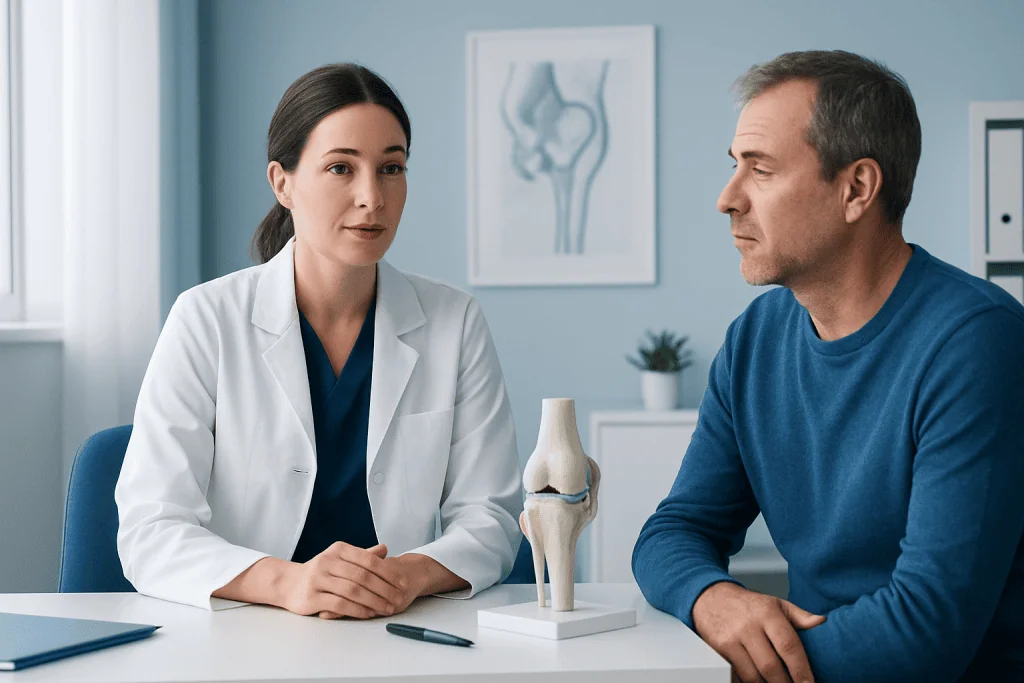
Several factors can increase stress on the hip labrum. One of the most common is femoroacetabular impingement, where the ball and socket do not fit together as smoothly as they should. Extra bone on the femoral head-neck area, the socket rim or both can cause the bones to contact earlier during movement. Over time, this may pinch or damage the labrum and nearby cartilage.
Hip dysplasia is another important factor. In dysplasia, the socket may be shallower or less supportive than usual, so the labrum may work harder to stabilize the joint. Traumatic injuries, such as falls, motor vehicle accidents or sports collisions, can also tear the labrum. Repetitive pivoting or extreme hip positions in activities such as football, hockey, martial arts, dance, gymnastics and running sports may contribute in some people.
Risk factors can include:
- Sports or work that involve repeated twisting, cutting, squatting or deep hip flexion
- Previous hip injury or surgery
- Hip shape differences such as FAI or dysplasia
- Joint laxity or hypermobility in selected patients
- Early cartilage wear or osteoarthritis
It is important to understand that having a risk factor does not mean a person will definitely develop a tear. Similarly, a labral tear seen on imaging does not always explain all symptoms. A careful clinical assessment helps connect imaging findings with the person’s pain, movement and goals.
Diagnosis
Diagnosis begins with a detailed medical history. The doctor asks where the pain is located, how it started, which activities make it worse, and whether there are clicking, catching or locking sensations. Information about sports, work demands, previous injuries and general joint health can help identify possible causes.
The physical examination usually assesses walking pattern, hip range of motion, strength and tenderness. Specific movement tests may reproduce symptoms by placing the hip in positions that stress the labrum or reveal impingement. The doctor may also examine the lower back, pelvis, abdominal area and surrounding tendons, because several conditions can mimic hip labral pain.
Imaging helps confirm the diagnosis and evaluate the whole joint. X-rays are often used to look at bone shape, hip alignment, dysplasia, impingement signs and arthritis. MRI can show the labrum, cartilage and soft tissues; in some cases, an MR arthrogram, where contrast is placed into the joint before MRI, may give more detail. Occasionally, an image-guided injection of local anesthetic into the hip joint is used to help determine whether pain is truly coming from inside the joint.
Treatment Options
Treatment depends on symptom severity, activity goals, hip structure, cartilage health and whether there are related problems such as FAI or dysplasia. Not every labral tear requires surgery. Many patients start with conservative care, especially if pain is mild to moderate and there is no persistent locking or major loss of function.
Non-surgical treatment may include temporary activity modification, avoiding movements that repeatedly provoke symptoms, and a physiotherapy program focused on hip and core strength. Therapy often aims to improve movement control, reduce excessive stress on the hip joint and strengthen muscles around the pelvis, buttock and trunk. Pain-relieving medicines may be used when appropriate, under medical guidance. Some patients may be offered an image-guided injection to reduce inflammation or to help clarify the pain source.
Surgery may be considered when symptoms remain limiting despite well-planned conservative treatment, or when there are mechanical symptoms and structural hip problems that are likely to keep irritating the labrum. Hip arthroscopy is a minimally invasive procedure performed through small incisions. Depending on the findings, the surgeon may repair the labrum, remove unstable torn tissue, reshape impinging bone or address cartilage damage. If significant dysplasia or advanced arthritis is present, other treatment strategies may be more suitable than arthroscopy alone.
Recovery after hip labral treatment is individual. After arthroscopy, rehabilitation typically progresses through phases that protect healing tissues, restore range of motion, rebuild strength and gradually return to sport or daily activities. Following the surgeon’s and physiotherapist’s instructions is important, because returning too quickly to high-load movements can slow recovery.
Prevention and Self-Care
Not all hip labral tears can be prevented, especially when hip anatomy or a traumatic injury plays a role. However, sensible training habits and good movement mechanics may reduce unnecessary stress on the joint. Gradual increases in activity, adequate warm-up, strength training and attention to flexibility can help the hip tolerate daily and athletic demands.
People with hip discomfort may benefit from avoiding repeated deep squats, aggressive twisting, high-impact drills or prolonged positions that trigger pain until they are assessed. Low-impact activities such as cycling with appropriate seat height, swimming or walking on even surfaces may be more comfortable for some, but the best choice varies by person. A physiotherapist can guide safe modifications without causing excessive deconditioning.
Self-care should not replace medical evaluation when symptoms persist. Gentle stretching, strengthening and short-term rest may help mild irritation, but forcing painful movement is not recommended. Maintaining a healthy body weight, treating related back or pelvic issues and using proper technique in sports can support overall hip health.
When to See a Doctor
A person should consider seeing a qualified doctor if hip or groin pain lasts more than a few weeks, interferes with walking or sport, or repeatedly returns after activity. Medical assessment is also appropriate when there is catching, locking, giving way, reduced range of motion or pain that is not improving with rest and sensible activity changes.
Prompt evaluation is important after a significant fall, collision or injury, particularly if weight-bearing is difficult. Pain with fever, unexplained swelling, severe night pain, numbness, or symptoms after a major accident should be assessed urgently, because these features may suggest conditions other than a labral tear that need timely care.
Specialist care can help distinguish a hip labral tear from other causes of groin pain and identify whether underlying hip structure is contributing. Acibadem International’s multidisciplinary specialists and JCI-accredited hospitals diagnose and treat hip labral injuries for international patients, including non-surgical care, imaging evaluation and surgical options when appropriate.
Frequently asked questions
What does a hip labral tear feel like?
A hip labral tear often feels like deep groin pain, especially during twisting, pivoting, squatting or prolonged sitting. Some people also notice clicking, catching, stiffness or a feeling that the hip is not moving smoothly. Symptoms can overlap with tendon, muscle, back or pelvic conditions, so a medical assessment is helpful.
Can a hip labral tear heal on its own?
The labrum has a limited blood supply, so a true tear may not fully heal in the same way as a skin cut or muscle strain. However, symptoms can improve with non-surgical care, including activity modification, physiotherapy and pain management. The goal is to reduce irritation, improve hip control and help the person return to activities safely.
Is groin pain always caused by a labral tear?
No. Groin pain can come from many sources, including hip tendons, muscles, the pubic joint, hernias, the lower back, nerves or other hip joint conditions. A labral tear is one possible cause, especially when pain is deep and accompanied by clicking or catching. Diagnosis usually requires a combination of examination and imaging.
What imaging test is best for a hip labral tear?
X-rays are often the first step because they show bone shape, alignment and arthritis. MRI can evaluate the labrum and surrounding soft tissues, and an MR arthrogram may provide more detail in selected cases. The best imaging choice depends on the patient’s symptoms, examination findings and the doctor’s clinical question.
When is hip arthroscopy considered?
Hip arthroscopy may be considered when pain and mechanical symptoms continue despite appropriate conservative treatment. It may also be used when a correctable structural issue, such as femoroacetabular impingement, is contributing to labral damage. The decision depends on the person’s age, activity goals, cartilage health, hip anatomy and overall medical condition.
How long does recovery take after treatment?
Recovery varies depending on whether treatment is non-surgical or surgical, the severity of the injury and the person’s activity goals. Physiotherapy-based care may require several weeks to months of consistent work. After arthroscopy, rehabilitation is usually gradual and supervised, with return to higher-level sports only when strength, movement and comfort have appropriately recovered.
References
- American Academy of Orthopaedic Surgeons
- Mayo Clinic
- Cleveland Clinic
- Radiological Society of North America
- National Institute of Arthritis and Musculoskeletal and Skin Diseases
This article is for general information only and is not a substitute for professional medical advice. Please consult a qualified doctor about your individual situation.
Joint and spine care in Turkey — expert assessment & treatment
JCI-accredited · board-certified surgeons · reply within 24h
Add us as a Preferred Source to see more of our trusted health content across Google Search, AI Overviews and Discover.

Orthopedics & Spine
Care for bones, joints and the musculoskeletal system, including joint replacement, sports injuries and trauma.
125 specialists in this unit