

HoLEP in Turkey: How It Compares With TURP and What Recovery Involves
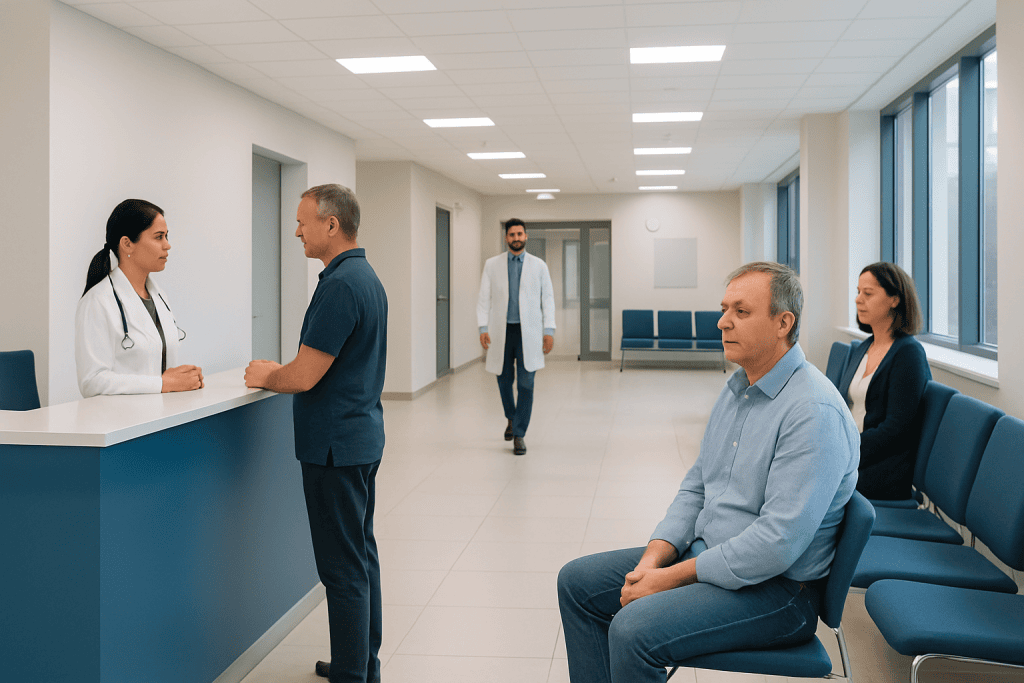
HoLEP in Turkey treats enlarged prostate tissue with laser enucleation; learn how it compares with TURP, recovery, travel and follow-up.
This guide explains HoLEP for benign prostate enlargement, including how it compares with TURP, what recovery may involve, and how to plan treatment in Turkey. It is designed to help you ask informed questions during a urology consultation.
At a glance
- Procedure type: Minimally invasive endoscopic laser prostate surgery
- Purpose: To relieve urinary obstruction caused by benign prostatic enlargement (BPH)
- Anesthesia: Usually general or spinal anesthesia, depending on your health and anesthesiologist’s assessment
- Hospital stay: Often one night; this may vary with catheter needs, recovery and medical history
- Estimated recovery: Initial recovery commonly takes a few weeks; urinary healing and stabilization continue for longer
- Return to daily life: Light daily activities are often possible within days, with gradual return based on medical advice
- Final result timeline: Urinary symptoms may improve early, while urgency, frequency and healing can settle over weeks to months
- Suitable department: Urology
- International patient support: Acibadem International can assist with coordination, interpreters, transfers, accommodation guidance and remote follow-up
What is this treatment?
Holmium laser enucleation of the prostate, usually called HoLEP, is an endoscopic operation used to treat urinary blockage caused by benign prostatic hyperplasia (BPH), also known as an enlarged prostate. During the procedure, your urologist passes a small camera and surgical instruments through the urethra, the natural urinary channel. No external incision is usually needed.
The laser separates obstructing prostate tissue from its outer capsule. The tissue is then broken into small pieces inside the bladder and removed. By creating a wider passage for urine, HoLEP aims to improve weak flow, straining, incomplete emptying, frequent urination and waking at night to urinate.
HoLEP treats benign enlargement rather than prostate cancer. Tissue removed during surgery may be examined in a laboratory, which can occasionally identify unexpected findings that your urologist will discuss with you. A full assessment is important because urinary symptoms can also have bladder, infection, neurological or cancer-related causes.
When is it recommended?
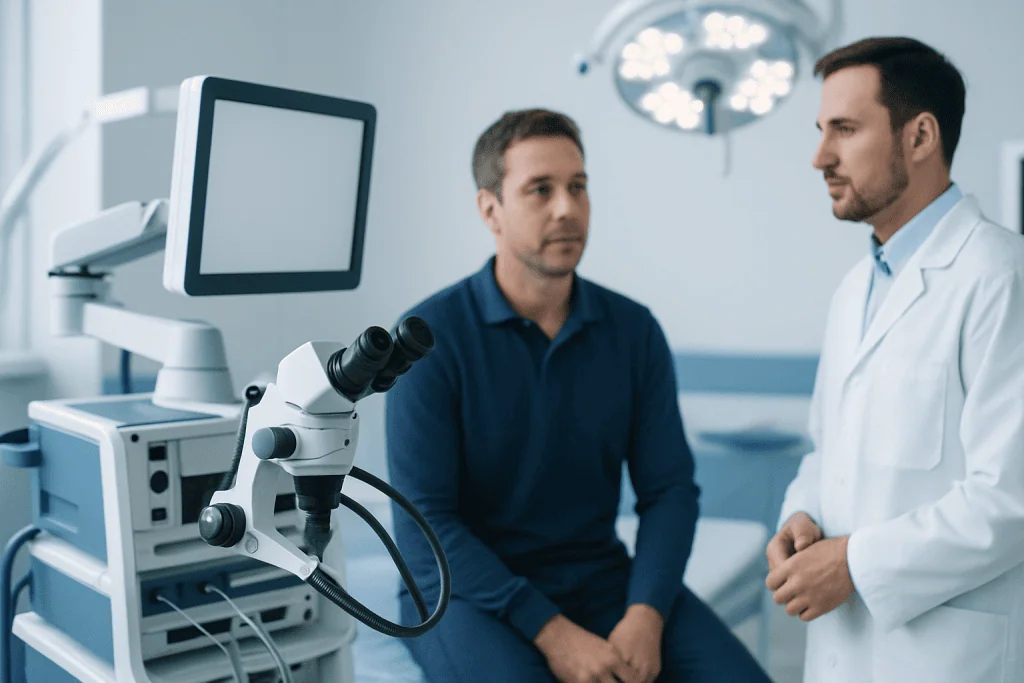
HoLEP may be recommended when an enlarged prostate is causing bothersome urinary symptoms that do not improve sufficiently with lifestyle measures or medication, or when medication is not suitable for you. It may also be considered if obstruction is contributing to recurrent urinary retention, repeated infections, bladder stones, kidney-related concerns or persistent blood in the urine after other causes have been assessed.
Your urologist will consider the severity of your symptoms, prostate size and shape, urine flow, residual urine after voiding, prostate-specific antigen assessment where appropriate, imaging and any cystoscopy or urodynamic findings. Your general health, blood-thinning medicines and previous prostate procedures also matter.
Not everyone with an enlarged prostate needs surgery. If your symptoms are mild and there are no complications, monitoring, medication or another minimally invasive approach may be reasonable. The decision should be individualized after a urology consultation.
Who is a good candidate?

You may be a candidate for HoLEP if you have confirmed BPH with urinary obstruction and would like a durable surgical option, particularly when symptoms significantly affect your comfort, sleep or day-to-day life. It can be used for small, medium or large prostates when performed by an appropriately trained urologist.
A good candidate is medically fit enough for anesthesia and has had appropriate evaluation to identify the cause of urinary symptoms. You should be able to follow catheter, medication, hydration, activity and follow-up instructions after discharge. If you travel from abroad, you also need a plan for staying locally until your treating team considers it safe for you to travel.
HoLEP may need special planning if you have active urinary infection, a bleeding disorder, significant heart or lung disease, a urethral narrowing, prior pelvic treatment, a neurological bladder condition or use anticoagulant or antiplatelet medication. These factors do not automatically rule out treatment, but they require careful physician-led planning.
Treatment options
HoLEP is one of several options for BPH. Observation and lifestyle adjustments may be suitable for mild symptoms. Medicines can relax the prostate or reduce its size in selected patients, although they may not fully relieve obstruction and can have side effects. Your urologist may also discuss office-based or minimally invasive treatments when clinically appropriate.
Transurethral resection of the prostate (TURP) is a long-established endoscopic procedure in which obstructive tissue is resected through the urethra. It remains an important option for selected patients. In comparison, HoLEP enucleates the enlarged tissue using a laser and can be particularly useful when a more complete removal of obstructing tissue is desired, including in larger prostates.
Other surgical approaches may include laser vaporization, transurethral incision in selected smaller prostates, simple prostatectomy for particular cases, or other technologies depending on local availability and your anatomy. The best option is not determined by prostate size alone. Your urologist should explain expected benefits, limitations, anesthesia needs, sexual and continence considerations, recovery and the likelihood of needing future treatment.
Which is safer, TURP or HoLEP?
Both TURP and HoLEP are established treatments when performed by experienced urology teams and selected appropriately. Neither is universally “safer” for every person. HoLEP may offer advantages such as effective tissue removal with good surgical visibility and potentially less bleeding in some circumstances, while TURP remains a well-understood and suitable operation for many patients.
Your individual safety depends on factors such as prostate size, anatomy, urinary retention, infection risk, medications that affect bleeding, heart and lung health, prior operations and the experience of the operating team. Ask your surgeon why one approach is recommended for you, what alternatives are reasonable, and how your specific risks will be managed.
What is the downside of HoLEP?
HoLEP has a learning curve and outcomes depend partly on the surgeon’s training and experience. Temporary burning, urgency, frequency, blood in the urine and leakage can occur while the urinary tract adjusts. Some patients find this recovery period more inconvenient than expected, even when the operation is technically successful.
As with other prostate operations, HoLEP can lead to retrograde ejaculation, meaning semen goes backward into the bladder during orgasm rather than out through the penis. This is not usually harmful, but it can affect fertility and should be discussed before treatment. Less commonly, persistent urinary leakage, urethral narrowing, bladder-neck scarring, erectile changes, residual symptoms or a need for additional treatment may occur.
Online evaluation before travel
Before you travel, Acibadem International can coordinate an initial review of your available medical information with the relevant urology team. This helps clarify whether HoLEP may be an option, what tests may need repeating after arrival, how long you may need to remain in Turkey and whether additional specialist input is needed.
Please share a clear history of your urinary symptoms, current medications and previous urology treatment. Helpful records can include prostate ultrasound or MRI reports where available, urine test results, PSA-related records if applicable, uroflowmetry or bladder emptying results, cystoscopy reports and past operative notes.
An online review is preliminary and cannot replace an in-person examination or final surgical decision. Your urologist may change the recommendation after reviewing your health in person, performing tests or identifying a condition that needs treatment first.
Before the treatment
Your pre-treatment assessment may include a medical history, physical examination, urine testing and blood tests. Depending on your case, the team may arrange imaging, urine flow testing, measurement of residual urine, electrocardiography, anesthesia assessment or other investigations. A urine infection generally needs treatment before an elective procedure.
Tell your care team about all medicines, including blood thinners, diabetes medicines, supplements and herbal products. Do not stop prescribed anticoagulant or antiplatelet medication on your own; your urologist, anesthesiologist and prescribing physician will provide a personalized plan if changes are needed.
You will receive instructions about eating and drinking before anesthesia, arrival time and what to bring. If you have a companion, they can help you during the immediate recovery period, but you should still arrange support according to the hospital’s visitor and discharge policies.
What happens during the treatment
HoLEP is usually performed under general or spinal anesthesia. Once anesthesia is effective, the surgeon inserts a scope through your urethra to view the prostate and bladder. The holmium laser is used to separate the enlarged prostate tissue from the surrounding capsule.
The separated tissue is moved into the bladder, fragmented with a device called a morcellator and removed. The operation length varies with prostate size, anatomy, bleeding, previous procedures and other technical factors. Removed tissue may be sent for laboratory analysis as part of routine care.
At the end of surgery, a urinary catheter is normally placed to drain urine and allow bladder irrigation if needed. You will wake in a monitored recovery area before transfer to your room. Your team will manage comfort, monitor urine color and output, and assess when catheter removal is appropriate.
How painful is HoLEP surgery?
You should not feel surgical pain during HoLEP because anesthesia is used. Afterward, discomfort is commonly related to the catheter, bladder spasms or a burning sensation when you begin to urinate after catheter removal. Pain levels vary, but many people describe discomfort rather than severe pain, and the team can provide appropriate pain relief.
During early healing, urinary urgency, frequent urination and mild stinging can be bothersome. Tell your team if pain is severe, increasing, not controlled by the plan provided, or accompanied by fever, inability to pass urine or heavy bleeding. These symptoms require assessment rather than self-treatment.
Hospital stay and discharge
After HoLEP, you will usually stay in hospital while the catheter is in place and your urine drainage, comfort and overall condition are monitored. The exact stay varies. Some patients are ready for discharge after a short stay, while others need longer observation because of medical conditions, catheter requirements, bleeding, mobility or travel considerations.
The catheter is removed when your urologist considers it appropriate. You may be asked to pass urine and have your bladder emptying assessed before discharge. It is normal for urine to appear pink or lightly blood-stained during early healing, but the team will explain what amount is expected for you.
Before leaving, you should receive written instructions about hydration, activity, bowel care, medications, warning signs, the timing of your first control and contact details. Do not arrange onward travel until your treating team has reviewed you and confirmed that your recovery and travel plans are appropriate.
Recovery timeline
Recovery after HoLEP is gradual. Relief of obstruction can be noticeable early, but the bladder and urethra need time to adapt after long-standing blockage and surgery. Your personal timeline may differ according to your preoperative symptoms, prostate size, bladder function, catheter duration and general health.
| Timeframe | What to expect |
|---|---|
| First 24 hours | You are monitored after anesthesia, usually with a urinary catheter in place. Urine may be pink or red-tinged, and bladder spasms or catheter discomfort can occur. |
| First week | After catheter removal, you may notice burning, urgency, frequency, mild leakage or intermittent blood in the urine. Rest, hydration and prescribed instructions are important. |
| Weeks 2-4 | Many people gradually return to light routines. Scab-like healing tissue can pass and may cause temporary blood in the urine or irritative symptoms. |
| Months 1-3 | Urinary flow often continues to stabilize. Urgency, frequency and control may improve progressively, particularly if your bladder was irritated before surgery. |
| Final result | Longer-term results are assessed at follow-up. The pace of recovery differs, and some bladder symptoms may take several months to settle. |
How long does it take the urethra to heal after a HoLEP?
The urethra and surgical area begin healing immediately, but complete settling is not instant. Many people experience urinary irritation for several weeks, and internal healing can continue for a few months. If you had long-standing obstruction or bladder overactivity, urinary frequency and urgency may take longer to improve even when the channel is open.
Your surgeon will assess healing based on your symptoms, urine flow, residual urine and any concerns such as persistent bleeding, infection or difficulty passing urine. Follow-up is important because recovery should be judged individually rather than by a fixed calendar date.
What to avoid after treatment
For the period advised by your urologist, avoid heavy lifting, strenuous exercise, cycling, high-impact activities and constipation-causing straining. These can increase pelvic pressure and may worsen bleeding or urinary discomfort during early healing. Gentle walking is commonly encouraged if you feel well and your team agrees.
Drink fluids as advised to support urine flow, but follow any individualized limits if you have heart, kidney or other conditions. Avoid alcohol, excessive caffeine and foods or drinks that noticeably irritate your bladder until symptoms settle. Take only the medicines recommended by your treating team.
Do not drive, make important decisions or drink alcohol immediately after anesthesia or while taking medications that impair alertness. Ask your surgeon specifically when sexual activity, work, long-distance travel and exercise are safe for you. If bleeding becomes heavier after activity, stop, rest and contact the clinical team for guidance.
Risks and possible complications
All surgery and anesthesia carry risks. With HoLEP, possible early effects include blood in the urine, urinary tract infection, temporary difficulty urinating after catheter removal, bladder spasms, burning, urgency, frequency and temporary stress urinary leakage. These may improve as inflammation settles and the pelvic floor adapts.
Less common but important complications can include significant bleeding requiring treatment, injury to the bladder or urethra, urethral stricture, bladder-neck contracture, persistent incontinence, clot retention, need for catheter reinsertion or need for another procedure. Anesthesia-related complications and blood-clot risks are also assessed in relation to your overall health.
Retrograde ejaculation is common after tissue-removing prostate surgery and can affect fertility. Erectile function is often preserved, but changes can occur and may also relate to age, circulation, medications and pre-existing health conditions. Your urologist should discuss risks in your individual case, including how prior surgery or neurological bladder issues may influence outcomes.
Warning signs: when to contact a doctor
Contact your treating team promptly if you are worried about your recovery, particularly during the first weeks after surgery. If you have severe symptoms or cannot reach your care team, seek urgent local medical help. Do not delay assessment for symptoms that could indicate infection, clot retention or significant bleeding.
- Fever, chills or feeling acutely unwell.
- Inability to pass urine, painful lower abdominal swelling or a suddenly weak stream with severe discomfort.
- Heavy bright-red bleeding, large clots, or urine that does not clear with rest and the hydration advice you were given.
- Worsening severe pain, uncontrolled bladder spasms or pain that is not relieved by the prescribed plan.
- Cloudy, foul-smelling urine with increasing burning, fever or pelvic pain.
- Chest pain, shortness of breath, fainting, one-sided leg swelling or other urgent symptoms.
Small amounts of intermittent blood in urine and urinary irritation can happen during healing, especially after increased activity. However, your personal instructions take priority. Acibadem International can help international patients coordinate communication with the treating team and arrange appropriate follow-up guidance.
Results and expectations
The aim of HoLEP is to improve urine flow and reduce obstruction-related symptoms. Many patients notice a stronger stream and less straining after early healing, while urgency, frequency and nighttime urination may settle more gradually. If your bladder has been affected by prolonged obstruction, some symptoms can persist despite successful removal of prostate tissue.
HoLEP removes the obstructing adenoma while leaving the outer prostate capsule in place. It is generally regarded as a durable option, but no procedure can guarantee a particular symptom outcome or eliminate every future urinary issue. Follow-up helps assess symptom change, urine flow, bladder emptying and any laboratory findings from removed tissue.
It is important to discuss sexual expectations openly. Retrograde ejaculation is a frequent consequence of tissue-removing prostate surgery. Your urologist can explain what this may mean for orgasm, fertility and erectile function in your personal situation.
International patient travel planning
When arranging HoLEP in Turkey, plan enough time for your in-person consultation, preoperative testing, procedure, hospital recovery and first postoperative review. The precise length of stay should be confirmed by your urologist because it depends on catheter removal, urine drainage, your medical history and how you recover.
Travel with a companion if possible, especially if you may need practical help after discharge. Avoid scheduling demanding sightseeing, business commitments or long-distance travel immediately after surgery. Your team will advise when flying is appropriate and can provide medical documentation when clinically indicated.
Acibadem International patient services can assist with appointment coordination, interpreter support, airport and hospital transfers, and accommodation guidance. Before returning home, ensure you have discharge records, medication instructions, a clear local emergency plan and arrangements for remote follow-up.
Cost and package information
The cost of HoLEP can vary based on your clinical needs and the care pathway recommended after evaluation. Important factors include the complexity of your prostate condition, required preoperative tests, anesthesia assessment, operating-room requirements, hospital stay, catheter needs, laboratory examination of tissue, medications, additional consultations and any unexpected need for extended observation.
A written quotation should clearly explain what is included. Depending on the planned package and your individual case, inclusions may cover scheduled consultations, standard preoperative assessment, surgery, anesthesia, routine hospital care and planned early follow-up. The exact scope should always be confirmed in writing before travel.
Items that may not be included can include flights, accommodation, personal expenses, companion costs, treatment for unrelated conditions, additional imaging or specialist assessments, extended hospital stay, unexpected interventions, and medicines or care required after you return home. Ask for a personalized quotation after medical review rather than relying on a generic estimate.
Why choose Acibadem
For international patients, coordinated care matters as much as the procedure itself. Acibadem International can help organize communication between you and the urology team, collect records for preliminary review, schedule testing and support a clear plan from arrival through follow-up.
Acibadem hospitals include JCI-accredited facilities, and your care is planned by appropriate clinical teams based on your individual needs. HoLEP should be performed only after a urologist has confirmed the diagnosis, reviewed alternatives and discussed benefits, limitations and risks with you.
International patient services can arrange interpreters and assist with transfers, accommodation guidance and practical coordination. Following discharge, remote follow-up can support continuity of care, while urgent or ongoing concerns should be assessed promptly by the appropriate medical professional.
Medical review and disclaimer
This guide has been reviewed by the Acibadem International medical team and is intended to provide general educational information for people considering HoLEP. It explains common aspects of assessment, surgery, recovery and travel planning, but it cannot cover every medical situation.
This information does not replace a consultation, physical examination, diagnostic testing or personalized advice from a qualified physician. Suitability for HoLEP, TURP or any alternative treatment requires evaluation by a urologist, with consideration of your symptoms, anatomy, test results, medications and overall health.
Recommendations may change if new findings arise before or after travel. If you have urgent symptoms, seek immediate medical care. Always follow the discharge and follow-up instructions given by your own treating team.
Step by step
- Initial contact. Contact Acibadem International with your interest in HoLEP and your preferred travel timeframe.
- Medical record / photo submission. Share your medical history, medication list, urology reports, imaging and relevant test results securely for review.
- Preliminary medical review. The urology team reviews available records to determine whether HoLEP may be a reasonable option and what information is still needed.
- Treatment plan and quotation. You receive a proposed care pathway and a personalized quotation that explains planned services and possible exclusions.
- Travel planning. Coordinate appointment dates, likely length of stay, accommodation guidance, transfer needs and companion arrangements.
- Arrival. Arrive in Turkey with sufficient time before scheduled clinical appointments and keep your original medical records accessible.
- In-person consultation. Meet the urologist for examination, review of symptoms, discussion of alternatives, consent and confirmation of the final plan.
- Pre-operative tests. Complete the required urine, blood, anesthesia and other assessments; any infection or medical issue may need treatment first.
- Treatment. Undergo HoLEP with anesthesia and postoperative monitoring according to your personalized clinical plan.
- Hospital stay. Recover under observation while the catheter, urine drainage, comfort and overall condition are monitored.
- First control. Attend the planned postoperative assessment, including catheter removal and bladder emptying checks when appropriate.
- Discharge / travel clearance. Receive discharge instructions and travel guidance only after the clinical team confirms that recovery is stable.
- Remote follow-up. Stay in contact with the team after returning home and share any requested updates, test results or concerns.
Your checklist
- Valid passport and visa information if required for your nationality
- Full medical history, including heart, lung, kidney, diabetes and neurological conditions
- Complete medication list, including blood thinners, supplements and herbal products
- Known drug, latex, contrast or anesthesia allergies
- Details of previous surgeries, especially prostate, bladder, urethral or pelvic procedures
- Clear description of current urinary symptoms, duration and any episodes of urinary retention
- Relevant urine tests, blood tests, PSA-related records and infection treatment history where available
- Urology reports, including ultrasound, MRI, cystoscopy, uroflowmetry or residual urine measurements where available
- Previous hospital discharge summaries and operative reports
- Contact details for your regular doctor and an emergency contact
- Travel insurance details, if applicable
- Information about your planned companion and accommodation arrangements
Key takeaways
- HoLEP is an endoscopic laser treatment for urinary symptoms caused by an enlarged prostate, not prostate cancer treatment.
- It can be considered across a wide range of prostate sizes, but the right procedure depends on your anatomy, symptoms and medical history.
- Most patients require a urinary catheter temporarily after surgery and need time for bladder and urethral healing.
- You should plan to remain in Turkey until your surgeon confirms recovery is stable and travel is appropriate.
- Burning on urination, urgency and small amounts of blood in urine can occur during healing, but heavy bleeding, fever or inability to urinate needs urgent assessment.
Frequently asked questions
Is HoLEP suitable for every enlarged prostate?
No. HoLEP can be considered for a broad range of prostate sizes, but suitability depends on the cause of your symptoms, prostate anatomy, bladder function, infection status, medications and overall health. A urologist must confirm that BPH is the main problem and discuss alternatives that may suit you better.
Which is safer, TURP or HoLEP?
Both are established operations and can be safe when they are appropriately selected and performed by experienced teams. HoLEP may have practical advantages in some patients, including those with larger prostates or bleeding-related considerations, but TURP remains suitable for many people. Your own medical risks and the surgeon’s recommendation should guide the decision.
What is the downside of HoLEP?
Temporary urinary burning, urgency, frequency, blood in the urine and leakage may occur during healing. Retrograde ejaculation is common after tissue-removing prostate surgery, and less common risks include scarring, persistent incontinence, infection or the need for further treatment. HoLEP also requires specific surgical expertise.
How painful is HoLEP surgery?
You are under general or spinal anesthesia during surgery, so you should not feel the operation itself. Afterward, catheter discomfort, bladder spasms and burning when urinating are possible, particularly soon after catheter removal. Your care team can provide a pain-management plan and should assess severe or increasing pain.
How long does it take the urethra to heal after HoLEP?
Irritative urinary symptoms often improve over several weeks, while internal healing and stabilization may continue for a few months. The timeline varies, particularly if you had significant bladder irritation or long-standing obstruction before surgery. Your surgeon will assess recovery at follow-up rather than relying only on a fixed timeframe.
How long should I stay in Turkey after HoLEP?
You should remain until your catheter plan, first postoperative assessment and recovery are stable enough for travel. The necessary duration differs between patients because it depends on urine drainage, complications, general health and your surgeon’s advice. Confirm your individual itinerary before booking non-flexible return travel.
When can I return to normal daily activities after HoLEP?
Light activity and gentle walking are often resumed relatively soon, but you should avoid strenuous exercise, heavy lifting and cycling until your urologist advises otherwise. Return to work depends on the physical demands of your job and how you feel. Urinary urgency or intermittent blood in urine can influence the pace of recovery.
Can HoLEP affect sexual function?
Retrograde ejaculation is a common expected consequence and can affect fertility, although orgasm may still be possible. Erectile function is often preserved, but changes can occur due to surgery, pre-existing health conditions and other factors. Discuss your sexual priorities and fertility wishes before choosing treatment.
What influences the cost of HoLEP in Turkey?
Cost is influenced by the extent of testing, anesthesia requirements, prostate complexity, hospital stay, laboratory examination of removed tissue, medications and any additional specialist care. Travel, accommodation, companion expenses and unexpected medical needs may be separate. Request a written, personalized quotation after medical review.
How is safety managed for international patients?
Safety begins with appropriate pre-travel review and is confirmed through in-person assessment, testing, anesthesia evaluation and a surgeon-led treatment decision. At Acibadem International, patient services can support communication, interpretation, transfers and follow-up coordination. You should also have a clear plan for urgent care after you return home.
Will HoLEP permanently cure my urinary symptoms?
HoLEP aims to remove obstructing benign prostate tissue and can provide durable improvement in urine flow and obstruction-related symptoms. However, results vary, and urgency, frequency or nighttime urination may persist if the bladder has other underlying issues. No procedure can guarantee a specific outcome or prevent every future urinary problem.
Add us as a Preferred Source to see more of our trusted health content across Google Search, AI Overviews and Discover.

Update history
- PublishedAugust 27, 2026
- Medical review approvedAugust 27, 2026
- Last content updateAugust 27, 2026
More Patient Guides

Porcelain Veneers in Turkey: Who Is Suitable and How Many Visits Are Needed?
Porcelain veneers in Turkey can enhance tooth shape and colour in two visits for suitable patients after a personalised dental assessment.
14 min read
How to Prepare for a Sedation Procedure in Turkey
Prepare safely for a sedation procedure in Turkey with guidance on fasting, medicines, travel, recovery and follow-up.
12 min read
How to Choose Between Surgery and Non-Surgical Treatment in Turkey
Surgery vs non-surgical treatment in Turkey depends on your diagnosis, goals, recovery time and risks. This guide explains how to compare both…
11 min read
Day Surgery in Turkey: Can You Leave Hospital the Same Day?
Day surgery in Turkey often lets you go home the same day if your procedure and recovery are suitable and your doctor…
11 min read