

Trigger Finger
Trigger Finger causes painful catching or locking of a finger or thumb. Learn symptoms, diagnosis and treatment options from specialists.

Quick answer
Trigger finger is a condition in which a finger or thumb catches, clicks, or locks because the tendon cannot glide smoothly through its sheath. Treatment depends on severity and may include rest, splinting, medication, injections, and, when symptoms persist, a minor procedure to release the tightened sheath.
Trigger Finger is a common hand condition in which a finger or thumb catches, clicks, or locks when bending or straightening because the flexor tendon cannot glide smoothly through its sheath. It is usually treatable with conservative care, injections, or a minor surgical procedure when needed.
Overview
Trigger Finger is a condition that affects the tendons that bend the fingers or thumb. In medical terms, it is known as stenosing tenosynovitis. The flexor tendon normally glides through a protective tunnel called a tendon sheath. When the sheath becomes irritated or narrowed, or when the tendon becomes slightly thickened, the tendon may catch during movement.
The result is a clicking, snapping, or locking sensation when the affected finger is bent or straightened. Some people notice symptoms mainly in the morning, while others feel catching during gripping, writing, using tools, or holding a phone. The condition can involve one finger, several fingers, or the thumb, where it is often called trigger thumb.
Trigger Finger is not usually a dangerous condition, but it can interfere with everyday hand use and may become painful if left untreated. Many cases improve with early conservative treatment, while more persistent cases can be managed effectively by a hand surgery, orthopedic, or rehabilitation specialist.
Symptoms
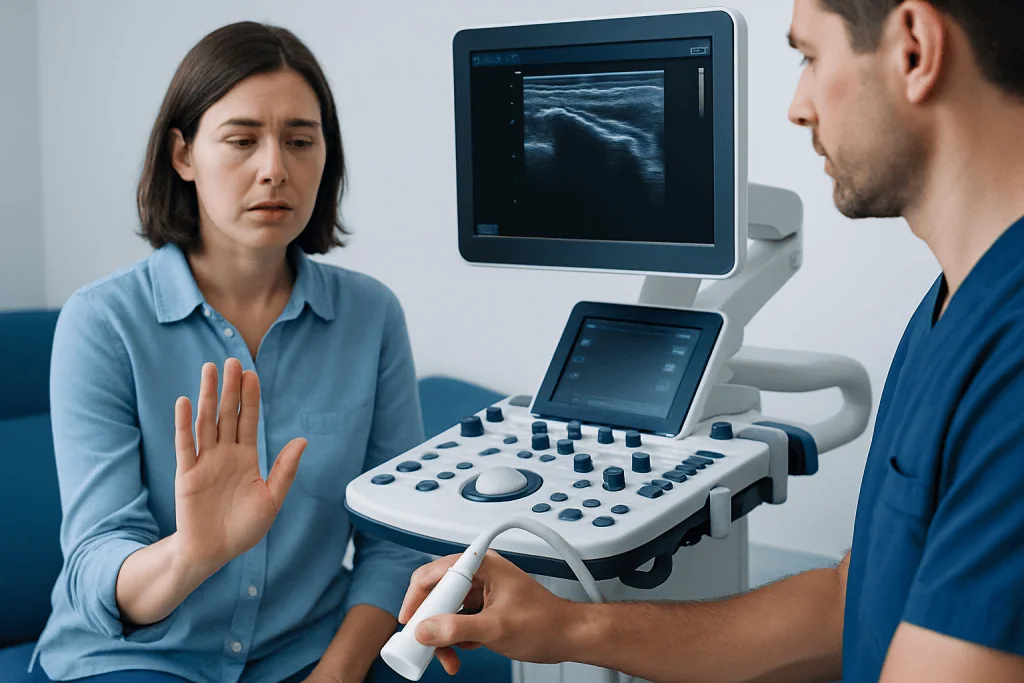
Trigger Finger symptoms often develop gradually. At first, a person may feel mild stiffness, soreness, or a sense that the finger does not move as smoothly as usual. The symptoms may be more noticeable after sleep, after prolonged hand use, or during activities that require repeated gripping.
Common symptoms include clicking or popping when moving the finger, tenderness in the palm at the base of the affected finger, and a small tender lump or thickened area over the tendon. The finger may catch briefly and then release suddenly, similar to a trigger being pulled and released.
In more advanced cases, the finger may lock in a bent position and need help from the other hand to straighten. Some people avoid moving the finger because of discomfort, which can lead to reduced range of motion or stiffness over time.
- Clicking, snapping, or popping during finger movement
- Pain or tenderness at the base of the finger or thumb
- Stiffness, especially in the morning
- A finger that catches or locks when bent
- Difficulty gripping objects comfortably
Causes & Risk Factors
Trigger Finger happens when the flexor tendon and its surrounding sheath no longer glide smoothly. The most commonly involved area is the first pulley at the base of the finger, often called the A1 pulley. Irritation, swelling, or thickening in this narrow space can make tendon movement difficult and cause the characteristic catching sensation.
The exact cause is not always clear. Repetitive or forceful gripping may contribute in some people, especially when hand-intensive work or hobbies place repeated strain on the tendon system. However, Trigger Finger can also occur without a clear injury or obvious overuse.
Certain medical conditions increase the likelihood of developing Trigger Finger. These include diabetes, inflammatory arthritis, thyroid disease, and other conditions associated with tendon or soft tissue changes. It is also seen more often in adults in middle age and later life, and it may be associated with other hand conditions such as carpal tunnel syndrome or Dupuytren’s disease.
Risk factors do not mean a person will definitely develop the condition. They simply help doctors understand why symptoms may be occurring and whether any underlying condition should also be managed as part of care.
Diagnosis
Trigger Finger is usually diagnosed through a medical history and physical examination. A doctor asks about symptoms, when they started, which finger is affected, whether the finger locks, and which activities make the problem better or worse. Information about medical conditions such as diabetes or inflammatory arthritis is also important.
During the examination, the doctor may ask the person to open and close the hand while observing the motion of the finger. The palm at the base of the finger may be gently pressed to check for tenderness, swelling, or a small nodule along the tendon. In many cases, the clicking or locking can be felt or seen during the visit.
Imaging tests are not always needed. Ultrasound may sometimes be used to evaluate tendon movement, swelling, or other soft tissue problems. X-rays may be considered if the symptoms could be related to arthritis, trauma, or another bone or joint condition, but they do not directly show the tendon sheath problem in most cases.
A clear diagnosis helps separate Trigger Finger from other causes of finger pain and stiffness, such as joint arthritis, tendon injury, nerve problems, or inflammatory disease. This distinction is important because the best treatment depends on the cause and severity of the symptoms.
Treatment Options
Treatment for Trigger Finger depends on the severity of symptoms, how long they have been present, the number of fingers involved, the person’s general health, and the degree of functional limitation. The right approach should be decided by a qualified specialist after assessment. The goal is to reduce irritation, restore smooth tendon gliding, and help the person return to comfortable hand use.
Conservative care may include temporary activity modification, avoiding repeated forceful gripping, using a splint to rest the affected finger, and guided hand exercises. A hand therapist may help with gentle mobility, swelling control, tendon gliding exercises, and advice on safer ways to perform daily tasks. Pain-relieving measures may be recommended by a doctor when appropriate.
Injection treatment may be considered when symptoms do not improve with rest and splinting or when catching is more pronounced. This type of treatment is intended to reduce inflammation around the tendon sheath and improve gliding. Suitability depends on the individual’s health, the severity of locking, previous treatments, and any underlying conditions.
If the finger remains locked, symptoms are severe, or conservative treatments are unsuccessful, a minor surgical release may be recommended. Surgery aims to open the tight part of the tendon sheath so the tendon can move freely. It is generally performed by a trained hand or orthopedic surgeon, followed by wound care and movement guidance to support recovery.
Living With / Prognosis
Most people with Trigger Finger can expect meaningful improvement with appropriate care. Mild cases may settle with rest, splinting, activity changes, and hand therapy. More persistent cases often respond to specialist procedures, including injection treatment or surgical release when indicated.
Daily habits can help reduce strain on the affected tendon. Using padded handles, taking breaks from repetitive gripping, alternating tasks, and keeping the wrist and fingers in comfortable positions may reduce irritation. People with diabetes, inflammatory arthritis, or thyroid disease may benefit from good overall medical management because these conditions can influence tendon health.
After treatment, it is important to keep the finger moving within the limits advised by the specialist. Avoiding movement for too long can contribute to stiffness, while overloading the hand too early may worsen discomfort. A hand therapist can provide practical guidance when stiffness, swelling, or weakness affects daily activities.
Acibadem International’s multidisciplinary specialists and JCI-accredited hospitals diagnose and treat Trigger Finger for international patients, including evaluation by orthopedic and hand surgery teams when needed. As with any medical condition, the most suitable care plan depends on an individual examination and professional medical advice.
When to See a Doctor
A person should see a doctor if a finger or thumb repeatedly clicks, catches, locks, or becomes painful during movement. Early evaluation is especially helpful when symptoms interfere with work, household tasks, writing, self-care, or sleep.
Medical advice is also recommended if the finger becomes stuck in a bent position, if stiffness is worsening, or if there is swelling and tenderness at the base of the finger. People with diabetes, inflammatory arthritis, or multiple affected fingers should seek assessment because treatment choices may need to be individualized.
Urgent medical care is needed if finger symptoms follow a significant injury, if there is severe swelling, redness, warmth, fever, numbness, or loss of circulation. These features are not typical of uncomplicated Trigger Finger and may indicate another condition that requires prompt attention.
Frequently asked questions
What is Trigger Finger?
Trigger Finger is a hand condition in which a finger or thumb catches, clicks, or locks when it bends or straightens. It happens when the flexor tendon has difficulty gliding through its sheath, usually because of irritation, narrowing, or thickening around the tendon.
Is Trigger Finger the same as arthritis?
No. Trigger Finger affects the tendon and tendon sheath, while arthritis affects the joints. However, arthritis and Trigger Finger can both cause finger pain or stiffness, so a doctor’s examination is useful to identify the correct cause.
Can Trigger Finger go away on its own?
Mild cases may improve with rest, avoiding aggravating activities, splinting, and time. If clicking, pain, or locking continues, medical assessment is recommended because ongoing catching can lead to stiffness and reduced hand function.
What treatments are available for Trigger Finger?
Treatment may include activity changes, splinting, hand therapy, injection treatment, or surgical release. The best option depends on symptom severity, how long the problem has been present, medical conditions, and examination findings.
Is Trigger Finger surgery always necessary?
No. Many people improve without surgery, especially when symptoms are mild or treated early. Surgery is usually considered when the finger remains locked, symptoms are severe, or non-surgical treatments have not provided enough relief.
Which fingers can be affected by Trigger Finger?
Any finger can be affected, including the thumb. When the thumb is involved, the condition is often called trigger thumb. Some people have more than one affected finger, particularly when they have underlying conditions such as diabetes or inflammatory arthritis.
When should someone seek medical care for a locked finger?
A person should seek medical care if the finger locks repeatedly, cannot be straightened comfortably, or interferes with daily activities. Prompt evaluation is also important if there is significant swelling, redness, numbness, fever, or symptoms after an injury.
References
- American Academy of Orthopaedic Surgeons
- British Society for Surgery of the Hand
- American Society for Surgery of the Hand
- National Institute for Health and Care Excellence
- Mayo Clinic
This article is for general information only and is not a substitute for professional medical advice. Please consult a qualified doctor about your individual situation.
Treatments for This Condition
Doctors Who Treat This Condition

Prof. Dr. Cihan Aksoy
Physical Medicine & Rehabilitation
Prof. Dr. Ece Aydoğ
Physical Medicine & Rehabilitation
Prof. Dr. Emel Özcan
Physical Medicine & Rehabilitation
Prof. Dr. Ferda Özdemir
Physical Medicine & Rehabilitation
Dr. Sema Çetin
Physical Medicine & Rehabilitation
Dr. Ufuk Güngör
Physical Medicine & Rehabilitation
Fzt. Osman Karaoğlan
Physical Medicine & Rehabilitation
Fzt. Perihan Yıldız
Physical Medicine & Rehabilitation
Fzt. Sabit Kılıç
Physical Medicine & Rehabilitation
Fzt. Semih Kızıltan
Physical Medicine & Rehabilitation
Fzt. Sena Durmaz
Physical Medicine & Rehabilitation