Amenorrhea
Amenorrhea means missing menstrual periods. Learn about Amenorrhea symptoms, causes, diagnosis, treatment options and when to see a doctor.

Quick answer
Amenorrhea is the absence of menstrual periods, either when menstruation has not started by the expected age or when regular periods stop, and treatment depends on identifying the underlying cause. At Acibadem in Turkey, evaluation may include medical history, physical examination, hormone testing, and imaging, with care tailored to factors such as hormonal imbalance, stress, weight changes, ovarian conditions, or…
Amenorrhea is the medical term for the absence of menstrual periods in someone who is expected to menstruate. It may be due to pregnancy, hormonal changes, lifestyle factors, medication effects, or conditions affecting the ovaries, uterus, pituitary gland, thyroid, or brain.
Overview
Amenorrhea is the absence of menstrual periods in a person who is of reproductive age and is expected to have periods. It is not a disease by itself, but a clinical sign that the normal menstrual cycle is not occurring or that menstrual blood cannot leave the body. The menstrual cycle depends on coordinated communication between the brain, pituitary gland, ovaries, uterus, and hormones, so amenorrhea can have several different causes.
Doctors describe amenorrhea as either primary or secondary. Primary amenorrhea means menstrual periods have not started by the expected age, especially if other signs of puberty are delayed or if periods have not begun despite normal breast development and growth. Secondary amenorrhea means a person who previously had periods stops menstruating for several months or misses periods for longer than expected.
Some causes of amenorrhea are temporary and reversible, such as pregnancy, breastfeeding, significant stress, rapid weight change, or stopping certain hormonal contraceptives. Other causes may need medical evaluation and treatment, such as polycystic ovary syndrome, thyroid disease, high prolactin levels, ovarian insufficiency, pituitary conditions, or uterine scarring. A careful assessment helps identify whether the issue is hormonal, structural, genetic, medication-related, or lifestyle-related.
Symptoms
The main symptom of amenorrhea is the absence of menstrual bleeding. In primary amenorrhea, the concern is that menstruation has not begun by the expected stage of puberty. In secondary amenorrhea, periods that were previously regular or irregular stop for a prolonged time, outside of expected situations such as pregnancy, breastfeeding, or menopause.
Other symptoms depend on the underlying cause. Some people have no symptoms other than missed periods, while others may notice changes related to hormone balance, metabolism, or the reproductive organs. These associated symptoms can give doctors important clues about where the cycle is being interrupted.
- Symptoms that may occur with amenorrhea include acne, increased facial or body hair, scalp hair thinning, or weight changes.
- Some people may have milky nipple discharge when not breastfeeding, headaches, or changes in vision, which may suggest a prolactin or pituitary-related cause.
- Hot flashes, night sweats, vaginal dryness, or sleep changes may occur when estrogen levels are low.
- Pelvic pain, cyclic cramping without bleeding, or difficulty with sexual intercourse may suggest a structural outflow problem.
- Fatigue, feeling unusually cold or warm, constipation, palpitations, or changes in appetite may point toward thyroid or other endocrine issues.
Because amenorrhea has many possible causes, symptoms should be interpreted in context. The timing of the first missed period, recent weight or exercise changes, medication use, contraceptive history, pregnancy possibility, and family history all help guide the evaluation.
Causes & Risk Factors
Pregnancy is the most common cause of secondary amenorrhea and is usually checked first, even when pregnancy seems unlikely. Breastfeeding and the normal transition to menopause can also stop periods. Hormonal contraceptives may lead to very light bleeding or no bleeding, and periods may take time to return after some methods are stopped.
Hormonal and endocrine conditions are common non-pregnancy causes. Polycystic ovary syndrome can disrupt ovulation and lead to irregular or absent periods. Thyroid disorders can affect menstrual timing and flow. High prolactin levels can suppress ovulation, sometimes related to pituitary gland changes or certain medications. Primary ovarian insufficiency, sometimes called early loss of ovarian function, can cause periods to stop before the usual age of menopause.
Functional hypothalamic amenorrhea occurs when the brain reduces reproductive hormone signals in response to physical or emotional stress. Risk factors include significant calorie restriction, rapid weight loss, low body weight, eating disorders, intense endurance training, major psychological stress, or a combination of these. This type is important to identify because it can affect bone health and fertility if low estrogen levels persist.
Structural and developmental causes can also lead to amenorrhea. In primary amenorrhea, congenital differences involving the uterus, cervix, vagina, ovaries, or chromosomes may be considered. In secondary amenorrhea, uterine scarring after procedures, infection, or complications following pregnancy can reduce or stop menstrual bleeding. Rarely, tumors or other conditions affecting the pituitary gland, hypothalamus, ovaries, or adrenal glands may play a role.
Diagnosis
Diagnosis begins with a detailed medical history. The doctor asks when periods started, how regular they have been, the date of the last period, pregnancy possibility, contraceptive use, breastfeeding, medications, weight changes, exercise habits, stress, eating patterns, and symptoms such as acne, excess hair growth, nipple discharge, pelvic pain, hot flashes, headaches, or vision changes. Family history, puberty timing, and previous surgeries or uterine procedures are also relevant.
A physical examination may include measurement of height, weight, body mass pattern, blood pressure, and signs of hormone imbalance. A pelvic examination may be recommended depending on age, symptoms, sexual history, and whether primary or secondary amenorrhea is being evaluated. In adolescents or young patients, the examination is adapted with sensitivity and only when medically appropriate.
Testing is guided by the clinical picture, but a pregnancy test is commonly the first step in secondary amenorrhea. Blood tests may assess hormones related to ovarian function, pituitary function, thyroid function, prolactin levels, and androgen levels. These results help determine whether ovulation is being interrupted by the ovaries, the brain and pituitary, thyroid imbalance, or other endocrine pathways.
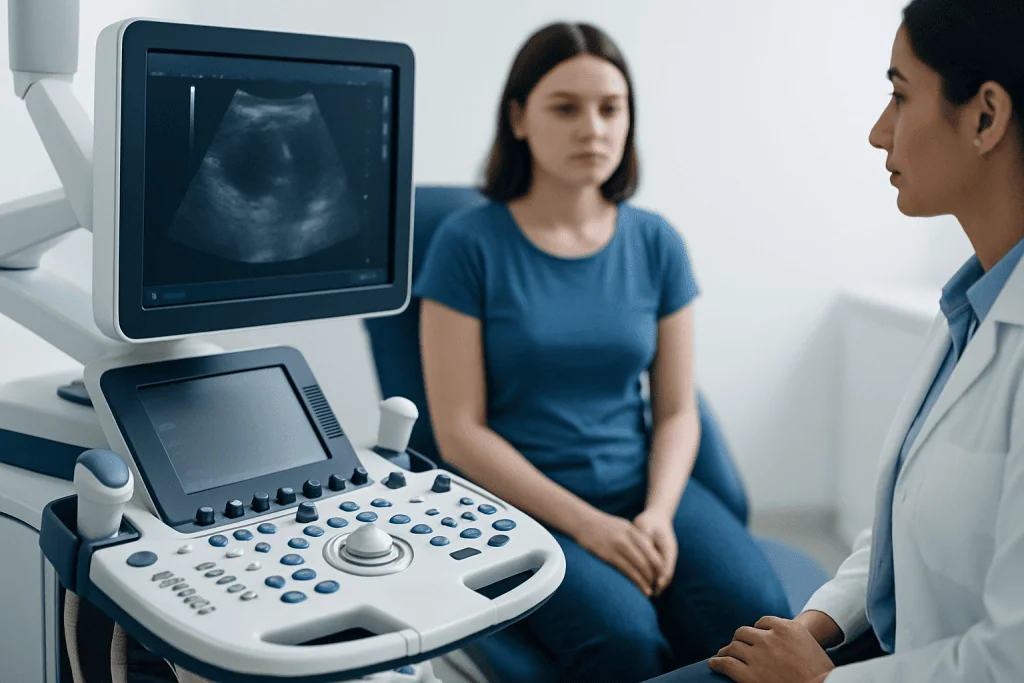
Imaging may be used when a structural or gland-related cause is suspected. Pelvic ultrasound can evaluate the uterus, ovaries, and possible ovarian cyst patterns or congenital differences. In selected cases, imaging of the pituitary region or further reproductive tract evaluation may be recommended. The goal is to identify the cause accurately so treatment can be targeted rather than based only on the absence of periods.
Treatment Options
Treatment for amenorrhea depends on the cause, the person’s age, symptoms, general health, fertility goals, and test results. There is no single treatment that is right for everyone. A gynecologist, reproductive endocrinologist, endocrinologist, or other specialist decides the appropriate approach after a full assessment.
If amenorrhea is related to lifestyle and energy balance, care may focus on restoring adequate nutrition, adjusting exercise intensity, supporting healthy weight, and addressing stress or disordered eating with appropriate professionals. When low estrogen levels are prolonged, doctors may also consider strategies to protect bone health. This approach is individualized and should be medically supervised, especially in athletes, adolescents, and people with eating concerns.
When an endocrine disorder is the cause, treatment usually targets that condition. Thyroid disease, high prolactin levels, polycystic ovary syndrome, adrenal hormone disorders, or ovarian insufficiency may each require different types of medical care. Hormonal treatments may be used in some patients to regulate bleeding, protect the uterine lining, manage symptoms of low estrogen, or support cycle control, but the choice depends on diagnosis and safety considerations.
Structural causes may require procedural or surgical treatment in selected cases, such as treating uterine scarring or correcting an outflow tract obstruction. If the patient wishes to become pregnant, fertility-focused care may be offered, ranging from ovulation support to assisted reproductive techniques when appropriate. Treatment decisions should also consider emotional wellbeing, because missed periods can be stressful and may raise concerns about fertility, body image, or long-term health.
Living With / Prognosis
The outlook for amenorrhea depends on the underlying cause. Many causes are treatable or manageable, and periods may return once the trigger is addressed, such as after recovery from stress-related hormone suppression, correction of thyroid imbalance, or changes in medication or contraceptive use. In other situations, ongoing care may be needed to manage hormone levels, protect bone health, or support fertility planning.
Living with amenorrhea often means paying attention to the body’s broader health signals, not only the menstrual calendar. A balanced diet, appropriate physical activity, adequate sleep, and mental health support can be important, particularly when stress, low energy intake, or intense exercise contributes to missed periods. Patients should avoid self-treating with hormones or supplements without medical guidance, because the cause must be understood first.
People who are not planning pregnancy may still need evaluation, because regular ovulation and adequate estrogen levels can be important for uterine and bone health. People who are planning pregnancy may benefit from early specialist input, since some causes of amenorrhea affect ovulation but can be addressed with targeted fertility care. Acibadem International’s multidisciplinary specialists and JCI-accredited hospitals diagnose and treat amenorrhea for international patients, including gynecologic, endocrine, imaging, and reproductive medicine support when needed.
When to See a Doctor
A medical consultation is recommended if periods have not started by the expected age, if puberty signs are delayed, or if established periods stop for several months without a clear reason. A person should also seek evaluation sooner if there is any possibility of pregnancy, because pregnancy-related care should begin promptly.
It is especially important to see a doctor if amenorrhea occurs with pelvic pain, severe headaches, vision changes, milky nipple discharge when not breastfeeding, hot flashes, unexplained weight loss or weight gain, excessive hair growth, acne that is new or worsening, or symptoms of thyroid imbalance. These symptoms do not always mean a serious problem, but they help identify which tests are needed.
Urgent medical attention is appropriate for severe pelvic pain, fainting, heavy unexpected bleeding, fever, or a positive pregnancy test with pain or dizziness. For most people, amenorrhea can be evaluated in a planned appointment with a qualified gynecologist or endocrinologist. Early assessment is helpful because it can identify treatable causes, reduce uncertainty, and support long-term reproductive and general health.
Frequently asked questions
What is amenorrhea?
Amenorrhea is the absence of menstrual periods in someone who is expected to menstruate. It may mean periods never started by the expected age, or that previously established periods have stopped. It is a sign with many possible causes rather than one single disease.
What is the difference between primary and secondary amenorrhea?
Primary amenorrhea means menstrual periods have not begun by the expected stage of puberty. Secondary amenorrhea means a person who previously had periods stops having them for a prolonged time. The evaluation differs because primary amenorrhea may involve puberty development or reproductive tract anatomy, while secondary amenorrhea often involves pregnancy, hormones, lifestyle factors, or acquired conditions.
Is amenorrhea always caused by pregnancy?
No, but pregnancy is the most common cause of secondary amenorrhea and is usually checked first. Other causes include hormonal disorders, thyroid disease, high prolactin levels, polycystic ovary syndrome, low energy intake, intense exercise, stress, medications, and structural problems. A doctor can identify the cause through history, examination, and targeted tests.
Can stress or exercise stop periods?
Yes. Significant emotional stress, low calorie intake, rapid weight loss, or intense exercise can reduce reproductive hormone signals from the brain and lead to functional hypothalamic amenorrhea. This is often reversible, but medical assessment is important because prolonged low estrogen levels may affect bone health and fertility.
How is amenorrhea diagnosed?
Diagnosis usually starts with a medical history, physical examination, and pregnancy test when appropriate. Blood tests may check thyroid hormones, prolactin, ovarian hormones, and androgen levels. Pelvic ultrasound or other imaging may be recommended if the doctor suspects a structural cause or a pituitary-related condition.
Can amenorrhea be treated?
In many cases, amenorrhea can be treated or managed once the underlying cause is found. Treatment may involve lifestyle support, management of thyroid or other hormone disorders, hormonal therapy, fertility care, or surgery for selected structural problems. The right treatment should be chosen by a qualified specialist after assessment.
Does amenorrhea mean infertility?
Amenorrhea can be associated with not ovulating, which may make it harder to become pregnant while the problem is present. However, it does not always mean permanent infertility. Many causes are treatable, and a reproductive specialist can advise on options if pregnancy is desired.
References
- American College of Obstetricians and Gynecologists
- Endocrine Society
- Mayo Clinic
- National Institute for Health and Care Excellence
- Merck Manual Professional Edition
This article is for general information only and is not a substitute for professional medical advice. Please consult a qualified doctor about your individual situation.
Treatments for This Condition
Doctors Who Treat This Condition

Prof. Dr. A. Taner Usta
Gynecology & Obstetrics
Prof. Dr. Ahmet Cem Batukan
Gynecology & Obstetrics
Prof. Dr. Ahmet Tayyar
Gynecology & Obstetrics
Prof. Dr. Belgin Selam
Gynecology & Obstetrics
Prof. Dr. Bülent Tıraş
Gynecology & Obstetrics
Prof. Dr. Bülent Özçelik
Gynecology & Obstetrics
Prof. Dr. Deniz Gökalp
Endocrinology
Prof. Dr. Emre Bozkırlı
Endocrinology
Prof. Dr. Ender Arıkan
Endocrinology
Prof. Dr. Mehmet Temel Yilmaz
Endocrinology
Prof. Dr. Mehtap Çakır
Endocrinology
Prof. Dr. Mitat Bahçeci
EndocrinologyRelated Articles

Embryo Donation in IVF: Who May Consider It and How the Process Works

Ectopic Pregnancy After IVF: Symptoms, Risk Factors, and Early Monitoring

Ectopic Pregnancy: A Complete Clinical Guide for Patients

IVF Risks and Side Effects: What Patients Should Know Before Treatment

Unexplained Recurrent Miscarriage: When IVF Testing May Help

IVF After Tubal Ligation: Is Treatment Still Possible?

IVF With Blocked Sperm Retrieval: TESE, ICSI, and Treatment Planning

Fertility Tests Before IVF: Which Results Matter Most?

Endometrial Receptivity in IVF: Why the Uterine Lining Matters

When Is IVF a Good Option for Tubal Infertility?

What Happens During Egg Retrieval in IVF?