Meniere Disease
Meniere Disease causes vertigo, hearing changes, tinnitus and ear fullness. Learn symptoms, diagnosis and treatment options.

Quick answer
Meniere disease is an inner ear disorder that causes recurring vertigo, hearing changes, tinnitus, and a feeling of fullness in the ear. Treatment depends on symptom severity and may include lifestyle measures, medication, hearing support, and in selected cases minimally invasive procedures or surgery after specialist ear, hearing, and balance evaluation.
Meniere Disease is a chronic inner ear disorder that causes repeated episodes of vertigo, fluctuating hearing loss, tinnitus and a feeling of fullness in the ear. It usually affects one ear and can often be managed with lifestyle measures, medicines, hearing support and specialist ENT care.
Overview
Meniere Disease is a disorder of the inner ear, the part of the ear that helps with both hearing and balance. It is characterized by repeated episodes of vertigo, fluctuating hearing loss, tinnitus and a sensation of pressure or fullness in the affected ear. The condition is long-term, but symptoms can vary widely from person to person.
In many people, Meniere Disease affects only one ear, especially at the beginning. Episodes may last from minutes to several hours, and a person may feel well between attacks. Over time, hearing in the affected ear may become less stable, which is why ongoing assessment by an ear, nose and throat specialist is important.
The exact reason Meniere Disease develops is not fully understood. It is often linked to abnormal fluid pressure or fluid regulation in the inner ear, sometimes described as endolymphatic hydrops. Although the condition can disrupt work, travel and daily routines, many people achieve good symptom control with careful diagnosis, individualized treatment and practical lifestyle planning.
Symptoms
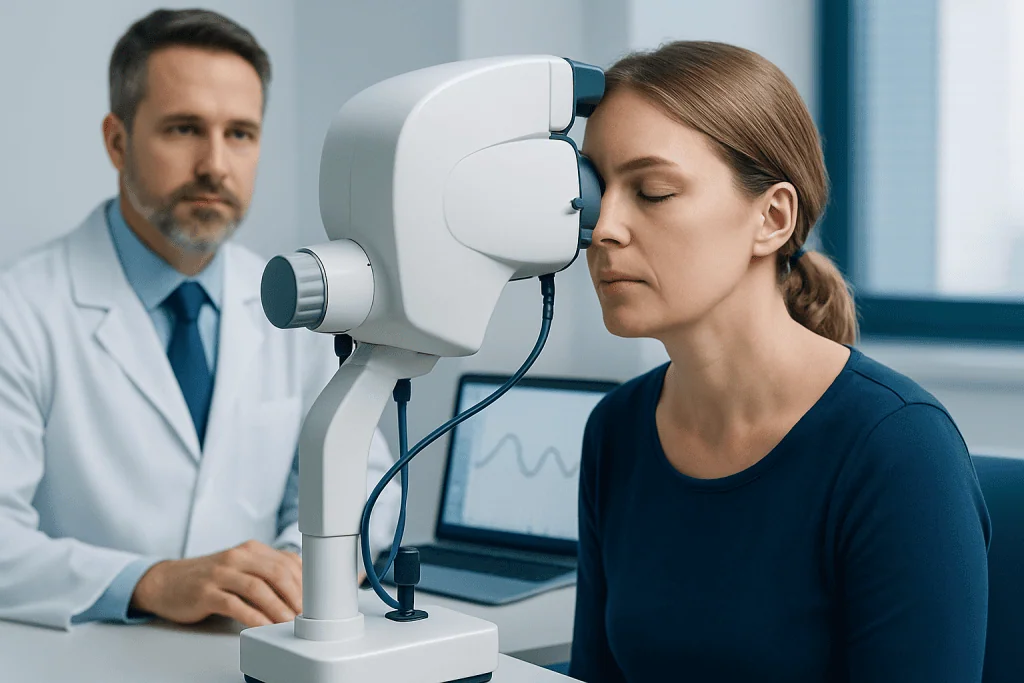
The main symptoms of Meniere Disease are episodic vertigo, hearing loss, tinnitus and ear fullness. Vertigo is a spinning or moving sensation that occurs even when the person is still. During an attack, balance may feel unreliable, and nausea, vomiting, sweating or fatigue can occur.
Hearing loss in Meniere Disease often fluctuates, especially in the early stages. A person may notice that sounds seem muffled, distorted or harder to understand in one ear. Tinnitus may be heard as ringing, buzzing, roaring or hissing, and the feeling of fullness can resemble pressure or blockage in the ear.
Common features may include:
- Sudden episodes of spinning vertigo
- Hearing that worsens and improves over time
- Ringing, buzzing or roaring sounds in the ear
- A blocked, full or pressured feeling in one ear
- Unsteadiness or tiredness after an attack
Symptoms can overlap with migraine, vestibular neuritis, benign positional vertigo, ear infections and neurological conditions. For this reason, a clear medical assessment is needed, especially when symptoms are new, severe, one-sided or changing.
Causes & Risk Factors
The cause of Meniere Disease is not known with certainty. Many specialists believe it involves abnormal buildup or regulation of fluid inside the inner ear. This fluid is essential for hearing and balance, but changes in its pressure or composition may interfere with how the inner ear sends signals to the brain.
Several factors may contribute in different people. These can include genetic tendency, immune system activity, viral triggers, migraine-related inner ear sensitivity, allergies or anatomical differences in inner ear fluid drainage. Meniere Disease is not considered contagious, and it is not caused by poor hygiene or by simple earwax buildup.
Risk factors and associated features may include a family history of similar symptoms, a personal history of migraine, autoimmune conditions, allergies or previous inner ear problems. Stress, poor sleep, high salt intake, dehydration, alcohol, caffeine or certain environmental triggers may worsen symptoms for some people, although triggers are individual and not always predictable.
Because the condition is complex, identifying one single cause is often not possible. Instead, the goal of evaluation is to confirm whether the pattern fits Meniere Disease, rule out other causes and understand which factors may be relevant to the person’s symptoms.
Diagnosis
Meniere Disease is diagnosed mainly through a careful review of symptoms and specialist examination. An ENT doctor will ask about the duration and frequency of vertigo attacks, hearing changes, tinnitus, ear fullness, migraine symptoms, medications, previous infections and any neurological warning signs. The pattern of recurrent vertigo with documented hearing loss is especially important.
Hearing tests are usually central to the diagnosis. Pure tone audiometry can show the type and degree of hearing loss, and speech testing can assess how clearly words are understood. Repeated hearing tests may be needed because hearing can fluctuate in the earlier stages of the disease.
Balance and inner ear function tests may be used when the diagnosis is uncertain or when symptoms are complex. These may include vestibular testing, eye movement testing, electrocochleography or other specialized assessments depending on availability and clinical need. Imaging, such as MRI, may be recommended to rule out other conditions that can mimic Meniere Disease, particularly when symptoms are one-sided or atypical.
Diagnosis is not based on one test alone. A specialist combines the history, examination, hearing results and, when needed, imaging or balance testing to reach the most accurate conclusion. This approach helps avoid unnecessary treatment and ensures that other important causes of vertigo or hearing loss are not missed.
Treatment Options
Treatment for Meniere Disease aims to reduce the number and severity of vertigo episodes, support hearing, improve balance and help the person maintain daily activities. The right approach is decided by an ENT specialist or balance disorder specialist after assessment, because symptoms, hearing status and overall health differ from person to person.
Lifestyle and dietary measures may be recommended as part of long-term management. Some people benefit from reducing salt intake, limiting alcohol or caffeine, staying well hydrated, keeping regular sleep patterns and identifying personal triggers. Stress management and planning rest after attacks can also help reduce the impact of symptoms on daily life.
Medication may be used for short-term relief during vertigo episodes or for longer-term symptom control. Doctors may consider medicines that reduce nausea, calm vertigo symptoms, affect inner ear fluid balance or address associated migraine features. These decisions should always be individualized, as medicines have possible side effects and may not be suitable for everyone.
For persistent or disabling symptoms, additional options may include vestibular rehabilitation, hearing aids, tinnitus support, middle ear injections or, in selected cases, surgical procedures. These treatments are considered when conservative measures are not sufficient and are chosen carefully to balance vertigo control with hearing preservation and overall quality of life.
Living With / Prognosis
Living with Meniere Disease can be challenging because attacks may be unpredictable. However, many people learn to recognize warning signs, reduce triggers and manage episodes safely. Keeping a symptom diary can help identify patterns related to food, sleep, stress, weather changes, menstrual cycle, travel or other personal factors.
Practical safety planning is important. During a vertigo attack, the person should sit or lie down, avoid driving, avoid operating machinery and wait until balance has recovered. After an attack, fatigue and mild unsteadiness may continue for some time, so returning gradually to activities is often sensible.
Hearing changes and tinnitus can affect communication and concentration. Hearing assessment, hearing aids when appropriate, tinnitus counseling, sound therapy and workplace adjustments may help. Family members and colleagues can support communication by speaking clearly, reducing background noise and understanding that symptoms may fluctuate.
The long-term outlook varies. Some people have occasional episodes that respond well to treatment, while others need ongoing specialist care and rehabilitation. Acibadem International’s multidisciplinary ENT, audiology and balance specialists in JCI-accredited hospitals diagnose and treat Meniere Disease for international patients, with care plans tailored after medical assessment.
When to See a Doctor
A person should see a doctor if they have repeated vertigo, new hearing loss, tinnitus or a feeling of fullness in one ear. Early assessment can help confirm the diagnosis, rule out other causes and reduce the effect of symptoms on daily life. It is also important to seek medical advice if existing symptoms become more frequent, last longer or change in character.
Urgent medical care is needed if vertigo or hearing symptoms occur with weakness, facial drooping, difficulty speaking, double vision, severe headache, chest pain, fainting, confusion or trouble walking. These features are not typical of uncomplicated Meniere Disease and may require immediate evaluation for other serious conditions.
Sudden hearing loss in one or both ears should be assessed promptly, even if there is no pain. A blocked-ear sensation should not be assumed to be wax or congestion when it is accompanied by tinnitus, vertigo or hearing change. Timely specialist care gives the best opportunity for accurate diagnosis and appropriate management.
Frequently asked questions
What is Meniere Disease?
Meniere Disease is a chronic inner ear disorder that affects balance and hearing. It causes repeated episodes of vertigo, fluctuating hearing loss, tinnitus and a feeling of fullness or pressure in the ear.
What does a Meniere Disease attack feel like?
An attack often feels like sudden spinning vertigo, sometimes with nausea, vomiting, sweating or unsteadiness. Hearing may become muffled, tinnitus may become louder and the affected ear may feel full or blocked.
Is Meniere Disease the same as vertigo?
No. Vertigo is a symptom, while Meniere Disease is one possible cause of recurring vertigo. Other conditions, including migraine and positional vertigo, can also cause similar symptoms.
Can Meniere Disease be cured?
There is no single guaranteed cure for Meniere Disease, but many people manage symptoms successfully. Treatment focuses on reducing vertigo episodes, supporting hearing and improving quality of life.
How is Meniere Disease diagnosed?
Diagnosis is based on the symptom pattern, examination and hearing tests. Balance tests or imaging may be used to support the diagnosis and to rule out other causes of vertigo or one-sided hearing loss.
Can diet help Meniere Disease?
Dietary changes may help some people, especially reducing salt intake or limiting personal triggers such as alcohol or caffeine. The benefit varies, so changes should be discussed with a healthcare professional and monitored over time.
When should someone seek urgent care for vertigo?
Urgent care is needed if vertigo is accompanied by weakness, trouble speaking, facial drooping, severe headache, fainting, chest pain, confusion or double vision. Sudden hearing loss should also be assessed promptly by a doctor.
References
- National Institute on Deafness and Other Communication Disorders
- American Academy of Otolaryngology–Head and Neck Surgery
- Mayo Clinic
- NHS
- Merck Manual Professional Edition
This article is for general information only and is not a substitute for professional medical advice. Please consult a qualified doctor about your individual situation.
Treatments for This Condition
Doctors Who Treat This Condition

Prof. Dr. Ahmet Koç
Ear Nose & Throat
Prof. Dr. Ahmet Onur Odabaşı
Ear Nose & Throat
Prof. Dr. Çetin Vural
Ear Nose & Throat
Asst. Prof. Dr. Emel Uğur
Audiology
Ody. Asime Kurter
Audiology
Ody. Ayça Nilay Doğan
Audiology
Ody. Betül Yıldızlı
Audiology
Ody. Buket Ari
Audiology
Ody. Ece Atac Geris
Audiology
Ody. Eda Yüksel
Audiology
Ody. Elifnur Sevinç
Audiology
Ody. Eren Yilmaz
AudiologyRelated Articles

Dizziness With Hearing Loss: When Neurotology Evaluation Is Needed

Vestibular Neuritis: Sudden Vertigo, Balance Problems, and Recovery

Neuro-Otology Tests for Dizziness: What Happens at Your Visit?

Persistent Dizziness After a Viral Illness: When Neuro-Otology Can Help

Tonsillectomy Recovery: What to Expect Each Day After Surgery

Ear Tubes Recovery: How Long Healing Takes and How to Care for the Ear

Common Cold or Sinus Infection: When ENT Assessment Is Needed

ESS vs FESS: Which Sinus Surgery Is Right for You?

When Dizziness Needs a Neurotology Second Opinion

How Ear Tubes Drain Fluid and Relieve Repeated Ear Infections

FESS Surgery for Nasal Polyps: Who May Benefit and What to Expect