Acne Vulgaris
Acne Vulgaris is a common skin condition causing pimples, blackheads and cysts. Learn symptoms, causes, diagnosis and treatment options.

Quick answer
Acne vulgaris is a common skin condition in which hair follicles become clogged with oil and dead skin cells, causing blackheads, whiteheads, pimples, or deeper cyst-like lesions. Treatment depends on severity and may include medical skin-care plans, topical or oral medicines, and procedure-based options, with assessment and follow-up by dermatology specialists at Acibadem in Turkey.
Acne Vulgaris is a common inflammatory skin condition in which hair follicles and oil glands become blocked, leading to blackheads, whiteheads, pimples, nodules or cysts. It most often affects the face, chest, back and shoulders, and effective treatment can reduce breakouts, prevent scarring and improve quality of life.
Overview
Acne Vulgaris is a long-term, common skin condition involving the pilosebaceous unit, which includes a hair follicle and its attached oil gland. When the opening of the follicle becomes blocked by excess sebum and dead skin cells, different types of acne lesions can appear. These may include blackheads, whiteheads, inflamed bumps, pus-filled spots and, in more severe cases, deeper painful lumps.
Acne most often appears on areas with many oil glands, especially the face, forehead, chest, upper back and shoulders. Although it is strongly associated with adolescence, acne can also begin or continue in adulthood. Some people have occasional mild breakouts, while others experience persistent inflammatory acne that may need specialist care.
Acne is not caused by poor hygiene, and it is not a sign that a person is unclean. It is a medical skin condition influenced by hormones, oil production, follicle blockage, skin bacteria and inflammation. With the right assessment, many people can achieve better control of symptoms, reduce the risk of scarring and feel more confident in their skin.
Symptoms
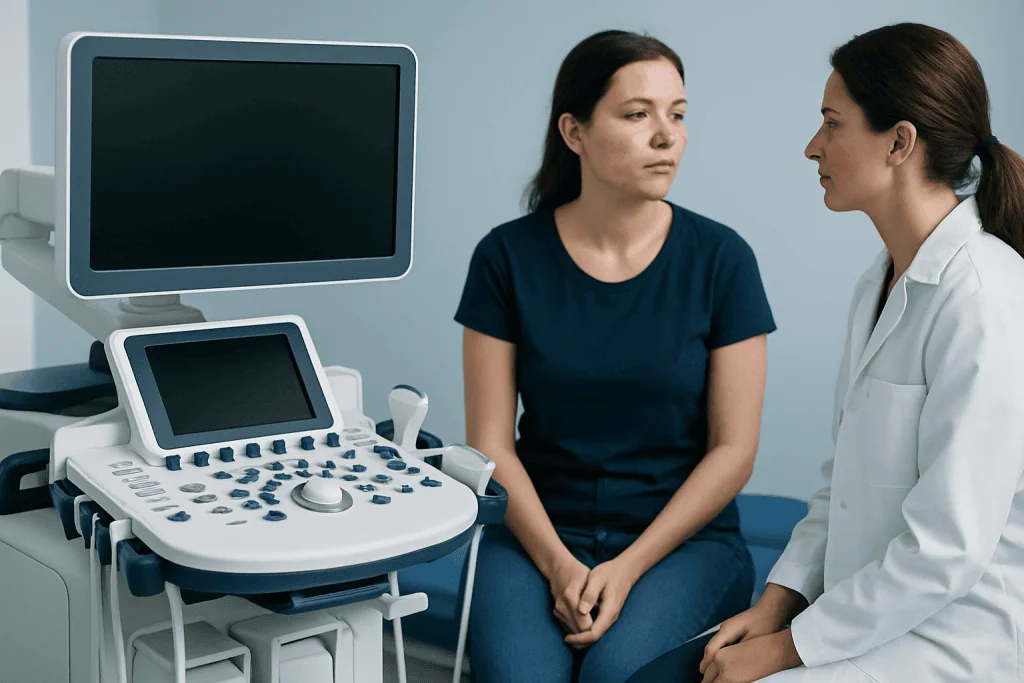
Symptoms of Acne Vulgaris vary depending on the type and severity of lesions. Mild acne may involve mostly comedones, which are clogged pores. Open comedones are commonly called blackheads because the surface looks dark, while closed comedones are called whiteheads because the blocked pore remains covered by skin.
Inflammatory acne causes red, swollen or tender lesions. Papules are small inflamed bumps, and pustules are inflamed bumps that contain pus. More severe acne may cause nodules or cyst-like lesions, which are deeper, larger and often painful. These deeper lesions have a higher risk of leaving scars or long-lasting dark or red marks after they heal.
Common signs and symptoms may include:
- Blackheads and whiteheads on the face, chest, back or shoulders
- Red or tender pimples that may feel sore to touch
- Pus-filled spots or deeper lumps under the skin
- Oily skin or shiny areas, especially on the forehead, nose and chin
- Post-inflammatory marks, such as brown, red or purple discoloration
- Indented, raised or thickened scars after severe or repeated inflammation
Acne can also affect emotional wellbeing. People may feel self-conscious, avoid social situations or experience frustration when breakouts continue despite careful skin care. These effects are important and are valid reasons to seek medical help.
Causes & Risk Factors
Acne Vulgaris develops through several linked processes. Oil glands may produce more sebum, dead skin cells may not shed normally inside the follicle, and the blocked follicle can create an environment where Cutibacterium acnes, a normal skin bacterium, can multiply. The immune system then responds, leading to inflammation, redness and swelling.
Hormones play an important role. Androgens, which increase during puberty and may fluctuate in adulthood, can stimulate oil glands. This is why acne often begins in the teenage years and may worsen before menstrual periods, during pregnancy or with certain hormonal conditions. In some adults, especially women, acne around the jawline and chin may suggest a hormonal pattern that should be discussed with a doctor.
Risk factors and triggers can include:
- Family history of acne
- Puberty, menstrual cycle changes, pregnancy or hormonal disorders
- Use of oily or pore-clogging cosmetics, hair products or sunscreens
- Friction or pressure from helmets, masks, tight collars or backpacks
- Some medications or supplements, which should be reviewed with a doctor
- Stress, which may worsen acne in some people
- High humidity, sweating and delayed cleansing after heavy exercise
Diet is a common concern. Current evidence suggests that certain dietary patterns may influence acne in some individuals, but diet is not the only cause and responses vary. A dermatologist or qualified clinician can help identify whether lifestyle factors are contributing without recommending unnecessary restrictions.
Diagnosis
Acne Vulgaris is usually diagnosed during a clinical skin examination. A dermatologist looks at the type of lesions, where they are located, how severe they are and whether there are signs of scarring or post-inflammatory pigmentation. The pattern of acne helps guide treatment and helps distinguish acne from conditions that may look similar.
The doctor may ask about when acne started, what makes it better or worse, previous treatments, skin-care products, menstrual history, pregnancy plans and any medicines or supplements being used. This information is important because some products can block pores, some treatments are not suitable during pregnancy, and some medications can trigger acne-like eruptions.
In many cases, laboratory tests are not needed. However, additional evaluation may be considered if acne is sudden, severe, resistant to treatment or associated with signs of hormonal imbalance such as irregular periods, excessive facial hair growth or unexplained hair thinning. The aim of diagnosis is not only to name the condition, but also to understand the likely drivers and select a safe, realistic management plan.
Treatment Options
Treatment for Acne Vulgaris depends on severity, lesion type, skin type, age, medical history, pregnancy status and the risk of scarring. The right approach is decided by a dermatologist or qualified specialist after assessment. Acne treatment often takes time, and improvement is usually gradual rather than immediate, so follow-up is important.
General skin-care measures may support medical treatment. These can include gentle cleansing, avoiding harsh scrubbing, using non-comedogenic moisturizers and sunscreens, and choosing cosmetics labeled as non-comedogenic or oil-free. Picking, squeezing or aggressively exfoliating acne lesions can increase inflammation and raise the risk of scars or dark marks.
Medical treatment may include topical therapies applied to the skin to reduce clogged pores, bacteria and inflammation. For moderate or more widespread acne, oral medicines may be considered to reduce inflammation, manage bacterial overgrowth or address hormonal contributors. Some medicines require careful monitoring and are not appropriate for everyone, so they should only be used under medical guidance.
Procedural options may be helpful in selected cases. A dermatologist may consider comedone extraction, chemical peels, light-based treatments or injections for individual painful lesions. Once active acne is controlled, scar treatments such as laser procedures, microneedling, subcision, fillers or resurfacing may be discussed. These procedures are individualized and are typically planned after inflammation is stable.
Living With / Prognosis
Most people with Acne Vulgaris can improve with a consistent, well-matched treatment plan. Because acne is influenced by hormones and skin biology, it may flare at times even with good care. This does not mean treatment has failed; it may mean the plan needs adjustment or more time.
Daily habits can make treatment easier to tolerate. Using a gentle cleanser, applying medication as directed, moisturizing when skin feels dry and protecting skin from the sun can help maintain the skin barrier. People who shave should use a method that minimizes irritation, and those who wear masks, helmets or sports equipment may benefit from cleansing after use and reducing friction where possible.
Scarring and pigmentation are important parts of prognosis. Early treatment of inflammatory acne can lower the chance of permanent textural scars. Darker or red marks after acne often fade gradually, but this can take time and may require targeted care, especially in skin types prone to pigmentation changes.
Emotional wellbeing matters. Acne can affect self-esteem, social confidence and mood, even when others consider it mild. Support from a dermatologist, primary care doctor or mental health professional may be helpful if acne causes distress, anxiety or avoidance of daily activities.
When to See a Doctor
A person should consider seeing a doctor or dermatologist if acne is painful, persistent, worsening, spreading to the chest or back, or not improving with appropriate over-the-counter skin care. Medical advice is also important if acne is leaving scars, causing dark marks or affecting confidence and quality of life.
Prompt assessment is recommended for deep nodules, cyst-like lesions or sudden severe acne. These forms are more likely to scar and may require specialist treatment. People should also seek advice if acne begins suddenly in adulthood, appears after starting a new medicine or is accompanied by symptoms that may suggest hormonal imbalance.
Pregnant people, those planning pregnancy and breastfeeding mothers should consult a clinician before using acne medicines, as some treatments are not suitable during these periods. Individuals with sensitive skin, eczema, allergies or multiple medical conditions may also need a tailored approach.
Acibadem International provides assessment and treatment of Acne Vulgaris through multidisciplinary specialists in JCI-accredited hospitals for international patients. As with all medical care, treatment decisions are based on an individual examination, diagnosis and discussion of safe options with a qualified doctor.
Frequently asked questions
What is Acne Vulgaris?
Acne Vulgaris is a common inflammatory skin condition that affects hair follicles and oil glands. It causes clogged pores, blackheads, whiteheads, pimples and sometimes deeper painful lumps. It most often affects the face, chest, back and shoulders.
Is acne caused by dirty skin?
No. Acne is not caused by poor hygiene or dirty skin. It develops because of oil production, blocked follicles, bacteria and inflammation, often influenced by hormones and genetics. Over-washing or scrubbing can irritate the skin and may make acne worse.
Can adults get Acne Vulgaris?
Yes. Acne can continue after adolescence or begin for the first time in adulthood. Adult acne may be influenced by hormonal changes, stress, cosmetics, medications or underlying medical conditions. A dermatologist can assess the pattern and recommend appropriate care.
How long does acne treatment take to work?
Acne treatment usually works gradually, and visible improvement often takes several weeks. Some treatments may initially cause dryness or mild irritation, which should be discussed with a clinician if troublesome. Regular follow-up helps adjust treatment safely and improve results.
Does diet affect acne?
Diet may influence acne in some people, but it is not the only cause. Some individuals notice flares with certain foods or dietary patterns, while others do not. A doctor or dietitian can help review possible triggers without unnecessary or extreme restrictions.
Can acne scars be treated?
Yes, several treatments may improve acne scars, but the best option depends on scar type, skin type and whether active acne is controlled. Options may include laser procedures, microneedling, peels, subcision or other specialist treatments. A dermatologist can explain realistic expectations and timing.
When should someone see a dermatologist for acne?
A dermatologist should be consulted if acne is painful, deep, persistent, leaving scars or causing emotional distress. Specialist care is also helpful when over-the-counter products do not work or when acne appears suddenly in adulthood. Early treatment can reduce inflammation and lower the risk of lasting marks.
References
- American Academy of Dermatology Association
- British Association of Dermatologists
- European Academy of Dermatology and Venereology
- National Institute for Health and Care Excellence
- DermNet New Zealand
This article is for general information only and is not a substitute for professional medical advice. Please consult a qualified doctor about your individual situation.
Doctors Who Treat This Condition

Prof. Dr. K. Latif Abbasoğlu
Pediatric Surgery
Prof. Dr. Solmaz Balcı Akar
Ophthalmology
Dr. Barış Peker
Neurosurgery
Dr. Ecem Yurdadoğan
Physical Medicine & Rehabilitation
Dr. Zehra Elban
Acibadem Life Clinical ServiceRelated Articles

What Is Hair Plantation? Understanding Hair Transplantation

Alopecia Symptoms: Early Signs and When to See a Doctor
Hair Loss Treatment for Women: Effective Medical Options

Alopecia Treatment: How Different Types Are Managed
How Is Female Baldness Treated? Options for Women

Treatment for Baldness: What Works for Hair Regrowth?
Hair Loss Treatment Options: Medicines, PRP, and Transplants

How Fast Does Hair Grow? Normal Rates and What Can Slow It Down

Hair Transplant in Turkey vs at Home: What International Patients Should Compare

How Fast Does Hair Grow After Shedding, Illness, or Treatment?

Scalp Micropigmentation Cost: What Is Included and Who Is It For?