

What Is Hair Plantation? Understanding Hair Transplantation

Hair transplantation moves hair follicles from a donor area to thinning or bald areas. It works best when hair loss is stable and there is enough healthy donor hair.
Key Takeaways
- Hair transplantation moves hair follicles from a donor area to thinning or bald areas.
- It works best when hair loss is stable and there is enough healthy donor hair.
- Common techniques include FUE and DHI, and the best option depends on individual needs.
- A specialist evaluation is important to confirm the cause of hair loss before treatment.
- Results develop gradually over months, not immediately after the procedure.
Hair transplantation is a medical procedure that redistributes healthy hair follicles from one part of the scalp to areas with thinning or hair loss. Often called “hair plantation” in everyday language, it can offer a long-lasting option for selected people when the cause of hair loss is clearly identified.
Overview of Hair Transplantation
Hair transplantation is a procedure used to restore hair in areas affected by thinning or baldness. During the process, healthy hair follicles are usually taken from the back or sides of the scalp, where hair tends to be more resistant to shedding, and then placed into areas with reduced density. Many people use the phrase “hair plantation,” but the medical term is hair transplantation.
The goal is to create a natural-looking hairline and improve overall coverage. Because the transplanted follicles keep many of the characteristics of the donor area, they can continue to grow hair in their new location. Results are not instant, however, and visible regrowth usually happens gradually over several months.
Hair transplantation is most often considered for pattern hair loss in men and women, but it may also help some people with hair loss from scars, injuries, or selected cosmetic concerns involving the beard or eyebrows. It is not the right solution for every type of hair loss, so assessment by a dermatologist or hair restoration specialist is essential before planning treatment.
Who May Benefit and When It Is Appropriate
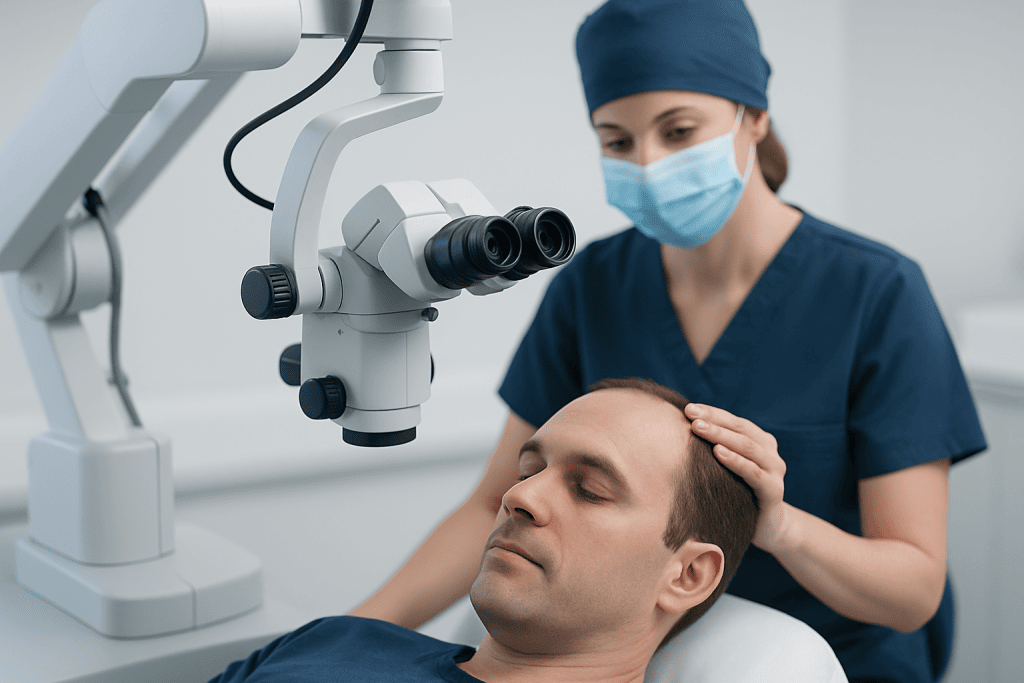
People who may benefit most from hair transplantation are those with stable hair loss and a sufficient donor area. This often includes individuals with male or female pattern hair loss, receding hairlines, thinning at the crown, or hair loss after trauma or surgery. In selected cases, transplantation may also be used for facial hair or brow restoration, such as beard transplant procedures or eyebrow transplantation.
Suitability depends on more than the appearance of thinning. A doctor will consider the pattern of hair loss, scalp health, family history, age, expectations, and the likely progression of future shedding. Someone with ongoing rapid hair loss may need medical treatment or a period of observation before surgery is advised.
Transplantation may be less suitable when hair loss is caused by active inflammatory or autoimmune scalp disease, severe diffuse thinning with poor donor supply, or unrealistic expectations about density. For example, some immune-related conditions such as alopecia areata may require medical management rather than immediate transplant surgery. A careful diagnosis helps avoid procedures that are unlikely to succeed.
Common Types and Techniques
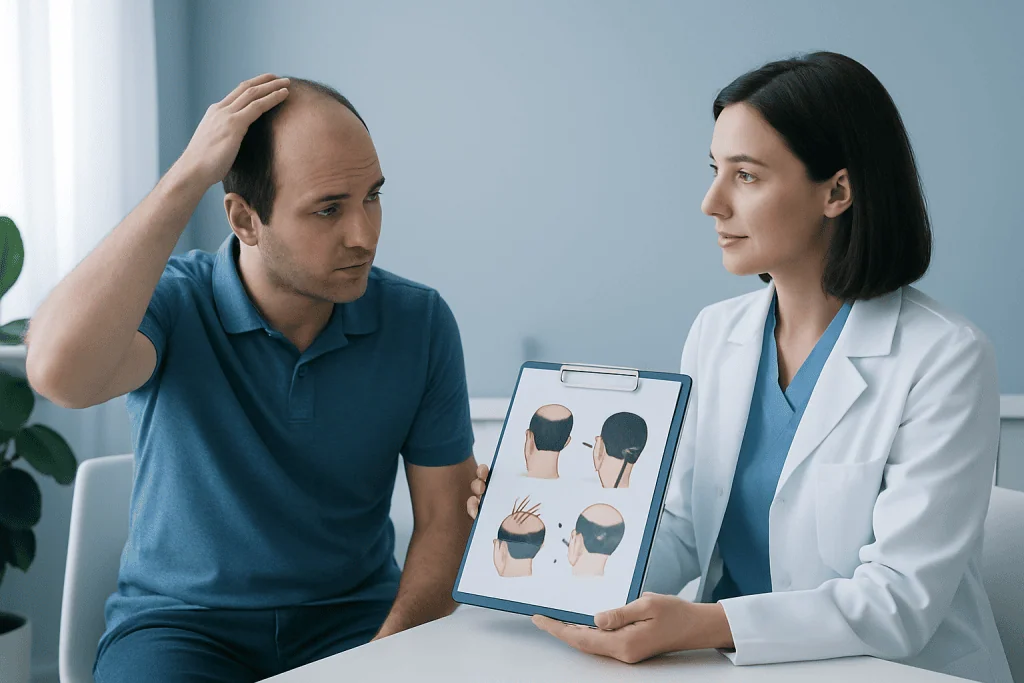
Modern hair transplantation usually relies on follicular unit grafting, which means moving naturally occurring groups of one to four hairs. The two commonly discussed approaches are follicular unit extraction and direct implantation. In practice, the right method depends on hair type, donor area, styling preferences, and the surgeon’s assessment.
In FUE hair transplant, individual follicular units are removed one by one from the donor area using a small instrument. These grafts are then placed into tiny recipient sites created in the thinning area. FUE is widely used because it avoids a long linear scar and can be suitable for many different hair restoration goals.
Another option is DHI hair transplant, in which extracted follicles are implanted with a specialized tool that can allow precise placement and angle control. Some clinics also discuss variations such as sapphire blades, robotic assistance, or unshaven techniques, but the most important factors remain proper planning, safe graft handling, and an experienced surgical team. The method should be individualized rather than chosen by trend alone.
Causes of Hair Loss and Risk Factors to Assess First
Before a transplant is planned, the cause of hair loss should be clearly identified. The most common reason people seek this procedure is androgenetic alopecia, also called pattern hair loss, which is linked to genetics and hormone sensitivity. In this condition, some scalp hairs gradually become finer and shorter over time, while donor hairs at the back and sides are often preserved.
Other causes of hair loss may need different treatment. These include thyroid disorders, iron deficiency, nutritional problems, stress-related shedding, traction from tight hairstyles, recent illness, medications, autoimmune disease, fungal infection, or inflammatory scalp conditions. Scalp disorders such as seborrheic dermatitis or scarring conditions may need control before any surgical procedure is considered.
Risk factors that may affect transplant planning include smoking, uncontrolled medical conditions, poor scalp laxity or donor density, a family history of advanced baldness, and a tendency to form thick scars such as keloids. A specialist review helps determine whether a transplant is likely to be safe, natural-looking, and durable over time.
How Diagnosis and Pre-Procedure Evaluation Work
Evaluation usually starts with a detailed medical history and scalp examination. The doctor looks at the pattern and duration of hair loss, any itching or inflammation, previous treatments, family history, and general health conditions. Photographs may be taken to compare the hairline and density over time and to support realistic treatment planning.
The donor area is carefully assessed to estimate how many grafts are available and whether enough hair can be moved without creating a thin appearance at the back or sides of the scalp. Hair characteristics such as curl, thickness, color contrast, and texture also matter because they influence how full the final result may appear.
Sometimes additional testing is recommended. This may include blood tests if a nutritional, hormonal, or medical cause is suspected, or dermoscopic examination of the scalp to look more closely at follicles and skin changes. Not everyone who asks for surgery is advised to proceed right away; some are better served first by medical treatment or non-surgical hair restoration approaches.
What Happens During Treatment and Recovery
Hair transplantation is usually performed under local anesthesia, often as a day procedure. After planning the hairline and recipient areas, the team prepares the donor region, removes the grafts, and then implants them with careful attention to direction, density, and natural growth patterns. The procedure can take several hours depending on the number of grafts and the complexity of the case.
After treatment, it is normal to have mild redness, swelling, tenderness, or small crusts around the implanted follicles for a short time. Clear aftercare instructions are important and may include gentle washing, avoiding rubbing or scratching, sleeping with the head elevated for a period, and limiting strenuous activity temporarily. The doctor may also advise when it is safe to return to work, exercise, and hair styling.
Early shedding of transplanted hairs can happen in the weeks after the procedure, which may feel surprising but is often part of the normal cycle. The follicles remain in place, and new hair growth generally begins gradually after a few months. Final maturation can take longer, so patience is an important part of recovery.
Benefits, Limitations, and Possible Risks
A well-planned hair transplant can improve hairline shape, increase visible density, and create a more balanced appearance. Because the procedure uses a person’s own follicles, the result can look natural when graft placement and long-term planning are done carefully. It may also support confidence and reduce the daily effort of trying to conceal thinning areas.
At the same time, hair transplantation has limits. It does not create unlimited density, and it cannot stop future hair loss in untreated areas. Some people need ongoing medical management to help preserve existing hair, and others may need more than one session over time depending on the extent of loss and donor supply.
Possible risks include infection, bleeding, swelling, temporary numbness, folliculitis, poor graft survival, unnatural hair direction, visible scarring, or dissatisfaction with cosmetic outcome. Choosing qualified specialists and following aftercare instructions can help reduce these risks. Near the end of the decision process, some international patients may also wish to know that Acibadem International’s multidisciplinary specialists in JCI-accredited hospitals diagnose and treat hair loss and perform hair restoration procedures for suitable candidates.
Self-Care, Long-Term Expectations, and When to Seek Medical Advice
Long-term success depends not only on the procedure but also on ongoing hair and scalp care. A doctor may recommend medical treatments to support existing hair, especially if pattern hair loss is still progressing. Gentle hair care, avoiding harsh traction, managing scalp inflammation, and attending follow-up visits can all contribute to better long-term results.
People considering surgery should have realistic expectations. Transplantation redistributes available hair rather than creating new follicles, so planning must balance present goals with future hair loss. Looking at before-and-after examples can be helpful, but outcomes vary from person to person based on donor supply, hair characteristics, healing, and the underlying diagnosis.
Medical advice should be sought promptly if hair loss is sudden, patchy, painful, associated with redness or scaling, or follows a recent illness or medication change. A person should also contact their care team after a transplant if there is increasing pain, fever, spreading redness, discharge, or any concern about healing. Early assessment can help address problems and protect the result.
Frequently asked questions
Is hair plantation the same as hair transplantation?
Yes. “Hair plantation” is a common non-medical phrase people use to describe hair transplantation. The medical term refers to moving hair follicles from a donor area to areas of thinning or baldness.
Are hair transplant results permanent?
Transplanted follicles are usually long-lasting because they are taken from areas that are more resistant to hair loss. However, existing non-transplanted hair may continue to thin over time, so some people also need medical treatment or future procedures.
How long does it take to see results after hair transplantation?
Visible improvement takes time. Newly transplanted hairs often shed early, and new growth usually begins over the following months, with fuller maturation developing gradually after that.
Is hair transplantation painful?
The procedure is usually done under local anesthesia, so discomfort during treatment is generally limited. Mild soreness, tightness, or tenderness afterward can happen, but these symptoms are often temporary and manageable with the care plan provided by the doctor.
Can women have hair transplantation?
Yes, some women are good candidates for hair transplantation, especially when they have stable, localized thinning and adequate donor hair. A specialist assessment is important because diffuse hair loss in women may need a different treatment approach.
Who should avoid or delay a hair transplant?
A transplant may need to be delayed if the cause of hair loss is unclear, if scalp disease is active, or if shedding is still rapidly progressing. People with poor donor supply or unrealistic expectations may also be advised to consider other options first.
References
- American Academy of Dermatology
- British Association of Dermatologists
- National Health Service
- International Society of Hair Restoration Surgery
- Mayo Clinic
This article is for general information only and is not a substitute for professional medical advice. Please consult a qualified doctor about your individual situation.
Hair transplant in Turkey — costs, graft counts & a free assessment
JCI-accredited · board-certified surgeons · reply within 24h
Add us as a Preferred Source to see more of our trusted health content across Google Search, AI Overviews and Discover.

Related Treatments
Related Conditions
More from the Health Library



Related Specialists

Prof. Dr. Sedef Şahin
Dermatology
Prof. Dr. Şükrü Yazar
Aesthetic Plastic & Reconstructive Surgery
Prof. Dr. Emel Öztürk Durmaz
Dermatology
Prof. Dr. Özlem Dicle
Dermatology