

Scalp Micropigmentation Cost: What Is Included and Who Is It For?

Scalp micropigmentation is a cosmetic procedure that places tiny pigment deposits in the scalp to create the look of hair follicles or added density. The total cost usually reflects the treatment area, complexity, number of sessions, practitioner experience, and follow-up care.
Key Takeaways
- Scalp micropigmentation is a cosmetic procedure that places tiny pigment deposits in the scalp to create the look of hair follicles or added density.
- The total cost usually reflects the treatment area, complexity, number of sessions, practitioner experience, and follow-up care.
- It may suit shaved-head styles, thinning hair, some scarring, and selected types of hair loss, but it is not the same as hair regrowth treatment.
- A medical assessment is important if hair loss is new, patchy, inflamed, or linked to a scalp condition.
- Choosing a qualified, hygienic, medically aware provider matters more than comparing price alone.
Scalp micropigmentation cost varies because the procedure is tailored to the size of the area treated, the desired look, and the number of sessions needed. It can be a helpful cosmetic option for people who want the appearance of fuller hair, a defined hairline, or improved scalp coverage without surgery.
Overview: What scalp micropigmentation is
Scalp micropigmentation, often called SMP, is a non-surgical cosmetic procedure that uses specialized pigments and fine needles to place tiny dots in the upper layers of the scalp. These dots are designed to resemble natural hair follicles. Depending on the person’s goals, SMP can create the look of a closely shaved scalp, make thinning hair appear denser, or help reduce the contrast between the scalp and existing hair.
Because it changes appearance rather than stimulating new hair growth, scalp micropigmentation is best understood as a camouflage or enhancement technique. It does not replace a medical diagnosis for hair loss, and it does not treat the underlying cause. For many people, however, it can provide a more even, defined, and fuller-looking result in daily life.
People often ask about scalp micropigmentation cost early in the process. The answer is rarely a single standard price because treatment is highly individualized. The amount of scalp covered, the style requested, the number of sessions, and the expertise of the practitioner all influence the final total.
What is usually included in scalp micropigmentation cost
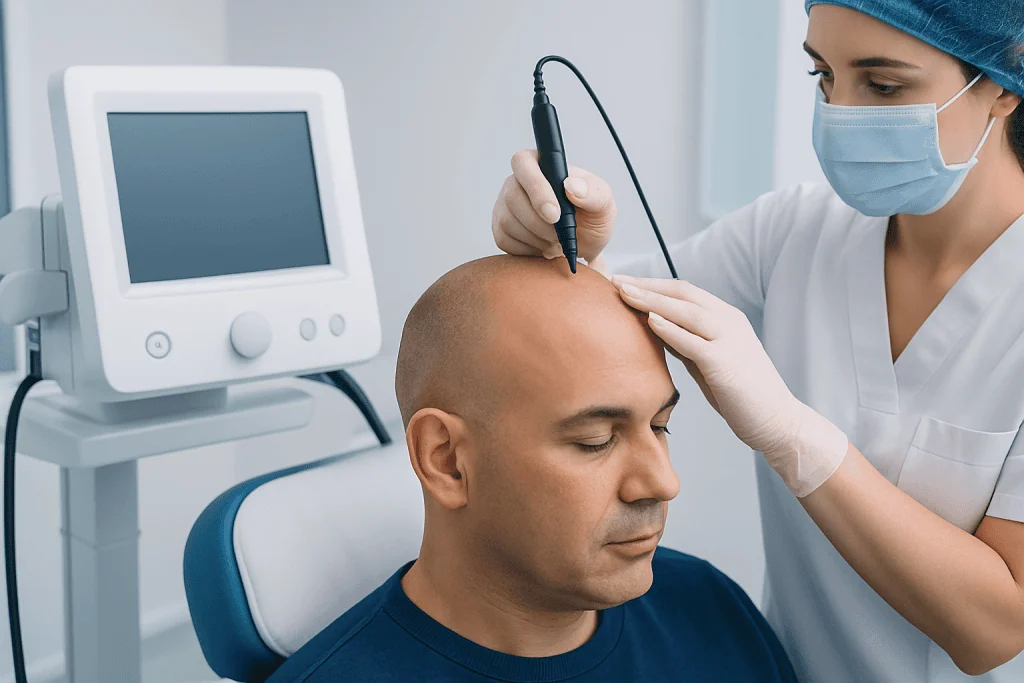
Scalp micropigmentation cost commonly includes more than the treatment itself. Many clinics build the price around an initial consultation, treatment planning, one or more procedure sessions, and a short-term follow-up review. Some also include a touch-up within a defined time period, while others price touch-ups separately.
Most people need multiple sessions rather than a single appointment. This allows the practitioner to build the color gradually, refine the density, and adjust the hairline or shade after the pigment settles. A quote may therefore reflect the complete treatment course instead of one session alone. It is helpful for patients to ask whether the quoted amount covers all planned visits, local anesthesia options if offered, aftercare instructions, and any future maintenance expectations.
In higher-standard medical or medically supervised settings, the fee may also reflect additional safety measures such as scalp assessment, careful hygiene protocols, patch testing when appropriate, and coordination with dermatology or hair restoration specialists. When comparing clinics, patients benefit from looking at what is included rather than focusing on the lowest number alone.
- Initial assessment and scalp review
- Custom design of hairline, shade, and density
- Two or more treatment sessions
- Early follow-up or review appointment
- Aftercare guidance and product recommendations
What factors affect the price

The size of the treatment area is one of the biggest factors in scalp micropigmentation cost. Filling small areas around the temples or crown generally costs less than treating diffuse thinning across the entire scalp. Likewise, creating a soft density effect through existing hair may require a different approach from designing a full shaved-head look across a larger surface.
Complexity also matters. A person who wants scar camouflage after prior surgery, correction of an uneven older pigment treatment, or detailed blending into remaining hair may need more time and technical skill. Practitioners with advanced experience often charge more, but their training in color matching, natural follicle simulation, and long-term aesthetic planning can be important for a convincing result.
Geographic location, clinic setting, and brand reputation can influence pricing too. In addition, maintenance should be considered part of overall cost. SMP can fade gradually over time, especially with sun exposure and skin turnover, so refresh sessions may be needed in the future. Patients should ask whether the clinic can estimate long-term upkeep in addition to the initial procedure.
Who is scalp micropigmentation for?
Scalp micropigmentation may suit adults who want a cosmetic improvement in the appearance of hair loss or scalp visibility. This includes people with male or female pattern hair loss, thinning at the crown, a receding hairline, or a desire to create the look of a neat, closely shaved hairstyle. It may also help some people reduce the appearance of scars from previous hair restoration procedures or trauma.
It can be useful for selected medical hair loss patterns as well, but not every situation is straightforward. For example, someone with stable alopecia areata may sometimes consider SMP for cosmetic coverage, while active or changing disease usually needs medical review first. In the same way, scalp conditions such as psoriasis or seborrheic dermatitis may affect timing, suitability, or healing.
SMP may appeal to people who do not want surgery, do not have enough donor hair for transplantation, or prefer a shorter recovery. Others choose it to complement broader non-surgical hair restoration plans or to enhance the visual density after procedures such as FUE hair transplant. It is most successful when expectations are realistic and the person understands that the goal is visual improvement, not actual regrowth.
When it may not be suitable
Scalp micropigmentation is not ideal for everyone. People with active scalp infection, open wounds, significant inflammation, uncontrolled dandruff-like flaking, or rapidly changing hair loss should usually delay treatment until they have been properly assessed and managed. A stable scalp environment helps reduce irritation and supports more predictable cosmetic results.
Those with a tendency toward certain skin reactions may also need extra caution. A history of allergy to pigments, abnormal scarring, or some autoimmune or inflammatory skin conditions may affect whether SMP is recommended. Patients should share their full medical history, medications, previous cosmetic tattoos, and any history of keloid formation or sensitivity.
It is also important to understand the style commitment. A shaved-look SMP result generally works best when the surrounding hair is kept short and maintained regularly. If a person expects thick, longer hair from SMP alone, they may be disappointed. In some cases, a doctor may suggest considering hair restoration alternatives such as DHI hair transplant or a combined plan depending on hair pattern, donor supply, and goals.
Consultation, planning, and treatment process
A good consultation should cover both aesthetics and scalp health. The practitioner or doctor usually reviews the pattern of hair loss, examines the scalp, discusses medical history, and clarifies what result is realistic. Photos may be taken for planning, and the hairline shape, color tone, density, and session schedule are discussed in detail.
Treatment is typically performed over several sessions spaced apart to allow the skin to settle and the pigment to soften into a natural appearance. During each session, tiny layered impressions are added carefully rather than all at once. This gradual method helps avoid an overly dark, flat, or artificial result. Mild redness after treatment is common, but the exact recovery experience varies from person to person.
Patients should ask practical questions before proceeding: who performs the procedure, what training they have, whether the clinic follows medical hygiene standards, what pigments are used, and how touch-ups are handled. Asking to see healed results, not only fresh post-treatment photos, can also help people understand what to expect over time.
Aftercare, longevity, and maintenance costs
Aftercare plays an important role in how scalp micropigmentation heals and how long it lasts. Patients are usually advised to keep the scalp clean, avoid intense sweating for a short period, protect the area from direct sun, and follow the clinic’s guidance on washing and skin products. Scratching, picking, or using harsh exfoliating products too soon can interfere with healing.
SMP is considered long-lasting, but it is not necessarily permanent in exactly the same form forever. Pigment may gradually fade or soften over the years because of sun exposure, skin renewal, and individual skin characteristics. As a result, some people choose periodic refresh sessions to maintain a crisp hairline or consistent density effect.
These future touch-ups should be included in financial planning. A lower initial quote may not be the best overall value if maintenance is frequent or priced separately at a high rate. Patients benefit from asking how the clinic approaches long-term follow-up, color changes, and adjustments if hair loss progresses after the original treatment.
How to choose a provider and when to seek medical advice
Choosing a provider based only on cost can lead to disappointment. Natural-looking scalp micropigmentation depends on artistic judgment, knowledge of scalp anatomy, proper hygiene, and an understanding of hair loss patterns. Patients should look for a qualified professional who can explain the technique clearly, show healed results in people with similar skin tone and hair pattern, and be honest about limits and maintenance.
Medical input is especially important if hair loss is sudden, patchy, painful, itchy, inflamed, or associated with scaling or scarring. These features may point to a condition that should be diagnosed before any cosmetic procedure. Even when the primary goal is appearance, a dermatology or hair restoration evaluation can help ensure that treatable causes are not missed.
For people exploring comprehensive options, SMP may be used alone or alongside broader hair restoration procedures. Near the end of decision-making, some patients prefer centers that can coordinate dermatology, hair restoration, and cosmetic camouflage in one setting. Acibadem International’s multidisciplinary specialists and JCI-accredited hospitals diagnose and treat hair and scalp concerns for international patients.
Frequently asked questions
Is scalp micropigmentation the same as a hair transplant?
No. Scalp micropigmentation creates the appearance of hair follicles by placing pigment in the scalp, while a hair transplant moves real hair follicles from one area to another. SMP does not grow new hair, but it can make hair loss look less noticeable.
How many sessions are usually needed?
Many people need two to four sessions, although the exact number depends on the size of the area, the desired density, and how the pigment settles. Building the result gradually usually helps create a more natural finish.
Who is a good candidate for scalp micropigmentation?
Good candidates often include adults with pattern hair loss, thinning hair, visible scalp, or certain stable scar areas who want a non-surgical cosmetic solution. Suitability is best confirmed after a consultation, especially if there is active scalp disease or unexplained hair loss.
Does scalp micropigmentation look natural?
It can look very natural when it is carefully matched to skin tone, hair color, hairline shape, and existing hair pattern. The skill of the practitioner and a conservative, layered approach are important to avoid an artificial result.
How long does scalp micropigmentation last?
Results are long-lasting, but fading can happen gradually over time. Some people choose maintenance or refresh sessions after a few years, depending on sun exposure, skin type, and personal preference.
Can scalp micropigmentation be done if there is a scalp condition?
Sometimes, but active inflammation, infection, or unstable skin disease usually needs medical evaluation first. Conditions such as dermatitis or psoriasis may affect timing, healing, and whether the procedure is appropriate at that moment.
References
- American Academy of Dermatology
- British Association of Dermatologists
- NHS
- Mayo Clinic
- International Society of Hair Restoration Surgery
This article is for general information only and is not a substitute for professional medical advice. Please consult a qualified doctor about your individual situation.
Scalp Micropigmentation in Turkey — costs, top hospitals & a free quote
JCI-accredited · board-certified surgeons · reply within 24h
Add us as a Preferred Source to see more of our trusted health content across Google Search, AI Overviews and Discover.

Hair Transplant
Modern FUE and DHI hair restoration with natural, lasting results.
Related Treatments
Related Conditions
More from the Health Library



Related Specialists

Prof. Dr. Sedef Şahin
Dermatology
Prof. Dr. Şükrü Yazar
Aesthetic Plastic & Reconstructive Surgery
Prof. Dr. Emel Öztürk Durmaz
Dermatology
Prof. Dr. Özlem Dicle
Dermatology