Chronic Venous Insufficiency
Chronic Venous Insufficiency is poor leg vein blood return causing swelling, skin changes and ulcers. Learn symptoms, diagnosis and treatment.

Quick answer
Chronic venous insufficiency is a condition in which leg veins do not return blood effectively to the heart, causing symptoms such as swelling, pain, heaviness, skin changes, and sometimes ulcers. At Acibadem in Turkey, evaluation focuses on the vein circulation with clinical assessment and imaging, and treatment may include lifestyle measures, compression therapy, medications, and minimally invasive or surgical procedures…
Chronic Venous Insufficiency is a long-term circulation problem in which leg veins do not return blood to the heart efficiently, leading to pressure build-up in the legs. It commonly causes leg swelling, heaviness, varicose veins, skin discoloration and, in advanced cases, slow-healing venous ulcers.
Overview
Chronic Venous Insufficiency is a long-term condition in which the veins of the legs have difficulty moving blood back toward the heart. In healthy leg veins, one-way valves help blood flow upward against gravity. When these valves become weak, stretched or damaged, blood can flow backward and collect in the lower legs, increasing pressure inside the veins.
This increased venous pressure may cause swelling, aching, visible varicose veins and changes in the skin, especially around the ankles. Over time, the skin can become dry, itchy, firm or darker in color. In more advanced disease, small injuries may heal slowly and can develop into venous leg ulcers.
Chronic Venous Insufficiency is not the same as a blood clot, although a previous deep vein thrombosis can damage vein valves and increase the risk. It is also different from arterial disease, where narrowed arteries reduce blood supply to the legs. A vascular specialist can identify the type of circulation problem and recommend appropriate care.
Symptoms
Symptoms of Chronic Venous Insufficiency often begin gradually and may be worse after long periods of standing or sitting. Many people notice that symptoms improve when the legs are elevated. The condition usually affects the lower legs and ankles, although varicose veins may extend higher along the leg.
Common symptoms and signs include:
- Aching, heaviness, tiredness or throbbing in the legs
- Swelling around the ankles or lower legs, especially later in the day
- Varicose veins or enlarged, twisted surface veins
- Itching, dry skin or irritation around the ankles
- Brownish or reddish skin discoloration, often near the inner ankle
- Skin thickening, firmness or a tight feeling in the lower leg
- Leg cramps, restlessness or discomfort at night
- Slow-healing sores, known as venous ulcers, usually near the ankle
Symptoms vary widely. Some people have visible varicose veins with little discomfort, while others have significant swelling or skin changes. Any new ulcer, increasing pain, sudden swelling of one leg, redness, warmth or shortness of breath should be assessed promptly because other conditions, including infection or blood clots, may need urgent attention.
Causes & Risk Factors
Chronic Venous Insufficiency is most often caused by malfunctioning valves in the leg veins. These valves can become less effective when vein walls stretch, when superficial veins become varicose, or after inflammation or clotting damages deeper veins. When the valves do not close properly, blood refluxes downward and raises pressure in the lower leg veins.
Several factors can increase the likelihood of developing venous insufficiency. These include age, family history of varicose veins or venous disease, pregnancy, excess body weight, previous deep vein thrombosis, leg injury, and jobs or daily routines that involve prolonged standing or sitting. Reduced mobility can also contribute because calf muscle movement normally helps pump blood upward.
Hormonal influences, repeated pregnancies and pelvic pressure may make venous problems more noticeable in some people. Smoking, poor physical conditioning and chronic swelling from other causes can worsen leg circulation and skin health. Risk factors do not mean a person will definitely develop the condition, but they can help doctors assess prevention and treatment priorities.
Diagnosis
Diagnosis begins with a medical history and physical examination. The doctor asks about leg swelling, pain, heaviness, skin changes, previous blood clots, pregnancies, occupation, medications and other health conditions. The legs are examined while standing or sitting, because varicose veins and swelling may become more visible with gravity.
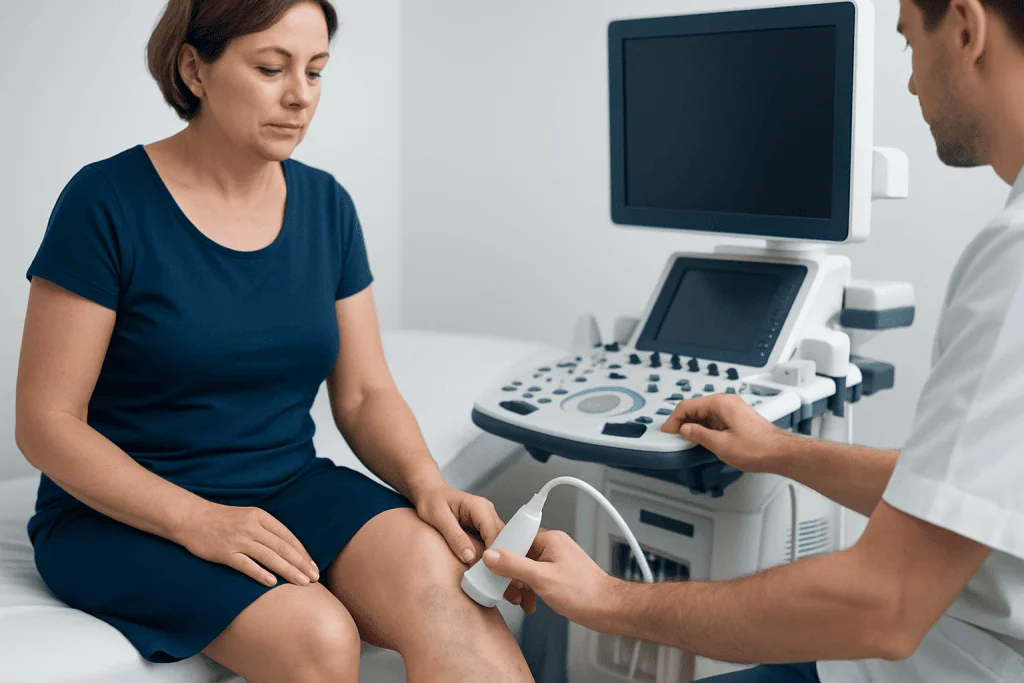
The most important test for Chronic Venous Insufficiency is usually duplex ultrasound. This non-invasive scan uses sound waves to view the veins, check whether valves are leaking, and assess blood flow in both superficial and deep veins. It can also help detect or exclude a blood clot when symptoms suggest that possibility.
In selected cases, additional tests may be needed, especially if symptoms are complex, ulcers are present, or previous procedures have been performed. These may include measurements of leg swelling, wound assessment, imaging of pelvic or abdominal veins, or tests to evaluate arterial circulation before compression therapy. A correct diagnosis helps distinguish venous disease from heart, kidney, lymphatic, skin or arterial conditions that can also cause leg swelling or ulcers.
Treatment Options
Treatment for Chronic Venous Insufficiency aims to reduce venous pressure, relieve symptoms, protect the skin and support healing if ulcers are present. The right approach depends on the severity of disease, ultrasound findings, general health, symptoms, skin condition and personal goals. A vascular specialist decides the most appropriate plan after assessment.
Conservative treatment is often an important first step. This may include graduated compression stockings or bandaging, leg elevation, regular walking, calf-muscle exercises, weight management where appropriate, and avoiding long periods of immobility. Compression should be fitted correctly and may not be suitable for everyone, especially people with significant arterial disease, so medical guidance is important.
Medications may be considered for selected patients to help with symptoms, swelling, skin inflammation, clot risk or ulcer care, but medicines do not repair damaged vein valves. If venous ulcers are present, treatment usually includes specialized wound care, infection assessment when needed, compression-based ulcer management and monitoring by trained clinicians.
When reflux in superficial veins is contributing to symptoms or skin damage, procedures may be recommended. These can include minimally invasive endovenous treatments, sclerotherapy, adhesive closure, phlebectomy or, less commonly, open surgery. If deep vein obstruction or previous clot-related disease is involved, additional specialist evaluation may be required. The choice of procedure is individualized and should be discussed with a qualified vascular surgeon or vein specialist.
Living With / Prognosis
Many people with Chronic Venous Insufficiency can manage symptoms well with ongoing care. Because the condition is chronic, treatment often focuses on long-term control rather than a one-time cure. Consistent use of recommended compression, activity, skin care and follow-up can reduce discomfort and help prevent progression.
Daily habits can make a meaningful difference. Walking regularly activates the calf muscles, which act as a natural pump for venous blood. Elevating the legs when resting, taking movement breaks during long travel or desk work, and avoiding prolonged standing without movement may help reduce swelling. Gentle skin care is also important because dry or irritated skin can break down more easily.
The outlook depends on the extent of valve damage, whether deep veins are affected, and whether skin changes or ulcers have developed. Early-stage disease may remain stable for years, while advanced disease needs closer monitoring. People with previous venous ulcers usually require long-term prevention strategies because ulcers can recur if venous pressure remains uncontrolled.
When to See a Doctor
A doctor should be consulted if leg swelling, heaviness, aching or visible varicose veins are persistent, worsening or affecting daily life. Medical evaluation is also recommended for skin discoloration, itching, thickening or eczema-like changes around the ankles, as these may indicate increasing venous pressure.
Prompt assessment is important for any open sore on the lower leg or ankle, especially if it is slow to heal. Early wound and venous care can improve healing conditions and reduce the risk of complications. Sudden swelling of one leg, new severe pain, warmth, redness, chest pain or shortness of breath should be treated as urgent symptoms because a blood clot or another serious condition may be possible.
People with diabetes, peripheral arterial disease, immune system problems or a history of blood clots should seek medical advice early when leg symptoms appear. Acibadem International’s multidisciplinary specialists and JCI-accredited hospitals diagnose and treat Chronic Venous Insufficiency for international patients, including evaluation by vascular teams when appropriate.
Frequently asked questions
What is Chronic Venous Insufficiency?
Chronic Venous Insufficiency is a long-term problem with blood return from the legs to the heart. It occurs when vein valves do not work properly, allowing blood to pool in the lower legs and raise pressure in the veins.
Is Chronic Venous Insufficiency the same as varicose veins?
They are related but not exactly the same. Varicose veins are enlarged, twisted surface veins, while Chronic Venous Insufficiency refers to impaired vein function that may cause swelling, skin changes and ulcers. Some people have varicose veins without advanced venous insufficiency.
Can Chronic Venous Insufficiency be cured?
Damaged vein valves usually do not return to normal on their own, so the condition often needs long-term management. Symptoms can often be controlled, and some vein procedures can reduce reflux in specific veins. The best approach depends on ultrasound findings and specialist assessment.
Do compression stockings help venous insufficiency?
Graduated compression stockings can help reduce swelling and discomfort by supporting blood flow in the legs. They should be properly fitted and used as advised by a healthcare professional. People with arterial circulation problems should not start strong compression without medical evaluation.
When is a venous leg ulcer a concern?
Any open sore near the ankle or lower leg that does not heal quickly should be assessed by a doctor. Venous ulcers need careful wound care and treatment of the underlying venous pressure. Early care can support healing and help prevent recurrence.
What lifestyle changes may help Chronic Venous Insufficiency?
Regular walking, calf exercises, leg elevation and avoiding long periods of sitting or standing can help reduce symptoms. Weight management, skin care and following compression advice may also be beneficial. These measures should complement, not replace, medical evaluation when symptoms are persistent.
References
- Society for Vascular Surgery
- European Society for Vascular Surgery
- National Institute for Health and Care Excellence
- American Venous Forum
- Cochrane Library
This article is for general information only and is not a substitute for professional medical advice. Please consult a qualified doctor about your individual situation.
Doctors Who Treat This Condition
Prof. Dr. Ahmet Tulga Ulus
Cardiovascular Surgery
Prof. Dr. Ahmet Ümit Güllü
Cardiovascular Surgery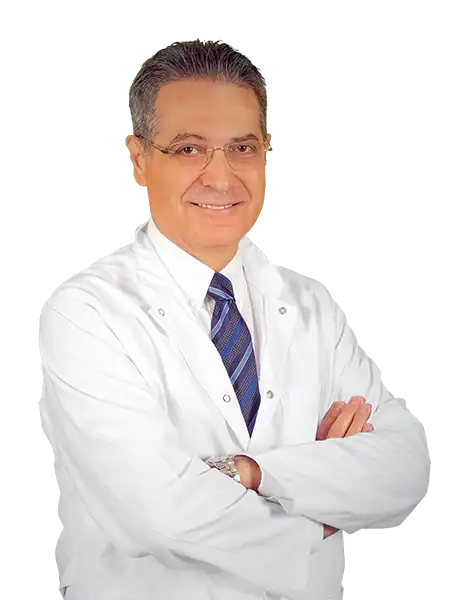
Prof. Dr. Bülent Kisacikoğlu
Cardiovascular Surgery
Prof. Dr. Cem Alhan
Cardiovascular Surgery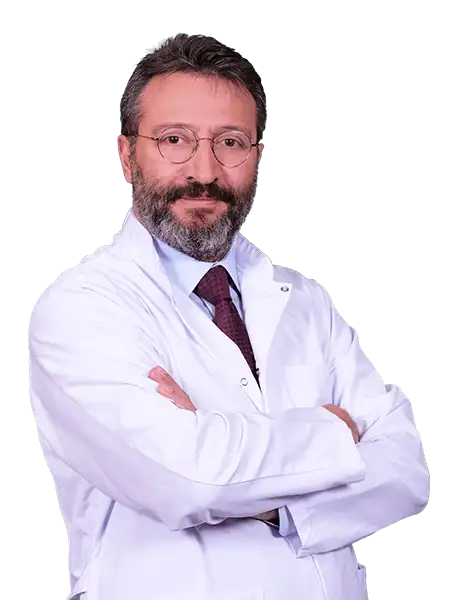
Prof. Dr. Ersin Erek
Cardiovascular Surgery
Prof. Dr. Eyüp Murat Ökten
Cardiovascular Surgery
Prof. Dr. Fuat Bilgen
Cardiovascular Surgery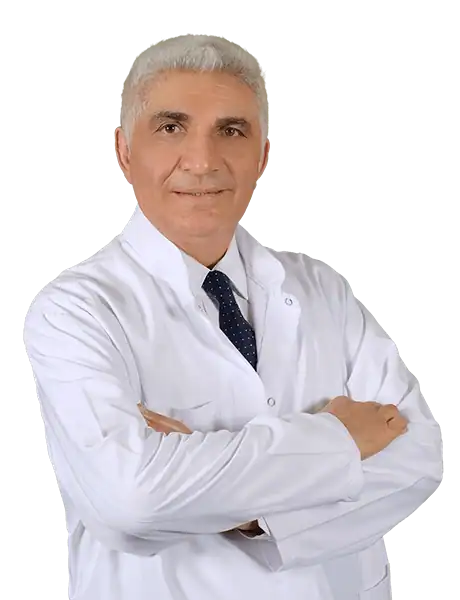
Prof. Dr. Hayati Özkan
Cardiovascular Surgery
Prof. Dr. Mehmet Özkan
Cardiovascular Surgery
Prof. Dr. Rıza Türköz
Cardiovascular Surgery
Prof. Dr. Tayyar Sarioğlu
Cardiovascular Surgery